Private Satellite Rescue Mission Fails; NASA’s Swift Observatory Now Faces November Reentry


A private $30 million robotic spacecraft developed by Katalyst Space Technologies burned up during atmospheric reentry on September 25, 2026, after a critical malfunction cut its mission short.
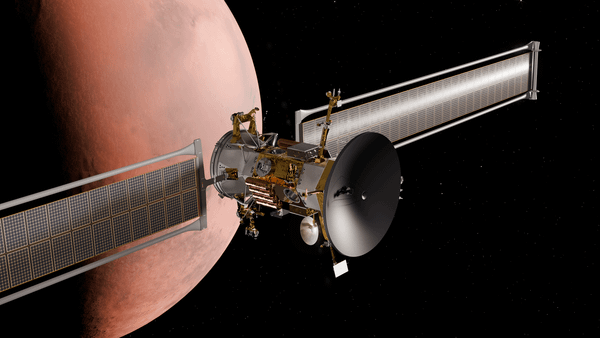
The three-armed salvage vehicle, named Link, launched less than three months ago on a “high-stakes mission” to intercept and refuel NASA's aging Neil Gehrels Swift Observatory. The mission followed an unusual effort to save the NASA telescope from an early reentry.
However, a faulty propellant valve shortly after launch sent Link into an uncontrolled spin. While engineers did eventually successfully stabilize the craft, the situation depleted the vehicle's remaining fuel, leaving it unable to execute the delicate maneuvers required to dock with the telescope. By late July, the mission's chances of rescuing Swift had become increasingly uncertain.
Despite the docking failure, teams spent Link's remaining weeks practicing proximity operations, coming within 9 miles of Swift to collect valuable tracking data. With the rescue craft now essentially out of service, the Swift Observatory is left without a lifeline and is projected to make its own fiery plunge back to Earth by early November 2026.
Reflecting on the commercial partnership, NASA's Shawn Domagal-Goldman noted that the attempt provided critical lessons for the emerging satellite-servicing industry, stating:
"While we'll be sad to see Swift's mission come to a close, we knew this boost effort would be worthwhile either way."