NASA Telescope Savior in a Spin Early Into Mission

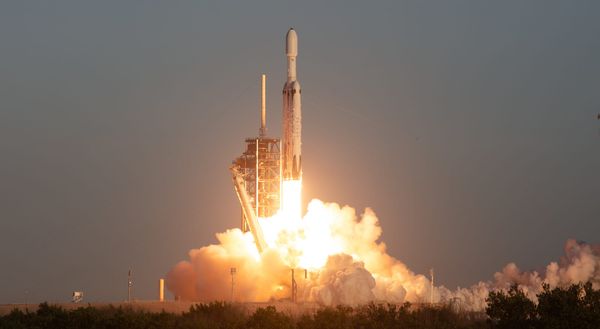
Having entered low Earth orbit back on July 3rd, a daring plan to save NASA's Neil Gehrels Swift Observatory appeared to be off to a good start. That was until a recent set of issues has put the 'LINK' spacecraft into a spin.
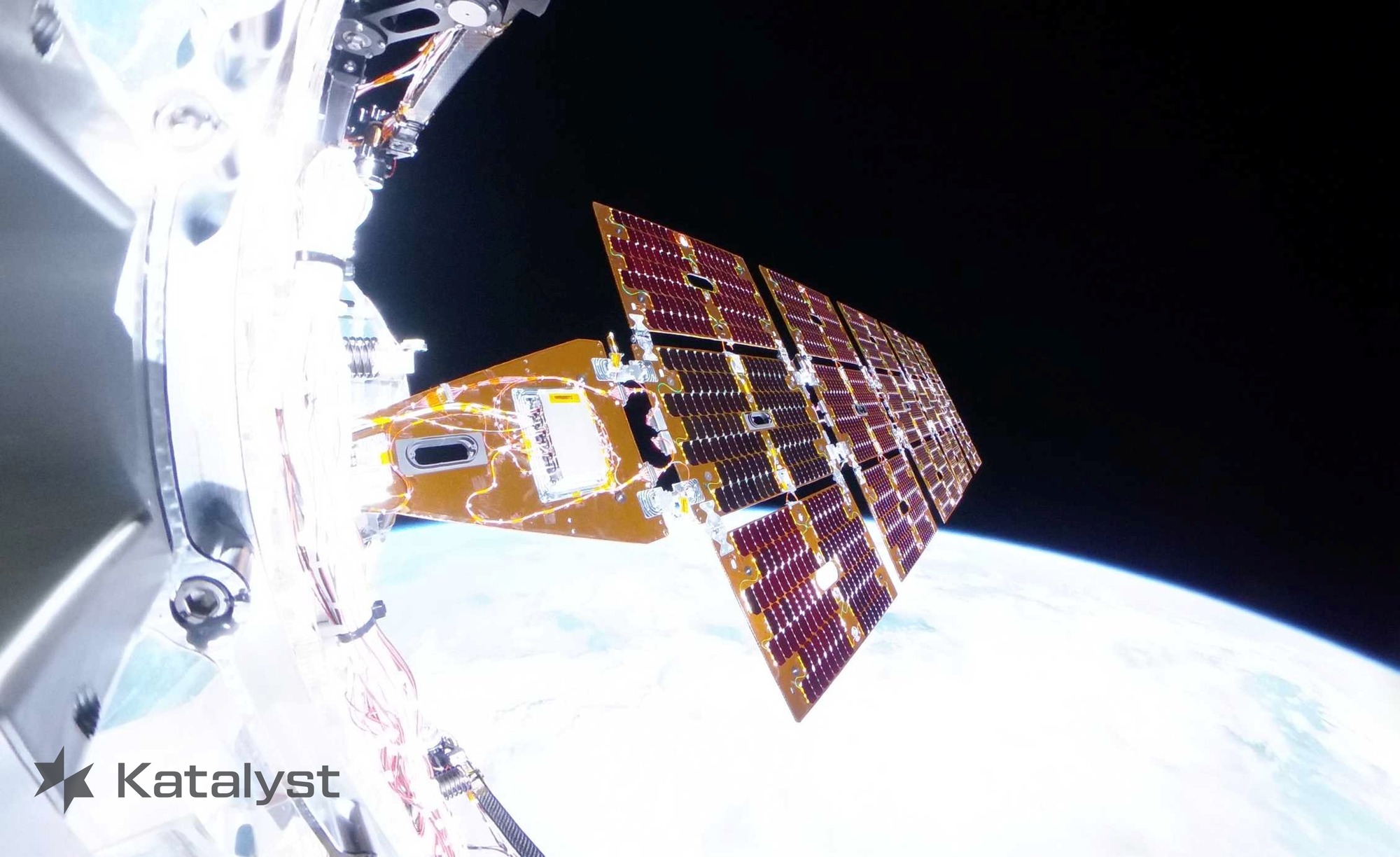
In a July 28th update shared by the U.S. space agency and Katalyst Space, who built 'LINK', it was disclosed that the spacecraft has been in a spin for about three days, with it causing sporadic communications with teams on Earth. That spin is stated to have been caused by a loss of functionality on two reaction wheels, of which there are three total, and partial remaining functions with attitude control thrusters.
The recent update is the first time Katalyst Space has acknowledged issues with the spacecraft's systems. During early spacecraft commissioning NASA noted that 'LINK' had to be stabilized after experiencing a period of 'excess momentum', something Katalyst made no mention of. After ten days in orbit, the space agency shared that one of the reaction wheels had an issue causing a loss of attitude control before being resolved.
At present, Katalyst Space is working to de-spin 'LINK' through careful use of its main electric propulsion thrusters, with some results already stated to have been seen. If the spacecraft can be restored to a stable position, Katalyst's team will upload updated guidance, navigation, and control commands.
A period to thoroughly evaluate spacecrafts systems after those fixes will decide if the spacecraft is allowed to proceed towards the NASA Telescope it is meant to save.
Originally, the first five weeks of 'LINK's time in orbit was meant for commissioning and approaching the Neil Gehrels Swift Observatory; to date it has spent almost four weeks resolving issues. In the original plan, two weeks post-commissioning and approach was allocated for capturing the telescope, with three robotic arms, ahead of a three-month boosting of its orbit.
While 'LINK' has been resolving its problems, the telescope has paused all of its observations and oriented its solar panels to reduce drag from the upper atmosphere.
Should the spacecraft have its stability restored and complete its intended missions, the Neil Gehrels Swift Observatory will restart its observations in visible, ultraviolet, X-ray, and gamma-ray wavelengths later this year.