Final Pegasus-XL Rocket Begins Mission to Save NASA Telescope

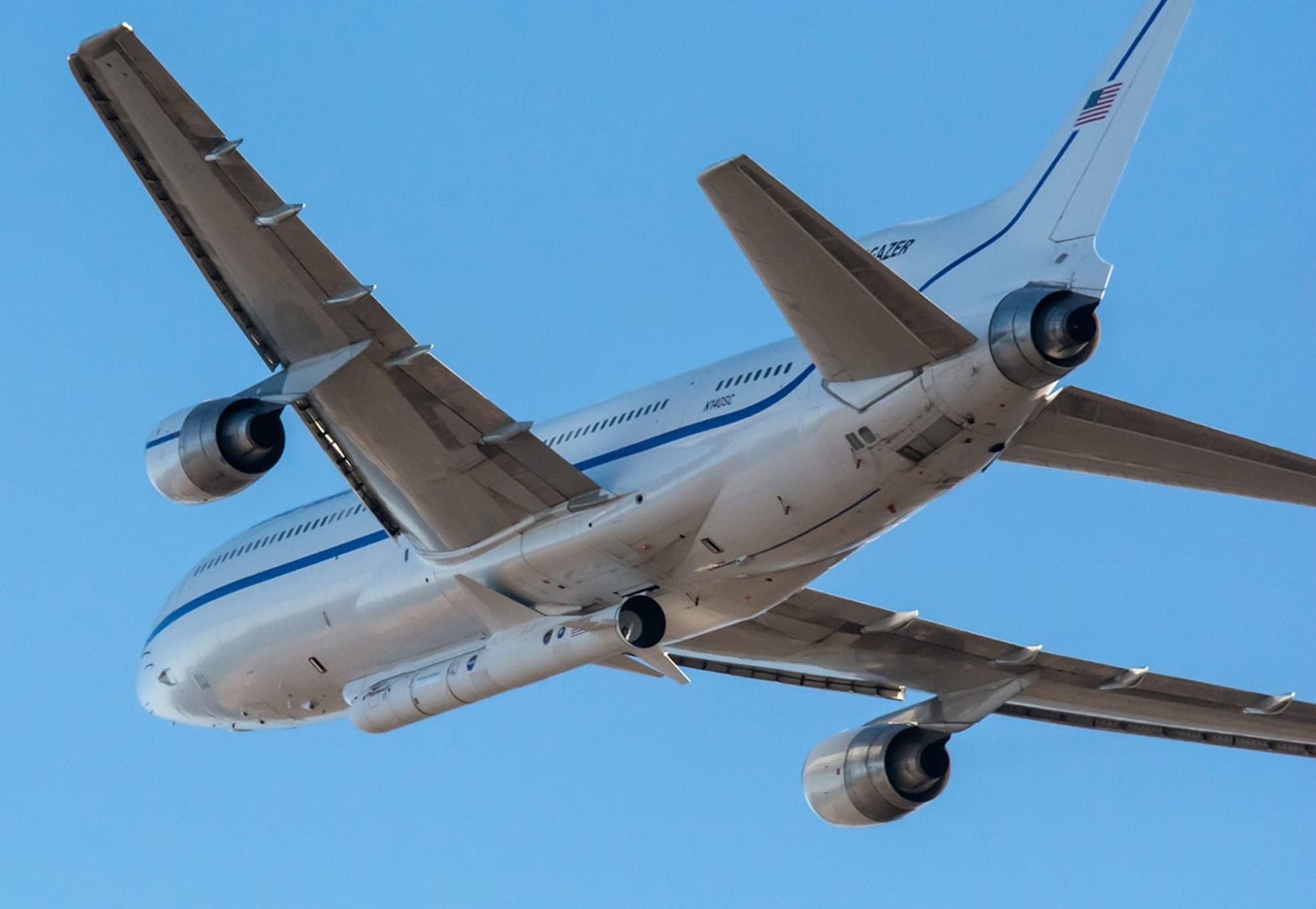
Earlier today the sole remaining Northrop Grumman Pegasus-XL rocket, consisting of three solid propellant stages, were dropped from the the underside of an L-1011 aircraft operating from the South Pacific Kwajalein Atoll. After being dropped, the rocket ignited its motors and pitched up to head into space.
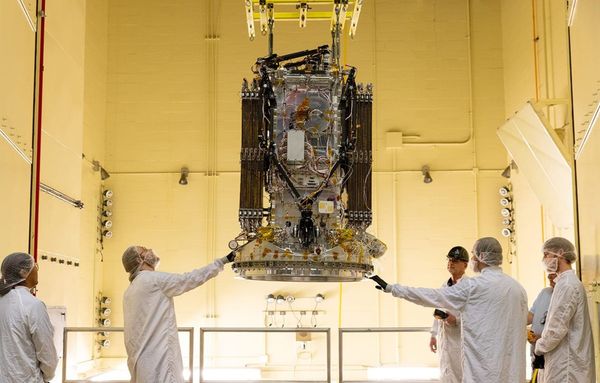
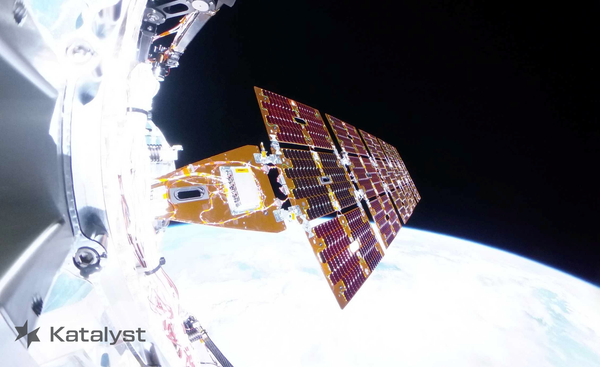
Ascent into space began at 8:36 am Universal Coordinated Time and went perfectly through all three solid motor burns. Thanks to that, the 425-kilogram 'LINK' spacecraft was put into low Earth orbit, unfurling its two solar panels and starting up its three electric propulsion engines.
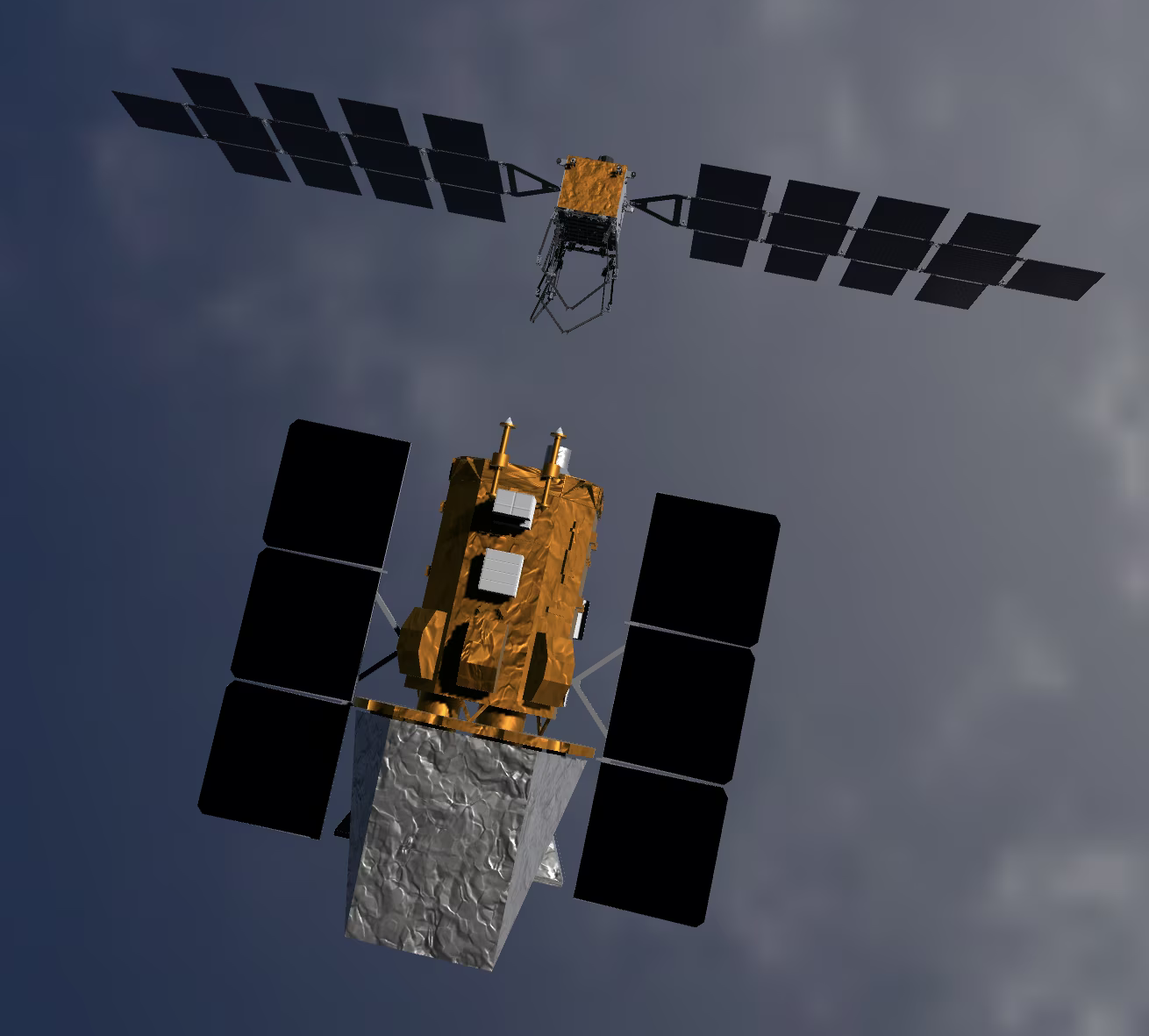
In orbit, 'LINK' is now chasing down NASA's Neil Gehrels Swift Observatory as part of a mission to boost the orbit of the twenty-one-year-old space telescope, which has performed observations of many objects in visible, ultraviolet, X-ray, and gamma-ray wavelengths. That telescope lacks any propulsion system of its own and has been slowly falling out of orbit due to upper-atmosphere drag.
The idea to boost the telescope has come in an impressively short time for a NASA mission. August 2025 saw the selection of conceptual studies before Katalsyst Space was awarded 30 million United States Dollars to develop a suitable mission to save the Swift Observatory, culminating in the development of 'LINK'. That saw the final Pegasus-XL procured in November as a means to reach the telescopes near equator orbit.
To buy the telescope-saving effort some time, NASA teams have paused all observations with it, reduced instrument power demand, and oriented its solar panels to reduce drag. Those adjustments should have the Swift Observatory stable at around 300 kilometers in orbital height for several months.
Through the speed at which 'LINK' was prepared, completing integration in April and passing final tests in May, launch opportunities have been available since the end of June, and the spacecraft has five weeks to undergo systems checks in orbit and head towards the Swift Observatory.
When 'LINK' does reach the telescope, it will spend around two weeks working to securely grab onto it through its three robotic arms and ensuring that no damage to either spacecraft is caused.
Boosting of the Neil Gehrels Swift Observatory's orbit will take about three months once 'LINK' is deemed ready to start doing so. For that, its electric propulsion system will fire near constantly throughout. If successfully saved, the telescope will resume its scientific astronomical observations later this year.
Speaking on the importance of the Swift Observatory in NASA's telescope fleet, Shawn Domagal-Goldman, Division Director of Astrophysics at NASA Headquarters, shared:
"Swift plays a notable role in our fleet. We have much to gain by attempting this boost, which is more affordable than trying to replace Swift’s capabilities and allows NASA to advance the nation’s satellite servicing industry, for the benefit of all."
Regarding part of the challenge of saving the telescope, Ghonhee Leo, Chief Executive Officer of Katalyst Space, stated:
"Swift wasn't designed to be serviced. By demonstrating we can quickly and cost-effectively extend its lifetime, we're creating a blueprint for servicing spacecraft that were never designed for on-orbit maintenance."
He also added the following with how fast the 'LINK' spacecraft was prepared for its mission:
"What the Katalyst team has accomplished in just eight months is extraordinary. The team designed, built, tested, and integrated a robotic spacecraft capable of performing one of the most ambitious commercial servicing missions ever attempted."