NASA Telescope to Fall From Orbit After Savior Spacecraft Falters

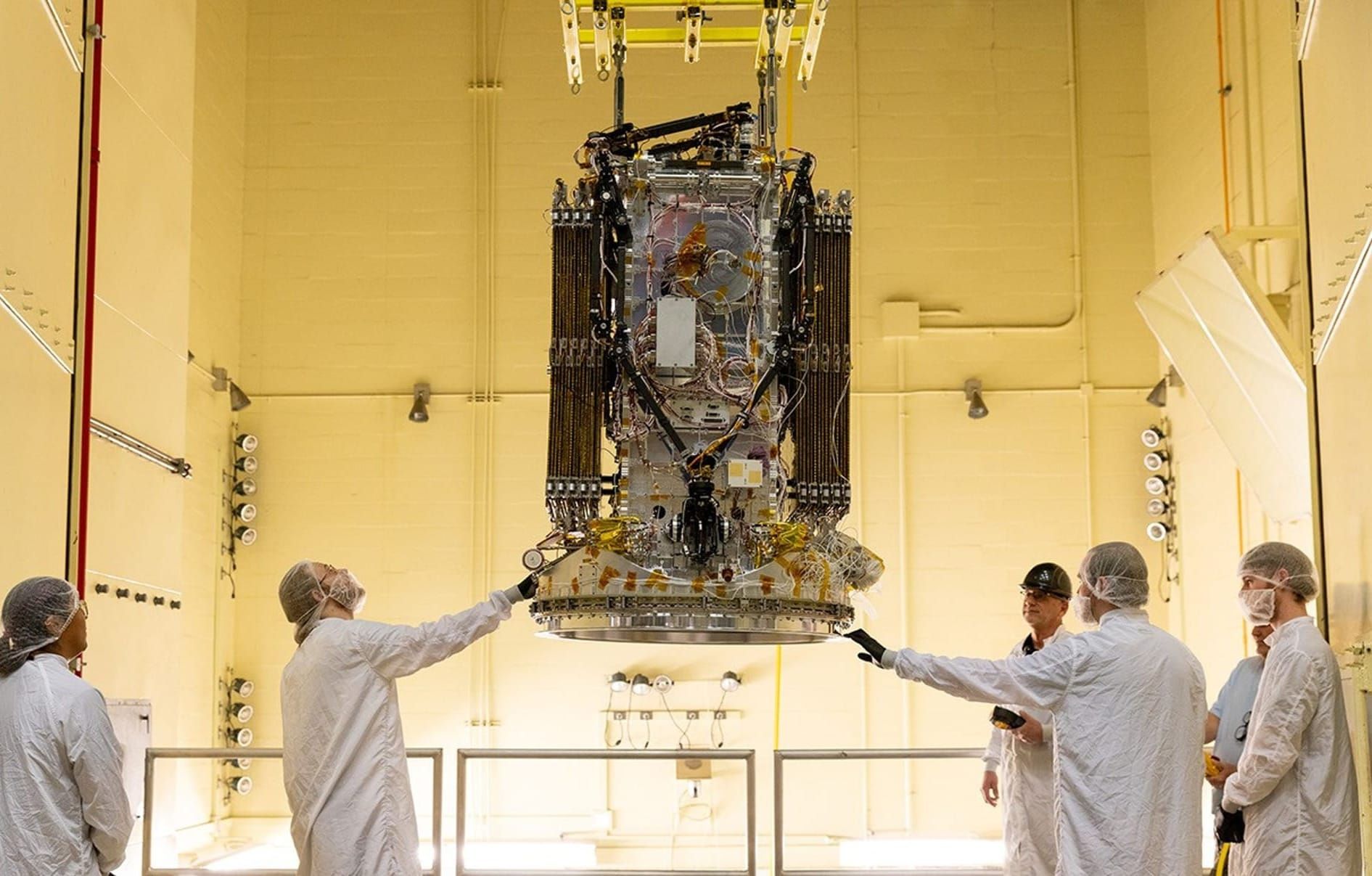
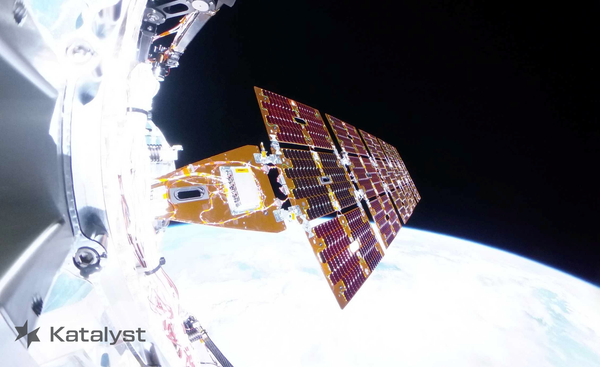
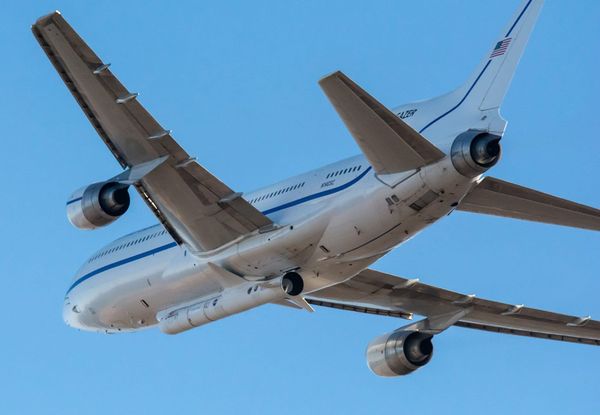
It was a hopeful night, on July 3rd, when the last Pegasus-XL carried the Katalyst Space-developed 'LINK' spacecraft into low Earth orbit to chase down NASA's Neil Gehrels Swift Observatory and boost it before it fell too far into the atmosphere.
The Swift Observatory has, to date, been in orbit since November 2004, initially to study gamma-ray bursts, and later having its tasks expanded to a wider array of astronomical observations by making use of its optical, ultraviolet, and X-ray wavelength capabilities. While operational, the telescope has been a unique part of NASA's scientific fleet.
It made sense then that NASA sought to find a way to save the telescope, providing Katalyst Space 30 million United States Dollars to do so. That culminated in the development and launch of 'LINK' in under a year. Entering orbit would, however, be as close as the savior spacecraft comes to completing its goal.
Announced on August 19th, NASA declared that attempts to boost the spacecraft would not go ahead following a series of hardware issues during the process of commissioning 'LINK'. Those issues began to be acknowledged by both parties at the end of July when it was shared that the spacecraft was in a 9 degrees per second spin caused by a loss of functionality on two reaction wheels, of the three total, and partial remaining functions with attitude control thrusters.
Earlier this month, it was detailed that the spin had been reduced to 4 degrees per second, and then further brought down to 1.47, by using around 100 grams of propellant with burns of the primary electrical propulsion system. Updated flight control software was sent to 'LINK' not long after to see if the spacecraft was able to wrestle back control using the remaining functional hardware.
Evidently, the new software could not bring sufficient control back to allow boost attempts to proceed. Commenting on the decision to call off the saving of the Swift Observatory, NASA Administrator Jared Isaacman stated:
"This is not the outcome we were working toward, but it does not change why this mission was worth attempting. The team moved with extraordinary speed to give Swift a chance to carry out more science."
While not allowed to boost the telescope, Katalyst Space still wants to head towards it, using it as a target to practice proximity operations, writing on social media:
"The Katalyst team will continue making the most of LINK’s capability and time on orbit. Our focus is on conducting rendezvous and proximity operations where possible and exercising the spacecraft to gather as much data as we can. [...] We will continue working to extract technical and operational value from the spacecraft."
Practicing that would be useful for missions and demonstration contracts the company has booked with the U.S. military.
As for when the Swift Observatory will fall into the atmosphere and be lost, NASA projects that to occur before the end of the year. It has been slowly falling for almost twenty-two years from its 600-kilometer orbit, as the telescope was designed without a propulsion system.
Luckily for scientists performing observations of gamma-ray bursts, they can still rely on NASA's eighteen-year-old Fermi Gamma-ray Space Telescope and the two-year-old Space Variable Objects Monitor from the China National Space Administration and France's Centre National d'études Spatiales.