Blue Origin Contracted for NASA's Mars Telecommunications Network

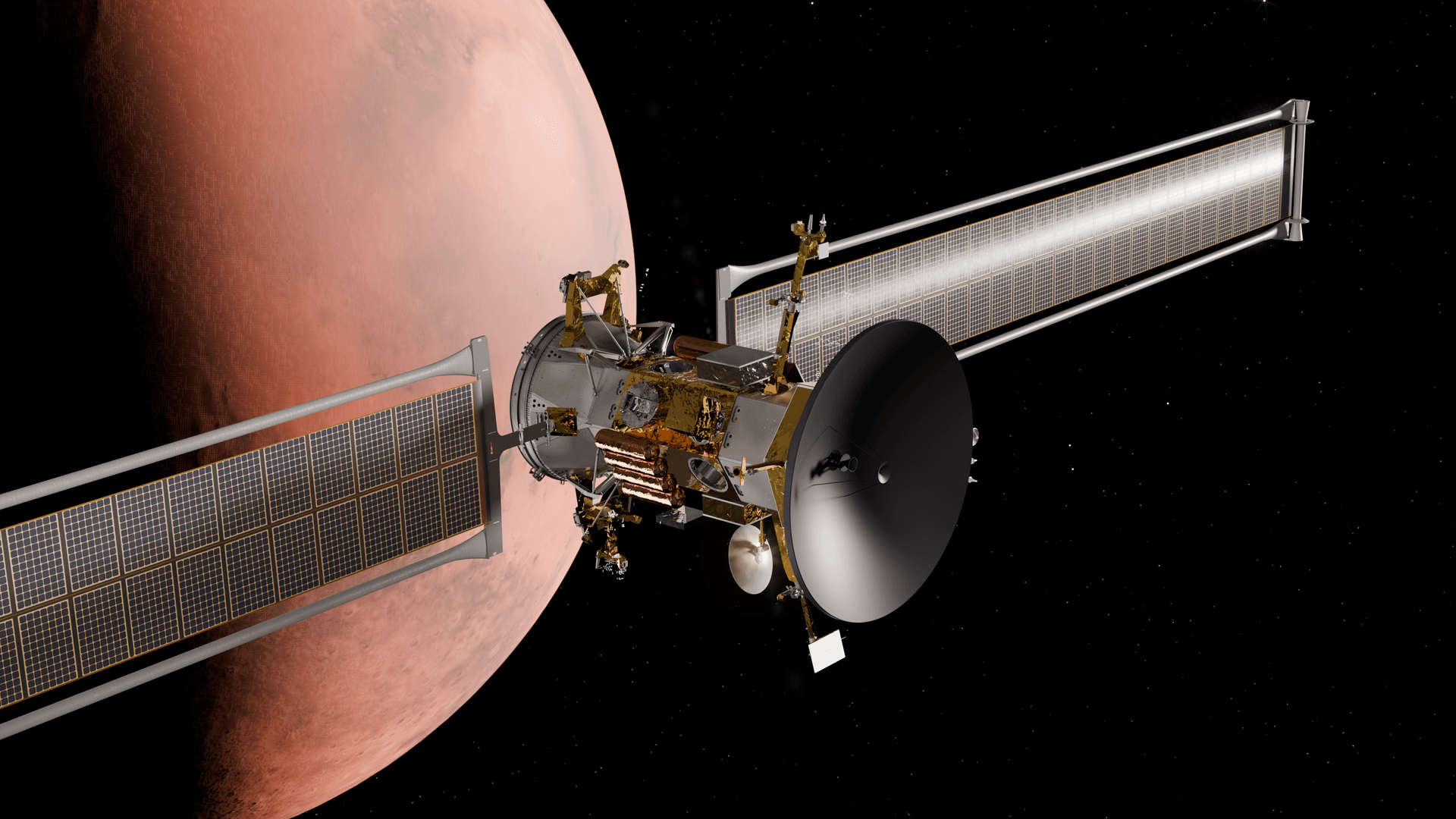
Beating out a handful of competitors over the past year, Blue Origin has been selected by NASA to build the upcoming Mars Telecommunications Network on September 1st.
According to the space agency's press release, Blue Origin will design, develop, and build a suitable network, launch it towards Mars, and then operate it in orbit before the end of 2028. NASA does not plan to have the network supporting ongoing or future missions, transmitting science data, imagery, and navigation information, until the start of 2030.
The press release makes no mention of the number of contracted spacecraft.
Through each part of the contract, which is firm-fixed-price, Blue Origin can be awarded up to 700 million United States Dollars. The money for the network came from the ‘One Big Beautiful Bill’ Act in July 2025.
In its own announcement a day later, September 2nd, Blue Origin stated that the Mars Telecommunications Network spacecraft will be based upon its multi-purpose Blue Ring vehicle. For Mars orbit, the specific vehicle will include chemical and electrical propulsion systems.
In their announcement, Blue Origin refers to the spacecraft as the 'Mars Telecommunications Orbiter' rather than a network. It also makes mention of using more than just one Blue Ring for it, stating:
"Multiple Blue Ring spacecraft are already in production, sized for a rate of four vehicles per year. Software-defined radios, orbital repositioning capability, and a forward-compatible architecture ensure the network grows ... Each future Blue Ring vehicle will advance [the] network and reinforce America’s leadership on Mars."
It's unclear how many of them will make up the network, and what number of them will be under contract for NASA. Blue Origin does speak of enabling near-constant communications to any spacecraft on or around Mars.
Boasting about the NASA contract, Blue Origin's President of National Security, Tory Bruno, shared:
"[Mars Telecommunications Orbiter] is the backbone of America's Mars exploration program for the next decade and beyond and will provide the reliable communications capacity that will keep future robotic and human missions connected to each other and to Earth. This awarded contract is a testament to the Blue Origin team that has been building Blue Ring with exactly this kind of mission in mind. We're ready, and so is the hardware."
Hardware for the contract is already in production, with four Blue Ring's known to be in active work, with the last being Mars-bound. The first of them is currently undergoing testing. No schedules for production and launch are known for the spacecraft.
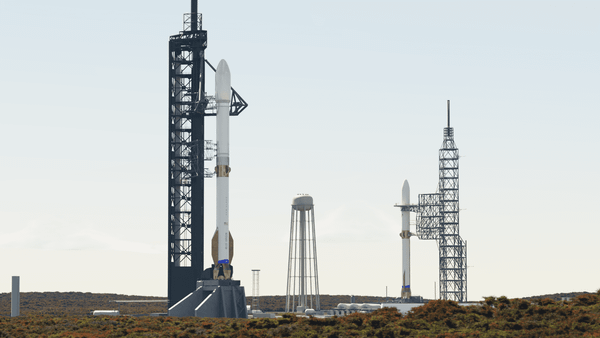
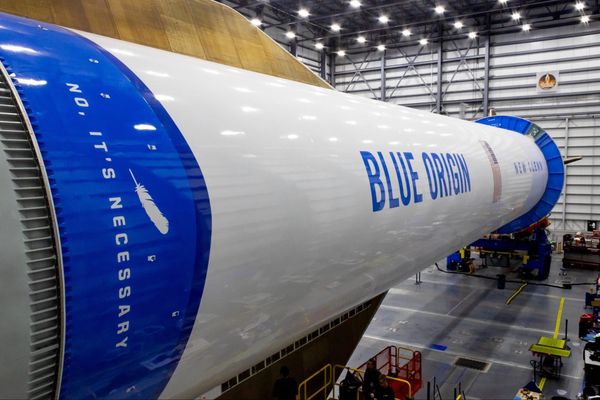
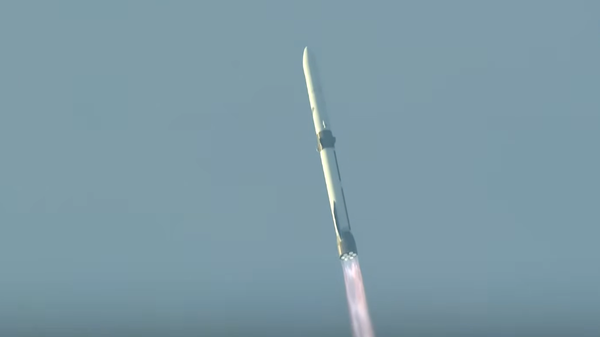
At the time of publication, Blue Origin has no suitable launch pad to send its 'Mars Telecommunications Orbiter' towards Mars atop of its New Glenn rocket. Launch Complex 36A is currently being rebuilt following a devastating explosion in May during a first-stage booster static fire. The company hopes to be flying New Glenn again by year's end. Should the launch pad not be ready in time, Blue Origin says that Blue Ring-based spacecraft are launcher-agnostic, provided they have a 5-meter-diameter payload fairing.
Ok. By popular demand, here’s the next few Blue Rings on the production line after BR-1
— Tory Bruno (@torybruno) September 2, 2026
BR-2, 3, & 4… pic.twitter.com/HHzchgRZIz