
Blue Origin shared on August 12th that it plans to establish a second New Glenn launch pad in Florida, without providing a timeline for when.
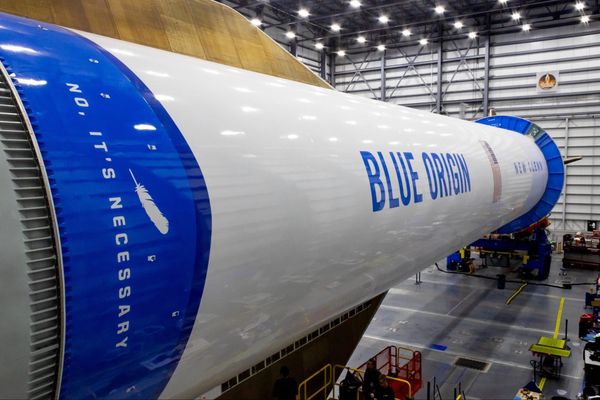
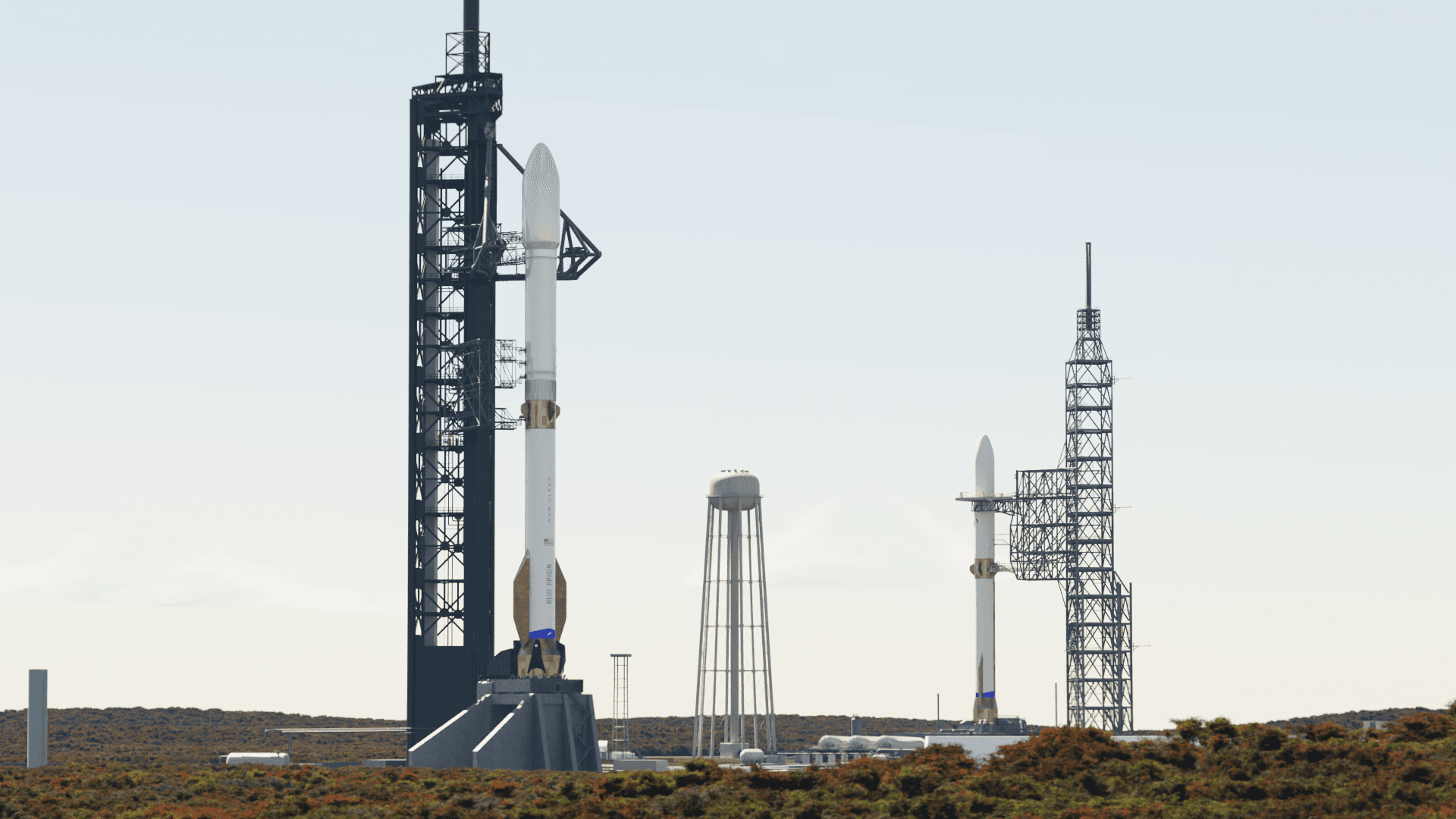
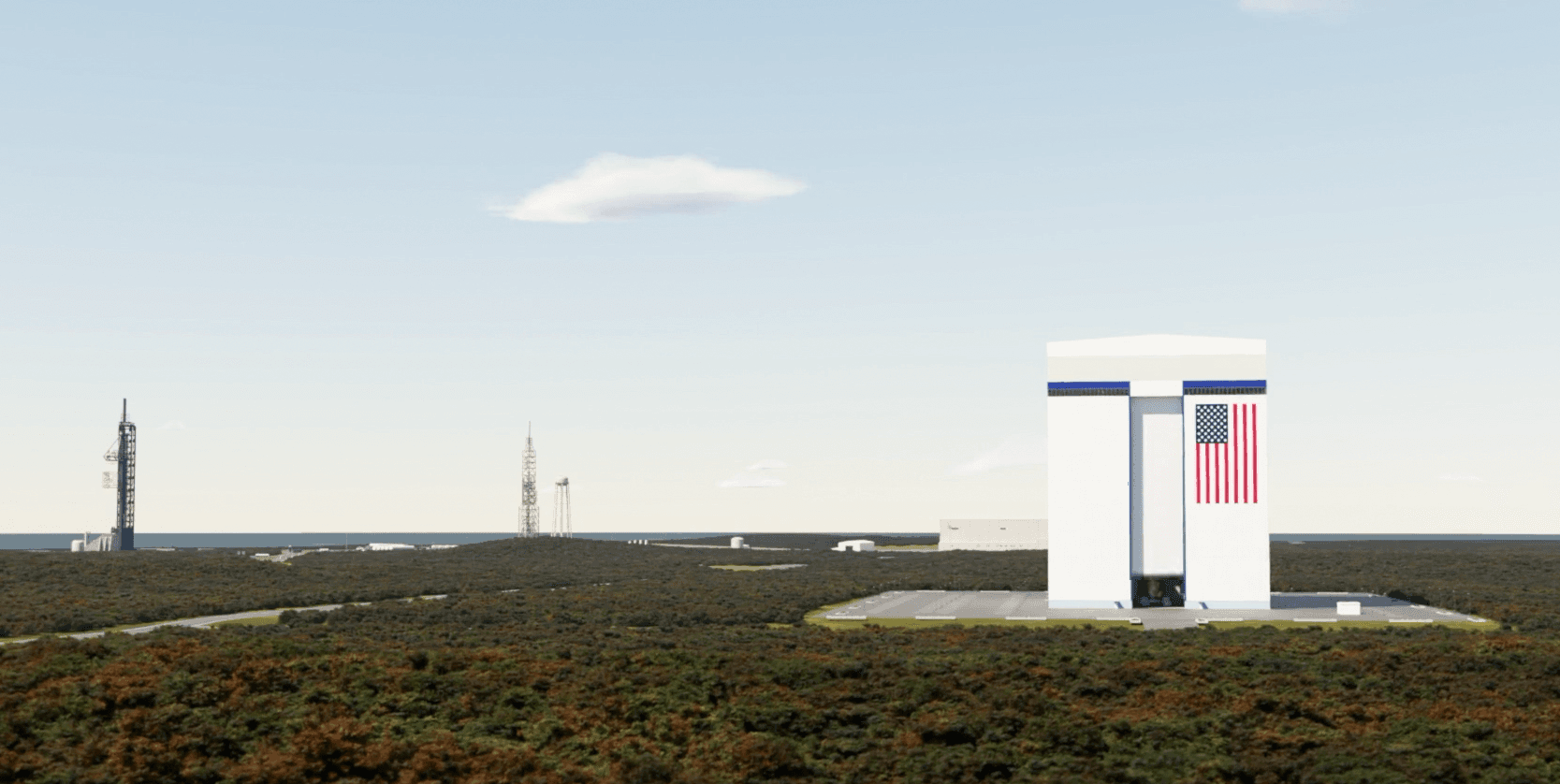
The new launch pad, dubbed Launch Complex 36B, would be just to the north of the existing Launch Complex 36A, while being exclusively used by New Glenn's larger variant known as 9x4. Named after its first and second stage engine layout, that launch vehicle is set to stand around 122 meters tall and lift up to 70,000 kilograms of payload into low Earth orbit, stored within a giant 8.7-meter-wide fairing.
Over the coming years, Launch Complex 36B will see a roughly 213-meter-tall launch support tower rise to provide New Glenn 9x4 with propellant and other commodities. Dave Limp, Chief Executive Officer of Blue Origin, wrote the following on social media about tower construction plans:
"[A dedicated team] is beginning work on Laucnh Complex 36B, the operational home for New Glenn's 9x4. We're sourcing 2,500 tons of steel columns that will be integrated with beams and bracing to form 50-foot x 50-foot x 50-foot modules."
The launch vehicle itself will stand atop of a large launch platform and partly above-ground flame diverter. It's unclear, at present, how the vehicle will be placed onto that platform.
Efforts to establish the new launch pad have been underway since the start of the year, known thanks to imagery captured from orbit and U.S. Federal Aviation Administration filings.
In support of New Glenn 9x4 operations, Blue Origin also plans to build a sizeable Vertical Integration Facility to prepare the launch vehicle for flight, after which it will then be driven to Launch Complex 36B. That building will house a Payload Processing Facility for both versions of New Glenn, and will be supported by the U.S. government to meet needs for military missions.
Launch Complex 36A is still in pieces
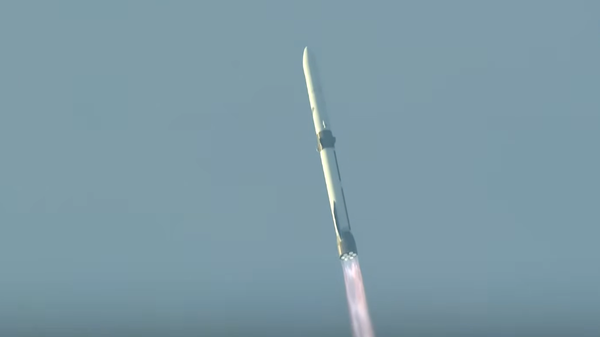
Back at the end of May, the fourth New Glenn 7x2 launch vehicle exploded atop of Launch Complex 36A during a pre-flight static fire, destroying itself and massively damaging the site. That included the collapse of one of the launch towers, the complete loss of its transporter-erector, and the collapse of the launch platform, but not destroying a water storage tower or the launch vehicle's Horizontal Integration Facility.
Cleanup work at Launch Complex 36A began at the start of June with large cranes put together at the site just before the month concluded. Those were then used to take apart the surviving, although damaged, launch tower as well as to lift out pieces of the launch platform that fell into the flame trench. As of early August, hardware is still being repaired and equipped for a different launch preparation plan.
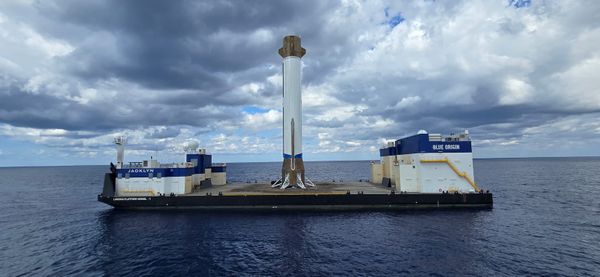
To return to flight as fast as possible, New Glenn 7x2 is planned to ditch its transporter-erector in favor of a crane that will lift a joined first and second stage into a vertical position and onto a new launch platform. A fairing will then be placed atop of that after those stages have been bolted down and attached to commodity supply systems, now on arms on the launch tower. Those operations have already been partly practiced when taking a first-stage off the drone ship 'Jacklyn'.
Blue Origin hopes to have Launch Complex 36A back online before the end of the year, with either a New Glenn 7x2 ready to fly or flown too. Disclosed information from the explosion investigation points towards a simple fix on hardware that was in storage or production beforehand.
Destacking of the vehicle access tower is complete. We removed the top six modules to begin integrating fluids and controls as part of our new ConOps. This includes adding cryo systems, pneumatics, and mechanisms. We’ll also add in floors for access before we begin re-stacking.… pic.twitter.com/N4FfObKqTg
— Dave Limp (@davill) July 27, 2026