Weekly Dose of Space (5/7-11/7)

Welcome back to Weekly Dose of Space! This week had six launches taking place worldwide, with one being the debut of a reusable rocket. News from this week has seen preparations for another Starship-Super Heavy flight and the first rocket launch from continental Europe. As always, we'll also look ahead to what the worldwide launch schedule might look like next week.
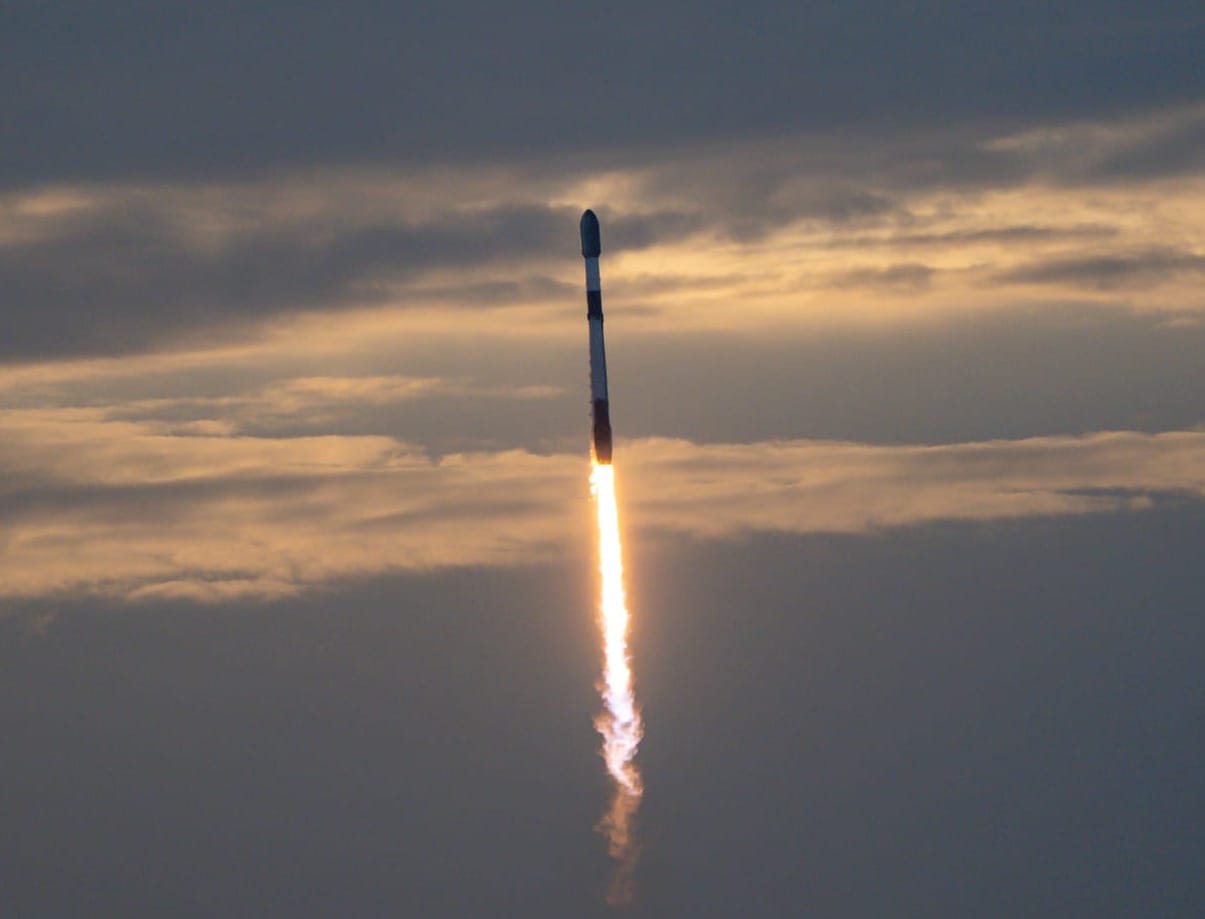
July 5th - Falcon 9 with Starlink Group 10-50
A Falcon 9 flew from Space Launch Complex 40, in Florida, and into low Earth orbit with twenty-nine Starlink satellites. Supporting this launch was booster B1090 for its thirteenth flight, landing downrange on the drone ship 'A Shortfall Of Gravitas'.
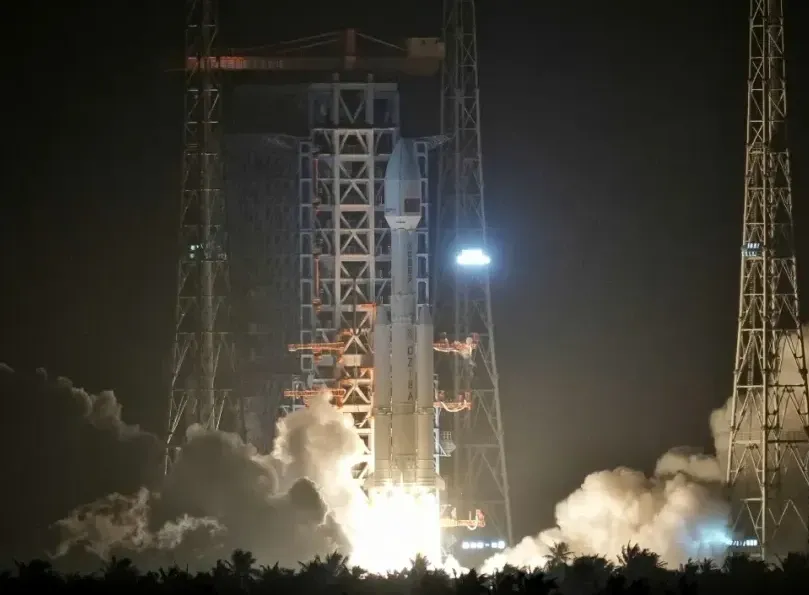
July 5th - Long March 8A with 14th Qianfan Group
From the Wenchang Commercial Space Launch Site, a Long March 8A carried twenty Qianfan connectivity satellites into low Earth orbit as part of the constellation's fourteenth deployment. This launch brings Qianfan's total satellite count up to 238.
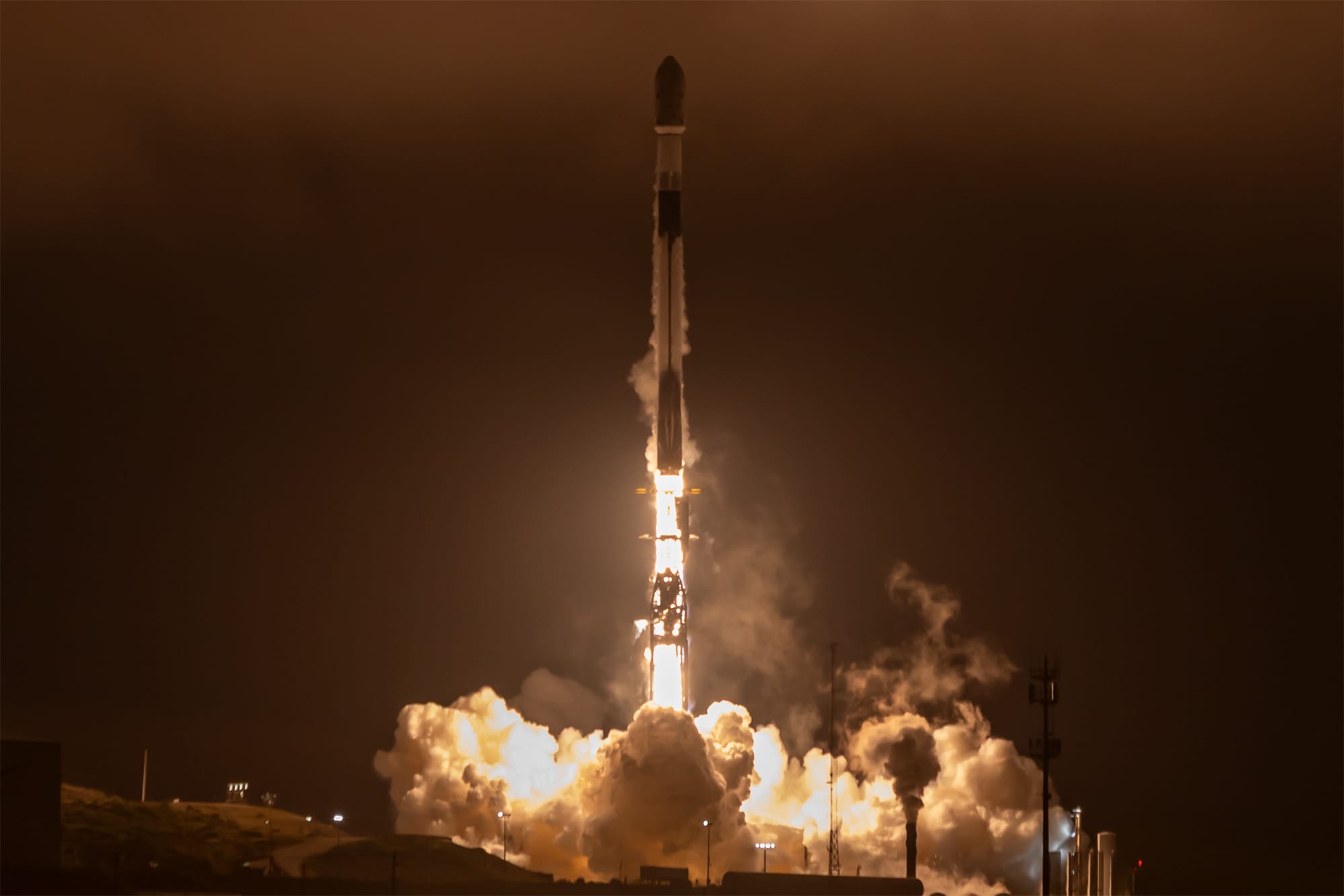
July 7th - Falcon 9 for Transporter-17
SpaceX performed its latest Transporter sun-synchronous orbit rideshare mission from Space Launch Complex 4E, in California, delivering eighty-one small satellites. Booster B1097 supported this mission for its eleventh flight, with a landing on the drone ship 'Of Course I Still Love You' downrange.
July 9th - Falcon 9 with Starlink Group 10-42
Twenty-nine more Starlink satellites were placed into low Earth orbit via a Falcon 9 flying from Space Launch Complex 40. For a record-extending thirty-sixth time, booster B1067 supported this launch and landed downrange on the drone ship 'A Shortfall Of Gravitas'.
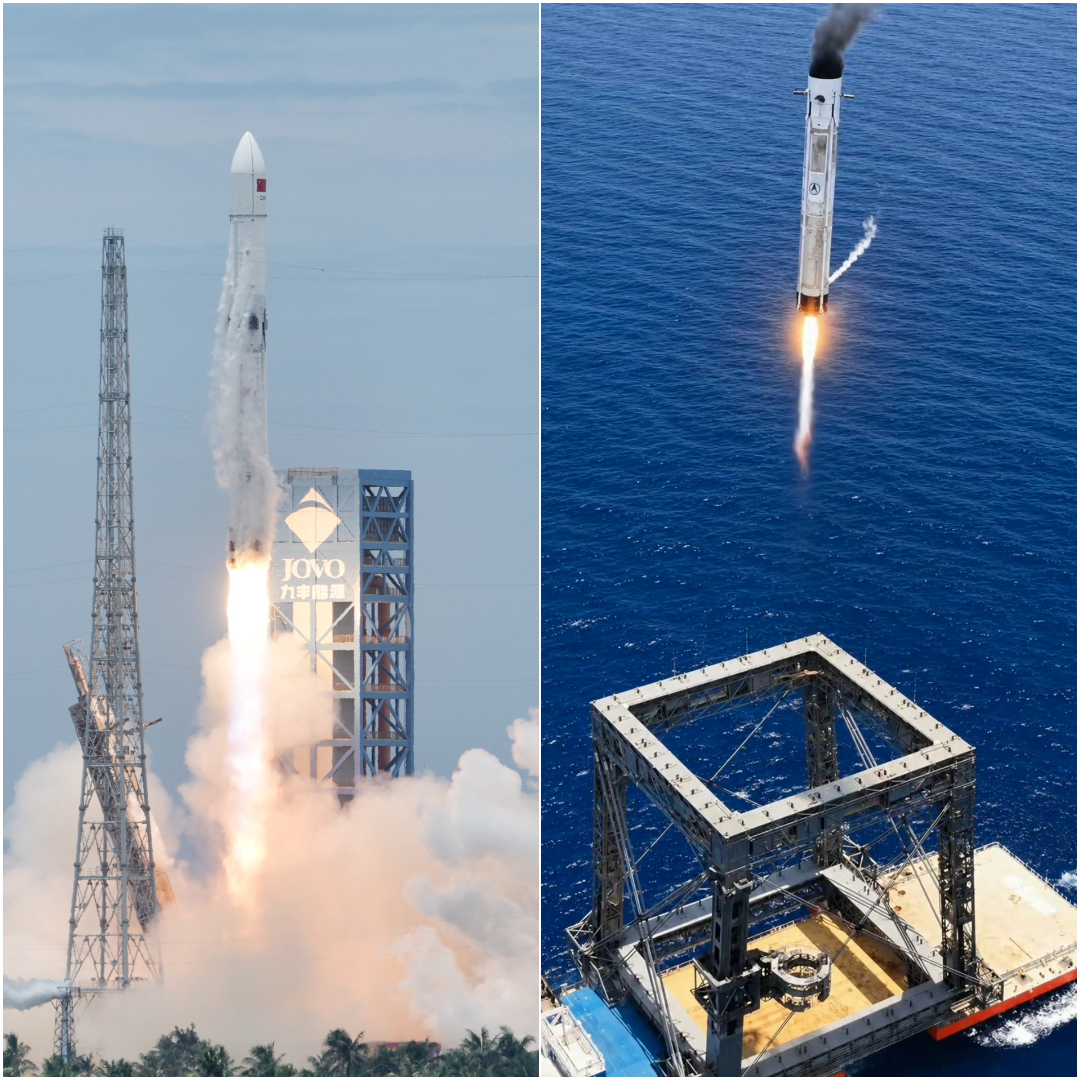
July 10th - Long March 10B for its debut flight
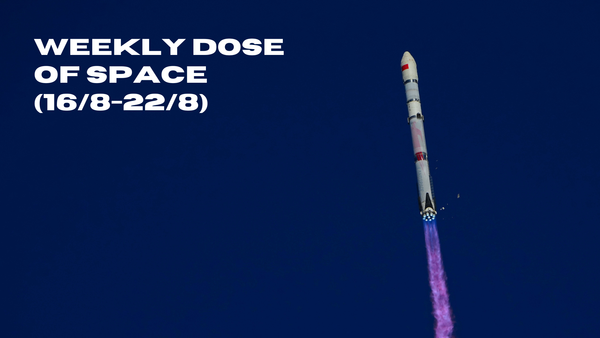
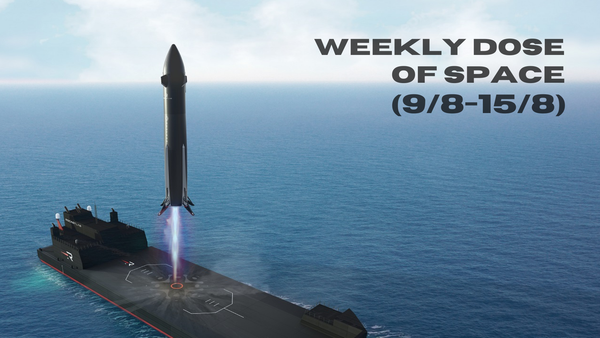
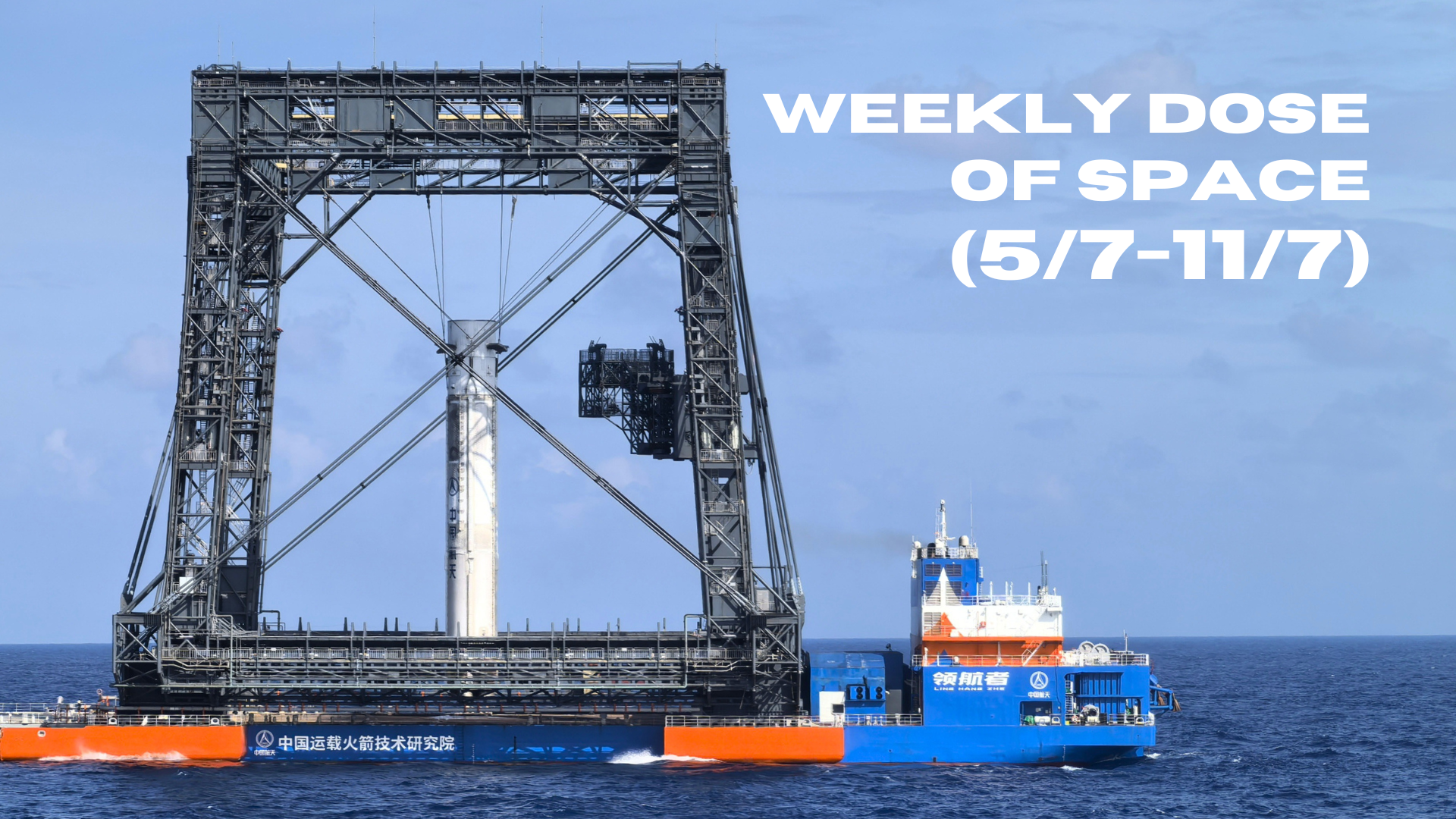
The China Academy of Launch Vehicle Technology's Long March 10B successfully performed its debut flight with a launch from the Wenchang Commercial Space Launch Site, bringing the experimental connectivity satellite ‘Chuangxin-26' into low Earth orbit. In a first for China, the first-stage booster of the rocket was recovered with a catch downrange aboard the drone ship 'Linghangzhe'.
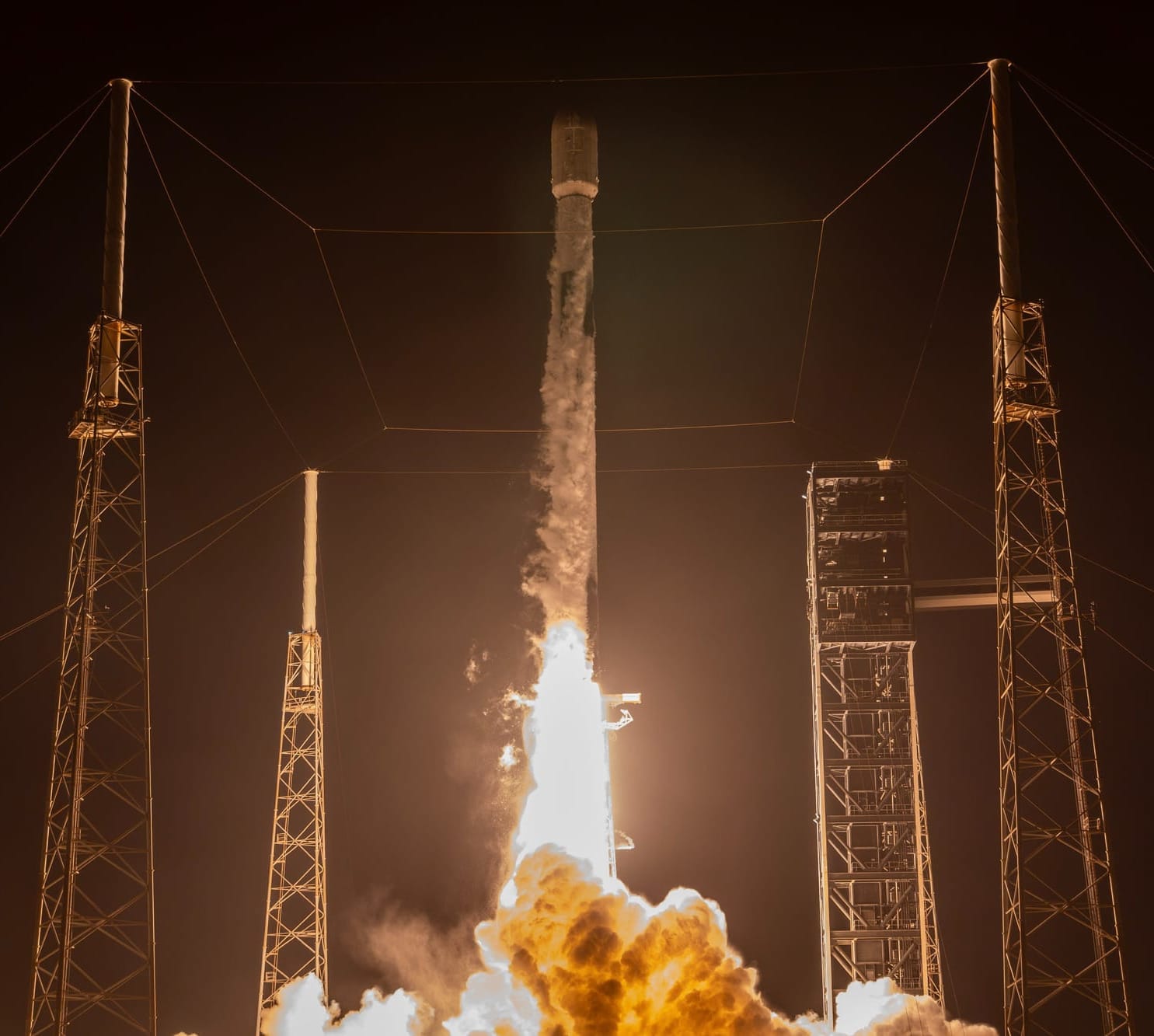
July 11th - Falcon 9 with Starlink Group 17-48
Another Falcon 9 brought twenty-four more Starlink satellites into low Earth orbit from Space Launch Complex 4E. Booster B1071 supported this mission, flying for the thirty-fifth time and touching down on the drone ship 'Of Course I Still Love You' downrange.
Falcon 9 launches 24 @Starlink satellites from California pic.twitter.com/GFTu2q8Php
— SpaceX (@SpaceX) July 11, 2026
In Other Space News
Super Heavy Booster 20 fires up ahead of flight
Full-duration, 33-engine static fire of Super Heavy V3 pic.twitter.com/JFdGYqEvww
— SpaceX (@SpaceX) July 10, 2026
Building on recent progress towards Starship-Super Heavy's thirteenth flight test, Booster 20 fired up its thirty-three 'Raptor 3' engines for its 'full duration' static fire on July 10th, proving its systems ahead of flight. That is believed to have taken place as planned, although preparations are underway to bring the booster to the production site for final inspections.
In the near future, Ship 40 will be loaded with twenty demonstrative Starlink satellites and then brought to the second launch pad at Starbase, being placed atop of Booster 20 for flight. The upcoming flight test will be to fulfill missed testing criteria from the previous flight, which must be completed before a 'Block 3' vehicle heads into orbit.
At present, the thirteenth flight test is expected to occur as early as July 16th.
First continental European launch targeting August
European Spaceflight reports, citing notices from the Saxavord Spaceport, that Germany's Rocket Factory Augsburg is preparing to perform the first flight of its RFA ONE rocket as soon as August 10th, with backup opportunities running into mid-September. In recent weeks, the company has completed integration of the first stage, which needs to be static-fired ahead of flight.
Back in August 2024, RFA ONE was progressing well, as all three stages were at the launch site, with its first flight campaign until its first-stage exploded on its launch pad while attempting a static fire. That was caused by a fire in one of the nine Helix engines' turbopumps while rocket-grade kerosene and liquid oxygen were flowing.
In the almost two years since the static fire anomaly, Rocket Factory Augsburg has replaced the first-stage with a new one, which integrates many improvements, and received a launch license at the start of 2025. That license was granted by the United Kingdom's Civil Aviation Authority, which regulates flights from the Saxavord Spaceport.
What to Expect Next Week
July 14th - Falcon 9 with Starlink Group 15-14
A Falcon 9 is set to place a new batch of Starlink satellites into low Earth orbit from Space Launch Complex 4E.
July 14th - Falcon 9 with Starlink Group 10-45
More Starlink satellites are set to be placed into low Earth orbit by a Falcon 9 flying out of Space Launch Complex 40.
July 14th - Soyuz 2.1a for MS-29
Russia's Soyuz rocket is set to begin the Soyuz MS-29 mission to the International Space Station, carrying cosmonauts Pyotr Dubrov, Anna Kikina, and NASA astronaut Anil Menon, with a launch from the Baikonur Cosmodrome.
July 16th - Falcon 9 for Tranche-1
From Space Launch Complex 4E, Falcon 9 is set to launch a set of twenty-one satellites into polar orbit on behalf of the U.S. Space Development Agency, part of the nation's military, for its 'Proliferated Warfighter Space Architecture' communications constellation.
July 16th - Starship-Super Heavy for its thirteenth flight test
SpaceX is preparing to fly its in-development fully reusable Starship-Super Heavy vehicle for the thirteenth time as part of its latest suborbital test flight, launching from Starbase, Texas, and hoped to conclude off the coast of Australia.
July 17th - Long March 7A with a to-be-annouced satellite
A Long March 7A is set to fly towards geostationary space from the Wenchang Space Launch Site to deliver a yet-to-be-revealed satellite.
July 17th - Electron with LOXSAT-1
Rocket Lab's Electron rocket is working to fly from the Māhia Peninsula in New Zealand to deliver NASA's LOXSAT-1 into low Earth orbit to demonstrate cryogenic propellant management systems.
July 18th - Vikram-1 for its debut flight
Commercial Indian rocket maker Skyroot is set to debut its majority-solid Vikram-1 launch vehicle from the Satish Dhawan Space Centre with a flight into low Earth orbit carrying four payloads.
July 18th - Falcon 9 with Starlink Group 17-39
Even more Starlink satellites are planned to be added to low Earth orbit via a Falcon 9 flying out of Space Launch Complex 4E.