
Welcome back to Weekly Dose of Space! Last week had seven launches occurring globally, with four for three different space-based connectivity services. News of the week had testing for the next Starship-Super Heavy flight and China preparing to attempt two more booster recoveries. As always, we'll also look ahead to what the worldwide launch schedule might look like next week.
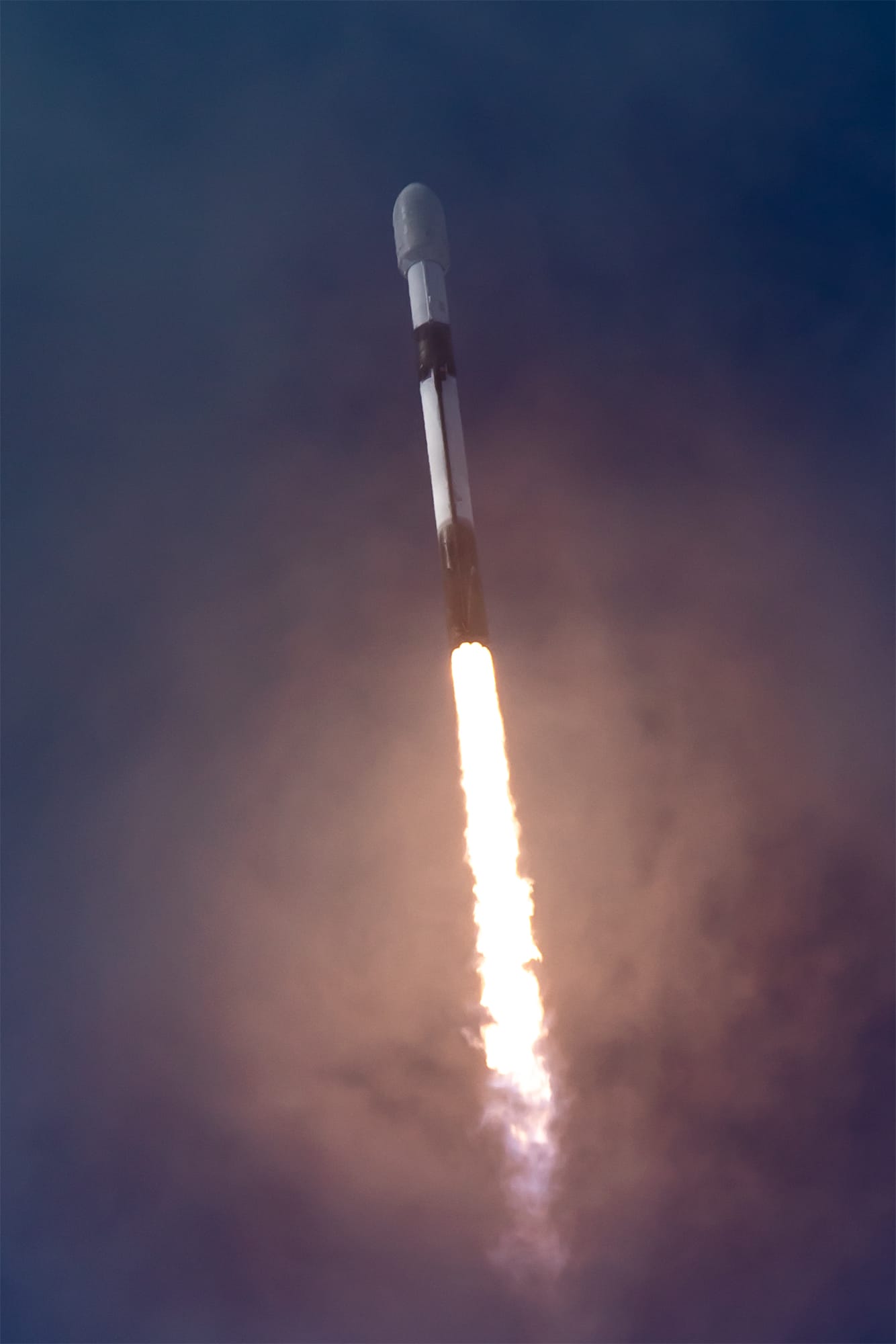
June 28th - Falcon 9 with Starlink Group 17-40
Twenty-four Starlink satellites were placed into low Earth orbit via a Falcon 9 flying from Space Launch Complex 4E, in California. Supporting this launch was booster B1088 for its seventeenth mission, landing downrange on the drone ship 'Of Course I Still Love You'
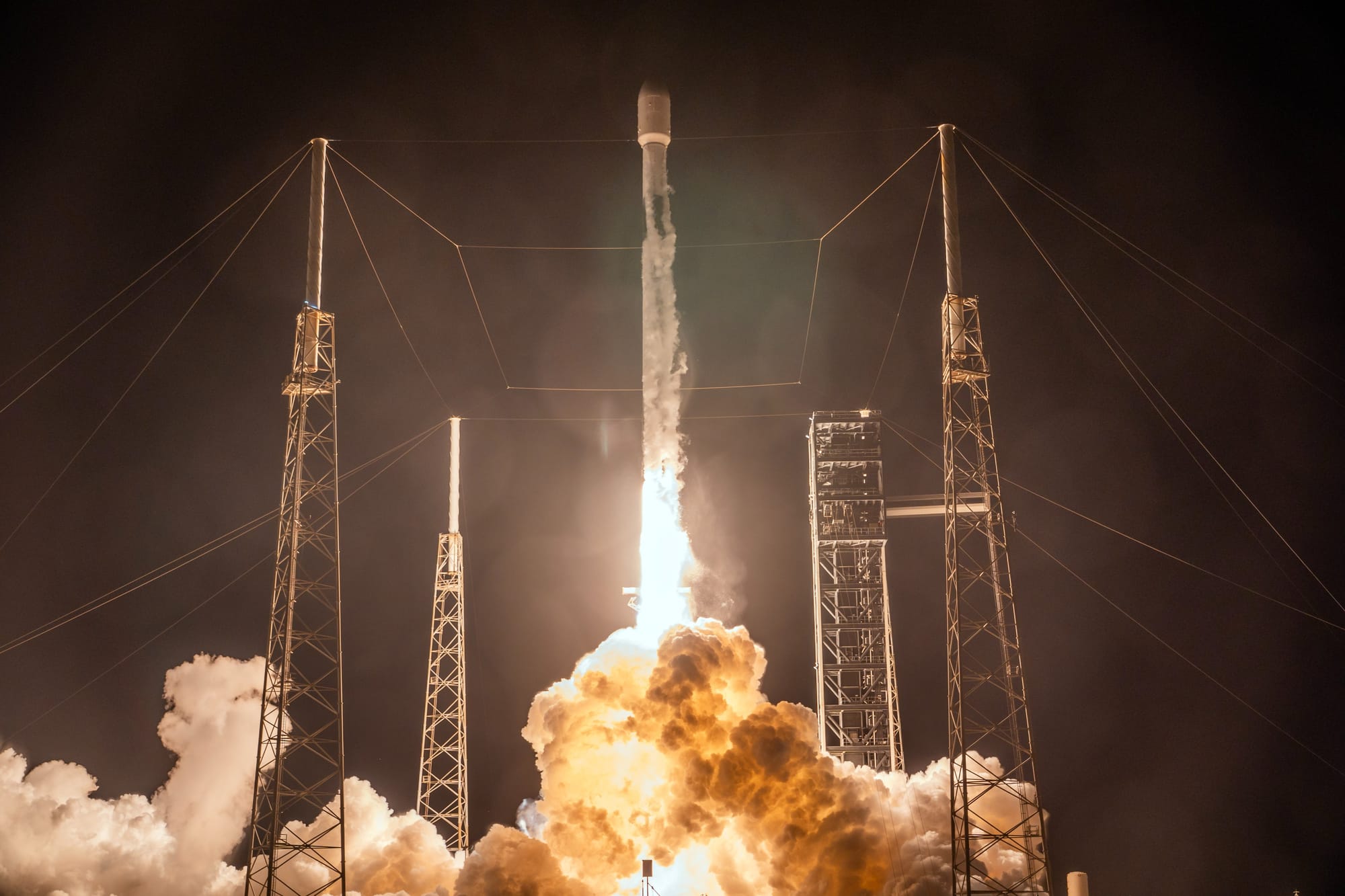
June 29th - Falcon 9 with SXM-11
From Space Launch Complex 40, in Florida, a Falcon 9 carried SiriusXM's eleventh high-powered satellite to a geostationary transfer orbit to expand the customer's broadcast services. Booster B1085 supported this mission, also flying for a seventeenth time, with a landing on the drone ship 'A Shortfall Of Gravitas' downrange.
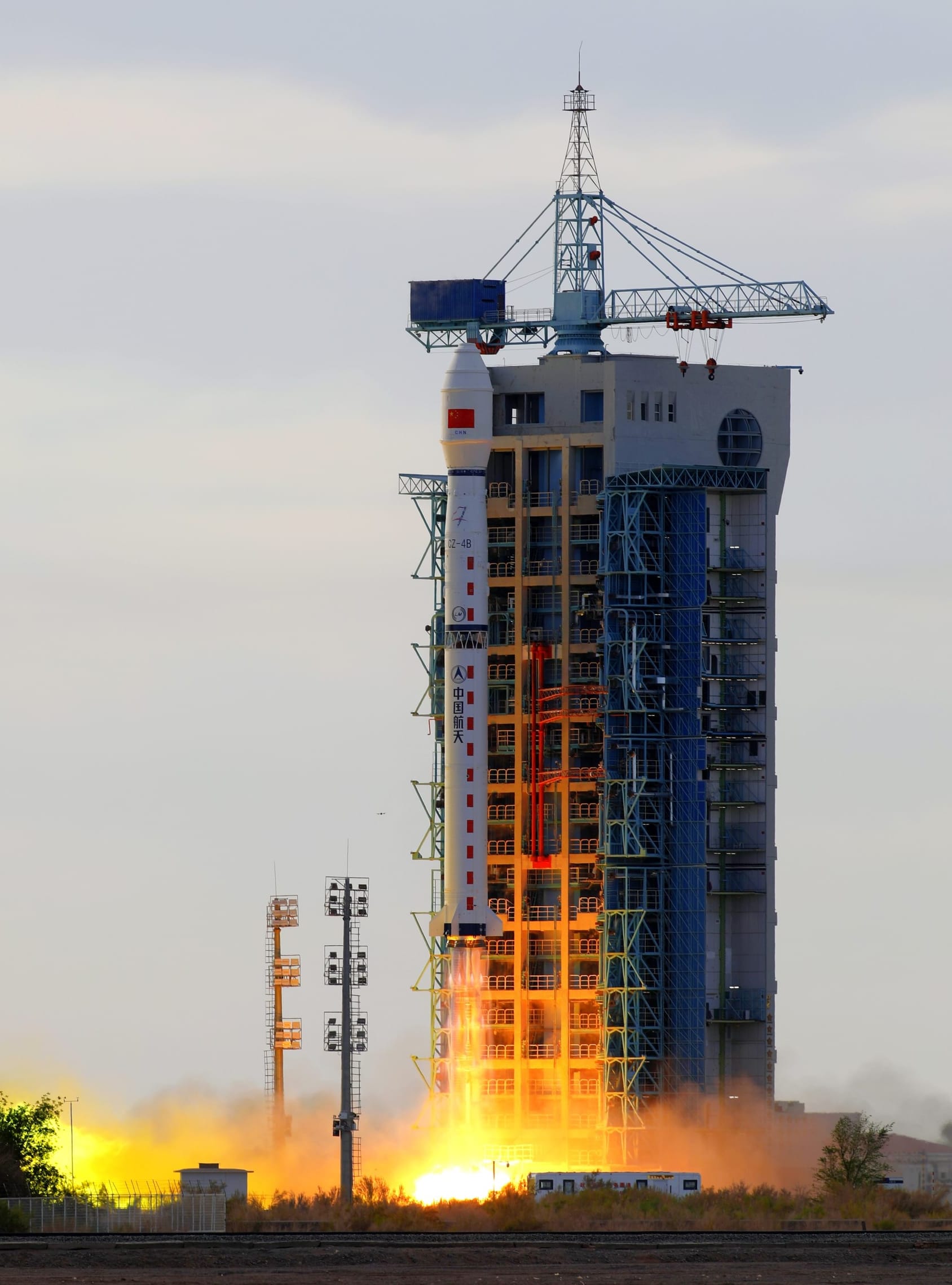
July 1st - Long March 4B with Haiyang-2E
Out of the Jiuquan Satellite Launch Center, the Haiyang-2E ocean monitoring satellite was delivered to low Earth orbit via a Long March 4B. Haiyang-2E is set to examine the environment of the world’s oceans, measuring their waves, temperatures, and winds.
July 2nd - Falcon 9 with Starlink Group 17-46
Another twenty-four Starlink satellites were added to low Earth orbit via a Falcon 9 flying from Space Launch Complex 4E. Supporting that mission was booster B1100 for its seventh flight, later touching down on the drone ship 'Of Course I Still Love You'.
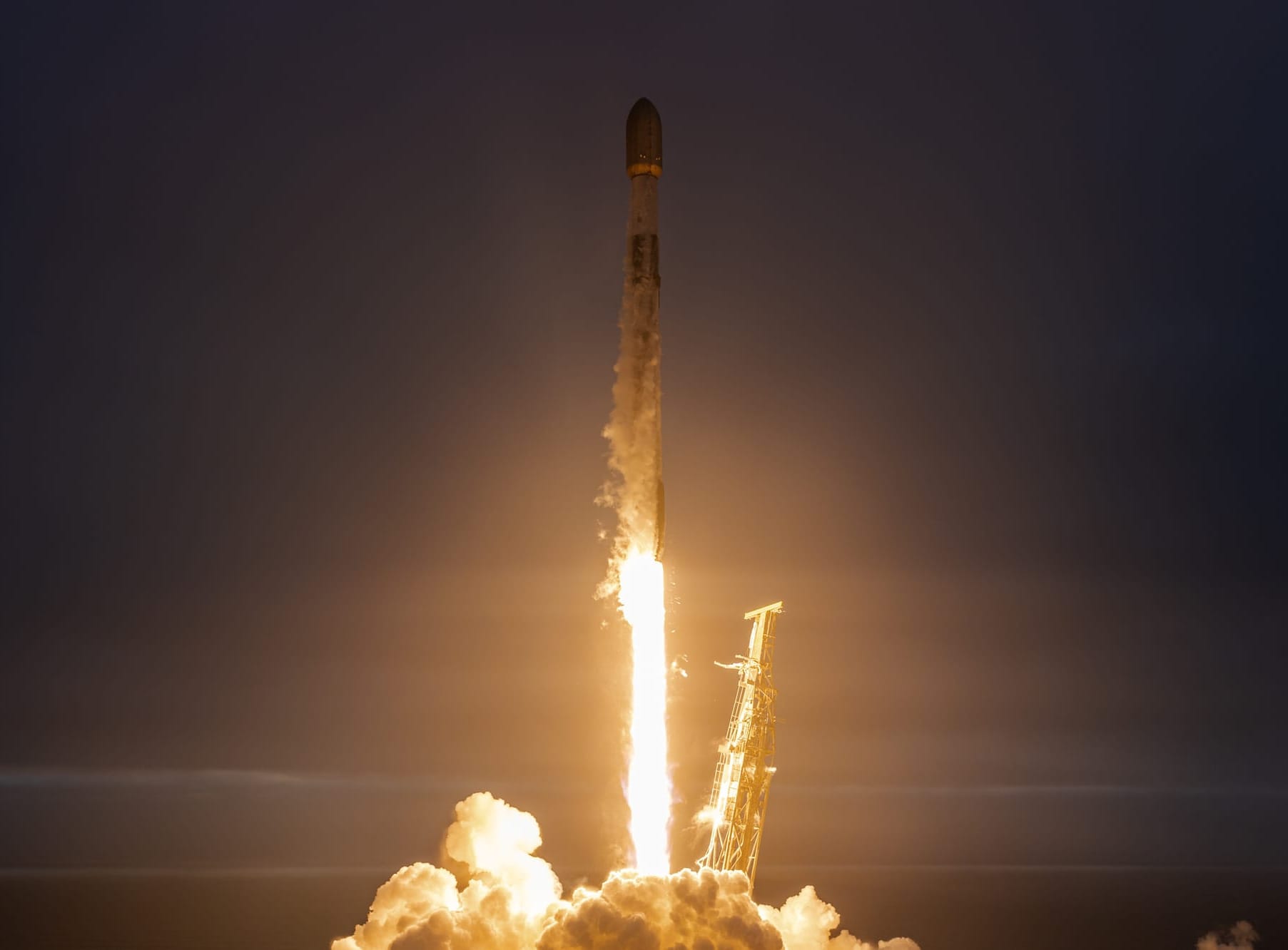
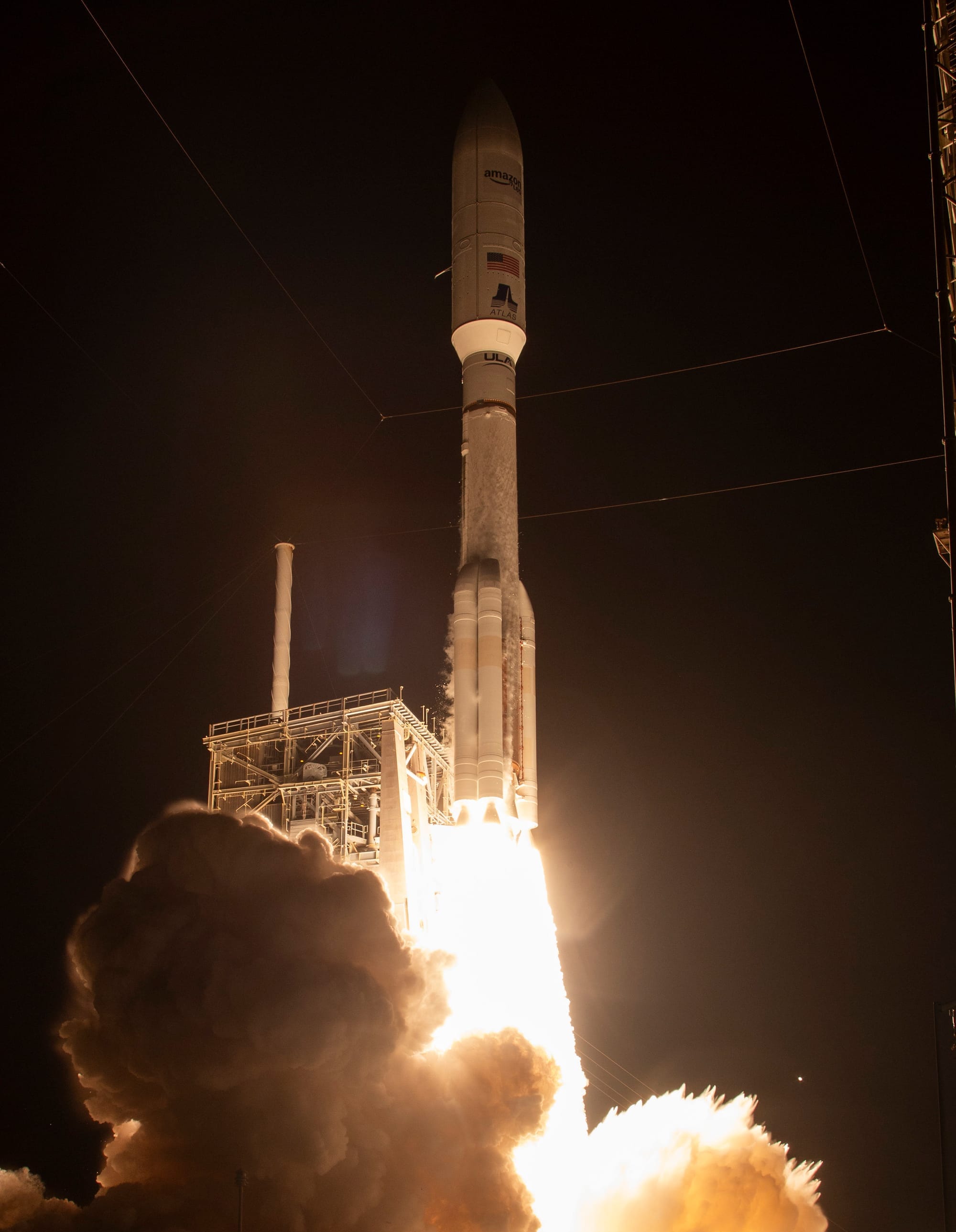
July 2nd - Atlas V for LA-08
United Launch Alliance's Atlas V flew with five solid rocket boosters and its five-meter-wide fairing for the final time to deliver twenty-nine Amazon Leo satellites into low Earth orbit from Space Launch Complex 41, in Florida. Thanks to that, the space-based internet constellation now has 396 satellites in space.
July 3rd - Pegasus-XL to boost the Swift Observatory
Northrop Grumman's last Pegasus-XL also flew this week, to bring the Katalyst Space-built 'LINK' spacecraft into low Earth orbit. That spacecraft is set to chase down and boost the orbit of NASA's twenty-one-year-old Neil Gehrels Swift Observatory.
July 4th - Long March 6A with Qianfan's 13th Group
A Long March 6A lifted off from the Taiyuan Satellite Launch Center to bring the newest group of Qianfan space-based connectivity satellites into low Earth orbit. That saw eighteen more satellites deployed, bringing the constellation up to 218 launched.
Another eighteen Qianfan satellites, the thirteenth group to date, are now in orbit thanks to a Long March 6A mission from the Taiyuan Satellite Launch Center earlier today
— Phazzee 🐼🚀 | 中国航天 🇨🇳 | 🇵🇸🏳️⚧️🏳️🌈 (@PhazzeeYeehaw) July 4, 2026
Details -> https://t.co/WrdKeVqSZu pic.twitter.com/mhGdyWK3uS
In Other Space News
Starship-Super Heavy conducts tests ahead of next test flight
Starship 60-second static fire ahead of the thirteenth flight test pic.twitter.com/HKZkaXo7WN
— SpaceX (@SpaceX) July 2, 2026
Ahead of the second flight of a 'Block 3' Starship-Super Heavy, testing of the necessary hardware has been occurring in South Texas. For that, Ship 40 has been taken to and from the Massey's test site a few times for testing of its 'Raptor 3' engines, which saw a single-engine test on June 2nd and a six-engine one on June 26th.
At the same time, the second 'Block 3' Super Heavy, Booster 20, has performed its early tests required ahead of flight. Those were for cryogenic proof testing, loading propellant lines and tanks with cold gases, to prove it had been properly manufactured. A thirty-three-engine static fire of the 'Raptor 3' engines still needs to occur in the near future.
At present, SpaceX is believed to be working towards performing Starship-Super Heavy's thirteenth flight test near the end of the month. The flight test will be to fulfill missed testing criteria from the previous flight, which must be completed before a 'Block 3' vehicle heads into orbit.
China to prove reusable rocket systems by months end
Since last December, launch firms in China, commercial and state-owned, have been flying their first to-be-reusable rockets as part of the last needed steps of development. Rockets flown for that, which are yet to have recovered a first-stage booster, include LandSpace's Zhuque-3, CAS Space's Kinetica-2, Space Pioneer's Tianlong-3, as well as the Shanghai Academy of Spaceflight Technology's Long March 12A and Long March 12B.
In the months since those firsts, LandSpace has completed its second Zhuque-3, placing it on its Jiuquan Satellite Launch Center pad for a static fire. That static fire took place on June 29th, firing its engines for over a dozen seconds, clearing the way for flight, which is expected to occur in the second half of the month. The flight will see a first-stage booster recovery attempt, touching down like a Falcon 9 on a landing pad a few hundred kilometers downrange.
Meanwhile, the China Academy of Launch Vehicle Technology is looking to recover a first-stage booster during July, too. Its effort is through the debut flight of the Long March 10B, five meters in diameter and over seventy meters tall, from the coastal Wenchang Commercial Space Launch Site no earlier than July 10th, with preparations having been underway since April. A recovery attempt of the Long March 10B's booster will be enabled by a catch, via tensioned steel wires, on the autonomous drone ship ‘Linghangzhe'.
Either of the rocket's first-stages are quite likely to be successfully recovered this month, as LandSpace has incorporated what they learned from Zhuque-3's December flight and Long March 10 series booster systems have been trialled, alongside 'Linghangzhe', through a February test flight, part of Mengzhou's abort system verification. Whichever is successfully recovered first will become China's first 'operational' reusable rocket.
What to Expect Next Week
July 5th - Falcon 9 with Starlink Group 10-50
A Falcon 9 is set to fly from Space Launch Complex 40 to bring a new batch of Starlink satellites into low Earth orbit.
July 5th - Long March 8 with Qianfan's 14th Group
The fourteenth group of Qianfan space-based connectivity satellites are preparing to be placed into low Earth orbit by a Long March 8A flying from the Wenchang Commercial Space Launch Site.
July 7th - Falcon 9 for Transporter-17
SpaceX will deliver eighty small satellites and spacecraft into sun-synchronous orbit from Space Launch Complex 4E as part of its Transporter rideshare program.
July 9th - Falcon 9 with Starlink Group 10-42
Another set of Starlink satellites will be added to low Earth orbit via a Falcon 9 flying from Space Launch Complex 40.
July 10th - Long March 10B for its debut flight
The China Academy of Launch Vehicle Technology is working to fly the first member of the Long March 10 series through the inaugural mission of the partially reusable Long March 10B, from the Wenchang Commercial Space Launch Site.
July 11th - Falcon 9 with Starlink Group 17-48
Yet another Falcon 9 will fly from Space Launch Complex 4E to place more Starlink satellites into low Earth orbit.
Join the discussion
Commenting is available to paid members.
View membershipSign in