Weekly Dose of Space (31/5-6/6)

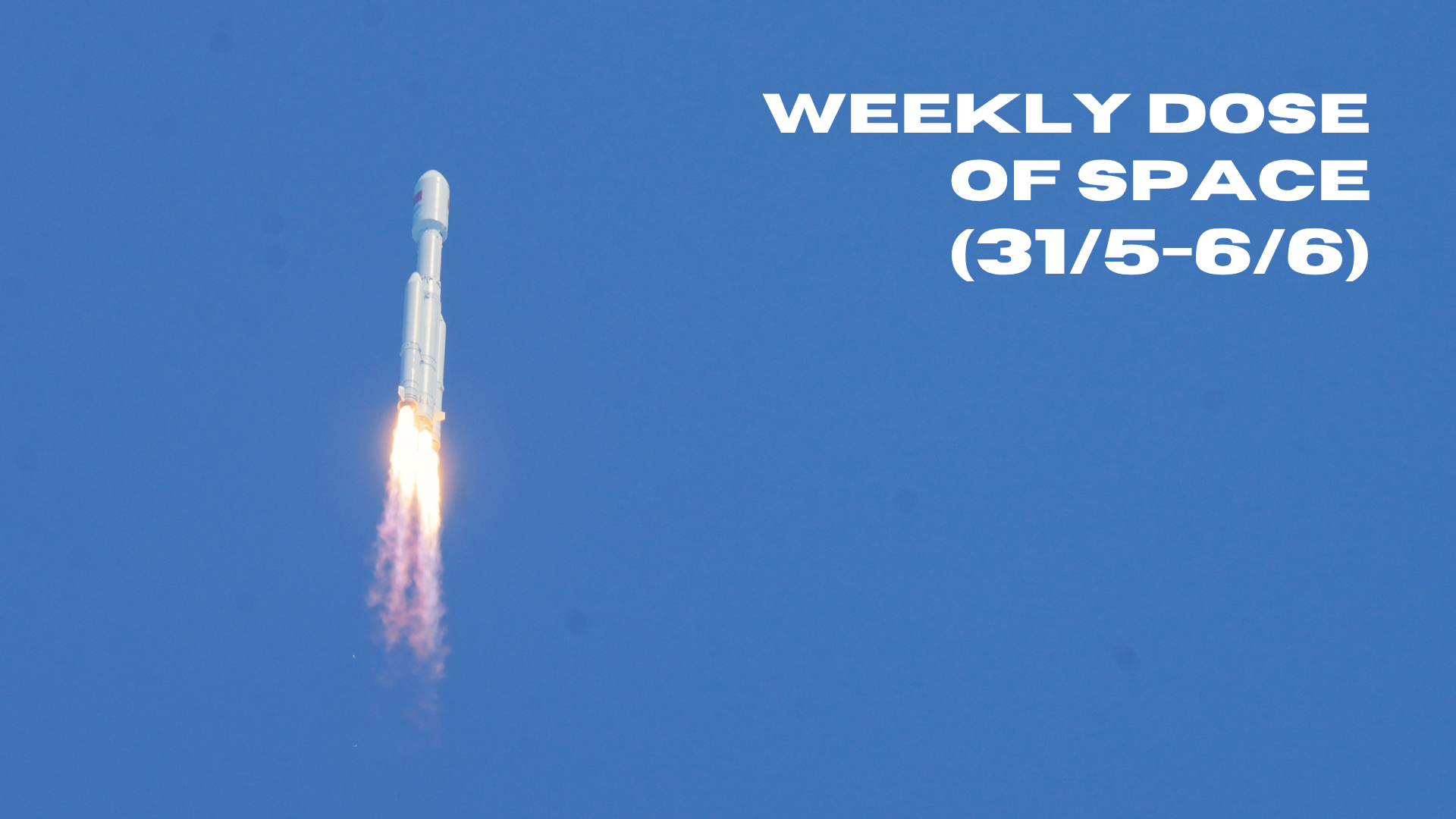
Welcome back to Weekly Dose of Space! This week saw five launches worldwide, with China debuting a new Long March rocket with a customer payload atop of it. News during the week has Blue Origin looking to bounce back from a recent explosion and Amazon putting more satellites on Ariane 6. As always, we'll also look ahead to what the worldwide launch schedule might look like next week.
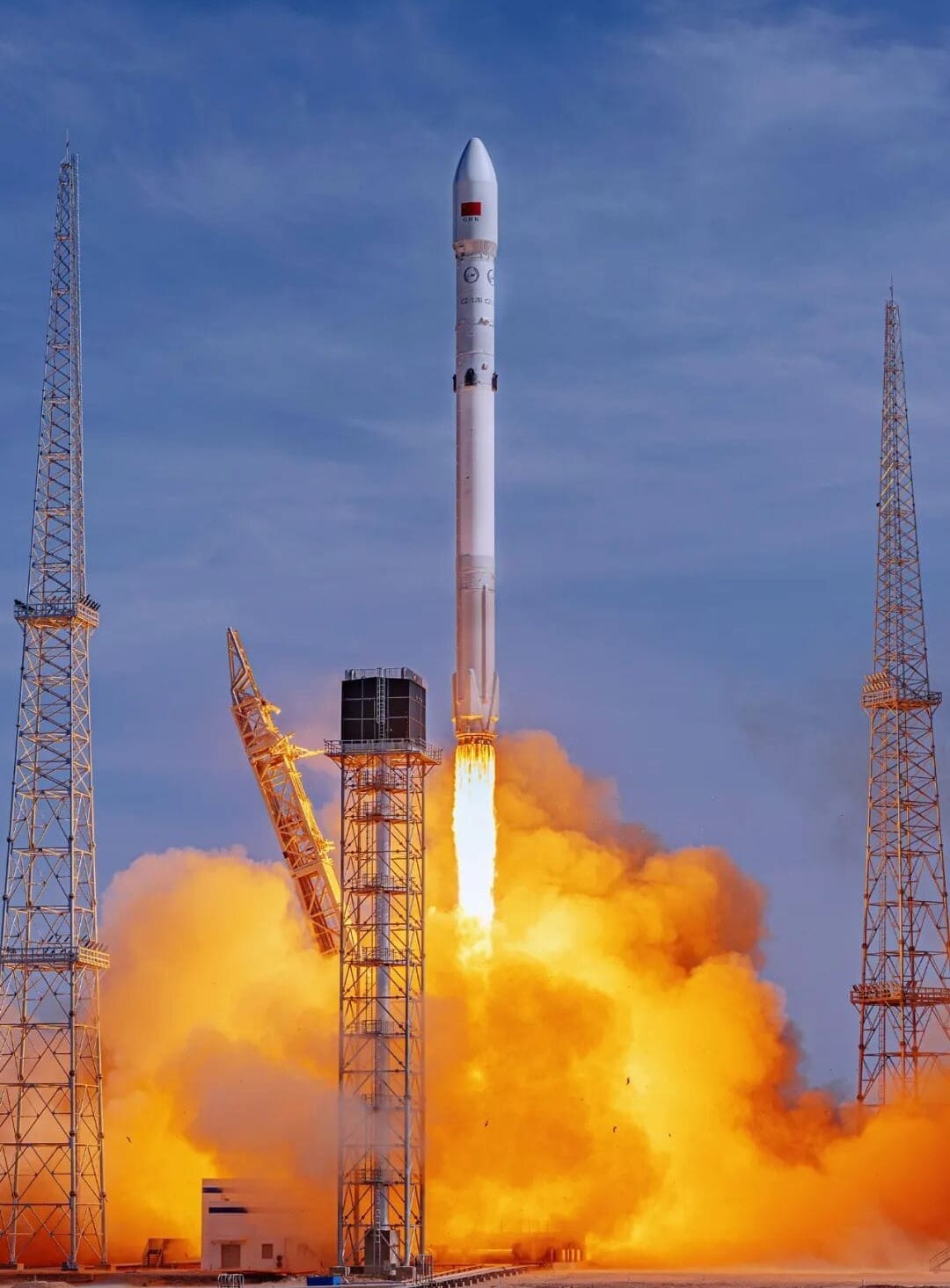
June 1st - Long March 12B with Qianfan's 10th Group
Flying for the first time, the Long March 12B lifted off from the Jiuquan Satellite Launch Center, flying towards polar orbit with Qianfan's tenth group to date. That group consisted of two satellites, bringing the constellation's satellite count to 164.
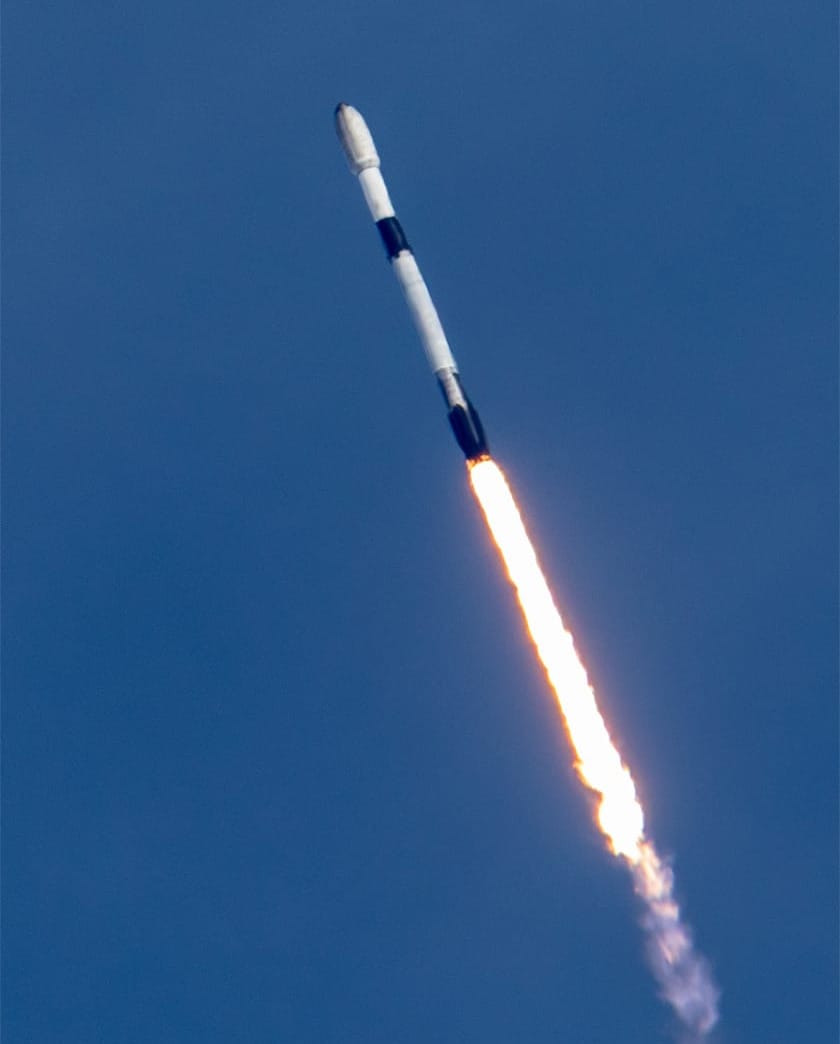
June 3rd - Falcon 9 with Starlink Group 17-47
A Falcon 9 flew from Space Launch Complex 4E, in California, carrying twenty-four Starlink satellites into low Earth orbit. Supporting this mission was booster B1088, flying for the sixteenth time and landing on the drone ship 'Of Course I Still Love You' downrange.
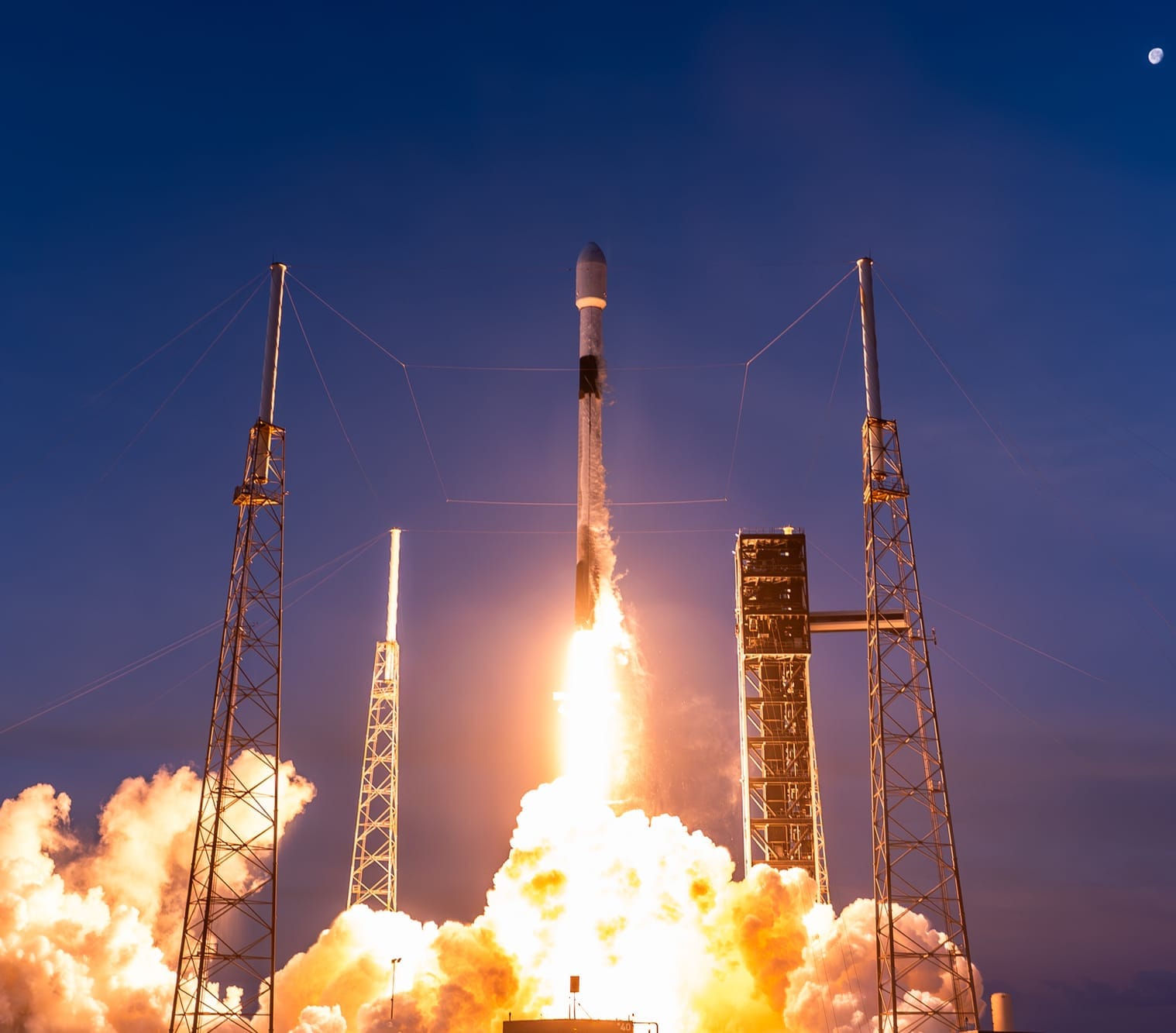
June 4th - Falcon 9 with Starlink Group 10-43
SpaceX added another twenty-nine Starlink satellites to low Earth orbit by flying Falcon 9 from Space Launch Complex 40, in Florida. Booster B1090 supported this launch for its twelfth mission, landing downrange on the drone ship 'A Shortfall Of Gravitas'.
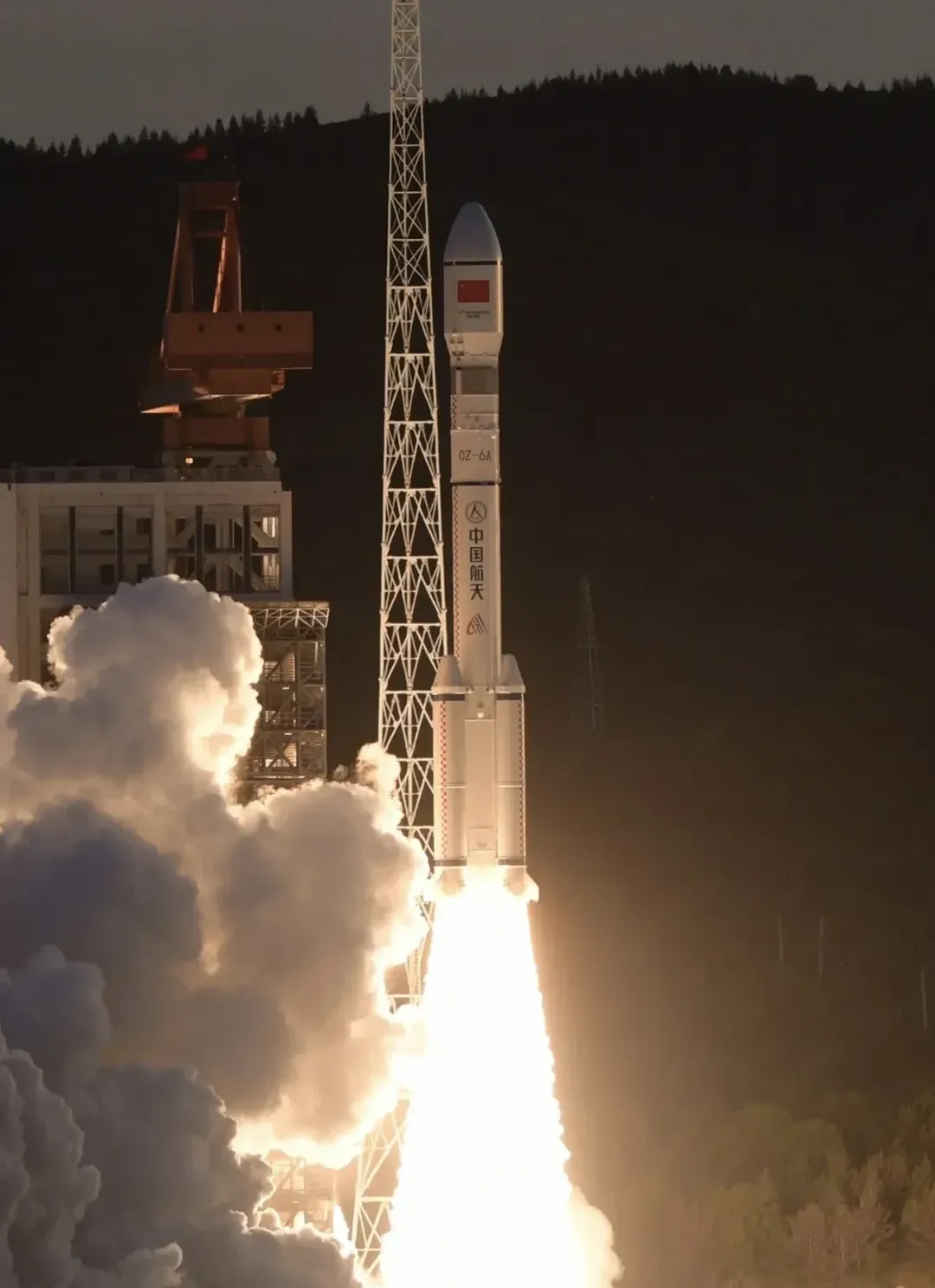
June 4th - Long March 6A with Qianfan's 11th Group
From the Taiyuan Satellite Launch Center, a Long March 6A headed into polar orbit with Qianfan's eleventh group of satellites to date. The eleventh group consisted of eighteen satellites, bringing the total deployed count to 182.
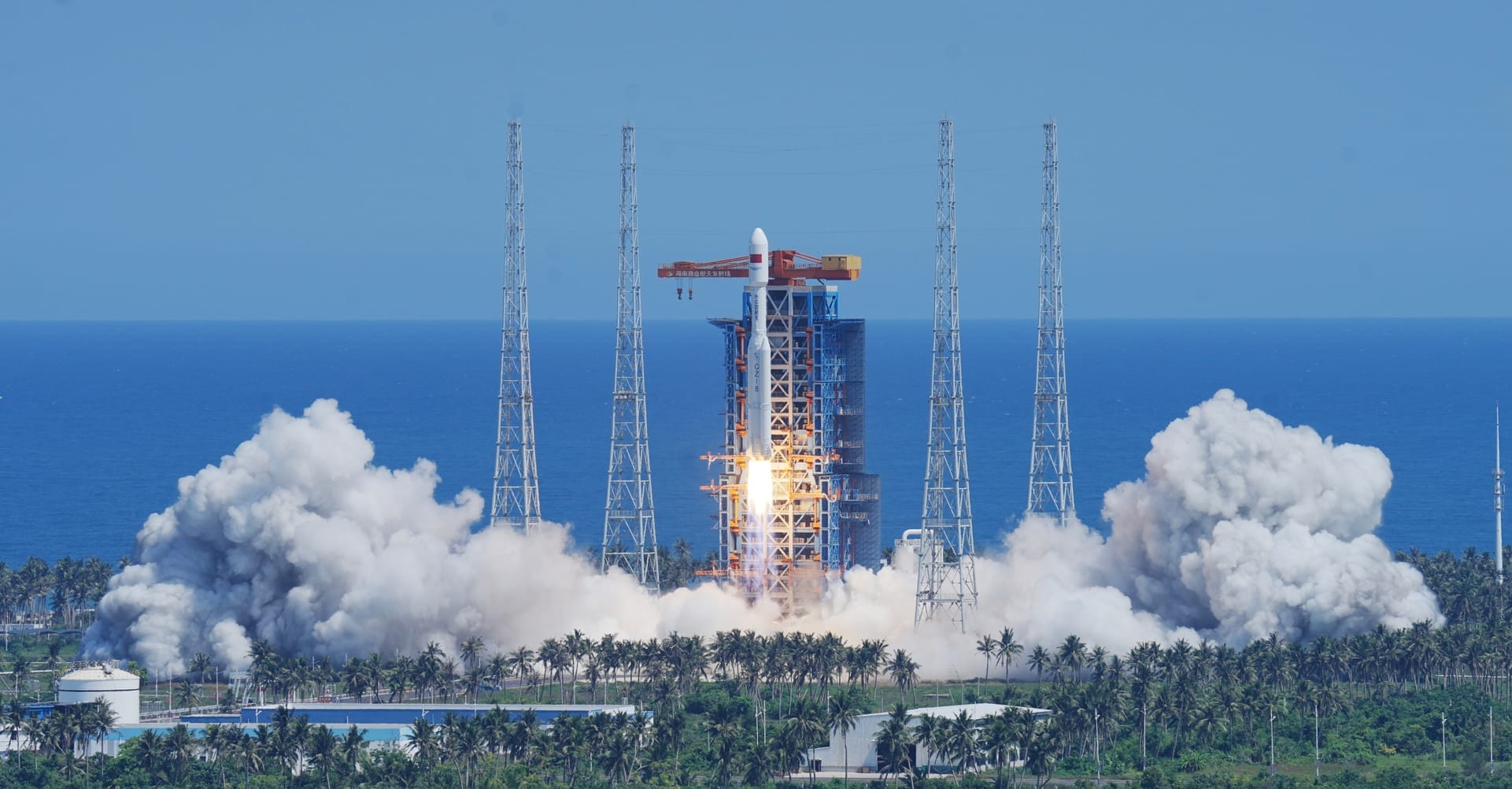
June 5th - Long March 8 with Qianfan's 12th Group
Qianfan's twelfth overall group, with another eighteen satellites, was launched a day later by a Long March 8, again flying to a polar orbit, from the Wenchang Commercial Space Launch Site. With this launch, the Qianfan constellation has had 200 satellites launched.
In Other Space News
Amazon adds more satellites to Ariane 6 missions
As part of plans to put more satellites on already bought launch vehicles, Amazon shared on June 5th that future deployments via Ariane 6 will bring four more Leo satellites into Earth orbit for each mission. That increases the European rocket's per mission satellite counts from 32 to 36.
The ability to put more satellites atop of Ariane 6 has been enabled by an upgrade to the rocket's solid rocket boosters, moving from the P120C to the P160C, boasting improved performance and burn time. On increasing the number of satellites onboard, Amazon Leo's Director of Launch Systems Melissa Wuerl said:
"Increasing our payload capacity to 36 satellites per mission is the result of extensive engineering collaboration between our team and Arianespace. Every additional satellite we can safely deploy on a single launch accelerates the pace at which we scale our constellation and bring reliable connectivity to customers around the world. The upgraded P160C boosters give us the performance margin to do that confidently, and we're already looking ahead to further optimizations as we continue building out Amazon Leo."
Those new solid rocket boosters will first be used to deploy 36 satellites via the Leo Europe-03 (LE-03) mission, as soon as June 17th. Speaking about that mission, David Cavaillolès, Chief Executive Officer of Arianespace, stated:
"The upgraded P160C boosters are bringing exactly the performance gains we designed them for, and LE-03 will be our most ambitious launch together yet. This mission underscores the confidence Amazon Leo places in Ariane 6 and the dedication of the teams across Europe who contribute to its success."
Blue Origin looks to bounce back by year's end
One week later, incredible progress. It’s a 24/7 operation with a solid path forward to launch this year, helped by a lot of luck. @NASA and @USSpaceForce have both been extremely helpful.
— Jeff Bezos (@JeffBezos) June 4, 2026
This team. Never tell them the odds. pic.twitter.com/rmMSQ9Xgxq
On May 29th, ahead of Blue Origin's fourth New Glenn launch, the rocket exploded atop Launch Complex 36, the company's sole launch pad for the vehicle, taking much of it with it. Luckily for the future of New Glenn, only items engulfed by a fireball were significantly damaged, such as a lightning towers and a transporter-erector, or lost, leaving propellant tanks and commodity systems in good condition, as well as flight hardware stored nearby in a healthy state.
While the dramatic loss of a launch vehicle is likely to cause significant delay to NASA's Moon programs, Blue Origin's Chief Executive Officer, Dave Limp, spoke of the explosion as an opportunity to optimize:
"Rate manufacturing of [New Glenn's current design] is going well, and we’re going to continue that at pace as planned and store the stages for use. In addition, we had already been working for some time on eliminating our transporter-erector in favor of an alternative vertical [integration], and we’ll now go directly to that; so we don’t need a new transporter-erector."
He also optimistically added:
"We will fly again before the end of this year."
What to Expect Next Week
June 7th - Falcon 9 with Starlink Group 17-43
More Starlink satellites are set to be placed into low Earth orbit, with two military-contracted Starshield spacecraft hiding onboard, via a Falcon 9 from Space Launch Complex 4E.
June 8th - Falcon 9 with Starlink Group 10-35
Another set of Starlink satellites are set to be launched into low Earth orbit by a Falcon 9 from Space Launch Complex 40.
June 9th - Zhuque-2E with constellation satellites
LandSpace is preparing to fly its Zhuque-2E for the second time this year, possibly carrying ten Qianfan satellites after a proving mission last month.
June 10th - H3 for a no-booster test flight
Japan's H3 rocket is ready to fly from Tanegashima Space Center for a test flight, where no solid rocket boosters will be used and the first-stage is equipped with three engines instead of two.
June 10th - Long March 5 with a to-be-announced payload
From the Wenchang Space Launch Site, a Long March 5 will fly beyond low Earth orbit carrying a payload into space, which will be revealed after a completed mission.
June 10th - Falcon 9 with Starlink Group 17-44
Yet another Falcon 9 is preparing to deliver Starlink satellites into low Earth orbit, again from Space Launch Complex 4E.
June 11th - Electron for 'Curveball'
Rocket Lab is working to fly its Electron rocket in its suborbital HASTE (Hypersonic Accelerator Suborbital Test Electron) configuration from Launch Complex 2, in Virginia, while carrying a military technology demonstrator.