Weekly Dose of Space (12/7-18/7)

Welcome back to Weekly Dose of Space! This week had five launches taking place and all flying into low Earth orbit, including the inaugural mission for a new private rocket. News from the week has two new signatories for the Artemis Accords and a possible delay for a new Chinese spacecraft. As always, we'll also look ahead to what the worldwide launch schedule might look like next week.
July 14th - Falcon 9 with Starlink Group 15-14
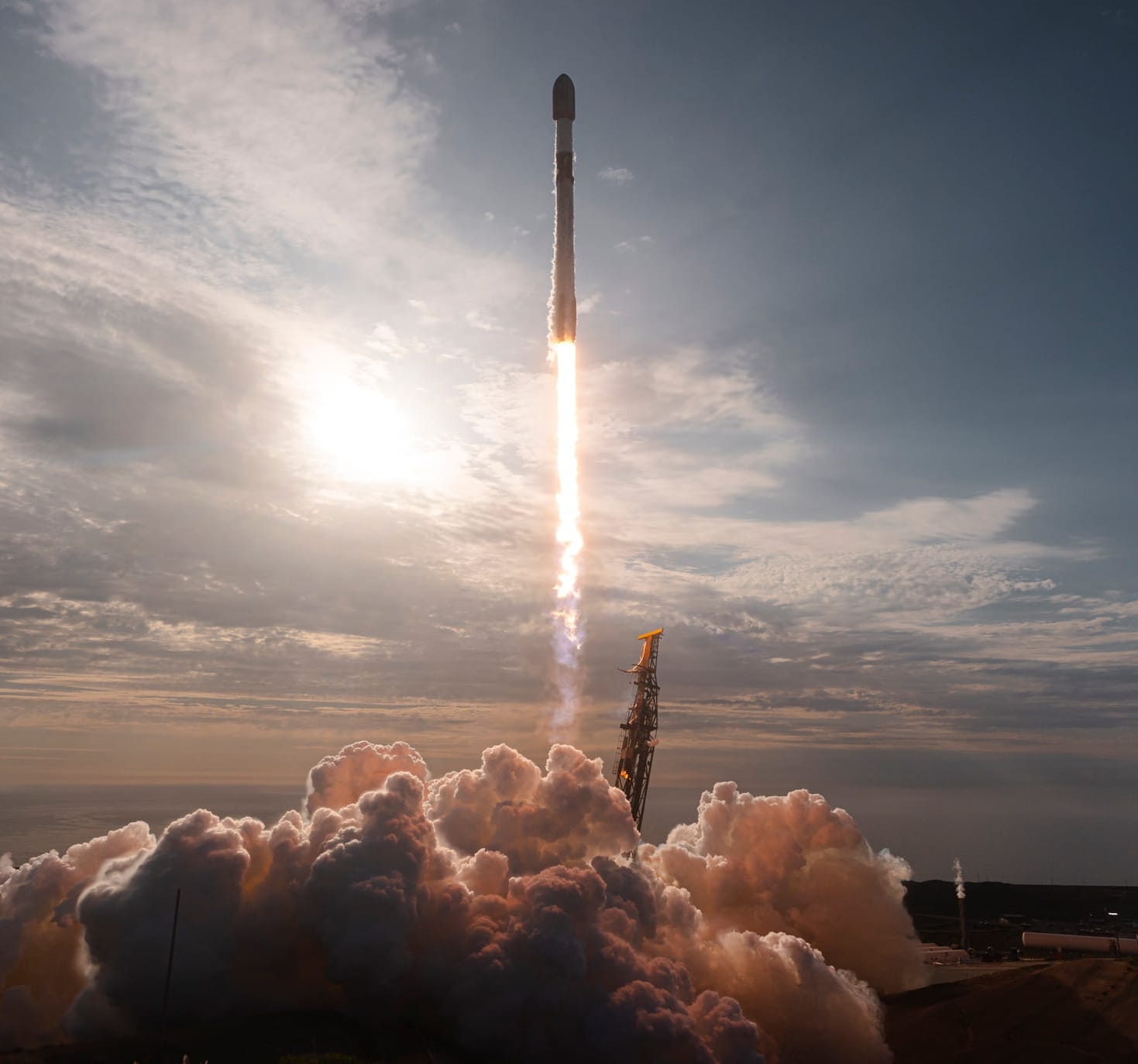
A Falcon 9 flew from Space Launch Complex 4E, in California, to bring twenty-seven Starlink satellites into low Earth orbit. Supporting this launch was booster B1093 for its fifteenth flight, landing downrange on the drone ship 'Of Course I Still Love You'.
July 14th - Falcon 9 with Starlink Group 10-45
Twenty-nine more Starlink satellites were brought into low Earth orbit via a Falcon 9 flying out of Space Launch Complex 40, in Florida. Booster B1080 supported this mission as part of its twenty-eighth flight, being recovered on the drone ship 'A Shortfall Of Gravitas' downrange.
July 14th - Soyuz 2.1a for MS-29
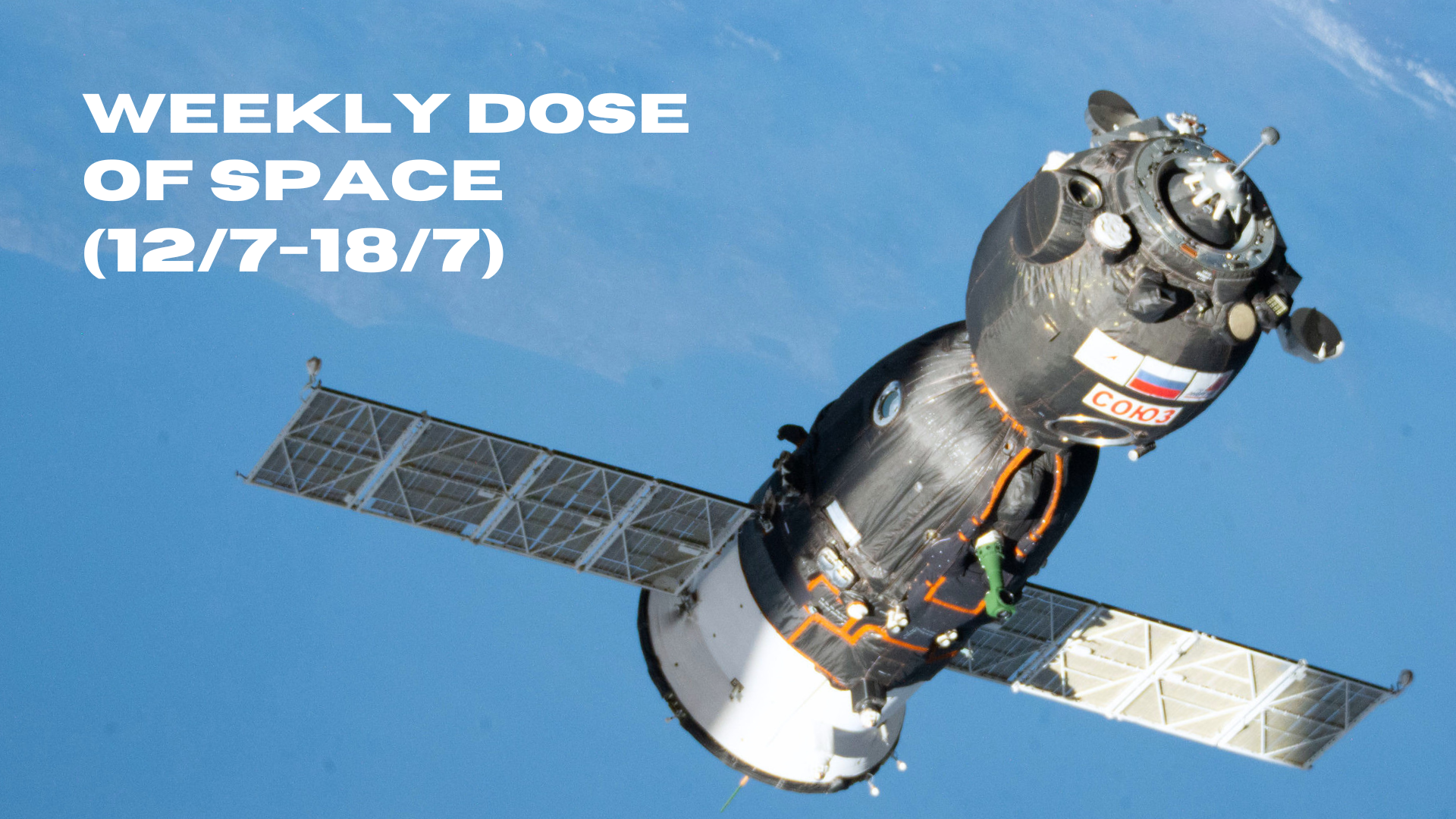
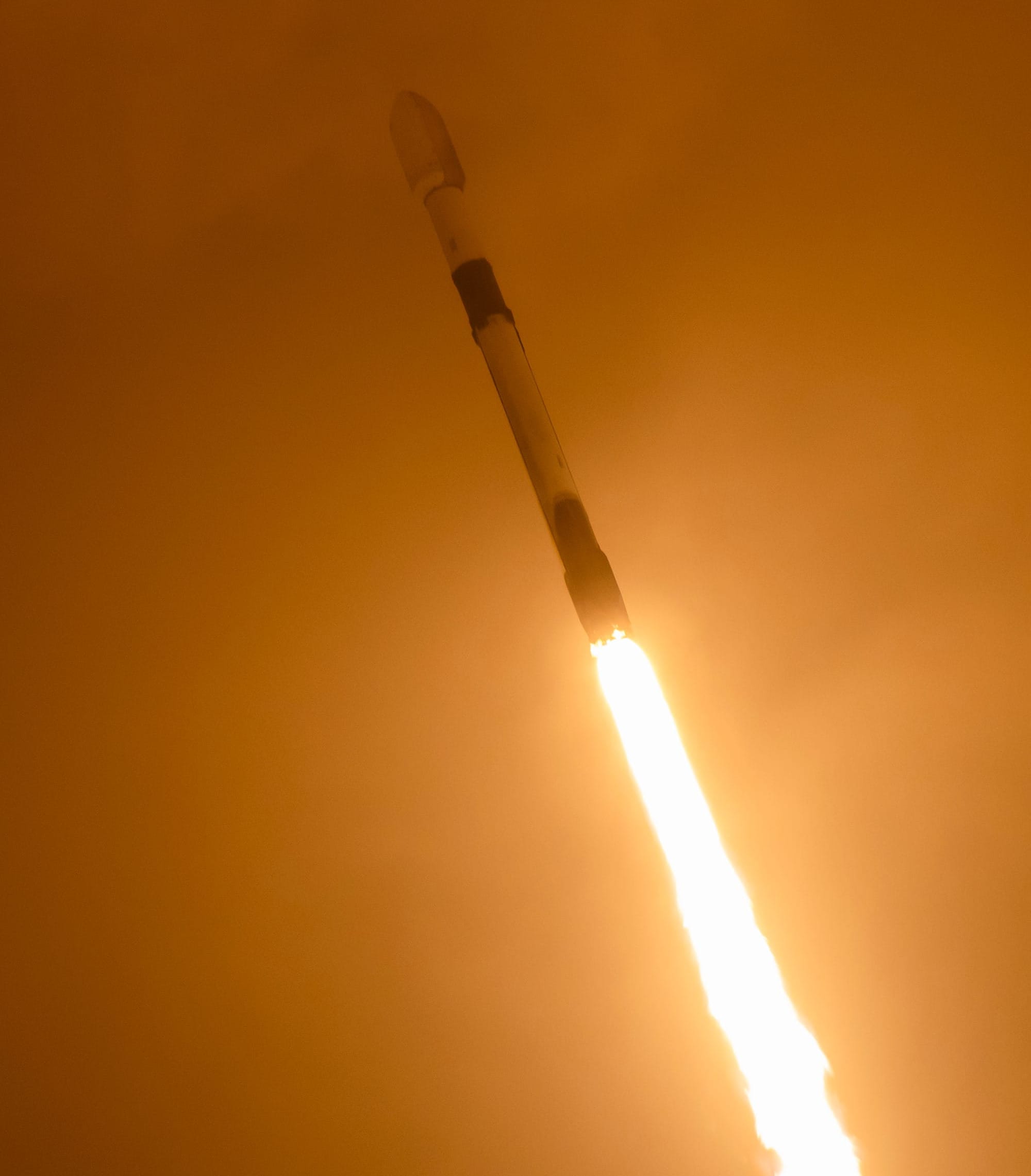
From the Baikonur Cosmodrome, a Soyuz 2.1a rocket flew into low Earth orbit to begin the Soyuz MS-29 mission to the International Space Station, with which it docked just over three hours after liftoff. The mission's crew consists of cosmonauts Pyotr Dubrov, Anna Kikina, and NASA astronaut Anil Menon.
#ICYMI: Three crew members launched aboard the Soyuz MS-29 spacecraft at 10:47 a.m. EDT, Tuesday, July 14, and docked at 1:52 p.m. to the space station. Shortly afterward, the new trio entered the orbital outpost joining Expedition 74. https://t.co/udawFdgvYL pic.twitter.com/ncLYWBL127
— International Space Station (@Space_Station) July 16, 2026
July 16th - Falcon 9 for Tranche-1
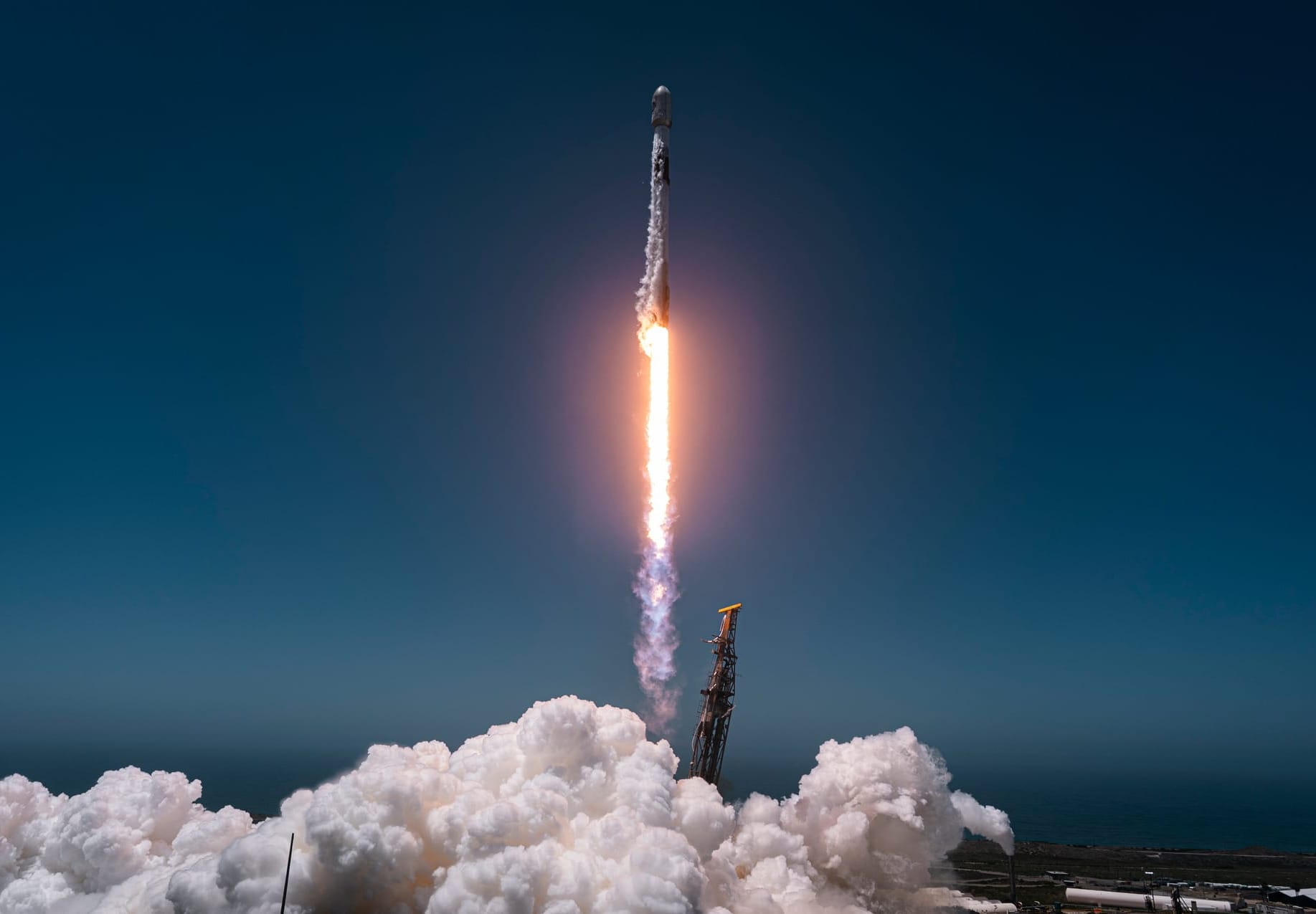
SpaceX deployed twenty-one U.S. military spacecraft into low Earth orbit, via Falcon 9 from Space Launch Complex 4E, on behalf of the U.S. Space Development Agency for its 'Proliferated Warfighter Space Architecture' communications constellation. Supporting this deployment was booster B1103 for its first flight, which landed downrange on the drone ship 'Of Course I Still Love You'.
July 18th - Vikram-1 for its debut flight
For the first time, a privately developed Indian launched vehicle performed its debut flight and achieved orbit. That feat was achieved by Skyroot Aerospace with its Vikram-1. Four payloads were on board the flight too, with technology demonstrations from DCUBED and Cosmoserve Space, as well as two satellites from Grahaa Space and Skyroot themselves.
We’ll be watching this ignition on loop all day.
— Skyroot Aerospace (@SkyrootA) July 18, 2026
Kalam-1200 — Vikram-1's first stage, named for Dr. A.P.J. Abdul Kalam — roaring to life and lifting Vikram-1 off the pad, on a flight that reached orbit.#Vikram1 #MissionAagaman pic.twitter.com/ul9wlY8LzH
In Other Space News
Serbia, Mauritius sign Artemis Accords
This week, two new nations signed the U.S.-led non-binding Artemis Accords, which aims to rewrite internationally agreed space law. The first of the two was Serbia, signing on July 16th through Marko Đurić, its Minister of Foreign Affairs. After signing on behalf of his country, at an event at NASA Headquaters, the Foreign Minister shared:
"The great beyond has always inspired humanity to achieve its greatest feats — from the Roman ‘per aspera ad astra’ to Norman Vincent Peale’s belief that if we aim for the Moon, we will at least land among the stars. Those words feel especially fitting today. We come from a nation of great minds like Nikola Tesla and Milutin Milanković, but also from the legacy of David Vujic, one of the pioneers of the Apollo missions and a member of the ‘Serbian Seven,’ a group of engineers and technicians whose contributions to NASA helped make the Moon landing possible. In that spirit, we owe it to both our brave ancestors and our children to keep pushing toward new frontiers — to explore, to inspire one another, and to dare even greater things."
Previously, in May 2024, Serbia joined the China-led International Lunar Research Station, an effort to build a joint scientific laboratory on the Moon's surface. That project currently has thirteen nation-level members, with three of those also signing the Artemis Accords: Serbia, Senegal, and Thailand.
A day later, the island nation of Mauritius signed the accords at a ceremony in the country's capital of Ébène. Signing on behalf of the country was Secretary at the Ministry of Tertiary Education, Science and Research, Navindsing Jugmohunsing, who said the following afterwards:
"The accession of Mauritius to the Artemis Accords marks a defining chapter in our New Space journey. As a Small Island Developing State in the Indian Ocean, we are committed to ensuring that space serves humanity by protecting our oceans and coastlines and amplifying the voices of nations like ours. Mauritius stands ready to help shape the future of space governance while unlocking new opportunities for innovation and partnership."
With the two nations' signing of the accords, the signatories now consist of seventy nations, over a third of the member states of the United Nations.
China may delay first Mengzhou mission
China's next-generation crewed spacecraft, known as Mengzhou, may be behind schedule, as it has been omitted from a China Manned Space Agency forecast for missions during the remainder of the year. It was previously expected that the spacecraft would fly to the Tiangong Space Station towards the end of this year as part of an uncrewed systems demonstration.
At present, it is unknown what work has been completed for that uncrewed mission, which would have been its first.
It is worth noting that the launch site from which it would fly, Launch Complex 301, is still undergoing preparatory work along with vehicle assembly buildings needed to prepare its Long March 10A launch vehicle for flight.
What to Expect Next Week
July 20th - Falcon 9 with Starlink Group 17-39
A Falcon 9 is set to place a batch of Starlink satellites into low Earth orbit from Space Launch Complex 4E.
July 20th - Starship-Super Heavy for its thirteenth flight test
SpaceX is preparing to fly its in-development fully reusable Starship-Super Heavy vehicle for the thirteenth time as part of its latest suborbital test flight, launching from Starbase, Texas, and hoped to conclude off the coast of Australia.
July 21st - Falcon 9 with Northrop Grumman's MRV-1
Northrop Grumman's first Mission Robotic Vehicle, alongside three 400-kilogram Mission Extension Pods, is set to head into a geostationary transfer orbit via Falcon 9, from Space Launch Complex 40, as part of a demonstration mission which will see it service two active satellites in geostationary space.
July 22nd - Gravity-1 for its third flight
Eight months after its previous flight, which was twenty-one months after the first, Orienspace is aiming to launch its Gravity-1 launch vehicle from a sea launch vessel in the East China Sea into a sun-synchronous orbit with a handful of customer satellites.
July 23rd - Long March 3B/E with a to-be-annouced payload
From the Xichang Satellite Launch Center, a Long March 3B/E is preparing to fly towards geostationary space with a satellite that is yet to be named.
July 24th - Kinetica-1 with several satellites
CAS Space is working to fly its Kinetica-1 launch vehicle from the Jiuquan Satellite Launch Center on behalf of a few customers with several satellites set to be on board and released into sun-synchronous orbit.
July 24th - Long March 8A with connectivity constellation satellites
Out of the Wenchang Commercial Space Launch Site, a Long March 8A will launch a group of connectivity constellation satellites into low Earth orbit, either to expand the GuoWang or Qianfan networks.
July 24th - Falcon 9 with Starlink Group 17-51
Another batch of Starlink satellites are set to be added to low Earth orbit by a Falcon 9 flying from Space Launch Complex 4E.