SpaceX to Build 100 Billion-Dollar Louisiana Starship Launch Site

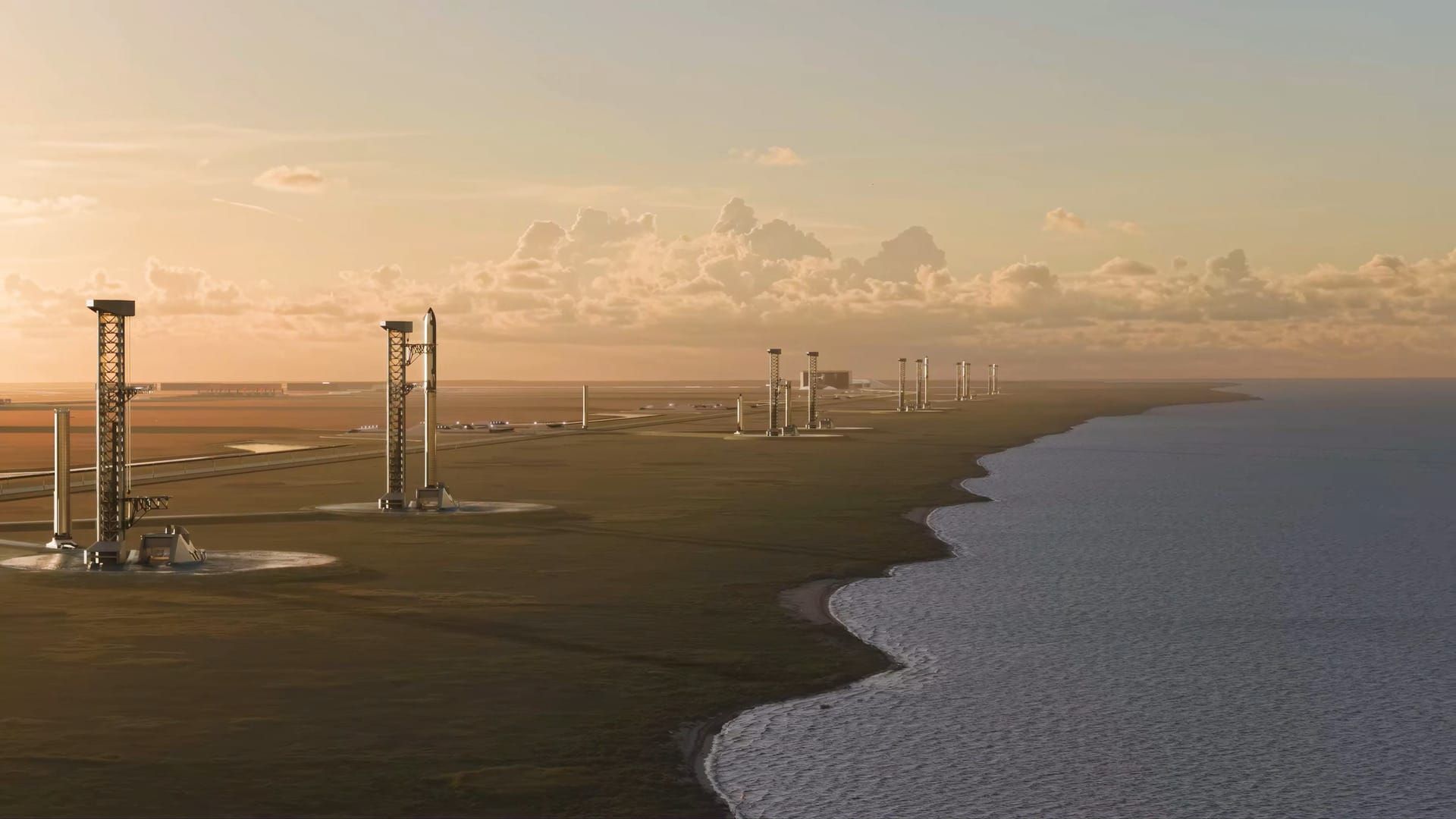
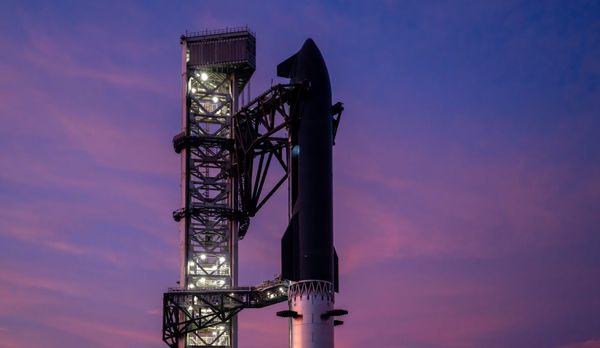
SpaceX announced today, August 25th, that they are going to develop a launch site in Vermilion Parish, Louisiana, dedicated to their in-development fully reusable Starship-Super Heavy launch vehicle.
That site, dubbed 'Starbase Louisiana', will be built on a largely empty area of south-facing coast formerly owned by oil and natural gas companies, while sandwiched between wildlife reserves. The total amount of land SpaceX will use for the site is about 125,000 acres (505 square kilometers), bought for 100 million United States Dollars from the state.
As for what the company intends to build there, promotional materials show five launch areas, each consisting of two pads and catch towers, dotting the coast. Propellant storage tanks are not far from those five areas. A sizeable production site for manufacturing Starship upper-stages and Super Heavy boosters is visible in the distance too.
A press release from the Louisiana government adds that on-site propellant production and power generation facilities will be established to make the facilities 'self-sustaining'. Residential areas for staff working at the site and a deepwater port for transporting vehicles by boat are part of the plan.
It was stated by the government that the state was chosen due to abundant natural gas to provide the power and fuel needed for operations, expansive acreage to support future growth, and the range of possible flight paths into Earth orbit.
According to a new page on SpaceX's website, work will begin in 2027 with an aim to start Starship-Super Heavy flights in 2029. A total amount to be invested in building the launch site and accompanying facilities is expected to be 100 billion United States Dollars.
SpaceX executives estimate the new launch site will employ 3,000 to 10,000 locally hired staff members, based on experiences in Texas, for construction and running day-to-day operations.
Construction of 'Starbase Louisiana' and its ten launch pads joins three in various stages of work in Cape Canaveral, Florida, and the conversion of another in Starbase, Texas, to support the 'Block 3' version of the launch vehicle. Currently, SpaceX has only one launch pad capable of supporting Starship-Super Heavy.
Starbase, Louisiana will be built to support thousands of Starship flights a year with missions launching to Earth orbit, the Moon, Mars, and beyond pic.twitter.com/SE6gyNZWBK
— SpaceX (@SpaceX) August 25, 2026
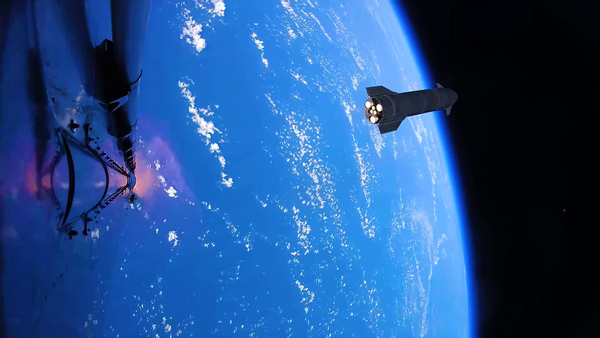
Through having all of those launch pads serving the fully reusable launch vehicle, SpaceX intends to start deployment of Starlink 'V3' satellites to bolster the space-based internet constellation and place hypothetically massive amounts of computing power in orbit. Efforts on the latter have been massive, in terms of capital expenditure, to build massive spacecraft possibly numbering towards a million in orbit.
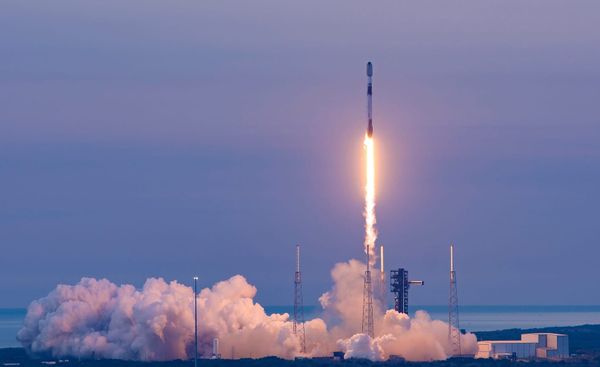
As of Starship-Super Heavy's thirteenth flight test, taking place back on July 25th, it is still in development and has yet to reach orbit, after over three years of developmental launches. It may fly to orbit sometime in September, still pending regulatory approval.
In the leadup to today's announcement, environmentally concerned locals voiced concern about potential damage to ecosystems and disruption to regional species. That is something SpaceX has come under legal opposition for repeatedly as it expands the company town known as Starbase in Texas, which started as a site for the far smaller Falcon 9, into neighbouring wildlife reserves home to endangered species. Company facilities in Texas have been found to be dumping pollutants.
Speaking at a press conference in Louisiana, SpaceX's Chief Operating Officer, Gwynne Shotwell, said that they will keep 'large areas' of the 125,000-acre site untouched while considering ways to reduce the rate of coastal erosion, which sees the area lose at least a meter of land along the coast per year.