Weekly Dose of Space (24/5-30/5)


Welcome back to Weekly Dose of Space! This week had eight launches occuring between the U.S. and China, most building internet constellations. News of the week had a crew rotation at the Tiangong Space Station, and Virgin Galactic back in the skies. As always, we'll also look ahead to what the worldwide launch schedule might look like next week.
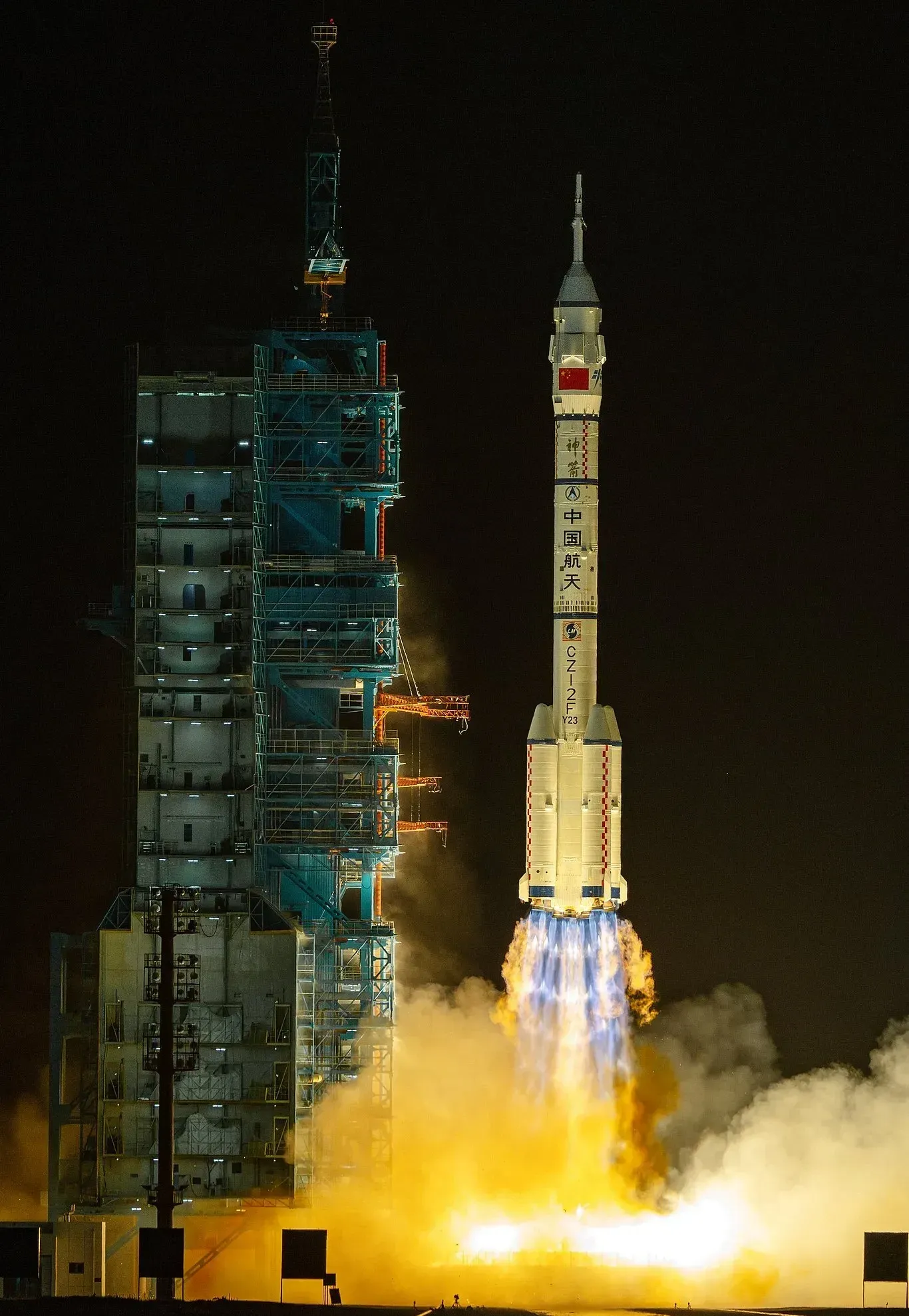
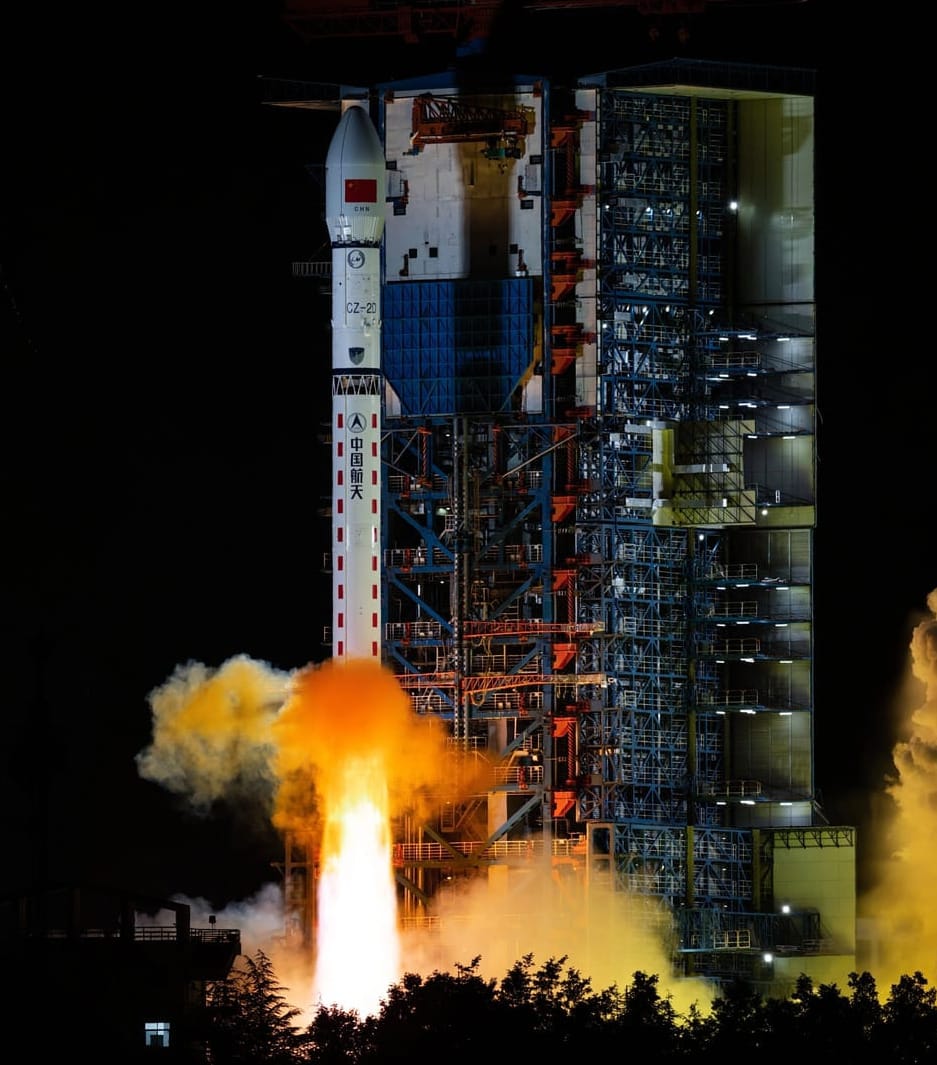
May 24th - Long March 2F/G with Shenzhou-23
Shenzhou-23, the latest mission to the Tiangong Space Station, lifted off atop of a Long March 2F/G from the Jiuquan Satellite Launch Center on a fast rendezvous path. Onboard the spacecraft are Commander Zhu Yangzhu, Payload Specialist Li Jiaying, and Spacecraft Pilot Zhang Zhiyuan.
May 25th - Falcon 9 with Starlink Group 10-47
Falcon 9 lifted off from Space Launch Complex 40, in Florida, to deliver twenty-nine Starlink satellites into low Earth orbit. Supporting this launch was booster B1078 for its twenty-eighth mission, landing downrange on the drone ship 'A Shortfall of Gravitas'.
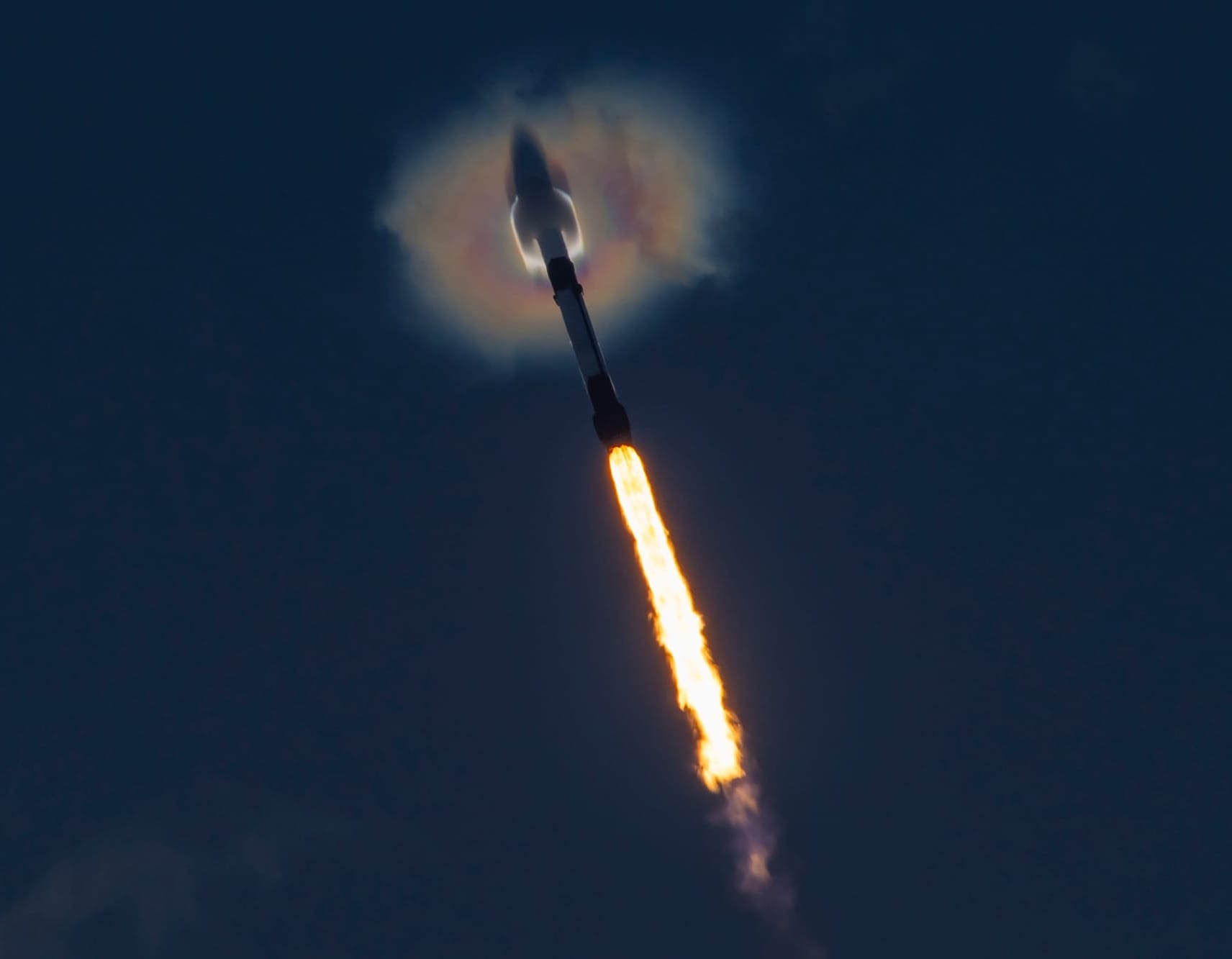
May 26th - Falcon 9 with Starlink Group 17-37
Twenty-four more Starlink satellites were placed into low Earth orbit by a Falcon 9 flying from Space Launch Complex 4E, in California. Booster B1100 supported this mission for its sixth flight, touching down on the drone ship 'Of Course I Still Love You' downrange.
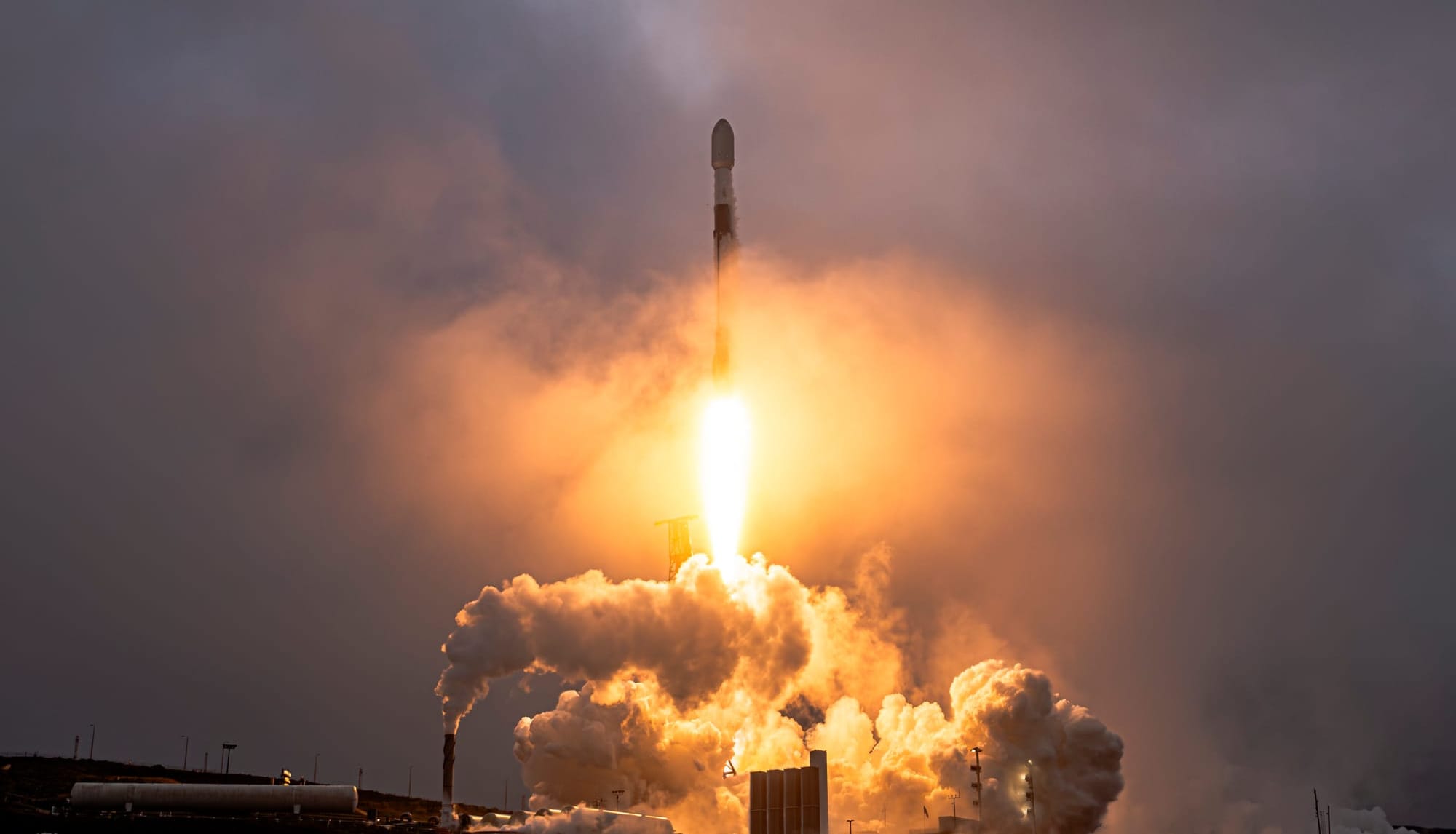
May 26th - Long March 7A with TJSW-24
A Long March 7A launched from the Wenchang Space Launch Site, heading for a geostationary transfer orbit with the TJSW-24 spacecraft. TJSW-24 is expected to verify multi-band, high-throughput communications technologies for radio, television, and data transmission.
Not long ago today, a Long March 7A lifted off from the Wenchang Space Launch Site carrying the TJSW-24 spacecraft, the latest edition to its geostationary series and the first in six months
— Phazzee 🐼🚀 | 中国航天 🇨🇳 | 🇵🇸🏳️⚧️🏳️🌈 (@PhazzeeYeehaw) May 26, 2026
Details -> https://t.co/FL0q4AVuT3 pic.twitter.com/HkuXVVdKtr
May 29th - Falcon 9 with Starlink Group 10-53
Another Falcon 9 delivered twenty-nine Starlink satellites into low Earth orbit from Space Launch Complex 40. Supporting this launch was booster B1085 for its sixteen flight, landing downrange on the drone ship 'A Shortfall Of Gravitas'.
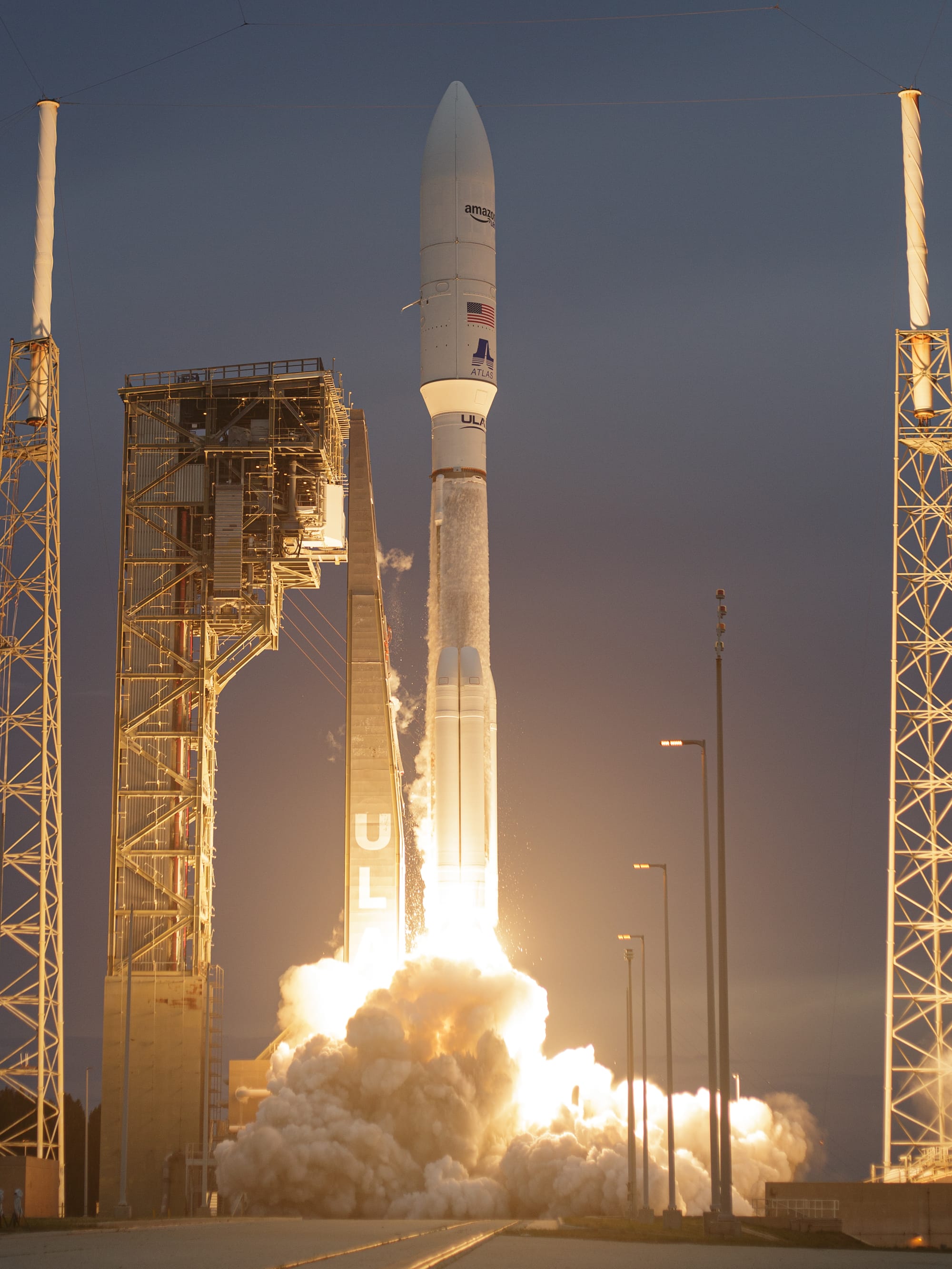
May 29th - Altas V for LA-07
From Space Launch Complex 41, in Florida, United Launch Alliance's Atlas V carried twenty-nine Leo satellites into low Earth orbit on behalf of Amazon. This launch brings the constellation up to 331 satellites, ahead of the beginning of space-based internet services.
May 30th - Falcon 9 with Starlink Group 17-41
Twenty-four additional Starlink satellites were added into low Earth orbit via a Falcon 9 from Space Launch Complex 4E. Boooster B1082 supported this launch for its twenty-second mission, landing on the drone ship 'Of Course I Still Love You' downrange.
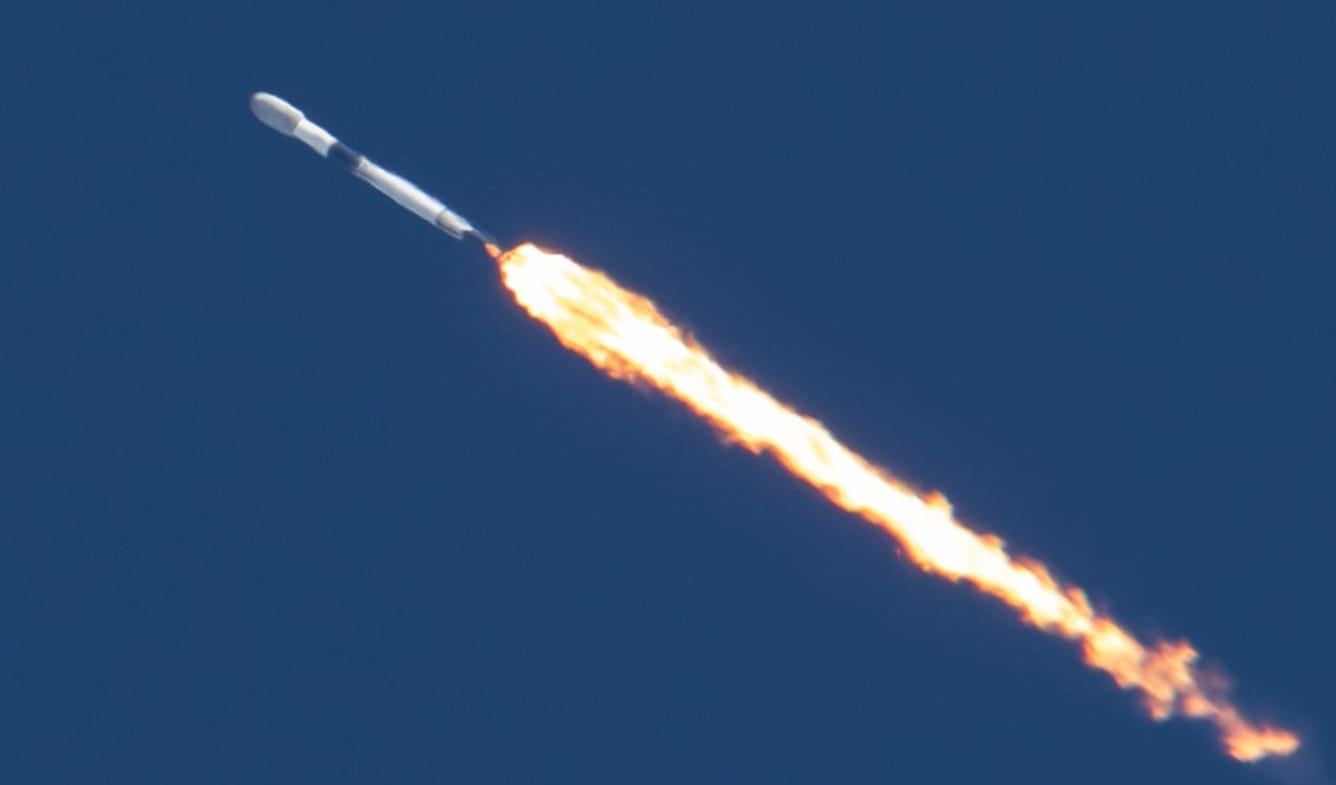
May 30th - Long March 2D with four GuoWang test satellites
Four GuoWang test satellites were carried into low Earth orbit by a Long March 2D flying from the Xichang Satellite Launch Center. The satellites are expected to prove new systems and upgrades to China’s space-based connectivity mega-constellations, primarily GuoWang.
In Other Space News
Tiangong sees latest crew rotation
After a launch at the start of this week, the Shenzhou-23 crew boarded the Tiangong Space Station, via the Earth-facing docking port of the Tianhe module, in the evening of May 24th. Zhu Yangzhu, Li Jiaying, and Zhang Zhiyuan were greeted by Shenzhou-21’s Zhang Lu (张陆), Wu Fei (武飞), and Zhang Hongzhang upon doing so.
For three days the two crews lived and worked together, allowing Li and Zhu to adapt to microgravity for their first time as taikonauts. On May 28th a handover ceremony took place, with the Shenzhou-21 crew signing over responsibility for the orbiting laboratory to Shenzhou-23.
On May 29th, following seven months onboard, the Shenzhou-21 crew departed from Tiangong to return to Earth. That return to Earth took three orbits, with touchdown under parachute occurring on the evening of the same day, being quickly extracted for post-mission medical checks.
Virgin Galactic moves toward new spaceship operations
Virgin Galactic shared on May 28th that they had returned to the skies above New Mexico, for the first time in two years, with a glide flight of VSS Unity. That flight is the first of many to train personnel on a similar platform to their new spaceship, with the rationale for doing so being shared by Virgin Galactic Spaceline President Mike Moses:
"Unity's glide characteristics and energy-management profile provide an outstanding real-world proxy for our new Spaceship. Using a proven vehicle in this way prepares our pilots and operations teams to move through flight testing for our new Spaceship more efficiently and with greater confidence than simulator training alone could provide."
In mid-May it was reported, based on information shared on an earnings call, that Virgin Galactic's new spaceship is expected to perform its first commercial flight in the final quarter of 2026.
What to Expect Next Week
June 3rd - Falcon 9 with Starlink Group 10-43
Falcon 9 is expected to launch a batch of Starlink satellites into low Earth orbit from Space Launch Complex 40.
June 3rd - Falcon 9 with Starlink Group 17-47
Another batch of Starlink satellites are set to be placed into low Earth orbit via a Falcon 9 flying out of Space Launch Complex 4E.
June 4th - Long March 6A with a to-be-annouced payload
A Long March 6A is being prepared to launch from the Taiyuan Satellite Launch Center, carrying a to-be-annouced payload
June 5th - Long March 8 with a group of Qianfan satellites
The Shanghai-supported Qianfan connectivity mega-constellation is likely to have another group of eighteen satellites delivered into polar orbit by a Long March 8 from the Wenchang Commercial Space Launch Site.