Weekly Dose of Space (30/8-5/9)

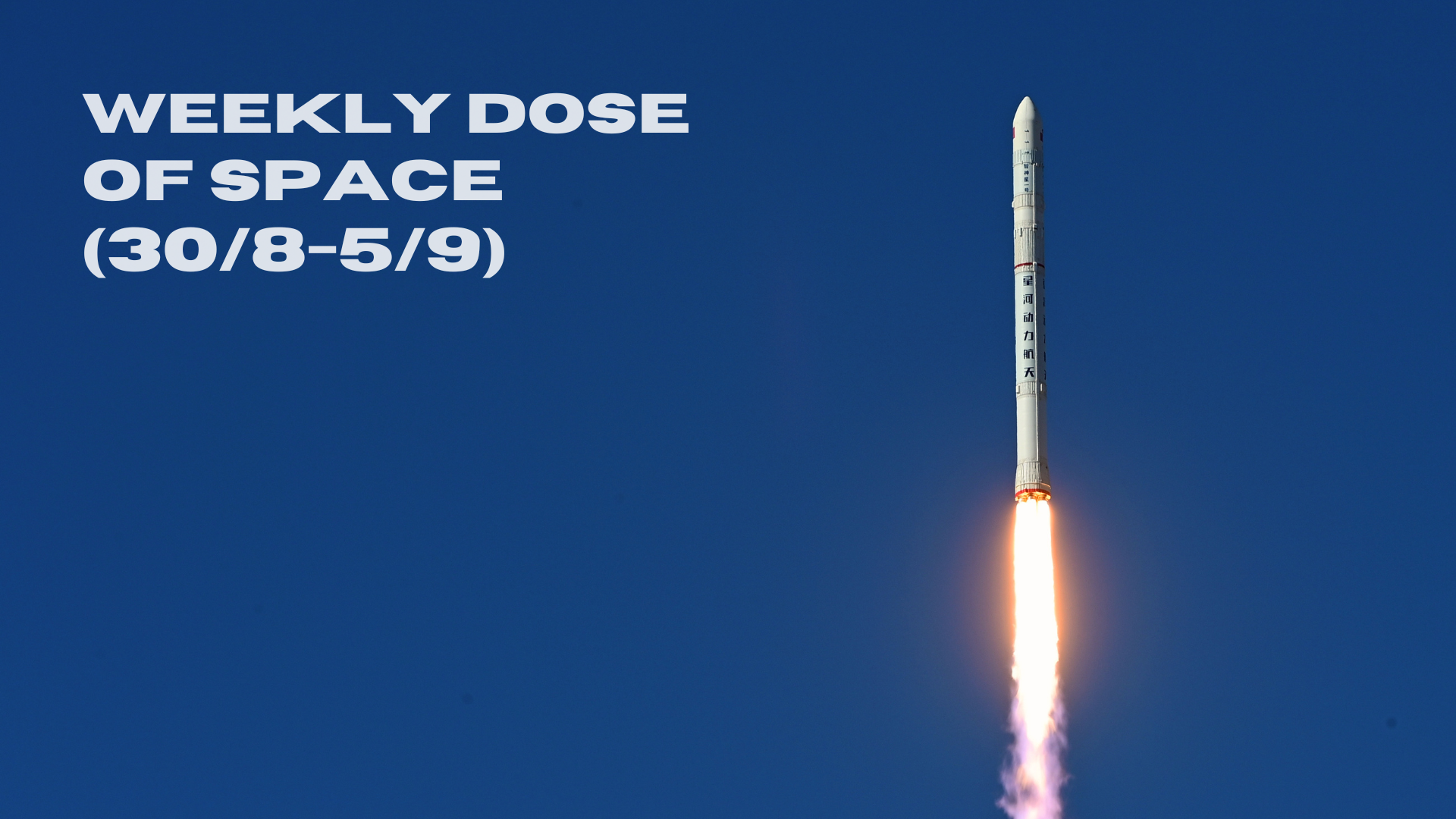
Welcome back to Weekly Dose of Space! This week saw six orbital launches occurring, including a new rocket reaching orbit for the first time. News of the week has another country joining the Artemis Accords and a NASA observatory coming back online. As always, we'll also look ahead to what the worldwide launch schedule might look like next week.
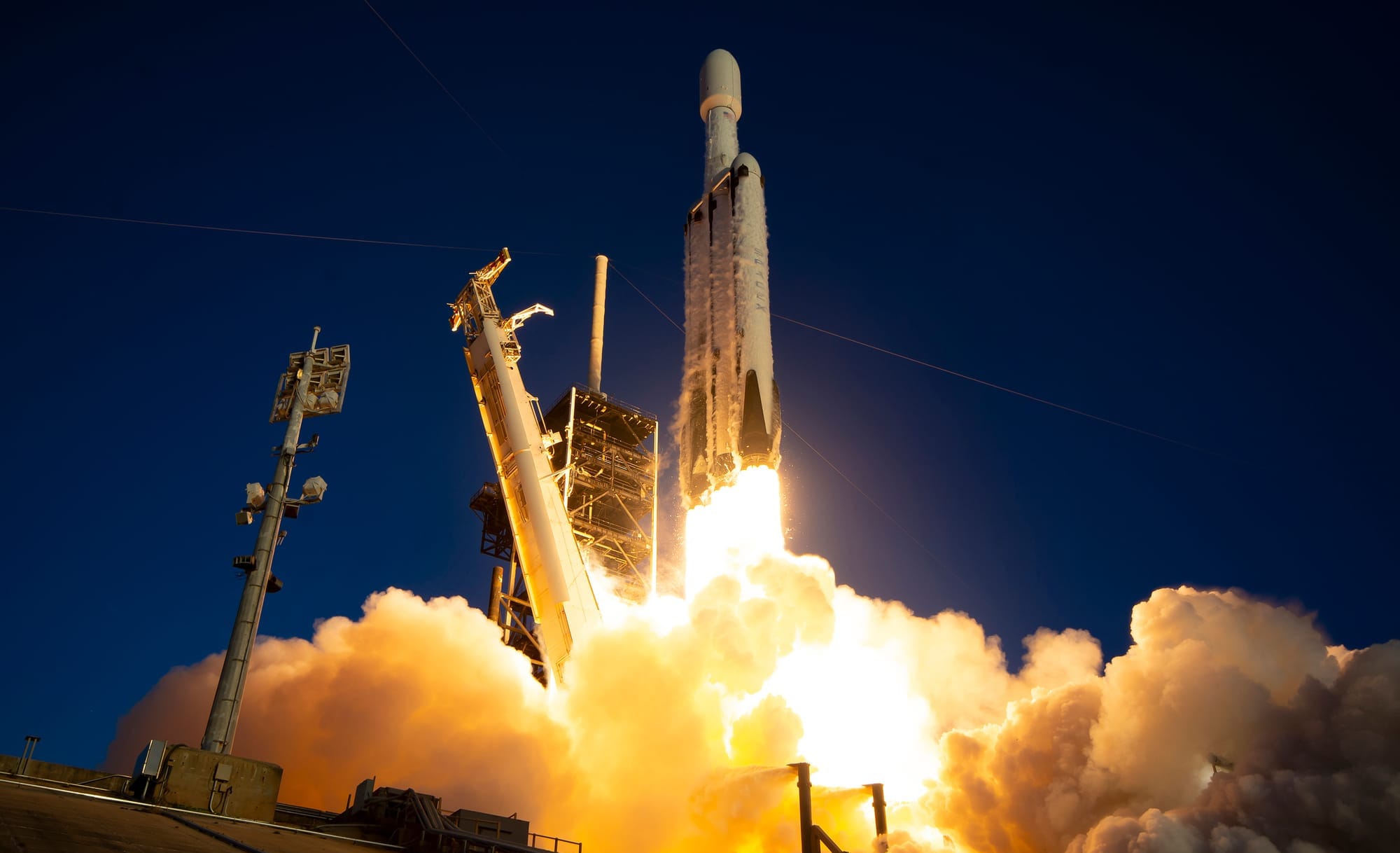
August 30th - Falcon Heavy with Roman Space Telescope
NASA's Nancy Grace Roman Space Telescope left Earth atop a Falcon Heavy lifting off from Launch Complex 39A, in Florida, and being sent towards the Earth-Sun L2 point approximately 1.5 million kilometers away. Supporting the launch were B1104, flying for the first time, B1072, flying for the third time, and B1105, being flown for the first and only time. B1104 and B1072 touched down at Landing Zones 2 and 40.
September 1st - Pallas-1 for its debut flight
Galactic Energy debuted its Pallas-1 rocket from its dedicated launch pad at the Jiuquan Satellite Launch Center with a mission flying into sun-synchronous orbit. No payloads were onboard as the company sought to gather in-flight data ahead of future flights, which will see first-stage booster landing attempts.
A year on from its first flight hardware static fires, Pallas-1 has sailed into orbit during its debut 'test flight' out of Jiuquan a few hours ago, opening a path towards future booster recovery and reuse
— Phazzee 🐼🚀 | 中国航天 🇨🇳 | 🇵🇸🏳️⚧️🏳️🌈 (@PhazzeeYeehaw) September 1, 2026
Details -> https://t.co/fEoLQr0a5C pic.twitter.com/oprQwO6o9T
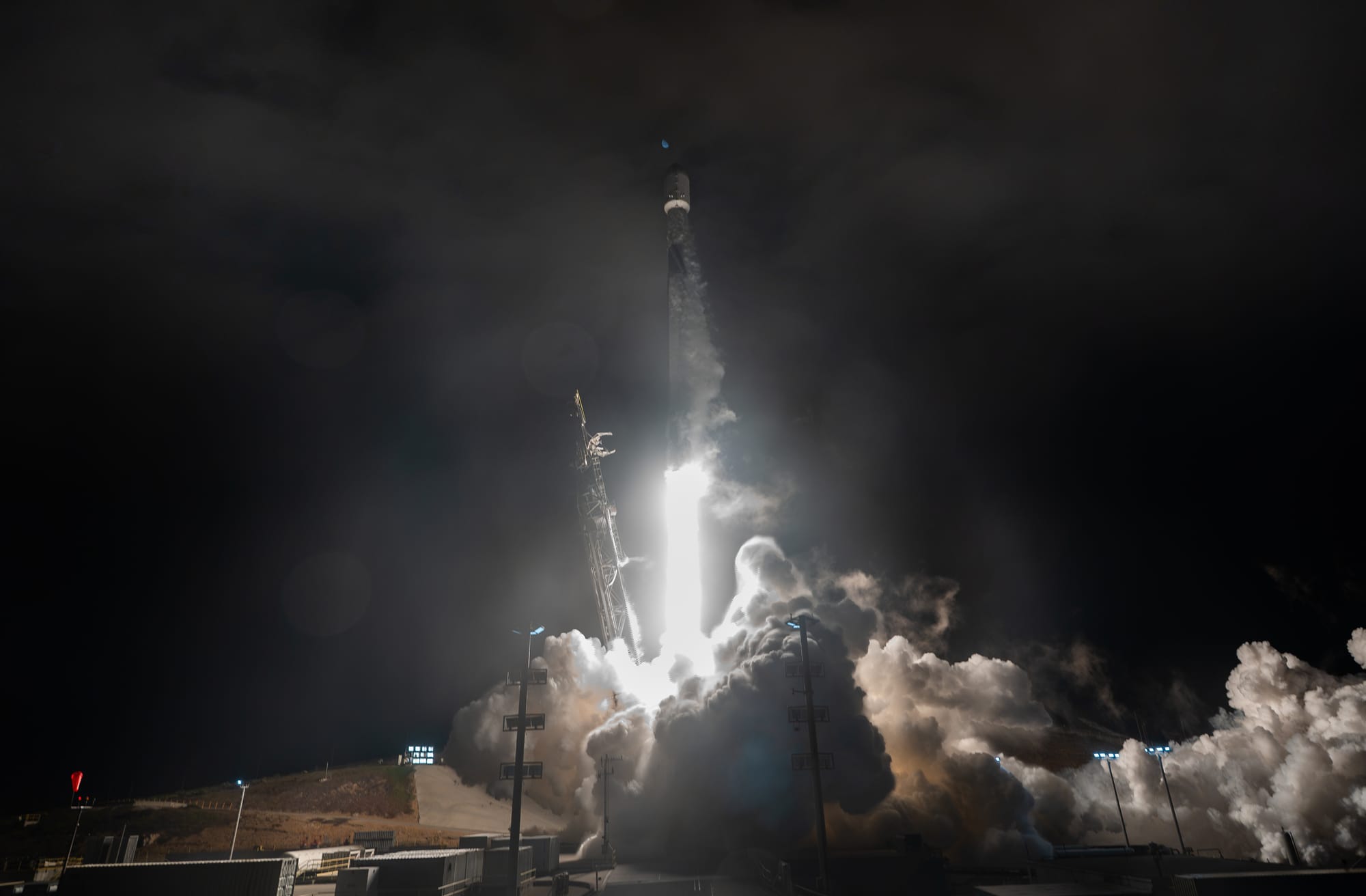
September 2nd - Falcon 9 with Starlink Group 15-23
Twenty-seven Starlink satellites were placed into low Earth orbit by a Falcon 9 flying from Space Launch Complex 4E, in California. The booster supporting this launch was B1063, flying for the thirty-fifth time and landing downrange on the drone ship 'Of Course I Still Love You'.
September 2nd - Electron for 'Owl Around The World'
Rocket Lab's Electron flew from Launch Complex 1B, on the Māhia Peninsula in New Zealand, to bring a remote sensing satellite into low Earth orbit for Synspective. That satellite is part of their 'StriX' series, which can image the Earth below at a resolution between 1 and 3 meters.
LIFTOFF! Electron has launched for the 94th time🚀 pic.twitter.com/VGnpXfnNVp
— Rocket Lab (@RocketLab) September 2, 2026
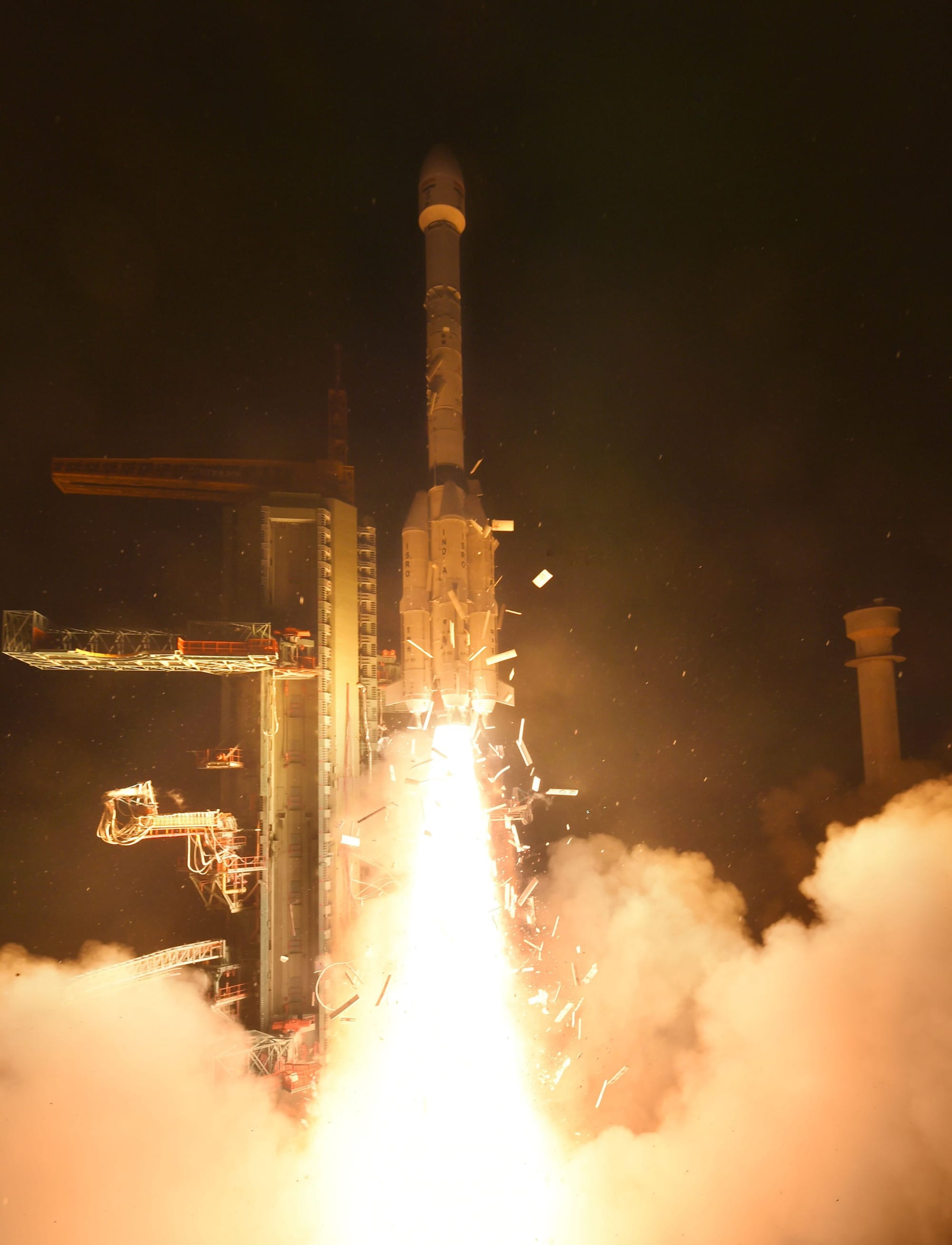
September 3rd - GSLV Mk-II with EOS-05
India's GSLV Mk-II blasted off from the Satish Dhawan Space Centre and headed for a geostationary transfer orbit with the EOS-05 satellite. EOS-05 is set to provide images in a rapid manner during natural disasters on the subcontinent.
September 5th - Spectrum for 'Onward and Upward'
From the Andøya Spaceport, in Norway and within the Arctic Circle, Isar Aerospace's Spectrum rocket lifted off for the second time, heading for a low Earth orbit near the poles. That launch was a success and allowed for the deployment of the CubeSats FramSat-1, SpaceTeamSat-1, Platform-6, TriSat-S, and CyBEEsat.
Liftoff: German company Isar Aerospace launched their Spectrum launcher, lifting off from Andøya Spaceport in Norway. 👏🚀
— ESA Space Transport (@transport.esa.int) 5 September 2026 at 21:31
[image or embed]
In Other Space News
Türkiye signs Artemis Accords
On August 31st, Türkiye signed the Artemis Accords at NASA Headquarters in Washington D.C., with Minister of Industry and Technology Mehmet Fatih Kacır there on behalf of his country. Via Twitter, the Minister commented:
"Türkiye remains committed to taking steps to enhance international space cooperation for peaceful purposes. Under the visionary leadership of President Recep Tayyip Erdoğan, our National Space Program will continue to deliver outcomes for the common good of humanity."
With Türkiye's signing of the accords, the signatories now consist of seventy-one nations, over a third of the member states of the United Nations.
Back in 2024, the nation was exploring joining the International Lunar Research Station, led by China alongside a dozen national-level members and many sub-national parties. It's unclear if Türkiye is still exploring doing so.
Swift resumes science ahead of fall from orbit
Following the failure of its rescue spacecraft to reach it, the Neil Gehrels Swift Observatory has resumed its scientific observations since late August 28th.
According to NASA, the observatory's ultraviolet-optical and X-ray telescope were turned back on August 26th, while efforts to reactivate the Burst Alert Telescope are still underway. All of those instruments were offline for several weeks to conserve power, so the observatory could orbit in a reduced drag profile to slow the rate at which it falls from orbit.
At present, NASA expects the Neil Gehrels Swift Observatory to fall into the atmosphere for a destructive reentry sometime after October. The observatory has no propulsion of its own and will have no control over where it comes back to Earth.
As for the spacecraft that was meant to save it, known as 'LINK', it came within 15 kilometers of the observatory via the use of its electric propulsion system. 'LINK' is set to remain in orbit for approximately three more weeks.
What to Expect Next Week
September 6th - Falcon 9 with Starlink Group 15-24
A Falcon 9 will depart from Space Launch Complex 4E to bring a new batch of Starlink satellites into low Earth orbit.
September 9th - Long March 2 or 4 series with a to-be-announced payload
From the Taiyuan Satellite Launch Center, either a Long March 2 rocket with a Yuanzheng upper-stage or a Long March 4 series launch vehicle will fly into low Earth orbit to deliver an unrevealed satellite.
September 9th - Soyuz 2.1b with Progress MS-35
Roscosmos will resupply the International Space Station with the launch of the Progress MS-35 cargo mission atop of a Soyuz 2.1b from the Baikonur Cosmodrome.
September 10th - Falcon 9 with USSF-153
Another Falcon 9 will launch from Space Launch Complex 4E to start the USSF-153 mission on behalf of the United States Space Force, deploying an unknown number of military satellites.
September 11th - Long March 8A with a group of connectivity satellites
A Long March 8A is preparing to fly from the Wenchang Commercial Space Launch Site to deliver another group of satellites for either the Qianfan or GuoWang constellations.