Weekly Dose of Space (2/8-8/8)


Welcome back to Weekly Dose of Space! Last week had four launches taking place globally, with most to expand space-based connectivity constellations. News of the week still has Ship 40 floating near Australia and a NASA telescope savior remaining in spin. As always, we'll also look ahead to what the worldwide launch schedule might look like next week.
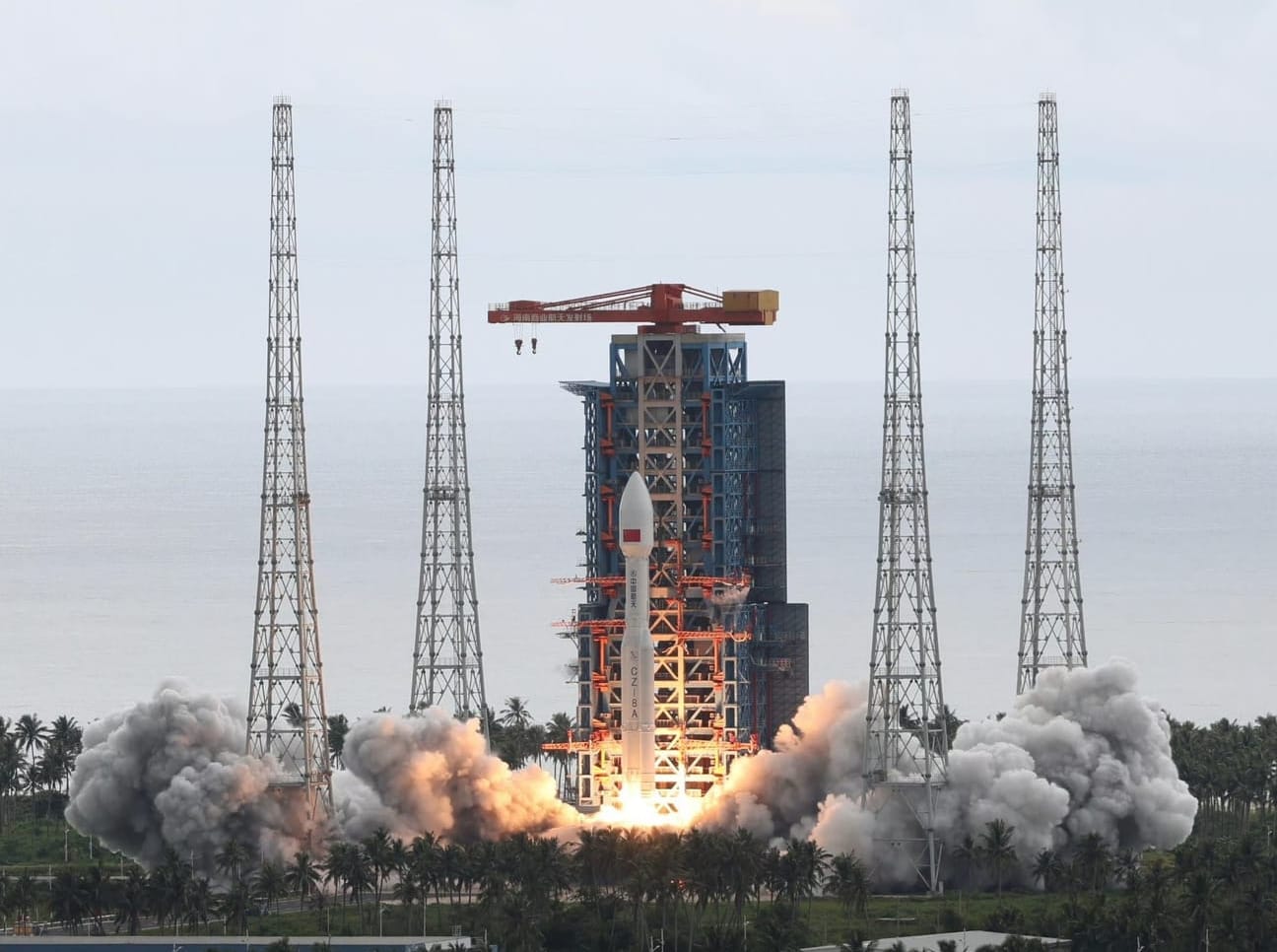
August 4th - Long March 8A with GuoWang Group 23
A Long March 8A flew from the Wenchang Commercial Space Launch Site to bring nine GuoWang satellites into low Earth orbit, deploying them close to their operational altitude. This deployment brings the constellation's spacecraft count up to 186.
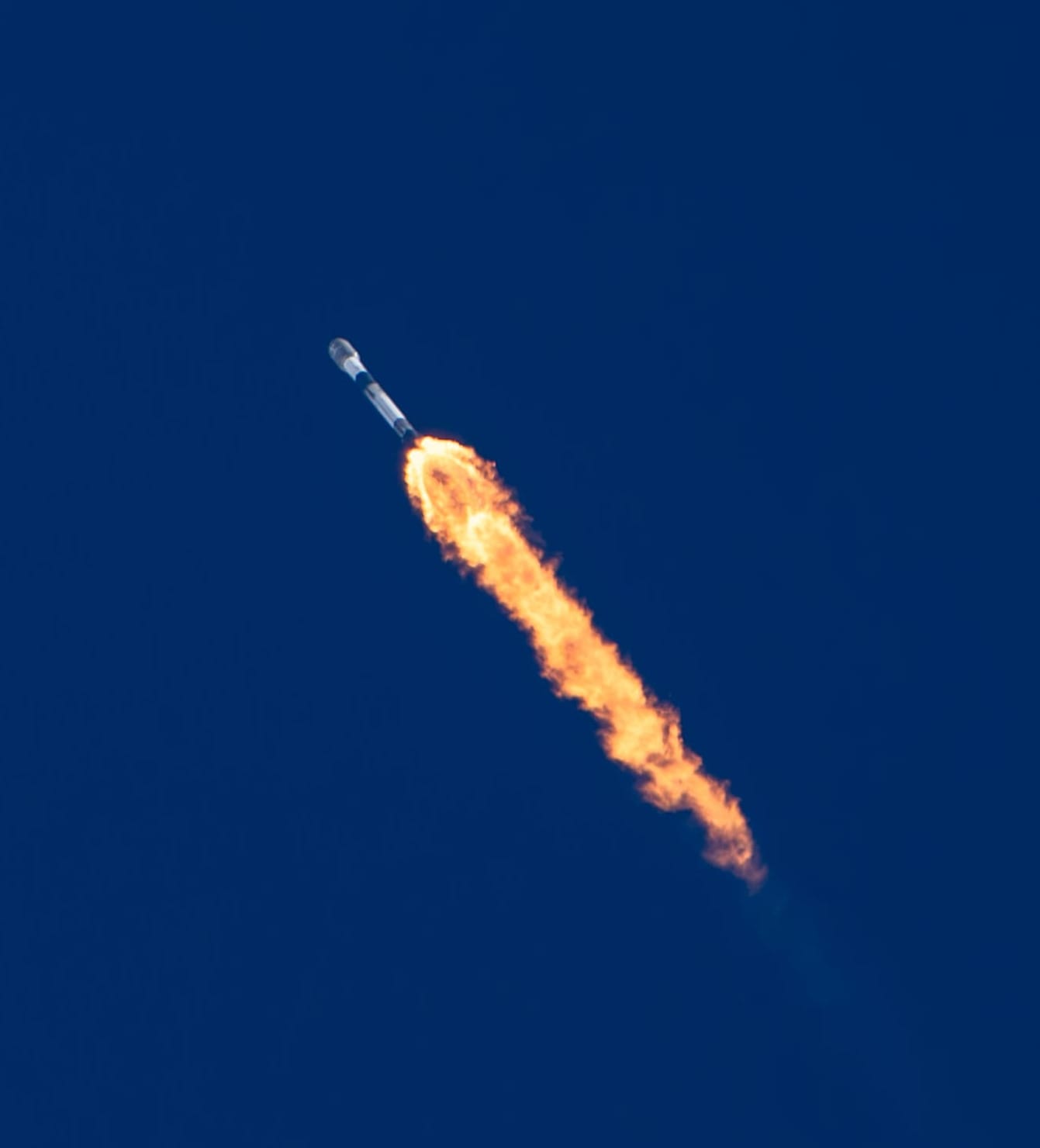
August 4th - Falcon 9 with Starlink Group 17-53
Twenty-four Starlink satellites were brought into low Earth orbit by a Falcon 9 flying from Space Launch Complex 4E, in California. Supporting this launch was booster B1063, launching for the thirty-fourth time and touching down on the drone ship 'Of Course I Still Love You' downrange.
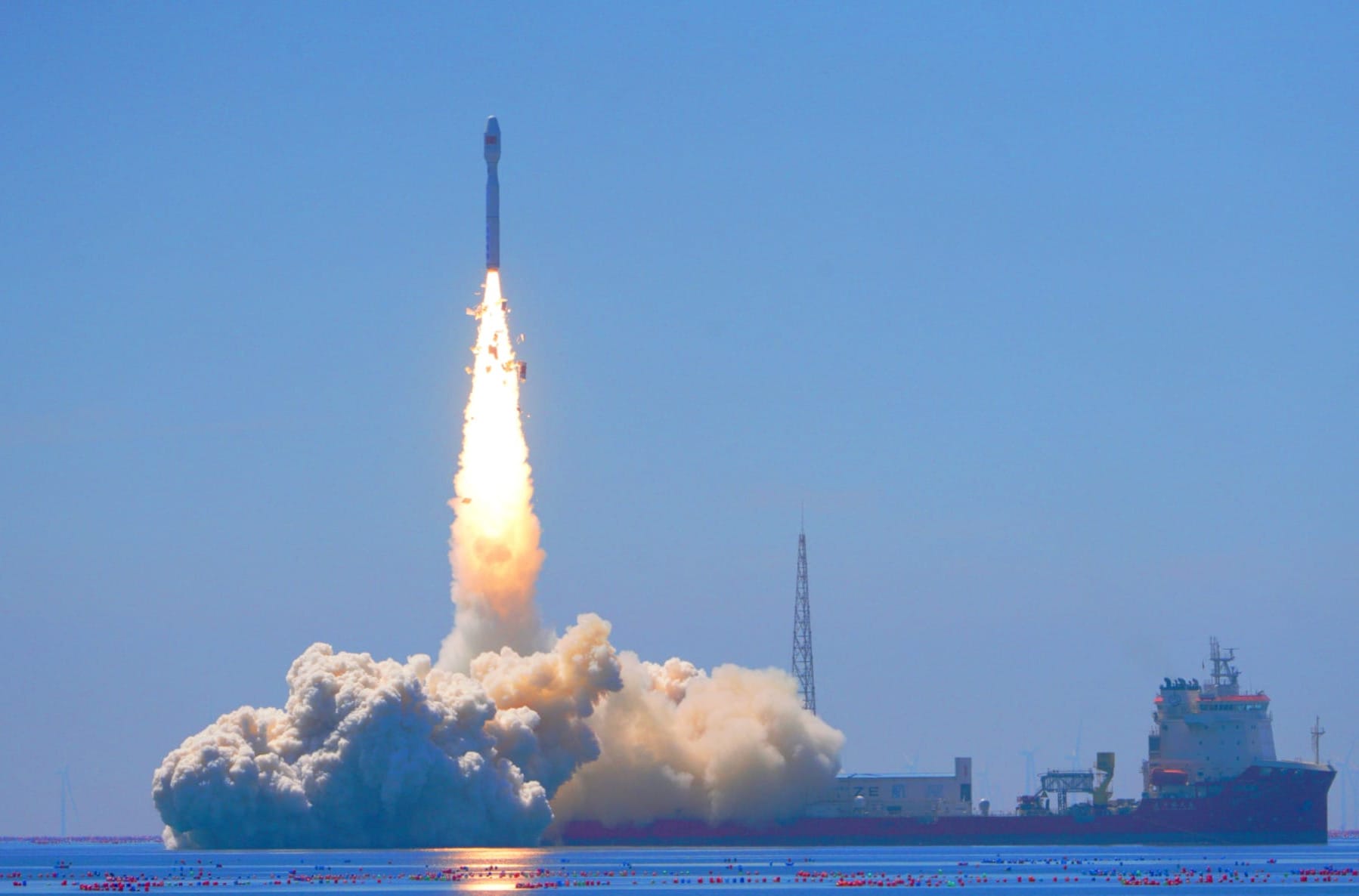
August 5th - Jielong-3 with Lampung-1 & Samarqand-2028
Off of the Yellow Sea, a Jielong-3 brought a satellite for Indonesia and Uzbekistan into sun-synchronous orbit, both sourced from China's STAR.VISION. Each tasked with hyperspectral remote sensing, the Indonesian satellite is dubbed Lampung-1 and the Uzbek one is called Samarqand-2028.
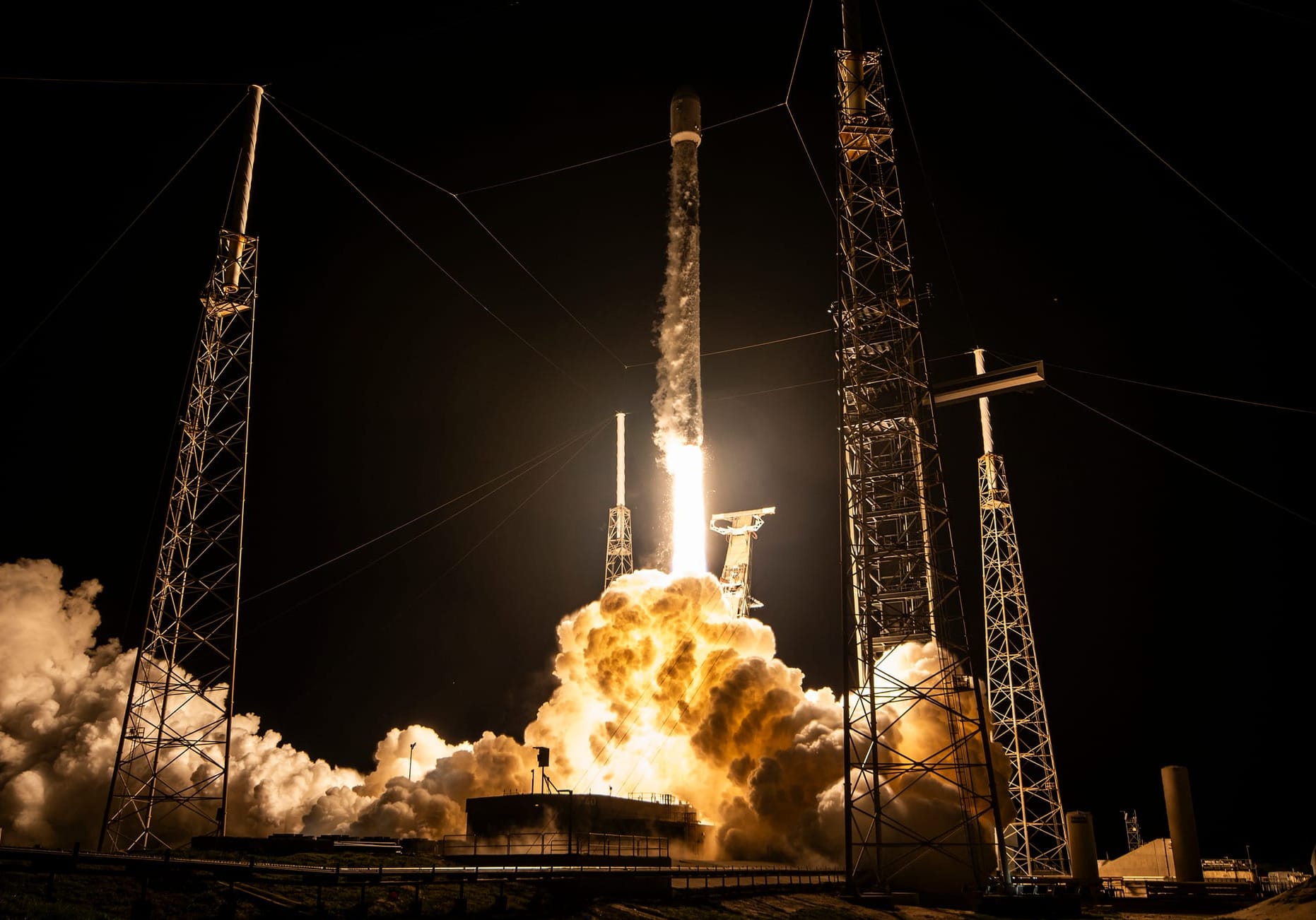
August 5th - Falcon 9 with three BlueBirds
AST SpaceMobile had three of its BlueBird satellites brought into low Earth orbit via a Falcon 9, departing Space Launch Complex 40, to expand its space-based mobile connectivity constellation to thirteen spacecraft. Booster B1077 supported this launch for its thirtieth mission, landing downrange on the drone ship 'A Shortfall Of Gravitas'.
August 6th - Electron for 'The Grain Goddess Provides'
Rocket Lab flew its Electron rocket from Launch Complex 1A, on the Māhia Peninsula in New Zealand, into low Earth orbit to deliver a synthetic aperture radar satellite. That satellite belongs to iQPS and is part of a constellation aiming to image any part of Earth every ten minutes.
New camera angle. pic.twitter.com/28uVbMT3BN
— Peter Beck (@Peter_J_Beck) August 6, 2026
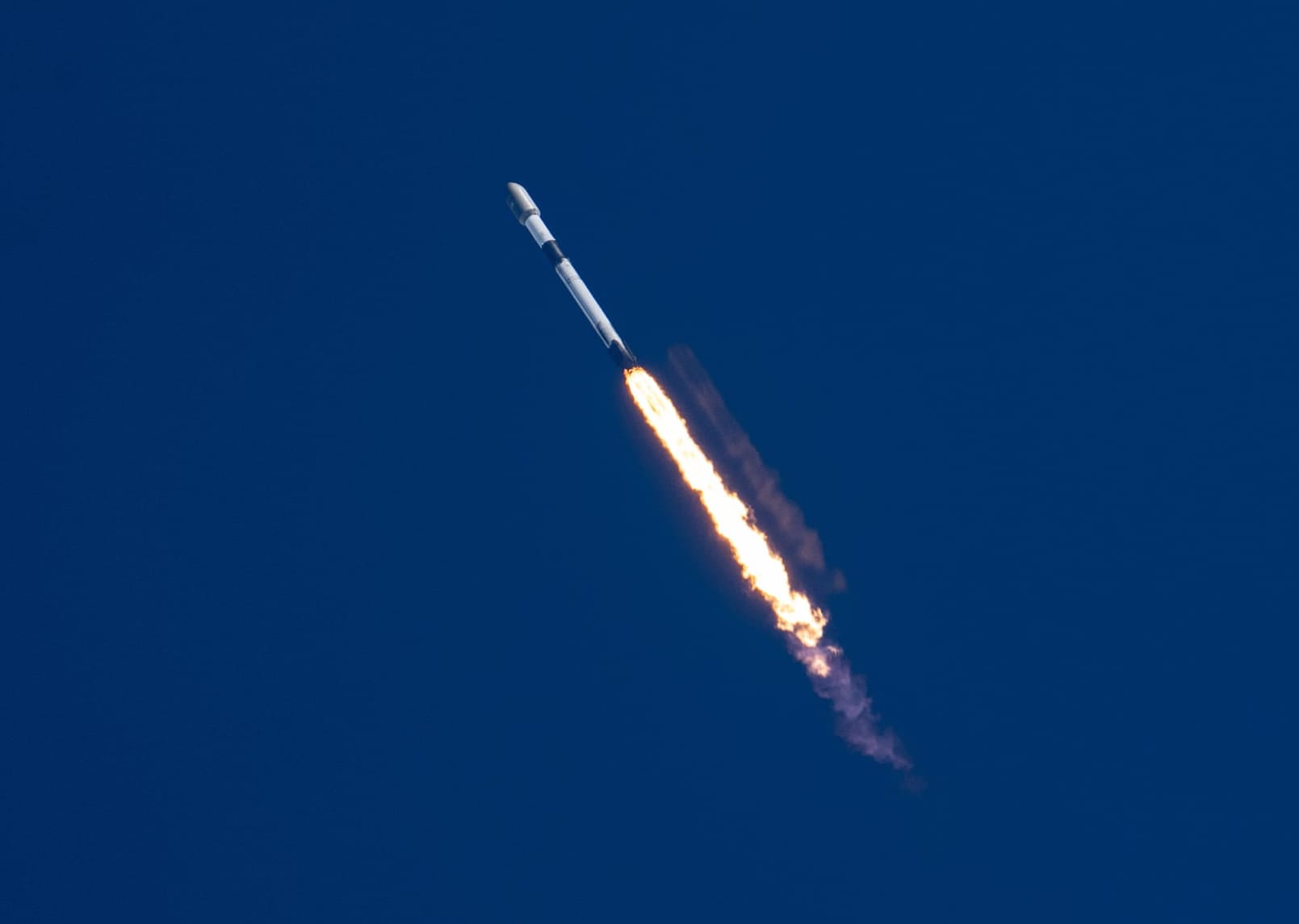
August 8th - Falcon 9 with Starlink Group 17-38
Another twenty-four Starlink satellites left Earth from Space Launch Complex 4E atop of a Falcon 9 to enter low Earth orbit. Supporting this deployment was booster B1093 for its sixteenth flight, being recovered downrange on the drone ship 'Of Course I Still Love You'.
In Other Space News
'LINK' spacecraft remains in spin
NASA and Katalyst Space announced on July 28th that the 'LINK' spacecraft, designed to save the Neil Gehrels Swift Observatory before it falls out of orbit, was stuck in a serious spin preventing the mission from moving forward as originally planned.
In the time since then, teams working with the spacecraft have been attempting to slow its spin. At the end of July, it was shared that the spin has been reduced from 9 degrees per second of rotation to about 4, and then further reduced to 1.47 by August 6th. A reduction in the spin rate was performed with burns of the primary electrical propulsion system, using around 100 grams of propellant.
Over the coming days, 'LINK' is set to remain spinning at 1.47 degrees per second while a joint team reconfigures onboard software to work with the faulty hardware that caused the spin. Katalyst Space hopes to come into proximity of the Neil Gehrels Swift Observatory towards the end of August; NASA has not said if it has come to a determination on the safety of proceeding.
Ship 40 still at sea
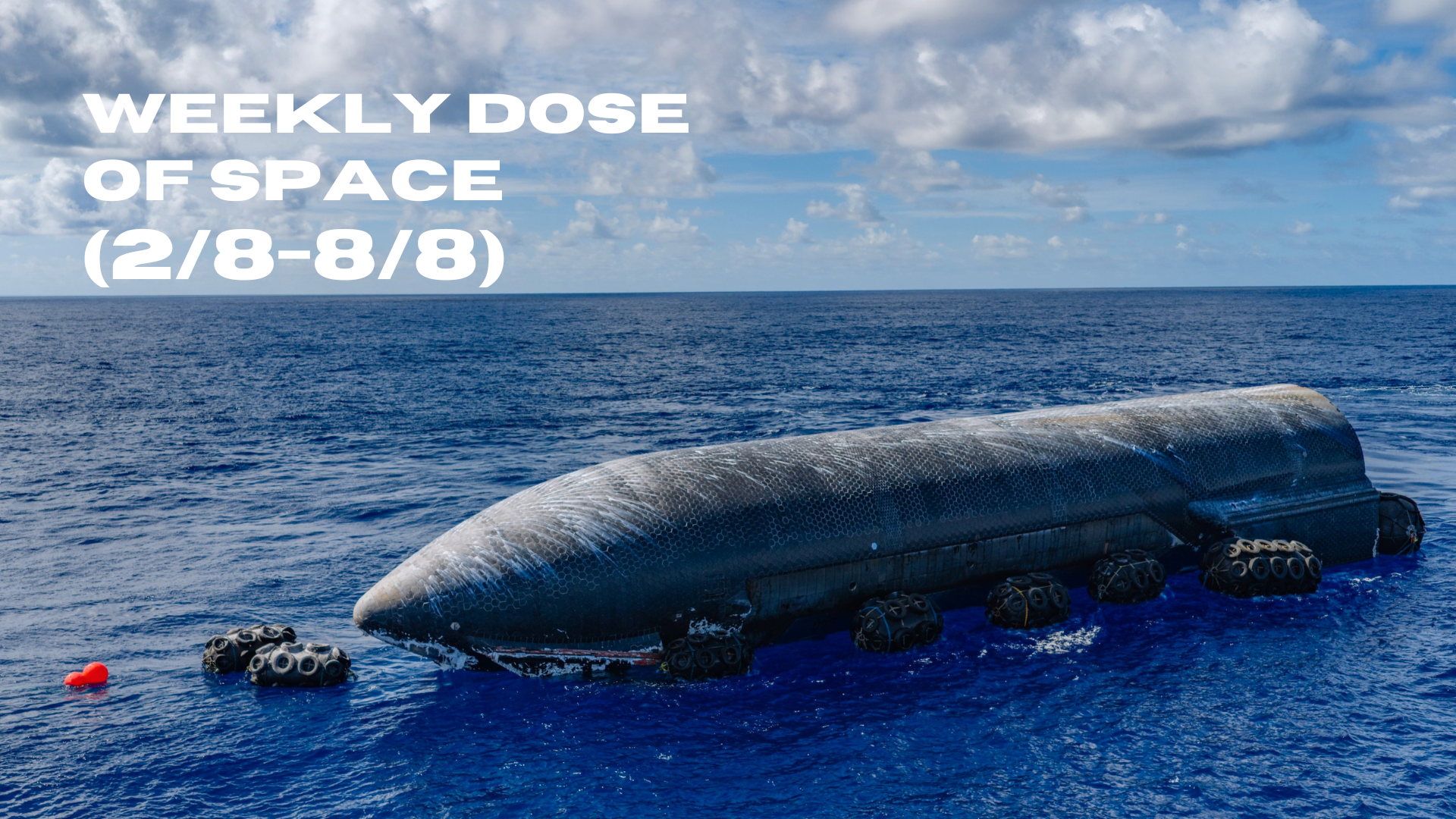
The SpaceX Recovery team is still working to recover Flight 13’s Starship from the Indian Ocean. They’ve been overcoming challenging conditions and increasingly rough seas as they attempt to guide the 52m long spacecraft to port pic.twitter.com/ECT5FyCvr7
— SpaceX (@SpaceX) August 7, 2026
It has been just over two weeks since Starship flew its thirteenth test mission, culminating in Ship 40 gently splashing down in the Indian Ocean. That resulted in SpaceX scrambling to send out vessels in an attempt to bring it to a nearby port.
As publicly revealed through satellite imagery, three vessels have been attempting to tow Ship 40 engine-section first towards the western coast of Australia. SpaceX later shared its own images from up close, showing the 52-meter long upper-stage supported by several fenders to maintain its thermal protection tiles-up position.
Few updates about the status of the efforts to bring Ship 40 towards shore, but SpaceX Chief Executive Officer Elon Musk said on social media that the near future is not looking good, referring to inbound bad weather. He did add the following as some good news:
"Nonetheless, we were able to obtain close-up photos of critical regions of the heat shield and engines for future upgrades."
What to Expect Next Week
August 10th - Long March 7A with a to-be-announced satellite
From the Wenchang Space Launch Site, a Long March 7A will fly towards geostationary space to bring a currently unknown spacecraft into orbit.
August 10th - Falcon 9 with Starlink Group 10-19
SpaceX is set to bring a new batch of Starlink satellites into low Earth orbit from Space Launch Complex 40.
August 10th - H3 with Michibiki-7
Japan's H3 rocket is set to launch from the Tanegashima Space Center into a geostationary transfer orbit to bring the Michibiki-7 navigation satellite on a path towards its intended operational slot.
August 10th - Zhuque-3 for its second mission
LandSpace is preparing the second flight of its partially reusable Zhuque-3 launch vehicle, departing from the Jiuquan Satellite Launch Center, which will have the first-stage attempt to land downrange, while the second-stage may bring satellites into low Earth orbit.
August 12th - Falcon 9 with Starlink Group 17-49
Another Falcon 9 is expected to place more Starlink satellites into low Earth orbit, launching from Space Launch Complex 4E.
August 15th - Falcon 9 with an unknown payload
SpaceX is readying a Falcon 9 for launch from Space Launch Complex 4E to bring a currently undisclosed set of payloads into low Earth orbit, possibly belonging to the U.S. military.