Weekly Dose of Space (26/7-1/8)


Welcome back to Weekly Dose of Space! This week has seen four orbital launches occurring worldwide, most carrying a type of communication satellites. News from the week has Rocket Lab expanding to Alaska and Ship 40 still being afloat following its flight last week. As always, we'll also look ahead to what the worldwide launch schedule might look like next week.
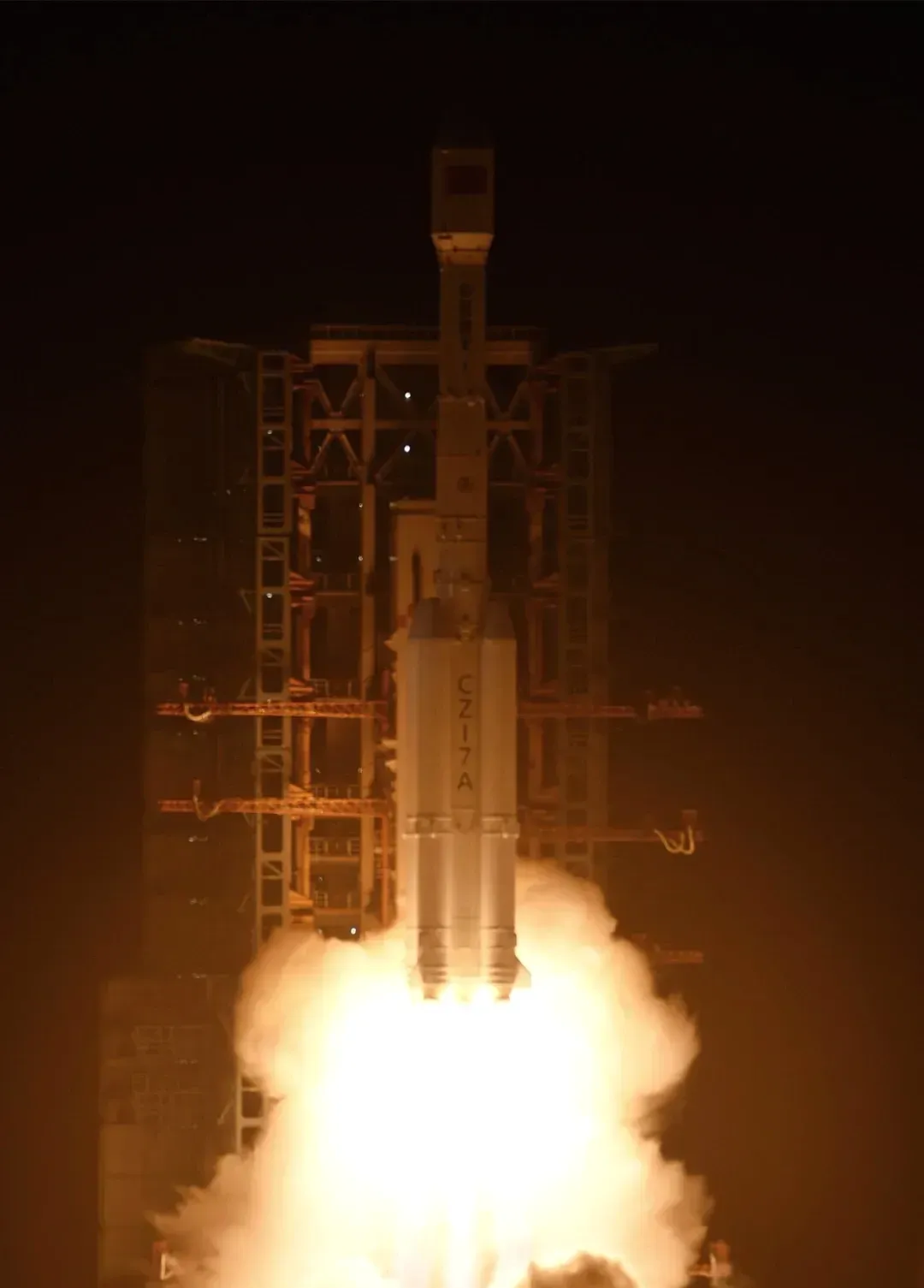
July 29th - Long March 7A with Tianlian-3-01
From the Wenchang Space Launch Site, a Long March 7A brought the Tianlian-3-01 relay satellite onto a geostationary transfer orbit. Tianlian-3-01 is the first part of the third-generation relay network for China's permanently crewed Tiangong Space Station, as well as the Shenzhou and Tianzhou spacecraft that visit it.
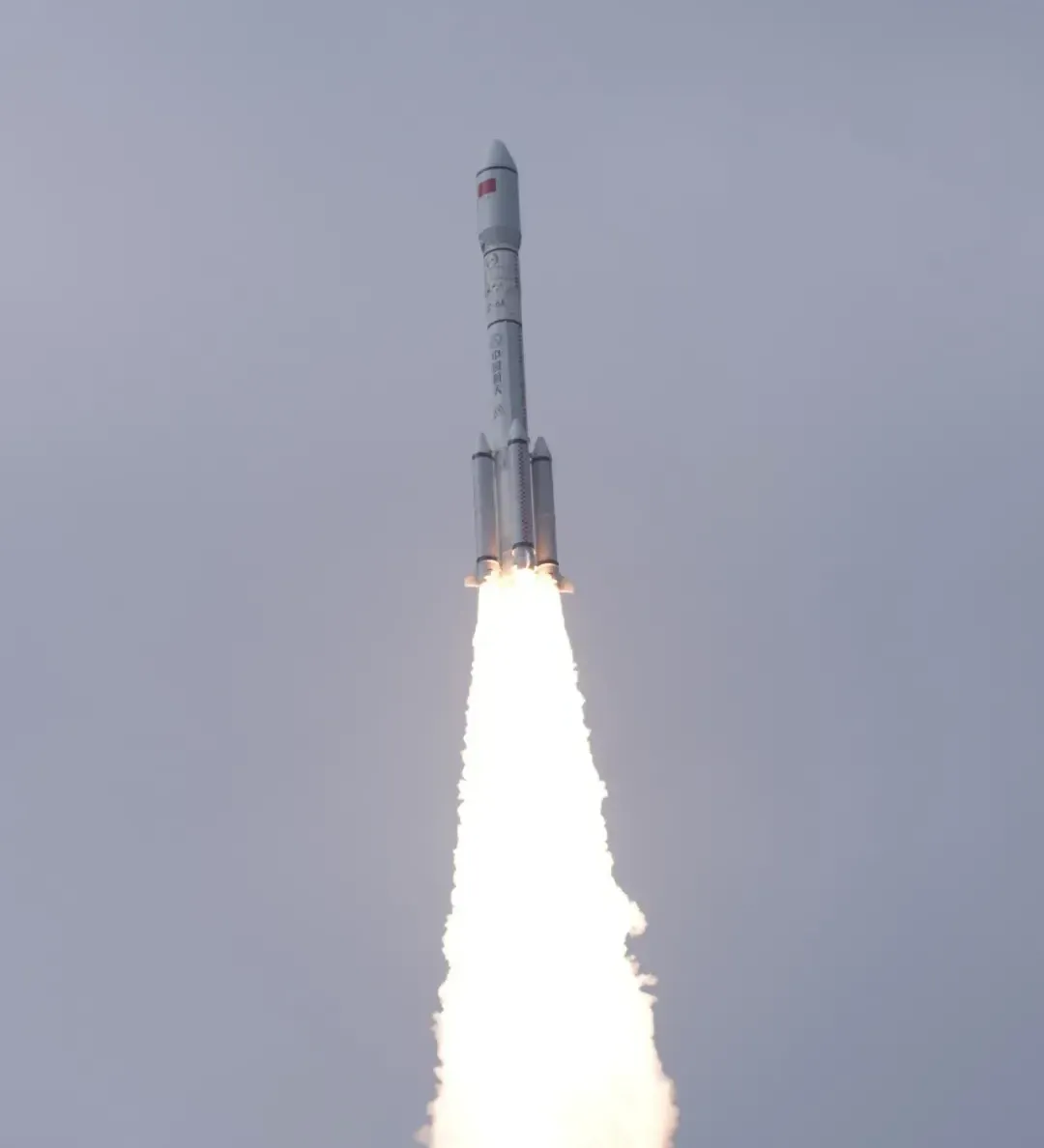
July 30th - Long March 6A with TJSW-27A and 27B
A Long March 6A blasted off from the Taiyuan Satellite Launch Center to bring the TJSW-27A and TJSW-27B satellites into a highly-inclined low Earth orbit. The TJSW pair are reportedly tasked with demonstrating multi-band, high-throughput communications technologies for radio, television, and data transmission.
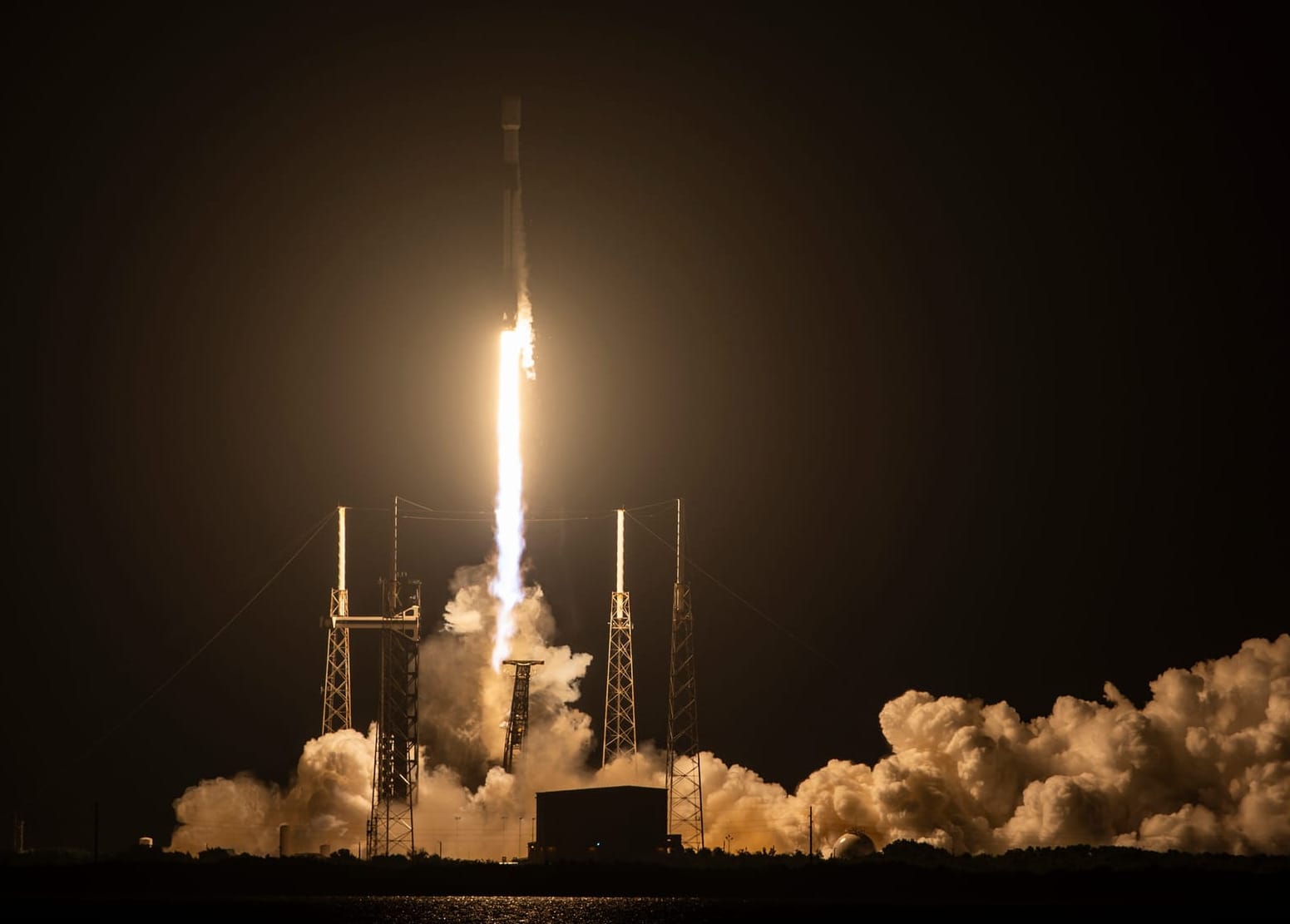
July 30th - Falcon 9 for NROL-95
SpaceX launched a U.S. military satellite into Earth orbit on behalf of the National Reconnaissance Office, via a Falcon 9 departing from Space Launch Complex 40, in Florida. Supporting this mission was booster B1096 for its seventh flight, with it touching down at Landing Zone 2 afterwards.
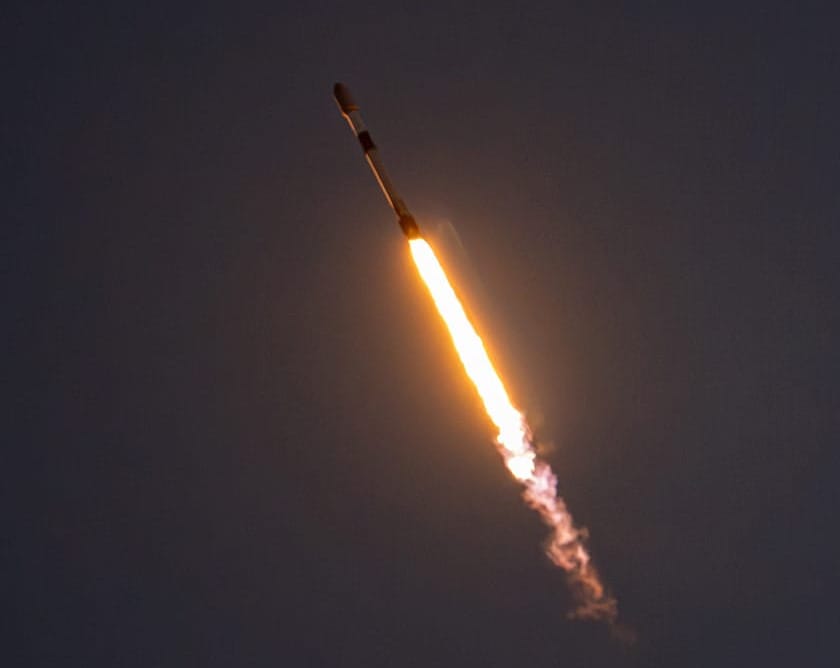
August 1st - Falcon 9 with Starlink Group 17-52
Twenty-four Starlink satellites were brought into low Earth orbit by a Falcon 9 flying from Space Launch Complex 4E, in California. The booster supporting this launch was B1081, flying for the twenty-sixth time and landing downrange on the drone ship 'Of Course I Still Love You'.
In Other Space News
Rocket Lab to fly from Alaska
Rocket Lab has recently received a 266 million United States Dollar contract from the U.S. Space Force to launch up to eighteen suborbital missions from the Pacific Spaceport Complex, located in Kodiak, Alaska. That will see a new dedicated launch pad established.
Those launches would be using the Electron rocket in its HASTE (Hypersonic Accelerator Suborbital Test Electron) configuration, used for hypersonic technology demonstrations and weapons testing.
In a social media post about the contract, Rocket Lab noted that Alaska based launched would unlock new orbits for Electron missions, hinting that they may fly more than just U.S. military development flights. The company also dubbed the new launch pad 'Launch Complex 4'.
Ship 40 awaiting recovery attempts
Starship still floating in the ocean pic.twitter.com/eYm4OjDMf6
— Elon Musk (@elonmusk) July 29, 2026
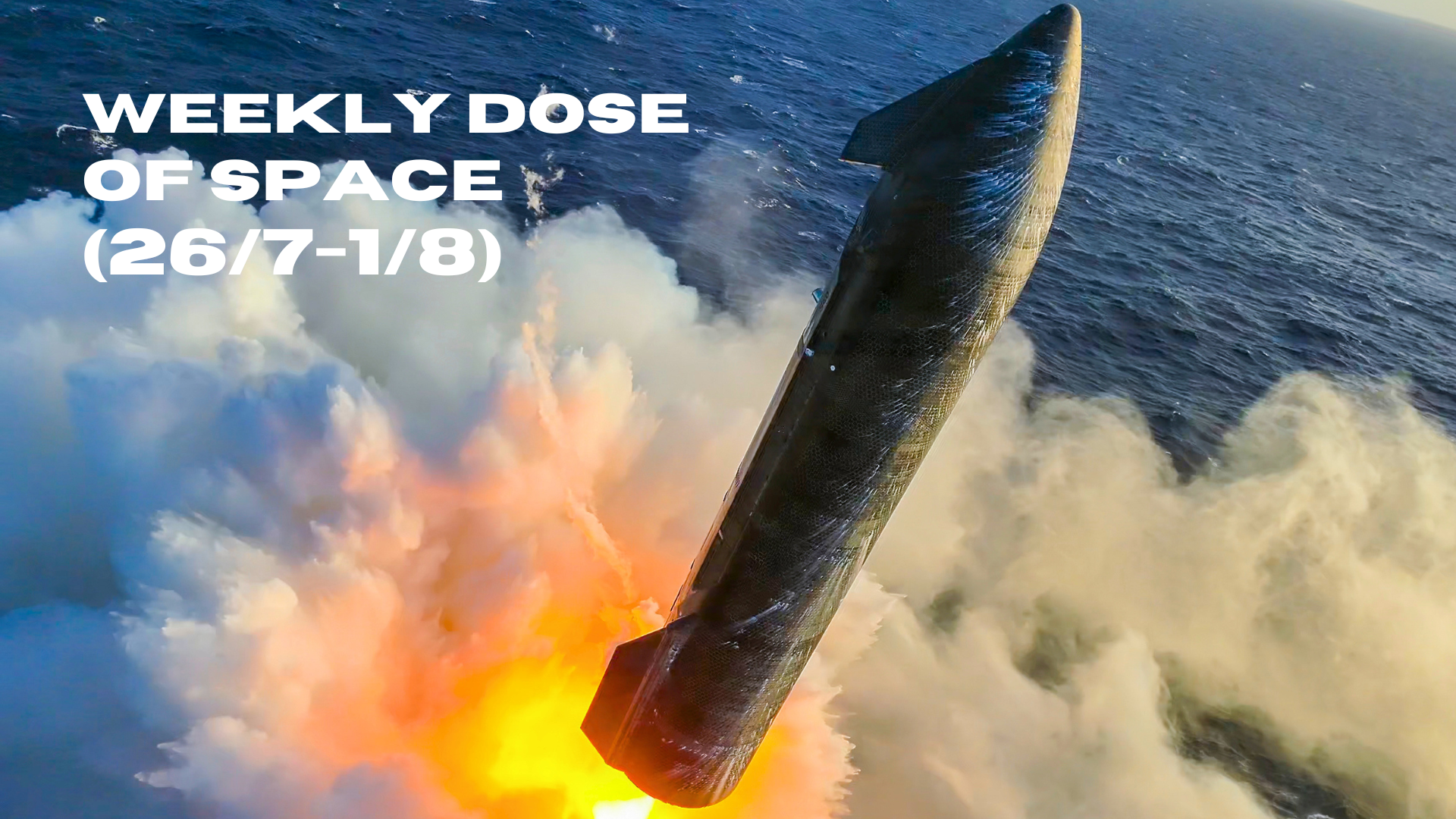
Last week Starship performed its thirteenth flight test, flying from South Texas to the Indian Ocean, just off the west coast of Australia. At the end of the flight test, Ship 40 became the first Starship vehicle to gently touch down after spending limited time in space.
In the days since, Ship 40 has drifted about 400 kilometers to the northwest while being accompanied by a SpaceX support vessel, which deployed floating cameras ahead of flight.
SpaceX has not given up on Ship 40, so to say, with officials sharing that attempts to recover it are underway, with two vessels sailing from western Australia to do so.
What to Expect Next Week
August 4th - Long March 8A with connectivity satellites
A Long March 8A is preparing to fly from the Wenchang Commercial Space Launch Site to carry a group of connectivity satellites, for either the Qianfan or GuoWang constellations, into low Earth orbit.
August 4th - Falcon 9 with Starlink Group 17-53
Falcon 9 is set to launch a batch of Starlink satellites into low Earth orbit from Space Launch Complex 4E.
August 5th - Jielong-3 with two satellites
A Jielong-3 is expected to launch from the Yellow Sea and into sun-synchronous orbit carrying two hyperspectral remote sensing satellites.
August 5th - Falcon 9 with three BlueBird satellites
AST SpaceMobile will have three of its BlueBird mobile connectivity satellites brought into low Earth orbit by a Falcon 9 flying from Space Launch Complex 40.
August 6th - H3 with Michibiki-7
Japan's H3 rocket is set to launch from the Tanegashima Space Center into a geostationary transfer orbit to bring the Michibiki-7 navigation satellite on a path towards its intended operational slot.
August 8th - Falcon 9 with Starlink Group 17-38
Another Falcon 9 with bring more Starlink satellites into low Earth orbit with a launch departing from Space Launch Complex 4E.