Weekly Dose of Space (19/7-25/7)


Welcome back to Weekly Dose of Space! Last week had eight launches occurring globally, with half deploying connectivity satellites. News of the week has wildfires threatening spacecraft communication sites in Europe and United Launch Alliance receiving external support. As always, we'll also look ahead to what the worldwide launch schedule might look like next week.
July 19th - Soyuz 2.1b with second set of Rassvet-3
Launching atop of a Soyuz 2.1b from the Plesetsk Cosmodrome, sixteen Rassvet-3 space-based internet satellites were placed into a polar orbit. This is the second launch of the nine hundred spacecraft constellation, now up to thirty-two deployed.
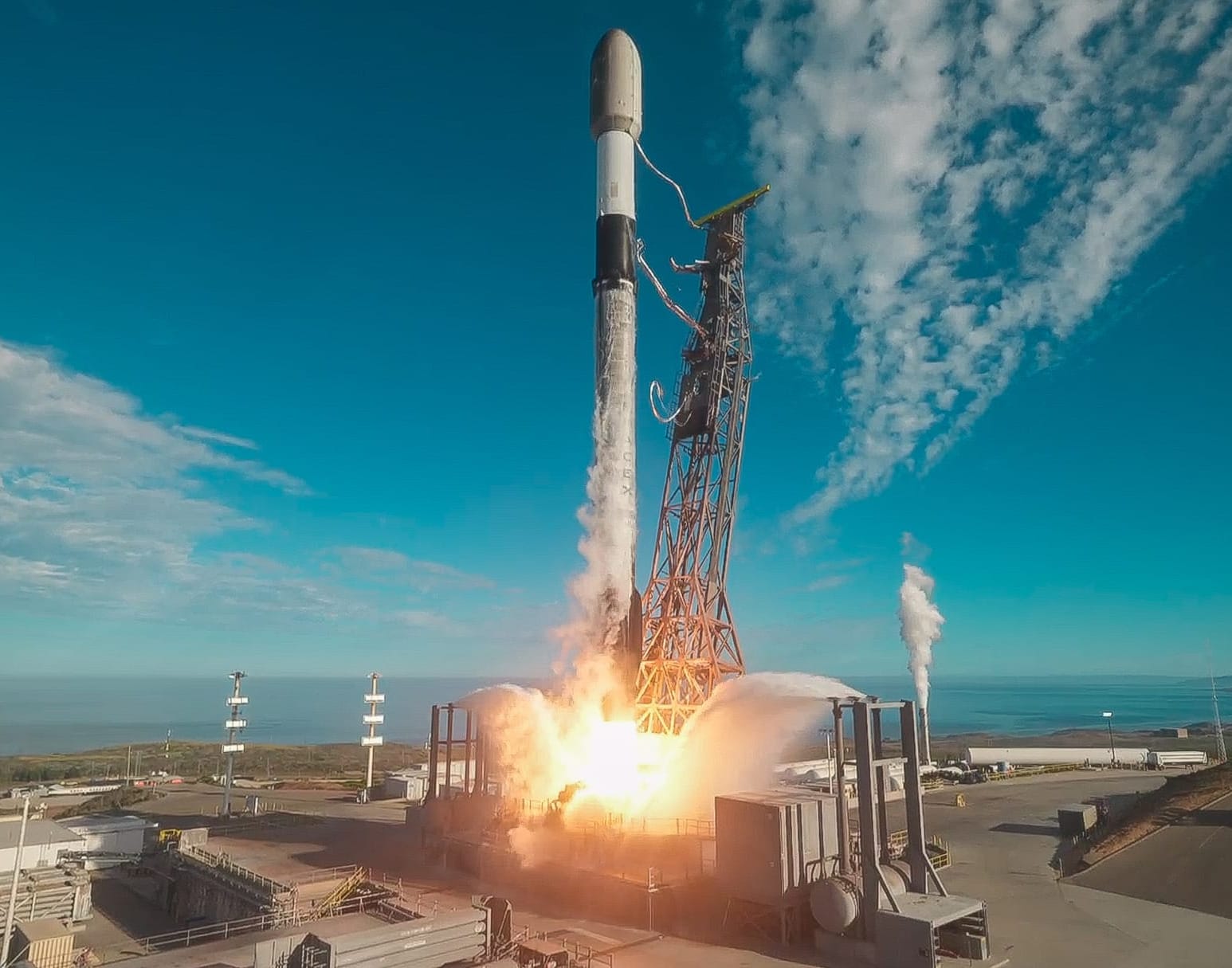
July 21st - Falcon 9 with Starlink Group 17-39
A Falcon 9 brought twenty-four Starlink satellites into low Earth orbit via a mission departing from Space Launch Complex 4E, in California. Supporting this launch was booster B1082, flying for the twenty-third time and landing downrange on the drone ship 'Of Course I Still Love You'.
July 21st - Falcon 9 with Northrop Grumman's MRV-1
SpaceX sent Northrop Grumman's first Mission Robotic Vehicle, alongside three 400-kilogram Mission Extension Pods, into a geostationary transfer orbit via Falcon 9, from Florida's Space Launch Complex 40. Due to the performance needed, booster B1069 was expended after performing its thirty-second and final flight.
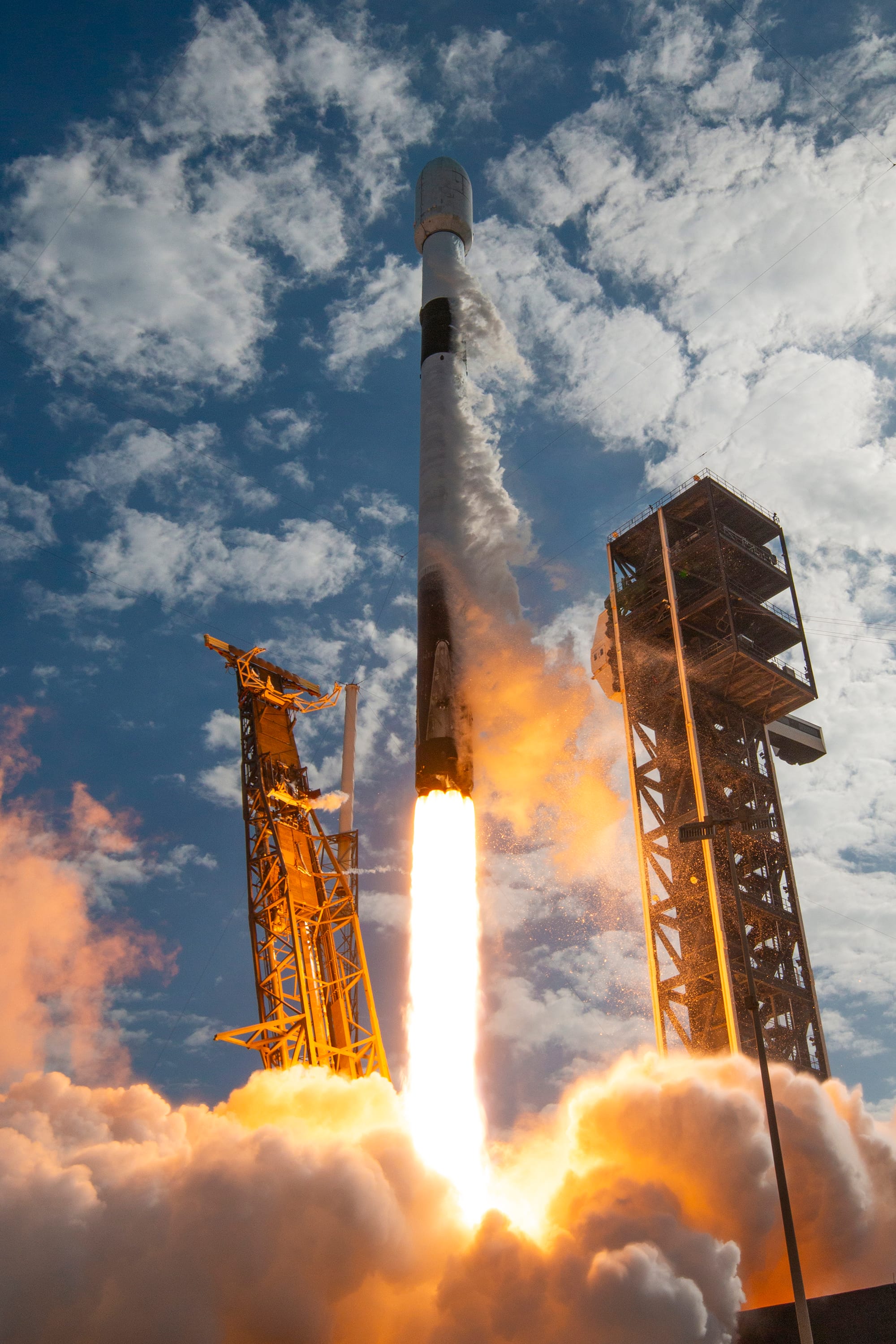
July 22nd - Gravity-1 with nine satellites
Off of a launch vessel in the East China Sea, Orienspace's Gravity-1 flew into sun-synchronous orbit to deliver customer satellites during its third flight. Six of those being launched were Dongpo remote sensing satellites, alongside the Xiguang-2-01 hyperspectral remote sensing satellite, the Tianyi-49 Earth observation spacecraft, and the Lilac-3 ultra-thin spacecraft technology demonstrator.
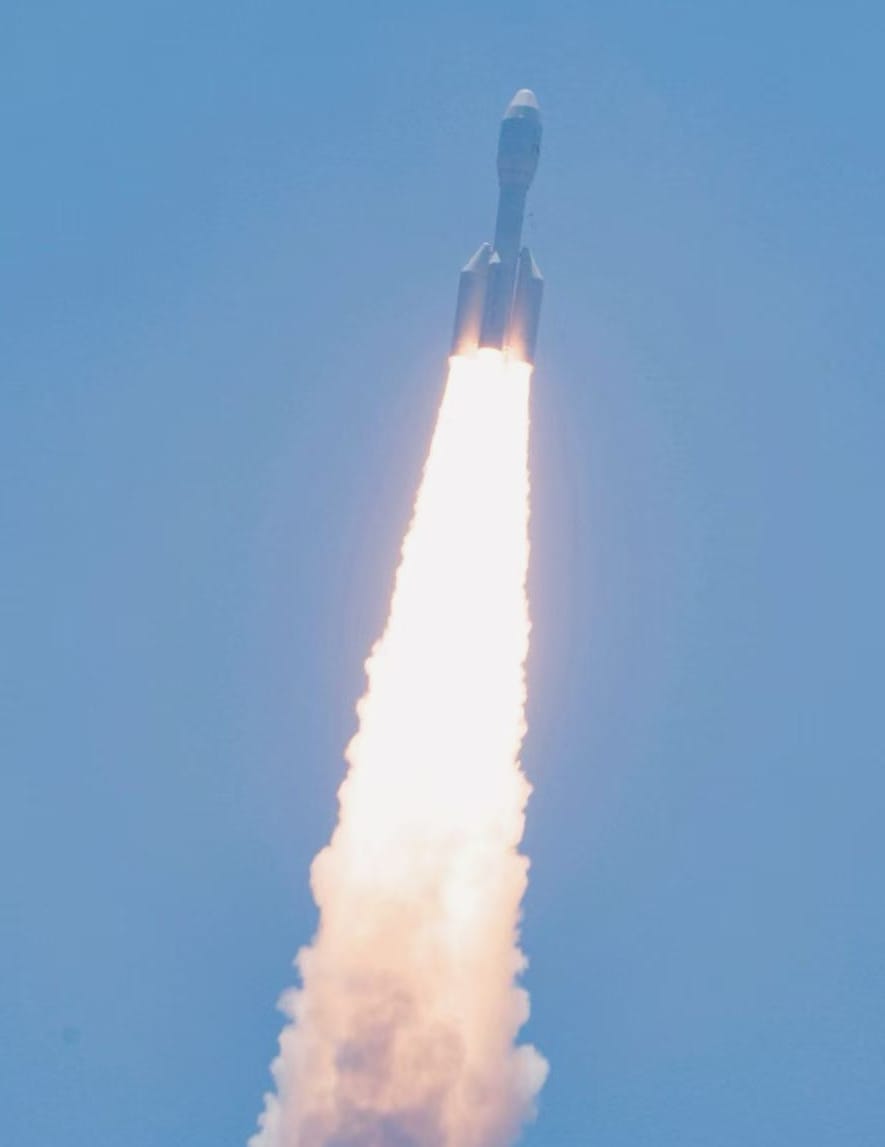
July 23rd - Long March 3B/E with Tianlian-2-06
The Xichang Satellite Launch Center saw a lightning-struck Long March 3B/E heading for a geostationary transfer orbit with the Tianlian-2-06 spacecraft. Tianlian-2-06 is the sixth second-generation communications and data relay satellite for the permanently crewed Tiangong Space Station.
Full video version of the close-up shot above: https://t.co/mu2DpWBoYX pic.twitter.com/FNsFZS5ip8
— Cosmic Penguin (@Cosmic_Penguin) July 23, 2026
July 23rd - Kinetica-1 with five satellites
CAS Space flew is fifteenth Kinetica-1 mission from the Jiuquan Satellite Launch Center and into sun-synchronous orbit with five customer satellites. Satellites being delivered were:
- Chenguang-1, an orbital data center systems and technology demonstration spacecraft.
- Jitian-A-04, a next-generation computing spacecraft testing new GPUs for Zhejiang Lab that could be added to its operational Three-Body Computing Constellation.
- Gande-1-01, a commercial space debris monitoring satellite from Liangxi Space Technology Group.
- Xiguang-2-03, an infrared remote sensing satellite from Xinghuo Chuanming Beijing Technology Co Ltd with an onboard artificial intelligence model processing its imagery.
- Yinglong Fengguang-1, a weather forecasting satellite built for Jiangsu Yinglong Satellite Technology.
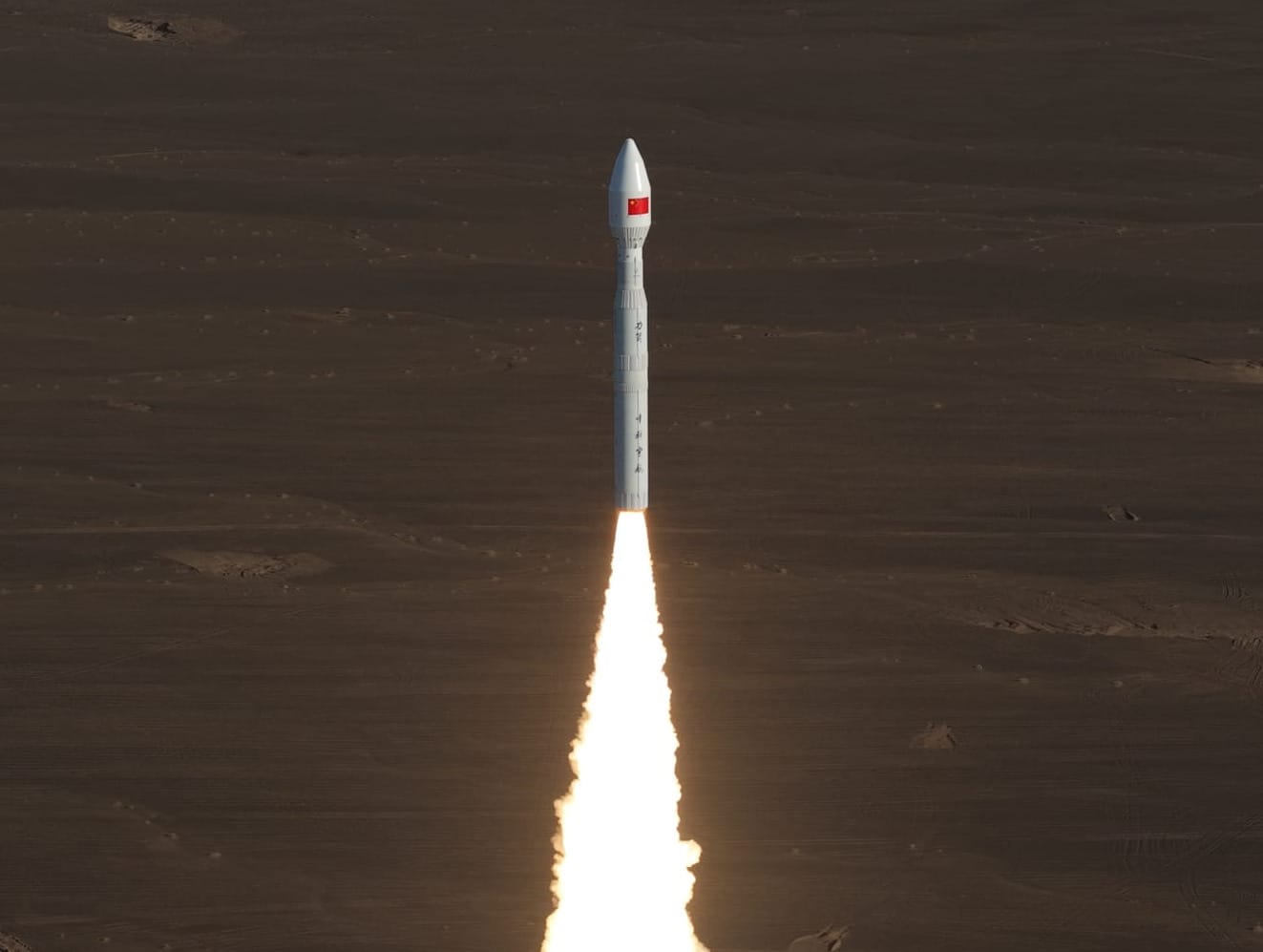
July 24th - Starship-Super Heavy for its thirteenth flight test
SpaceX performed the thirteenth flight test of its Starship-Super Heavy vehicle via the 'Block 3' Ship 40 and Booster 20, lifting off from Starbase's Second Launch Pad. This launch again saw the booster fail to splashdown, while the ship deployed the first twenty Starlink 'Version 3' satellites, onto a suborbital path, and later gently splashed down.
View from above as Starship launched from Pad 2 at Starbase pic.twitter.com/LIXq9EFCpI
— SpaceX (@SpaceX) July 25, 2026
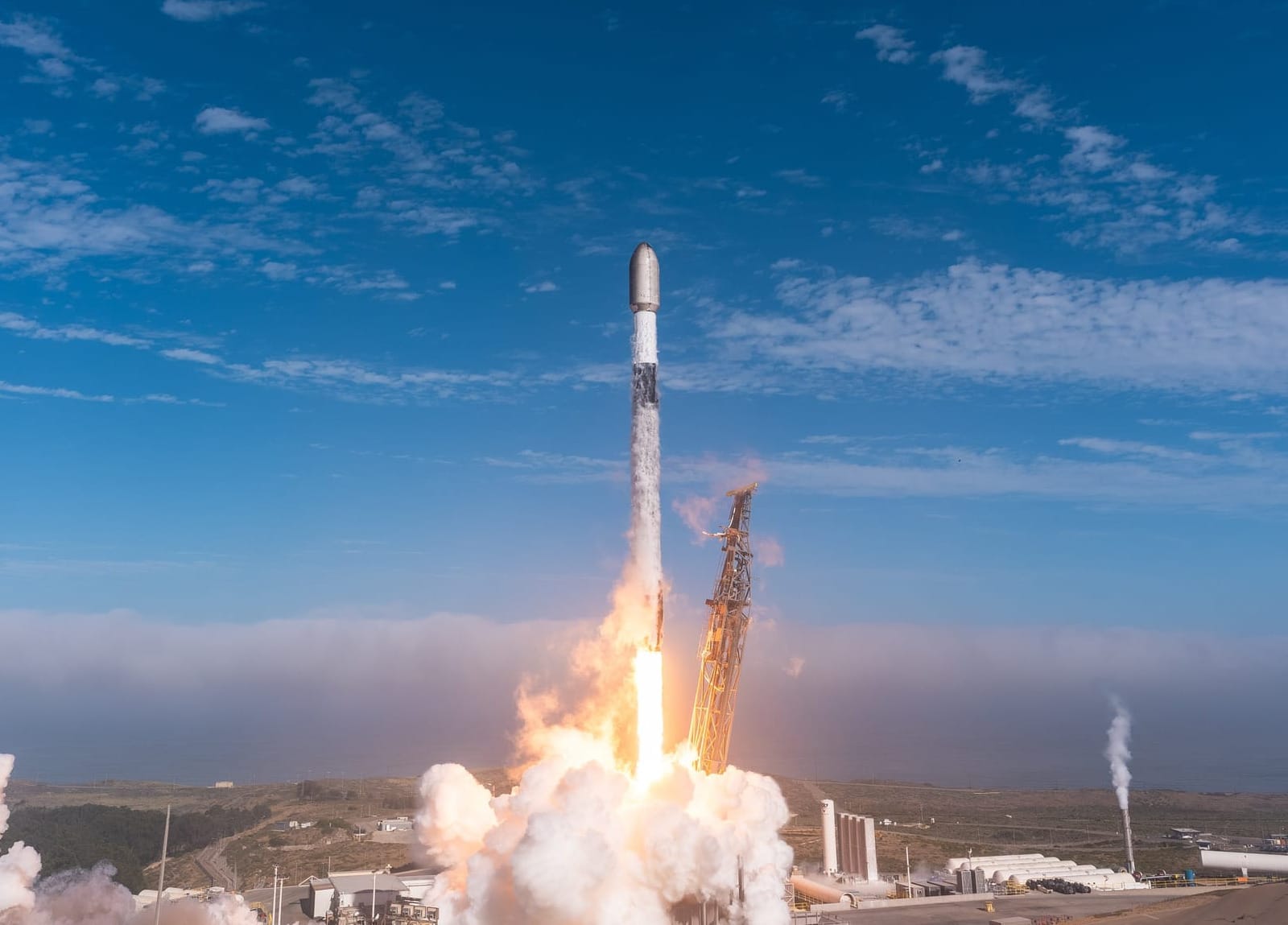
July 25th - Falcon 9 with Starlink Group 17-51
Twenty-four more Starlink satellites were placed into low Earth orbit from Space Launch Complex 4E by Falcon 9. Supporting this launch was booster B1100, launching for the eighth time and landing on the drone ship 'Of Course I Still Love You' downrange.
In Other Space News
NASA, ESA ground stations at risk from wildfires
During the week, human-caused climate change-intensified wildfires have broken out in southern France and central Spain, requiring a quarter of a million people to be evacuated across the two western European nations. Some of the people evacuated include personnel operating and maintaining deep space communications antennas used to talk to interplanetary spacecraft.
American space agency NASA confirmed its staff at the Madrid Deep Space Communications Complex had been evacuated on July 24th, in a statement that partly reads:
"All personnel were safely evacuated. The wildfire has passed through the [Communications Complex]. Any potential damage will be assessed when it is safe to do so. NASA’S Space Communications and Navigation Program is closely monitoring the wildfire activity in coordination with local authorities and the U.S. Embassy. In the meantime, the agency has seamlessly transitioned support for mission operations to the Goldstone Deep Space Communications Complex in California, ensuring continuity of service and uninterrupted support for spacecraft communications."
A day later, on July 25th, the European Space Agency shared that it had done the same at its neighbouring facility, writing in a press release:
"The safety and well-being of our workforce remains our highest priority. All ESA personnel are safe and accounted for. However, many colleagues continue to be directly affected by the wider emergency situation, including restrictions on access to their homes and concerns for family members and loved ones involved in the firefighting and emergency response efforts. At present, ESA does not have physical access to the station and is therefore unable to conduct an on-site inspection. Any assessment of the site's condition will be carried out as soon as access can be safely restored."
Any damage incurred to the communication antennas located in Spain would not be the first for the Deep Space Network to happen in the last twelve months. In September 2025, the Goldstone site had one of its 70-meter antennas damaged and taken offline for the foreseeable future by an over-rotation.
ULA receives loan stemming from Vulcan problems
SpaceNews reported on July 24th that United Launch Alliance has received a supporting loan from one of its parent companies, Lockheed Martin, during the second financial quarter of the year. That loan is being used to assist the launch enterprise's financial condition after issues with its new Vulcan rocket.
Vulcan suffered its second Northrop Grumman-made solid rocket booster anomaly in February, when part of it was energetically ejected. That was a repeat of an issue first seen in October 2024. Both times the issue appeared, the rocket continued into orbit to safely deliver customer payloads.
The new rocket has not flown since that anomaly, which has allowed United Launch Alliance to fly the last of its standard Atlas V's in support of Amazon's Leo satellite internet constellation.
What to Expect Next Week
July 29th - Falcon 9 with Starlink Group 17-52
A Falcon 9 is preparing to launch a batch of Starlink satellites into low Earth orbit from Space Launch Complex 4E.
July 29th - Long March 7A with a to-be-annouced payload
From the Wenchang Space Launch Site a Long March 7A will fly towards geostationary space to deliver a satellite that is yet to be named.
July 30th - Long March 6A with connectivity constellation satellites
A Long March 6A will blast off from the Taiyuan Satellite Launch Center, likely carrying a group of either GuoWang or Qianfan space-based connectivity satellites.
July 30th - Falcon 9 for NROL-95
SpaceX is set to bring a U.S. military satellite into Earth orbit from Space Launch Complex 40 via a Falcon 9.
August 1st - Falcon 9 with Starlink Group 17-53
Another batch of Starlink satellites are to be launched into low Earth orbit by a Falcon 9 departing from Space Launch Complex 4E.