Weekly Dose of Space (19/4-25/4)

Welcome back to Weekly Dose of Space! This week had ten launches occurring worldwide, with one of them sadly failing. News during the week has NASA likely to have its funding cuts rejected, while two astronaut candidates have been chosen between Pakistan and China. As always, we'll also look ahead to what the worldwide launch schedule might look like next week.
April 19th - New Glenn with a single BlueBird Block 2 satellite
Blue Origin launched its New Glenn rocket for the third time off of Launch Complex 36 in Florida, aiming for low Earth orbit with a single BlueBird mobile connectivity satellite onboard. Later into the flight, one of the second-stages engines produced insufficient thrust, leading to the rocket reaching the wrong orbit. Meanwhile, booster 'Never Tell Me The Odds' landed downrange on the 'Jacklyn' droneship.
April 19th - Falcon 9 with Starlink Group 17-22
A Falcon 9 flew from Space Launch Complex 4E in California, delivering twenty-five Starlink satellites to low Earth orbit. Booster B1097 supported this launch for its eighth flight, landing downrange on the droneship 'Of Course I Still Love You'.
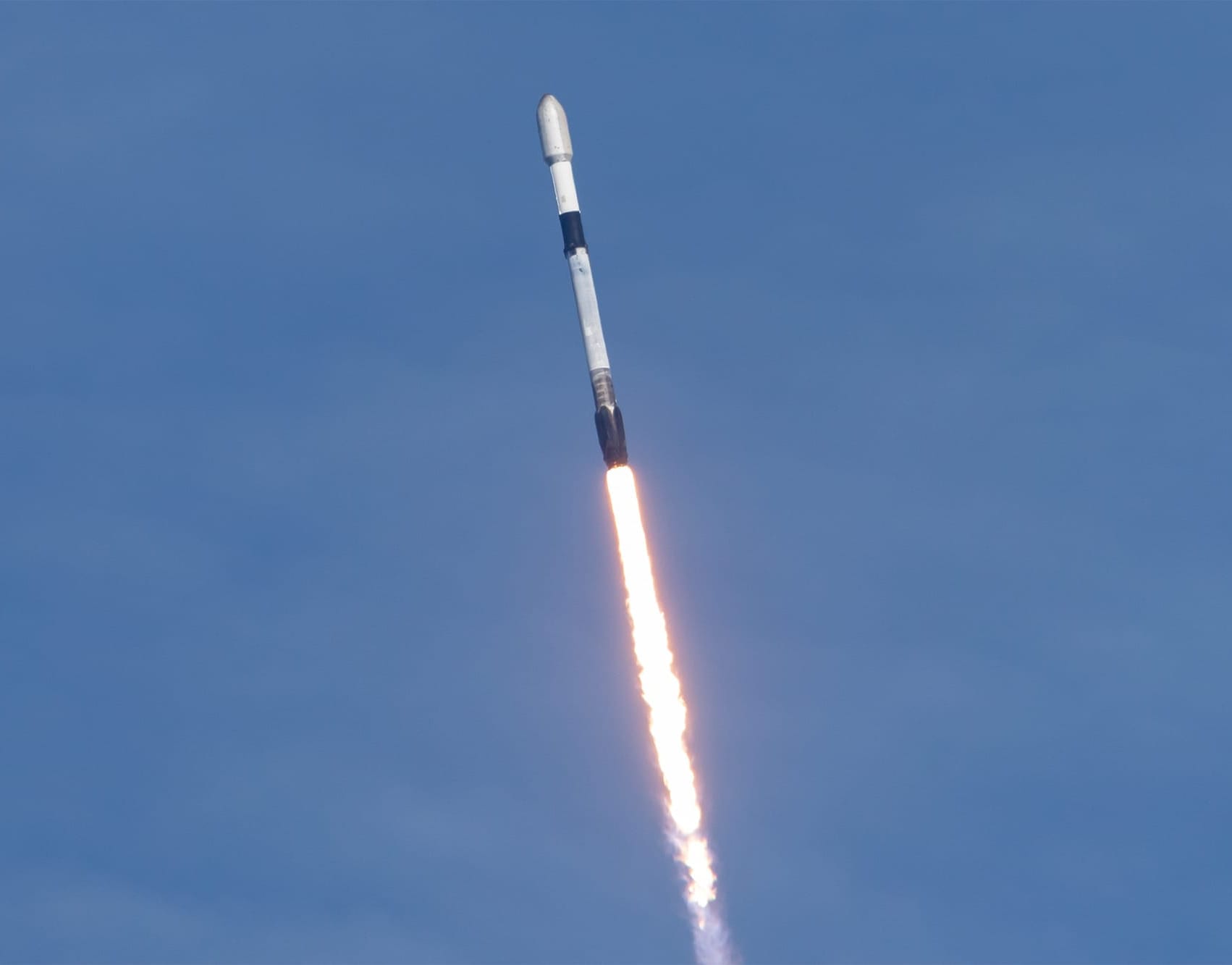
April 21st - Falcon 9 with GPS-III SV10
On behalf of the U.S. military, SpaceX used Falcon 9 from Space Launch Complex 40, in Florida, to send the GPS-III SV10 spacecraft into medium Earth orbit to improve position, navigation, and timing services. Supporting this mission was booster B1095, flying for the seventh time and landing on the droneship 'Just Read The Instructions' downrange for the final time.
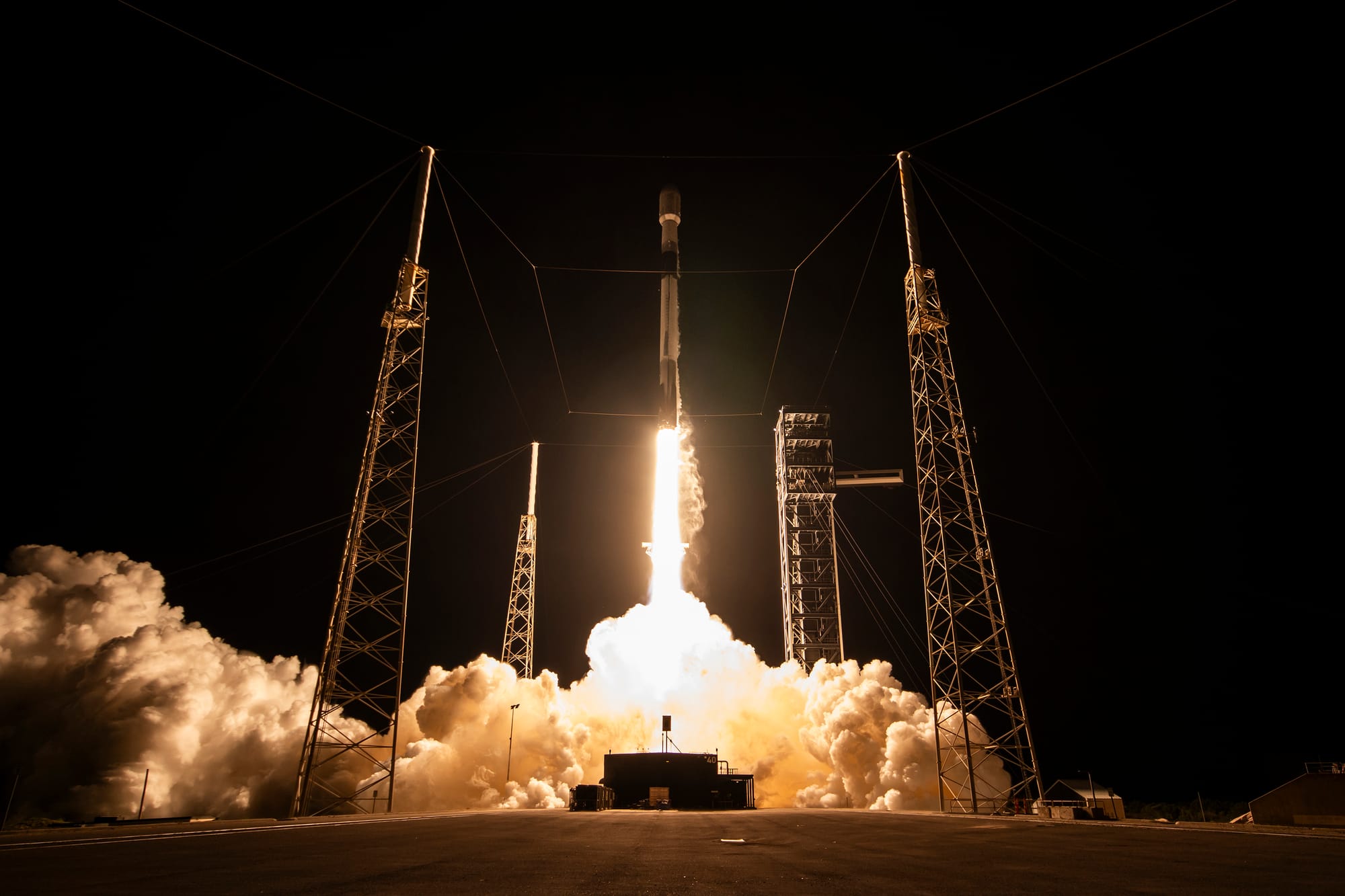
April 22nd - Electron for 'Bubbles'
Rocket Lab's Electron flew in its suborbital HASTE (Hypersonic accelerator suborbital test electron) configuration from Wallops Island, Virginia, on behalf of an unknown customer.
April 23rd - Electron for 'Kakushin Rising'
Electron carried eight Japanese CubeSats into sun-synchronous orbit from Launch Complex 1A, on the Māhia Peninsula in New Zealand, to test new systems and technologies. Satellites delivered were:
- WASEDA-SAT-ZERO-II, for proving 3D printed satellites and membrane surface experiments.
- FSI-SAT2, to test a low-cost multi-spectral camera and on-board data processing system.
- OrigamiSat-2, for demonstrating a high-gain antenna technology for small satellites.
- Mono-Nikko, to test an intelligent power supply unit that can acquire status data of batteries installed.
- ARICA-2, for demonstrating a real-time alert system of sudden astronomical phenomena.
- PRELUDE, to acquire VLF band signals affected by ionospheric fluctuations.
- MAGNARO-II, to demonstrate small satellite formation flight after it splits into two independent vehicles.
- KOSEN-2R, for proving a deployable Yagi-style directional antenna to study the ocean floor.
Here is another camera angle. pic.twitter.com/GSfl8lQEWT
— Peter Beck (@Peter_J_Beck) April 23, 2026
April 23rd - Falcon 9 with Starlink Group 17-14
Twenty-four more Starlink satellites were placed into low Earth orbit by a Falcon 9 departing from Space Launch Complex 4E. Booster B1100 supported this launch for its fifth flight, landing downrange on the drone ship 'Of Course I Still Love You'.
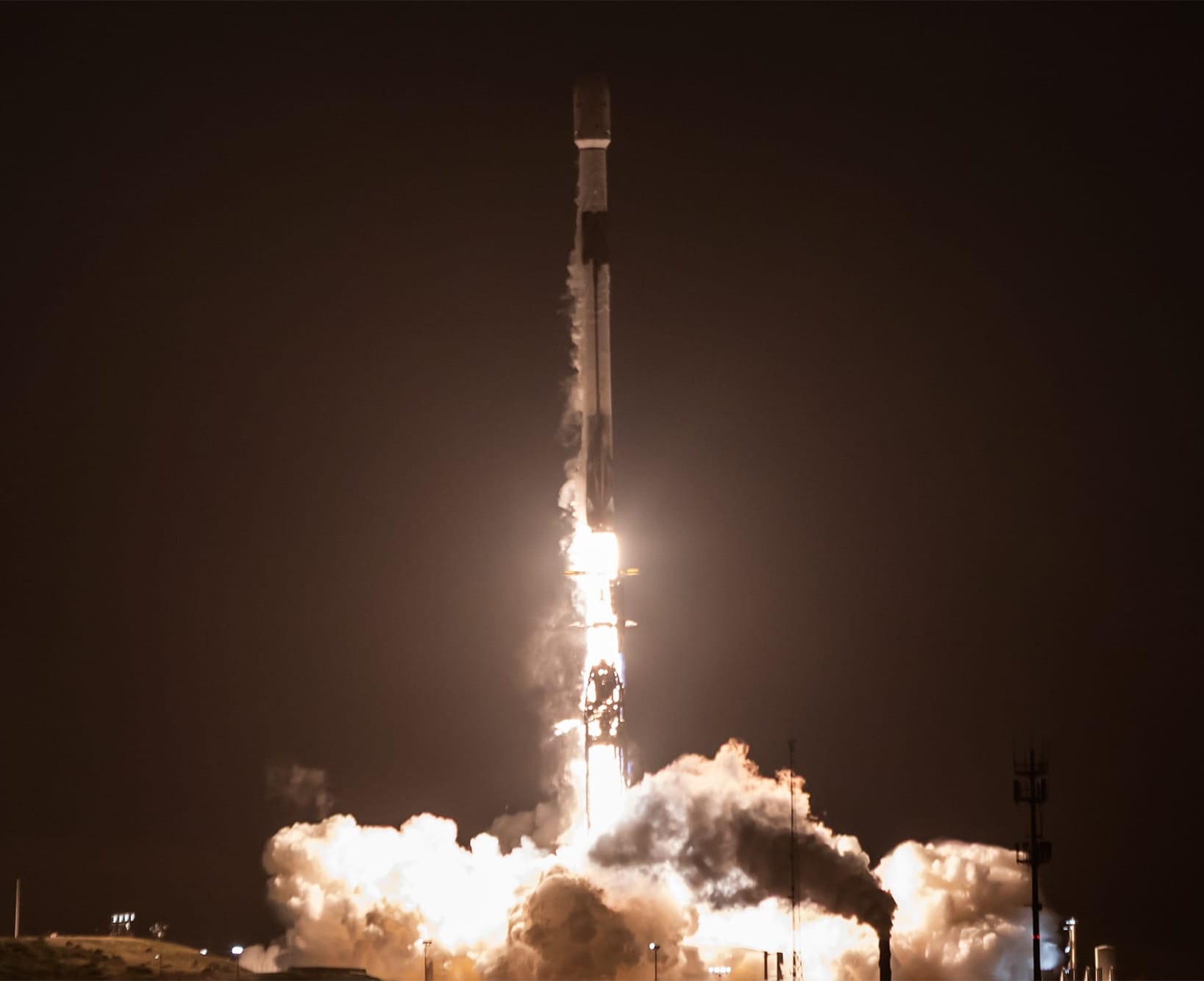
April 23rd - Angara 1.2 with four Cosmos satellites
From the Plesetsk Cosmodrome, an Angara 1.2 flew towards sun-synchronous orbit carrying four payloads of unknown use and purpose.
Video of today's Angara-1.2 launch from Plesetsk cosmodrome
— afec7032 🇷🇺 (@robert_savitsky) April 23, 2026
The launch is reported as successful, military payloads were deployed into planned orbits https://t.co/KJ9FXxZodY pic.twitter.com/L5jkpDDodv
April 24th - Long March 2D with four GuoWang test satellites
A Long March 2D lifted off from the Xichang Satellite Launch Center and carried four satellites into low Earth orbit. The satellites launched are expected to prove new systems and upgrades to China’s space-based connectivity mega-constellations, primarily GuoWang.
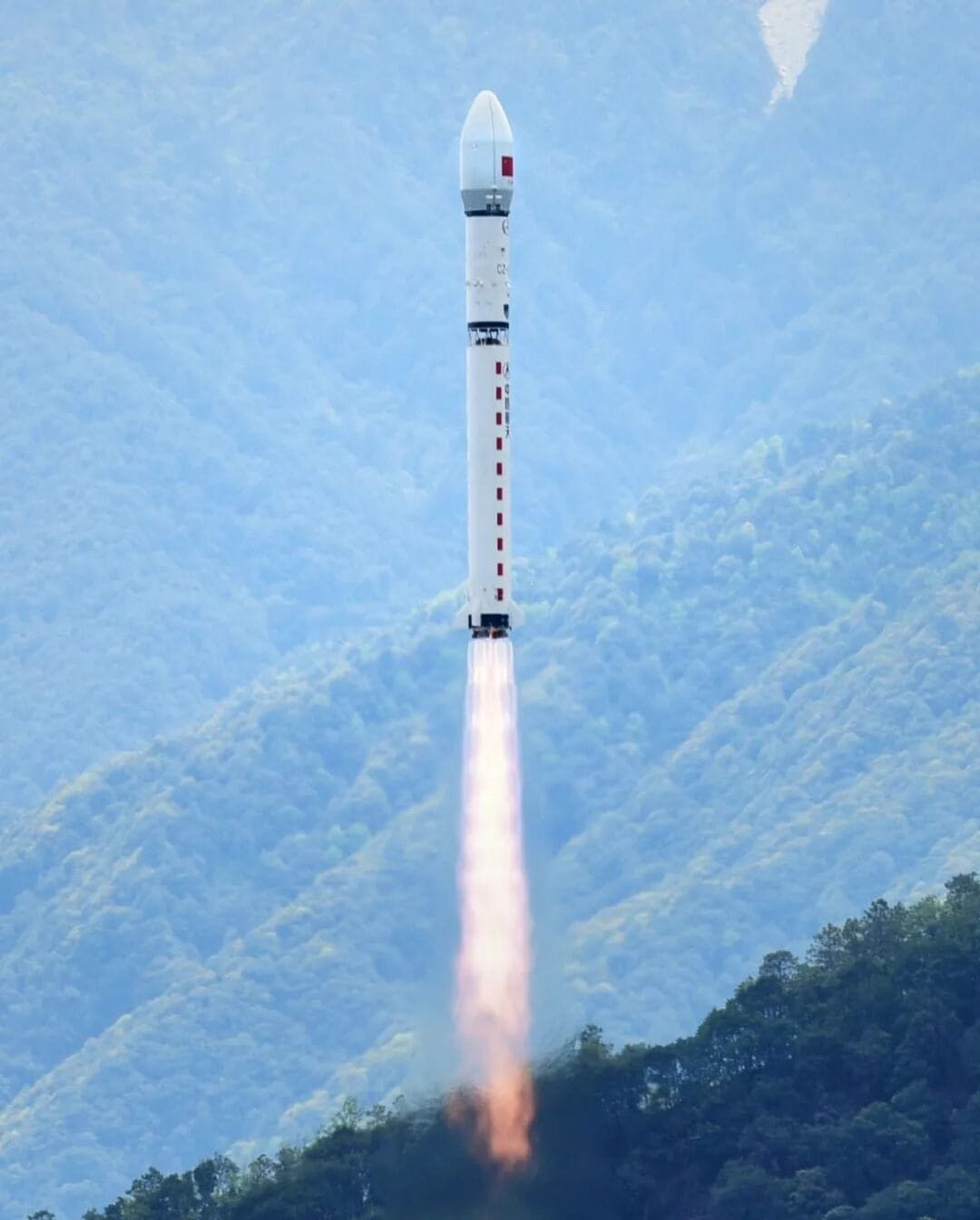
April 25th - Long March 6 with PRSC-EO3
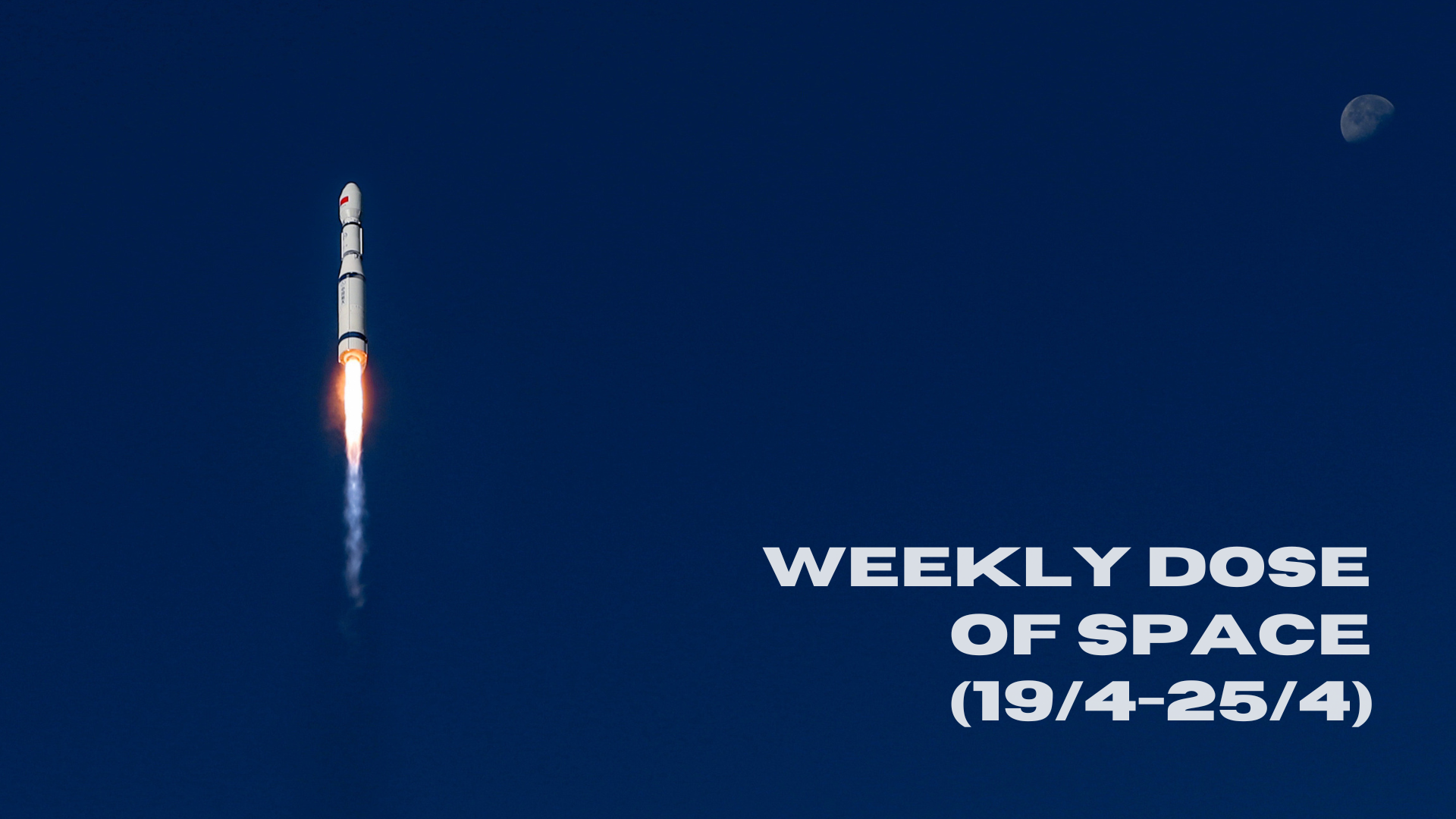
A Long March 6, rumoured to be the last, flew from the Taiyuan Satellite Launch Center carrying Pakistan's PRSC-EO3 satellite into low Earth orbit. PRSC-EO3 is a remote sensing satellite that will be used for mapping, natural disaster monitoring and planning, agricultural support services, as well as the planning of urban developments.
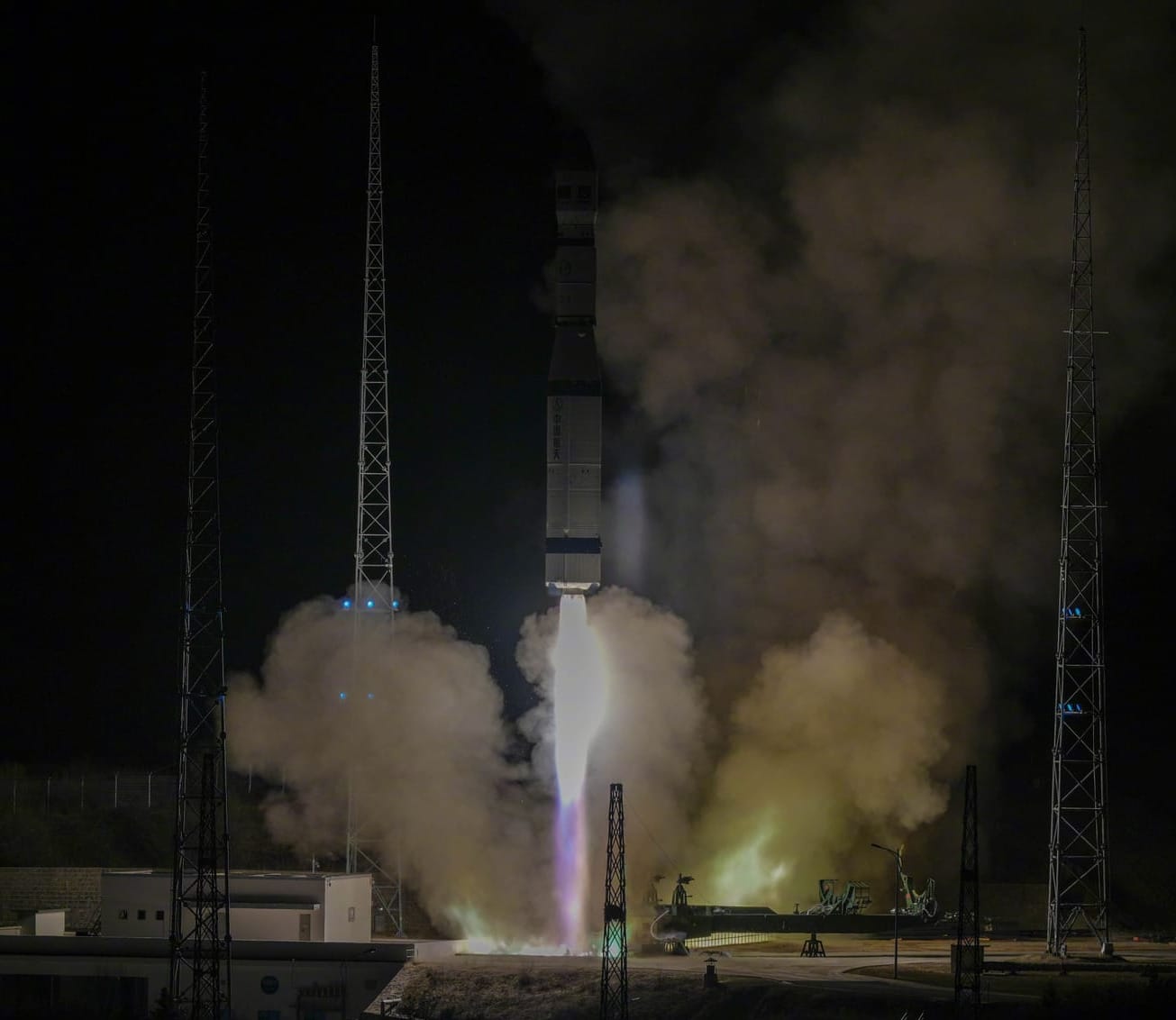
April 25th - Soyuz 2.1a with MS-34
Russia's Progress cargo resupply spacecraft was launched atop of a Soyuz 2.1a rocket from the Baikonur Cosmodrome to chase down the International Space Station. The spacecraft is carrying consumables for the crew and new experiments to the station.
Another successful Soyuz-2.1a launch! Progress MS-34 is now on its way to the ISS, docking is scheduled for April 28, 00:01 UTC.
— afec7032 🇷🇺 (@robert_savitsky) April 25, 2026
Key moments of the launch:
1. Liftoff
2. 1st stage separation
3. 2nd stage separation
4. Separation of Progress MS-34 spacecraft from the 3rd stage pic.twitter.com/RjCsaBOHhM
In Other Space News
NASA funding expected to be restored, again
In an April 22nd hearing of the House Science Committee, where NASA Administrator Jared Isaacman was present, Republicans and Democrats voiced their disappointment in the Trump Administration's planned funding for NASA, which would be cut by almost a quarter. Members of the House Appropriations Committee’s Commerce, Justice, and Science subcommittee were also disapproving.
In response, an appropriations effort to restore the funding is being sought at an accelerated rate, which took several months last year. Efforts to restore funding would also protect programs that the U.S. Congress deems important, possibly including the 'Block 1B' version of the Space Launch System rocket that Isaacman is trying to cancel.
Previously, Jared Isaacman voiced support for Trump's second attempt at cutting NASA's budget.
Pakistani astronauts chosen for Tiangong visit
The Space and Upper Atmosphere Research Commission (SUPARCO) announces a landmark advancement in Pakistan’s Manned Space Mission Program as two Astronaut Candidates, Khurram Daud and Muhammad Zeeshan Ali are set to depart for the People’s Republic of China to begin advanced… pic.twitter.com/Nfl5WBGOdO
— Ministry of Information & Broadcasting (@MoIB_Official) April 22, 2026
On April 22nd, the China Manned Space Agency and Pakistan's Space & Upper Atmosphere Research Commission shared that they had selected two astronaut candidates for training in China, ahead of one of them visiting the Tiangong Space Station later this year.
The two candidates chosen were revealed to be Muhammad Zeeshan Ali and Khurram Daud. Both men have served in Pakistan's armed forces, with few other details about them available, likely awaiting pre-launch press conferences.
As for when they'll fly, it is expected that one of them will be a primary crew member for Shenzhou-24, with the other serving as a backup, during its launch in October or November. They will then return to Earth aboard Shenzhou-23, allowing a crew member from that mission to remain on the station for a full year.
What to Expect Next Week
April 26th - Soyuz-5 for its debut flight
From the Baikonur Cosmodrome, the first Soyuz-5 rocket is expected to perform its debut mission, flying on a suborbital trajectory with a sizable mass simulator.
April 26th - Falcon 9 with Starlink Group 17-16
Twenty-five Starlink satellites are set to be launched into low Earth orbit by a Falcon 9 flying from Space Launch Complex 4E.
April 27th - Falcon Heavy with ViaSat-3 F3
SpaceX is set to use Falcon Heavy to place the ViaSat-3 F3 spacecraft into geostationary space, departing from Launch Complex 39A.
April 28th - Atlas V with LA-06
United Launch Alliance is preparing to deliver twenty-nine satellites into low Earth orbit to expand Amazon's Leo constellation for providing space-based internet.
April 30th - Falcon 9 with Starlink Group 17-36
Another twenty-four Starlink satellites are expected to head into low Earth orbit from Space Launch Complex 4E atop another Falcon 9.
April 30th - Ariane 6 with LE-02
Europe's Ariane 6 is set to bring thirty-two more satellites for Amazon's Leo constellation into low Earth orbit from the Guiana Space Centre, located in French Guiana in South America.
May 1st - Falcon 9 with Starlink Group 10-38
Twenty-nine more Starlink satellites are going to be placed into low Earth orbit via a Falcon 9 departing Space Launch Complex 40.