Weekly Dose of Space (12/4-18/4)


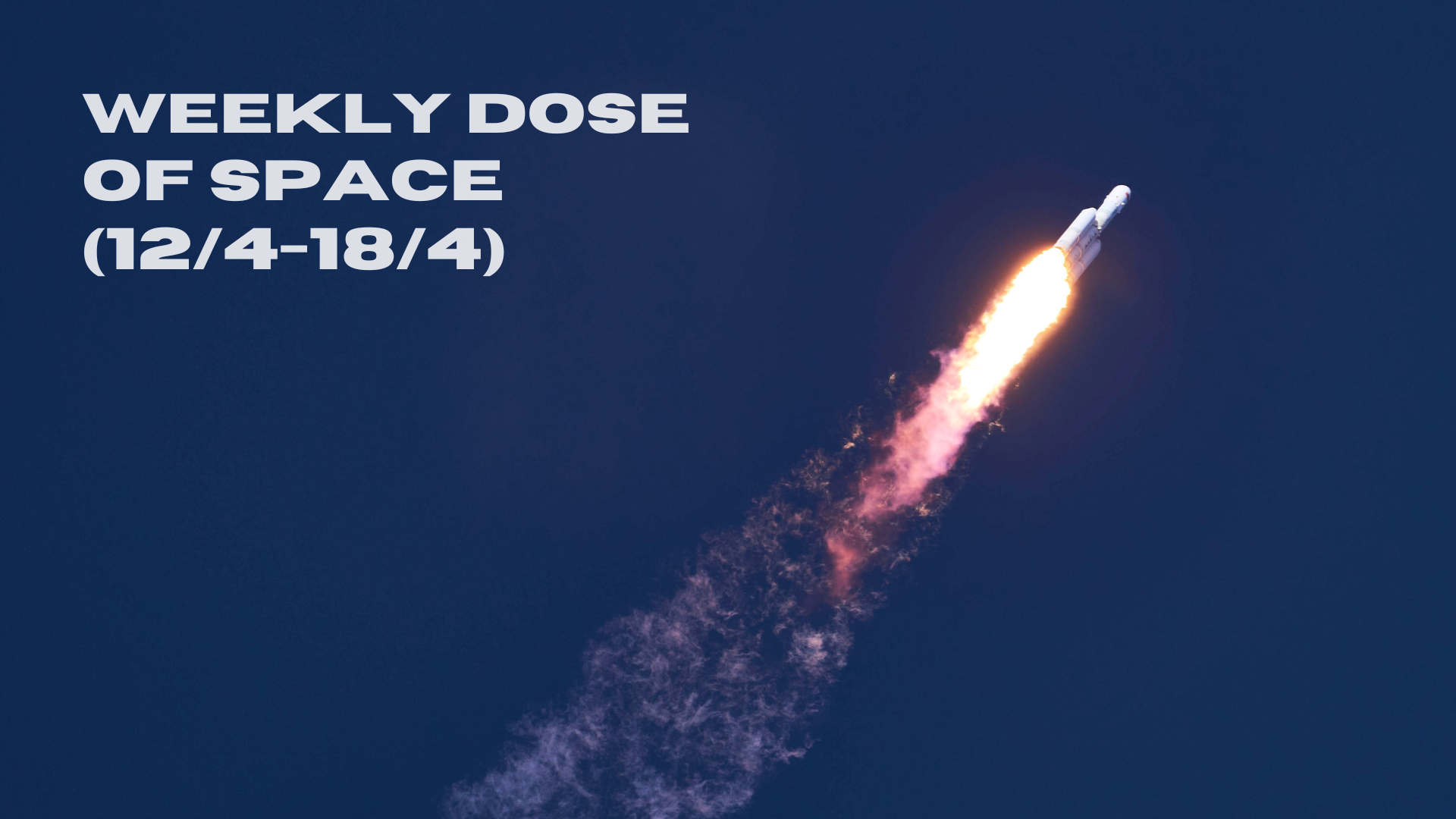
Welcome back to Weekly Dose of Space! Last week saw five launches globally, with all but one deploying multiple satellites. News from the week has the Shenzhou-21 mission being extended following a third spacewalk and Rocket Lab unveiling a new spacecraft component. As always, we'll also look ahead to what the worldwide launch schedule might look like next week.
Launches This Week
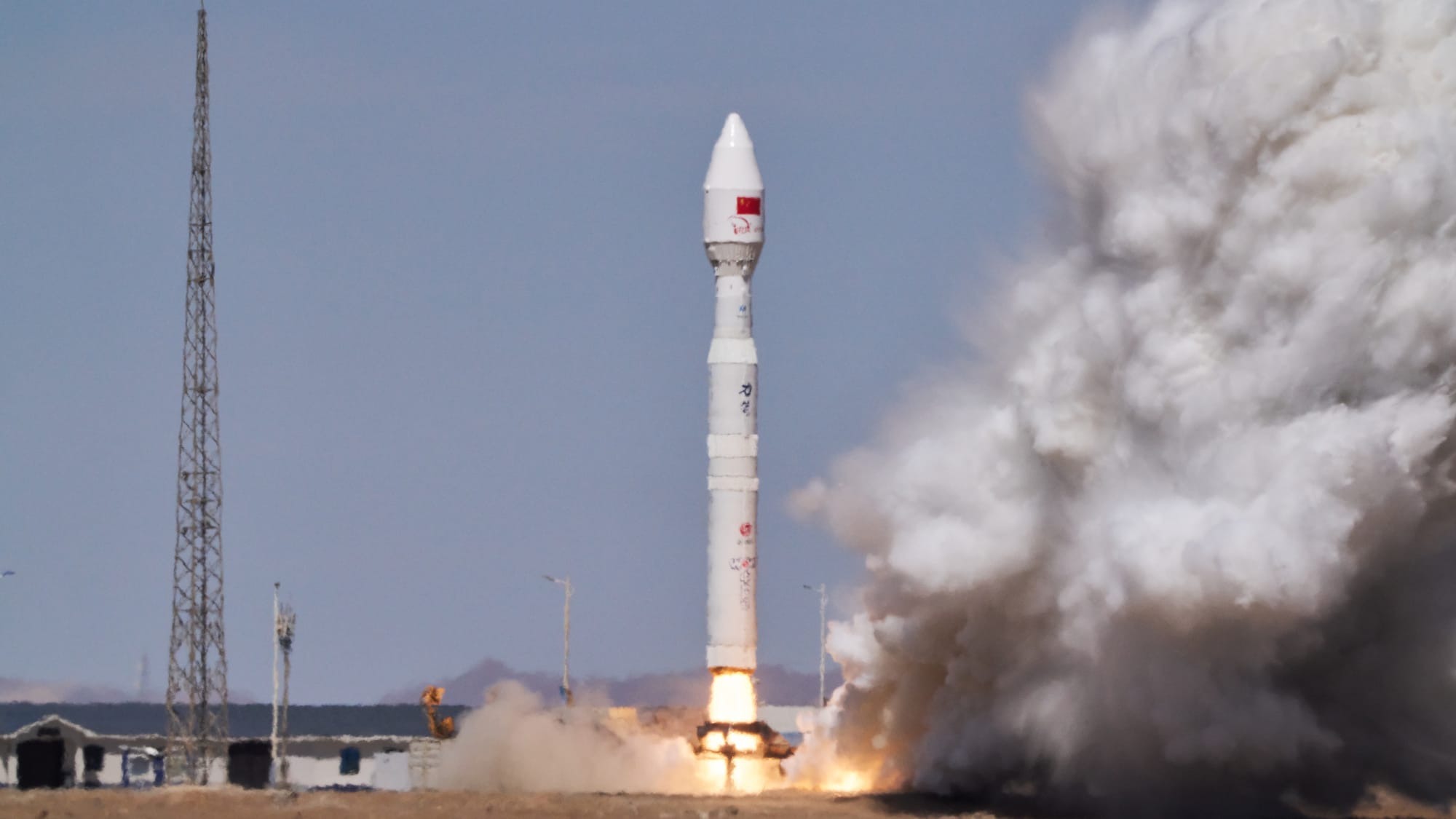
April 14th - Kinetica-1 with eight Jilin-1 satellites
CAS Space's Kinetica-1 rocket blasted off from the Jiuquan Satellite Launch Center, heading into sun-synchronous orbit with eight Jilin-1 remote sensing satellites for Changguang Satellite Technology Co Ltd. Those satellites will expand the Jilin-1 constellation for Earth imaging, while also incorporating new technology for non-Earth imagery taskings.
April 14th - Falcon 9 with Starlink Group 10-24
From Space Launch Complex 40 in Florida, a Falcon 9 flew into low Earth orbit carrying twenty-nine Starlink satellites. Supporting this launch was booster B1080, flying for the twenty-sixth time and landing on the drone ship 'Just Read The Instructions' downrange.
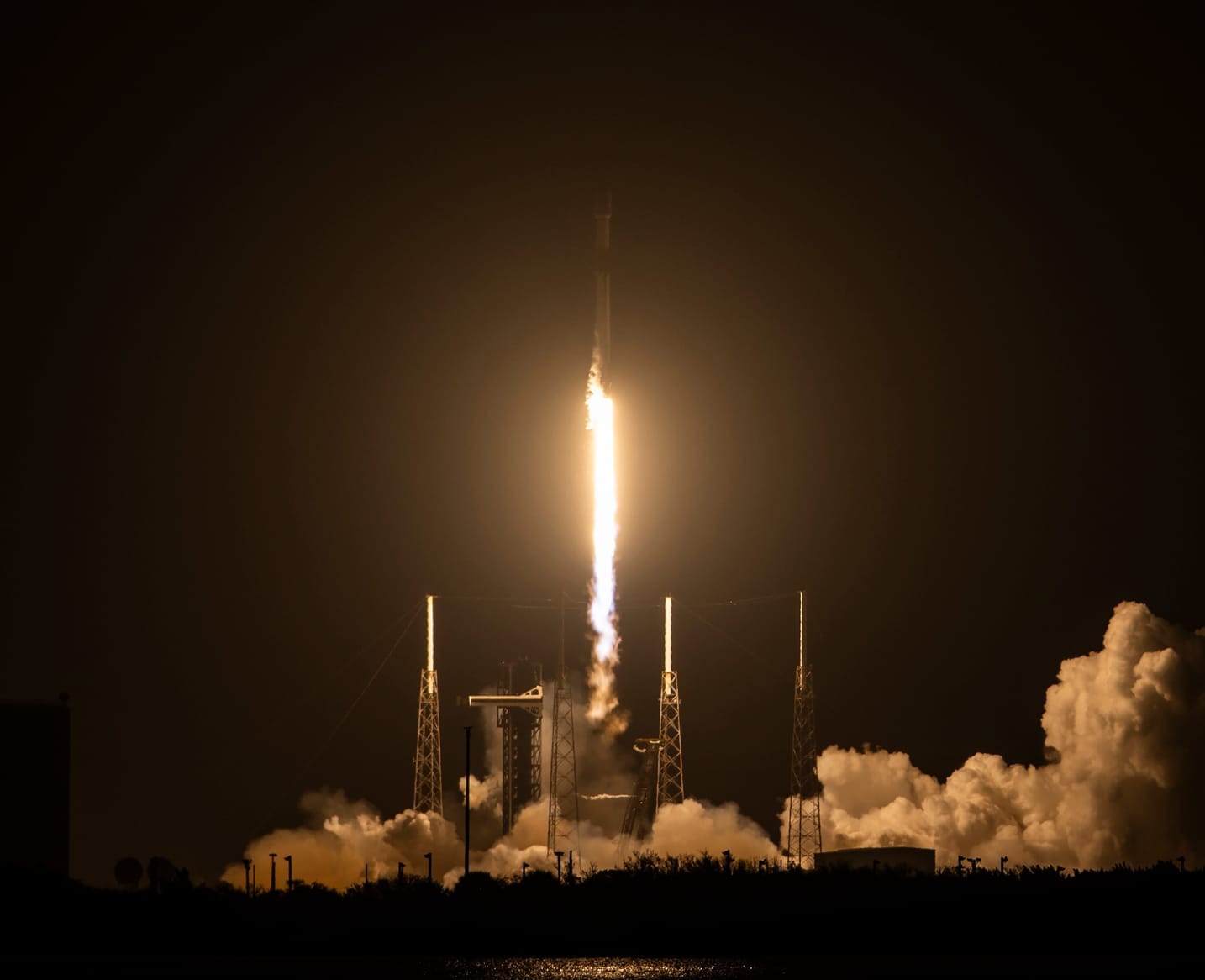
April 15th - Falcon 9 with Starlink Group 17-27
Another Falcon 9 flew into low Earth orbit, this time from Space Launch Complex 4E in California, carrying twenty-five more Starlink satellites. Booster B1082 supported this launch for its twenty-first flight, landing downrange on the drone ship 'Of Course I Still Love You'.
Falcon 9 launches 25 @Starlink satellites from California pic.twitter.com/pQzorVl1PH
— SpaceX (@SpaceX) April 15, 2026
April 17th - Soyuz 2.1b with a Cosmos spacecraft(s)
Out of the Plesetsk Cosmodrome, a Soyuz 2.1b flew into sun-synchronous orbit carrying up to five Cosmos spacecraft with unknown purposes.
Video of tonight's Soyuz-2.1b launch from Plesetsk cosmodrome, carrying military payloads
— afec7032 🇷🇺 (@robert_savitsky) April 17, 2026
Ministry of Defense reported the launch as successful, cofirming separation of payloads in orbit. The launch took place at 02:17 Moscow Time.
Now waiting for the Angara-1.2 launch. https://t.co/FP8zxfD73M pic.twitter.com/56gRXentpi
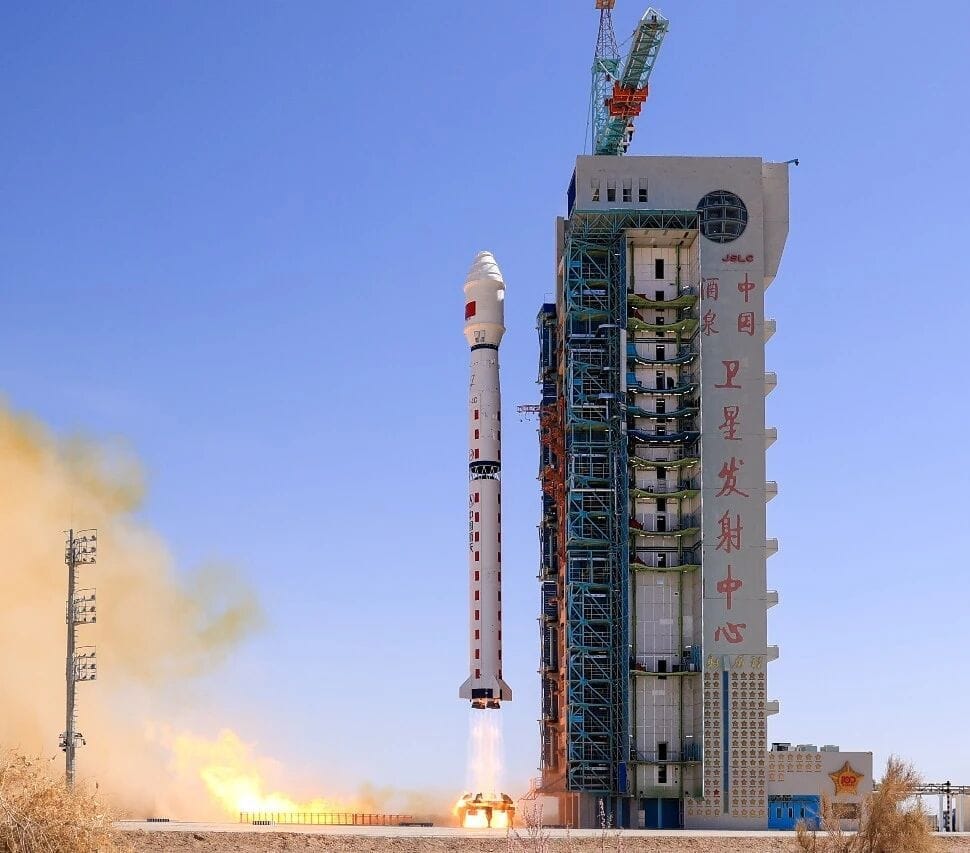
April 17th - Long March 4C with Daqi-2
A Long March 4C flew from the Jiuquan Satellite Launch Center, delivering the Daqi-2 satellite into sun-synchronous orbit. Daqi-2 is tasked with measuring and monitoring gases that warm Earth’s atmosphere until 2033.
In Other Space News
Shenzhou-21 crew perform third spacewalk, extend mission
🌏🌌🛰️👨🚀👨🚀 #Shenzhou21 crew just wrapped up an incredible 5.5-hour spacewalk. Working in perfect sync with the robotic arm & ground team, Zhang Lu, Wu Fei & Zhang Hongzhang installed crucial debris shields and inspected external systems. This was their third EVA.
— China Space Watch (@chinaspace.bsky.social) 2026-04-17T15:20:14.255Z
Zhang Lu and Wu Fei exited the Tiangong Space Station through the Wentian module's airlock on April 16th for their third spacewalk during the Shenzhou-21 mission, with Zhang Hongzhang remaining inside to support them. The two spacewalkers were outside for around five and a half hours to complete their activities.
Those activities were the inspection of the stations Tianhe, Wentian, and Mengtian modules for damage and other anomalies. The primary purpose of their spacewalk were to install space debris protection devices onto the Mengtian modules' vulnerable areas.
With this spacewalk, Zhang Lu has performed a total of seven, setting a new record for China's human spaceflight program, with a total cumulative time outside of about forty-seven and a half hours. Wu Fei was performing his third career spacewalk, bringing his total time outside the space station to around twenty hours.
After the spacewalk concluded, the China Manned Space Agency announced that the three taikonauts will be remaining onboard Tiangong until early June at the latest, thanks to additional supplies brought up by the uncrewed Shenzhou-22 spacecraft. The launch of the Shenzhou-23 mission is also expected to have been pushed back.
Rocket Lab unveils electric spacecraft thruster
Rocket Lab, known for its electric turbopump Rutherford engines powering its Electron rocket, unveiled its latest spacecraft product on April 14th with its 'Gauss' electric propulsion system.
'Gauss', named after the astronomer and physicist Carl Friedrich Gauss, is a Hall effect thruster wholly designed by Rocket Lab to meet a gap in market demand and lacking volume in the industry for spacecraft operators. The company plans to produce two hundred 'Gauss' systems per year and provide them to customers and for their own missions.
Regarding why Rocket Lab didn't acquire an existing electric propulsion system manufacturer, Shaun O’Donnell, Chief Engineer of Special Projects, shared:
"When we identify a supply chain constraint affecting our customers and indeed the wider global space industry, we often look to acquire existing technologies that are high-performing but have struggled to scale production. We explored this as an option for Gauss but ultimately determined we could build the best, high-performance product in house and scale it to meet industry needs ourselves."
What to Expect Next Week
April 19th - New Glenn with a single BlueBird Block 2 satellite
Blue Origin is preparing to fly its New Glenn rocket for the third time, carrying a single satellite for AST SpaceMobile, while reusing its booster 'Never Tell Me The Odds'.
April 19th - Falcon 9 with Starlink Group 17-22
Twenty-five more Starlink satellites are set to be placed into low Earth orbit by a Falcon 9 departing from Space Launch Complex 4E.
April 20th - Falcon 9 with GPS-III SV10
A Falcon 9 is set to fly towards a medium Earth orbit with the U.S. Space Force's latest GPS-III navigation satellite for military and civil users.
April 22nd - Electron for 'Bubbles'
Rocket Lab is expected to launch its Electron rocket on a sub-orbital trajectory from Launch Complex 2, in Wallops, Virginia, for a currently unknown customer.
April 22nd - Falcon 9 with Starlink Group 17-14
Another Falcon 9 is set to carry twenty-five more Starlink satellites into low Earth orbit from Space Launch Complex 4E.
April 23rd - Electron for 'Kakushin Rising'
Electron is preparing to fly from Launch Complex 1, on the Māhia Peninsula in New Zealand, and into sun-synchronous orbit to deliver eight Japanese CubeSats as part of a rideshare mission.
April 25th - South Korean Satellite Launch Vehicle for its second flight
South Korea is set to perform the second orbital launch of its 'GYUB' solid-propellant rocket from a floating platform near Jeju Island, flying with all three stages for the first time and possibly carrying a payload.
April 25th - Falcon 9 with Starlink Group 17-16
Yet another Falcon 9 is set to fly from Space Launch Complex 4E and into low Earth orbit, carrying twenty-five Starlink satellites.
April 25th - Soyuz 2.1a with Progress MS-34
Russia is preparing to launch a Progress spacecraft from the Baikonur Cosmodrome to the International Space Station for the delivery of consumables for the crew as well as new experiments.