
Table of Contents
Welcome back to Weekly Dose of Space! Last week saw eleven launches taking place, with an almost even split between the U.S. and China. News in the week had NASA losing contact with one of its Mars spacecraft and the American Space Force naming its systems. As always, we'll also look ahead to what the worldwide launch schedule might look like next week.
Launches This Week
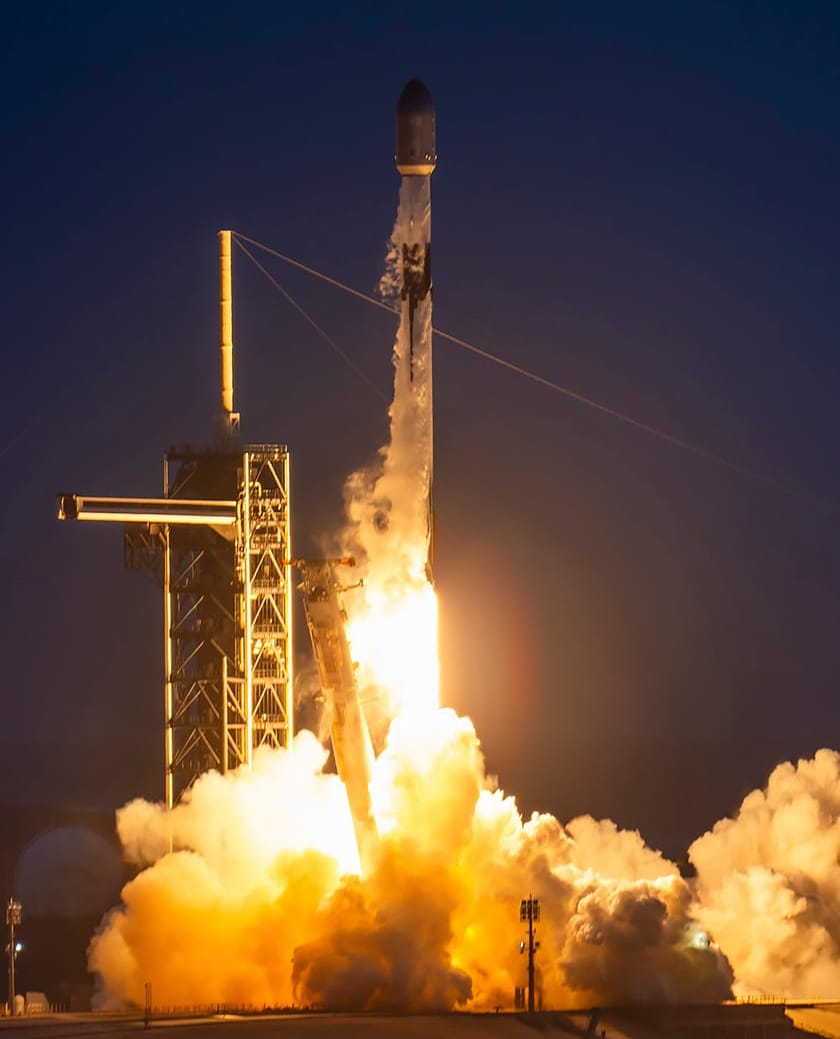
December 7th - Falcon 9 with Starlink Group 11-15
SpaceX launched twenty-eight Starlink satellites into low Earth orbit atop of Falcon 9, from Space Launch Complex 4E, in California. Supporting this mission was booster B1088 for its twelfth flight, with a landing downrange on the drone ship 'Of Course I Still Love You'.
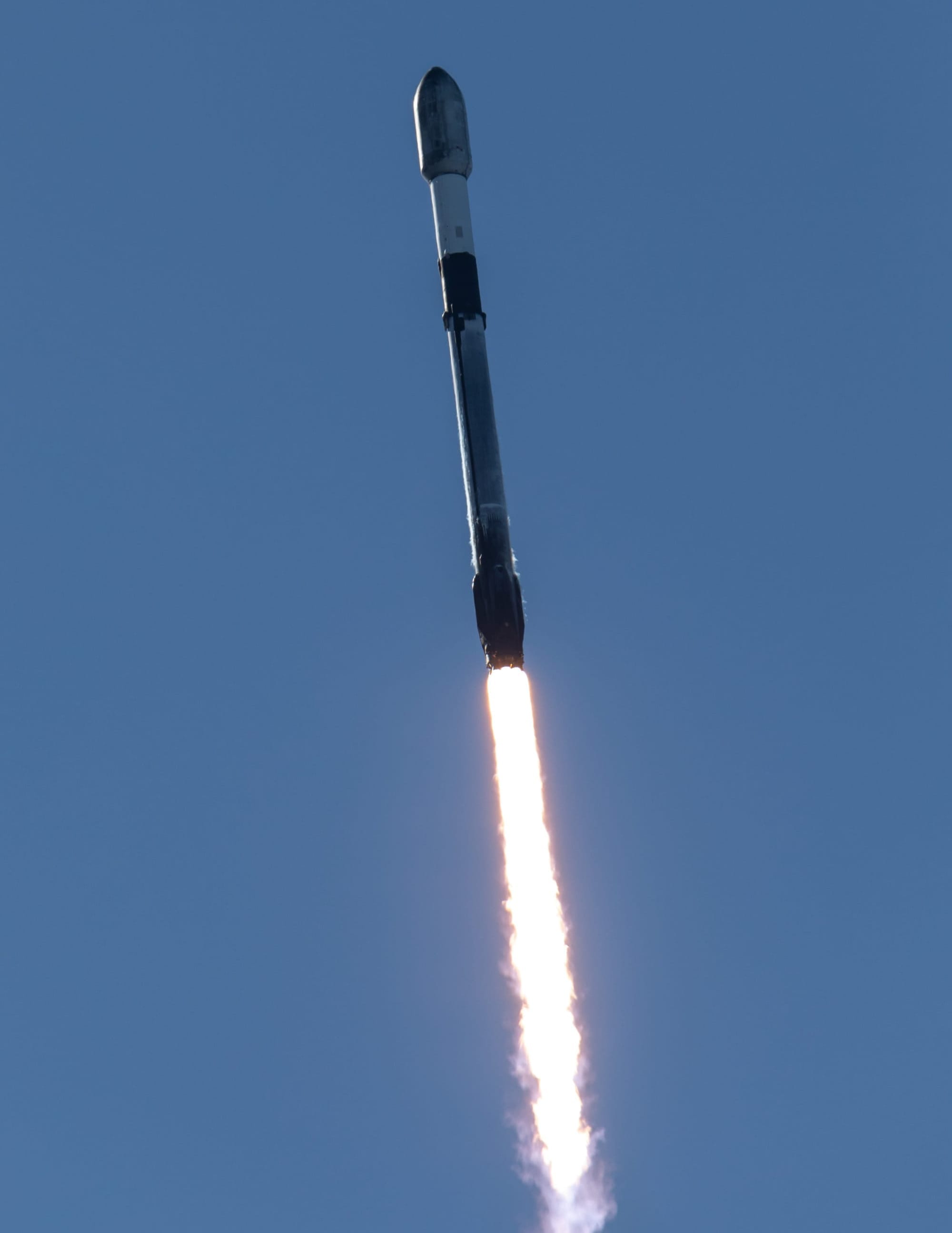
December 8th - Long March 6A with GuoWang Group 15
Out of the Taiyuan Satellite Launch Center, a Long March 6A carried the fifteenth group of GuoWang satellites into low Earth orbit. Five satellites made up the group to increase the number deployed to 118.
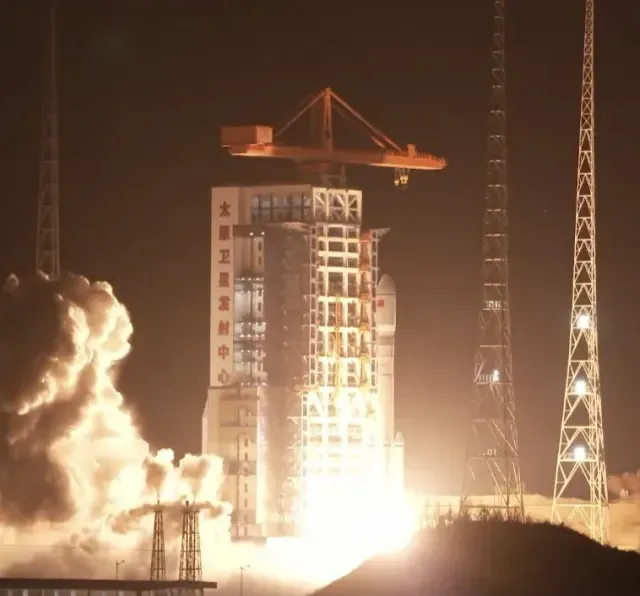
December 8th - Falcon 9 with Starlink Group 6-92
Another Falcon 9 carried twenty-nine Starlink satellites into low Earth orbit from Launch Complex 39A, in Florida. Booster B1067 supported this launch for its thirty-second flight, with a landing on the drone ship 'A Shortfall Of Gravitas' downrange.
December 9th - Long March 4B with Yaogan-47
A Long March 4B flew from the Jiuquan Satellite Launch Center into low Earth orbit, carrying the Yaogan-47 remote sensing satellite. Yaogan-47 is planned to be used for land surveying, crop yield estimation, environmental management, urban planning, road network design, as well as disaster prevention and mitigation.
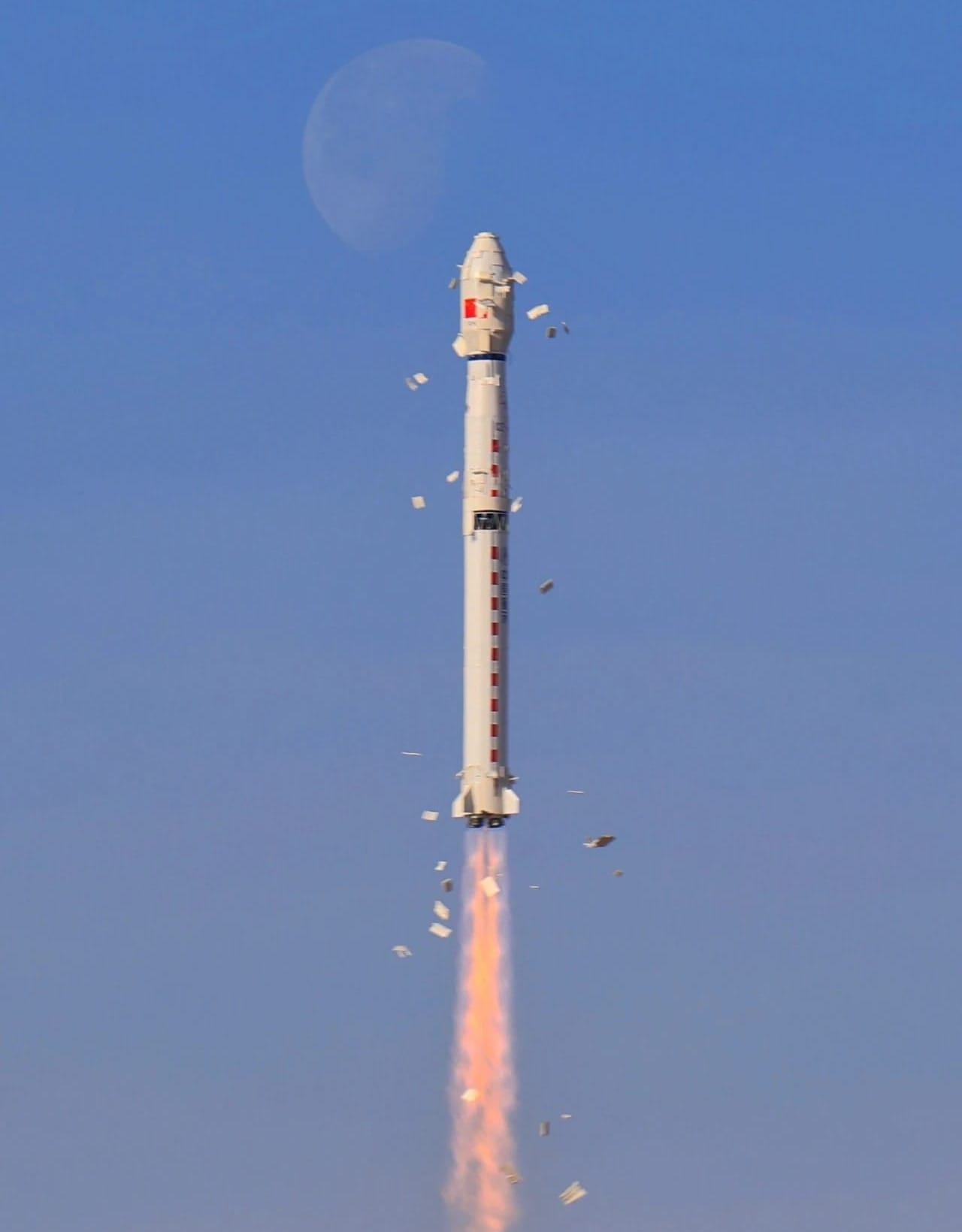
December 9th - Long March 3B/E with TJSW-22
The Xichang Satellite Launch Center saw the launch of a Long March 3B/E, carrying TJSW-22 into a geostationary transfer orbit. Like previous TJSW spacecraft, TJSW-22 is reportedly focused on communications, radio, television, and data transmission.

December 9th - Falcon 9 with NROL-77
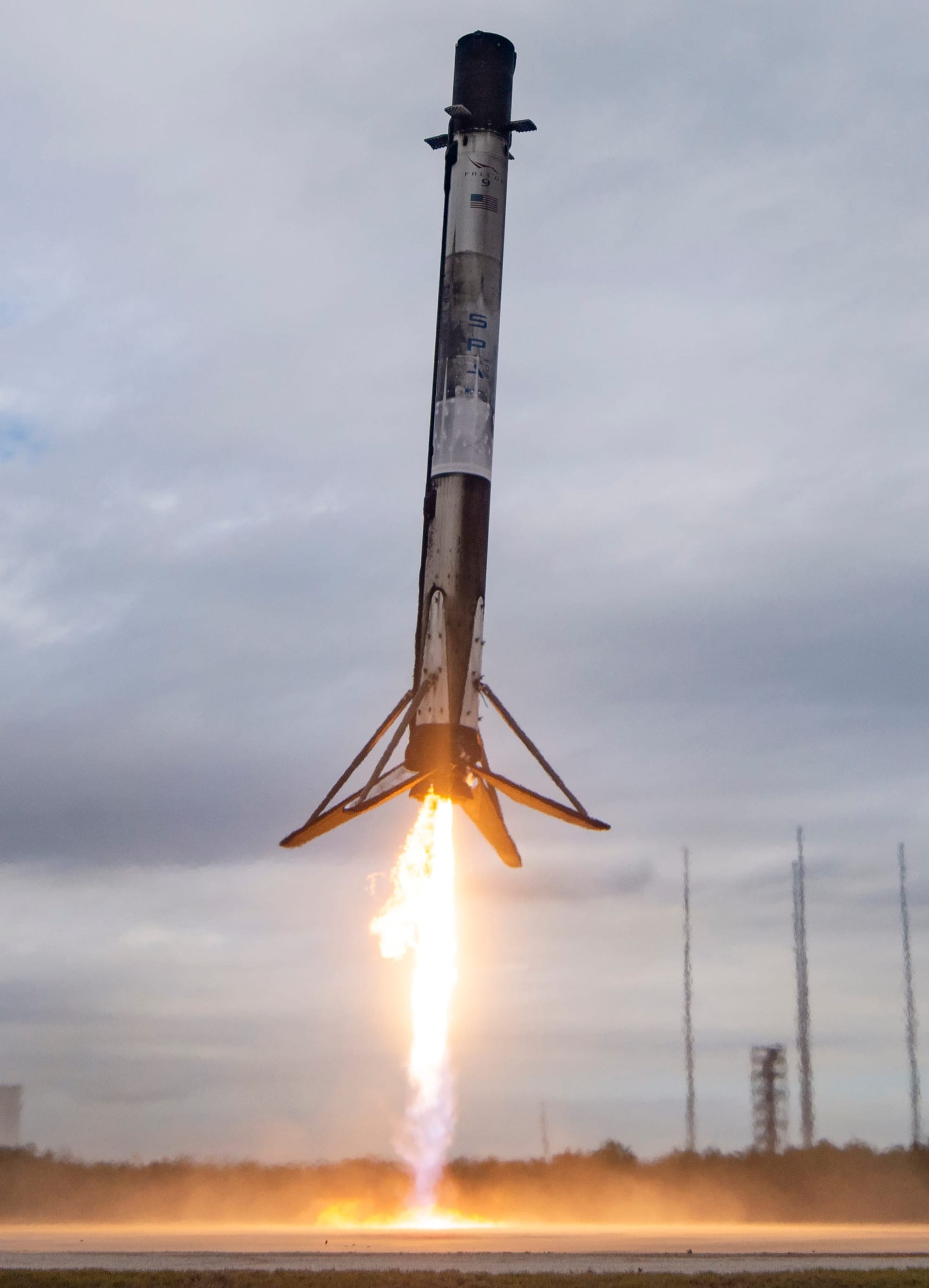
SpaceX used a Falcon 9 flying from Space Launch Complex 40, in Florida, to support the launch of the NROL-77 mission for the U.S. military. In support of this mission was booster B1096, flying for the fourth time with a return to Florida for a touchdown at Landing Zone 2.
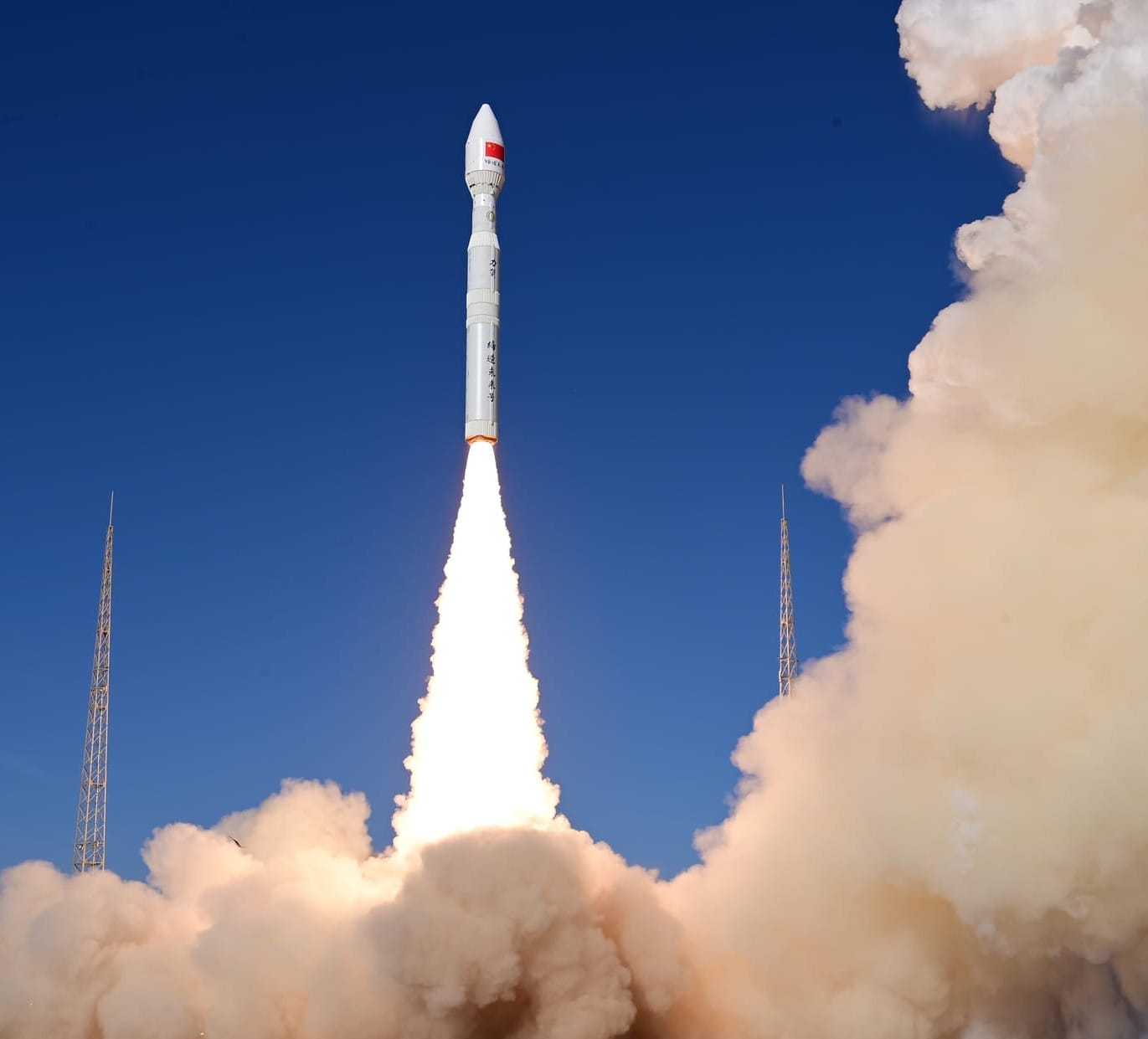
December 10th - Kinetica-1 with nine satellites
CAS Space flew its Kinetica-1 rocket from the Jiuquan Satellite Launch Center to deliver nine satellites into sun-synchronous orbit. Three of the spacecraft were for international customers, being Egypt with a climate monitoring satellite, the United Arab Emirates with a monitoring satellite, and Nepal with a small student cubesat, alongside six Chinese satellites for remote sensing, radar imagery, and a student-built technology verification satellite.
December 10th - Falcon 9 with Starlink Group 15-11
Twenty-seven more Starlink satellites were placed into low Earth orbit by a Falcon 9 departing Space Launch Complex 4E. Booster B1081 supported this launch for its eighteenth mission, landing downrange on the drone ship 'Of Course I Still Love You'.
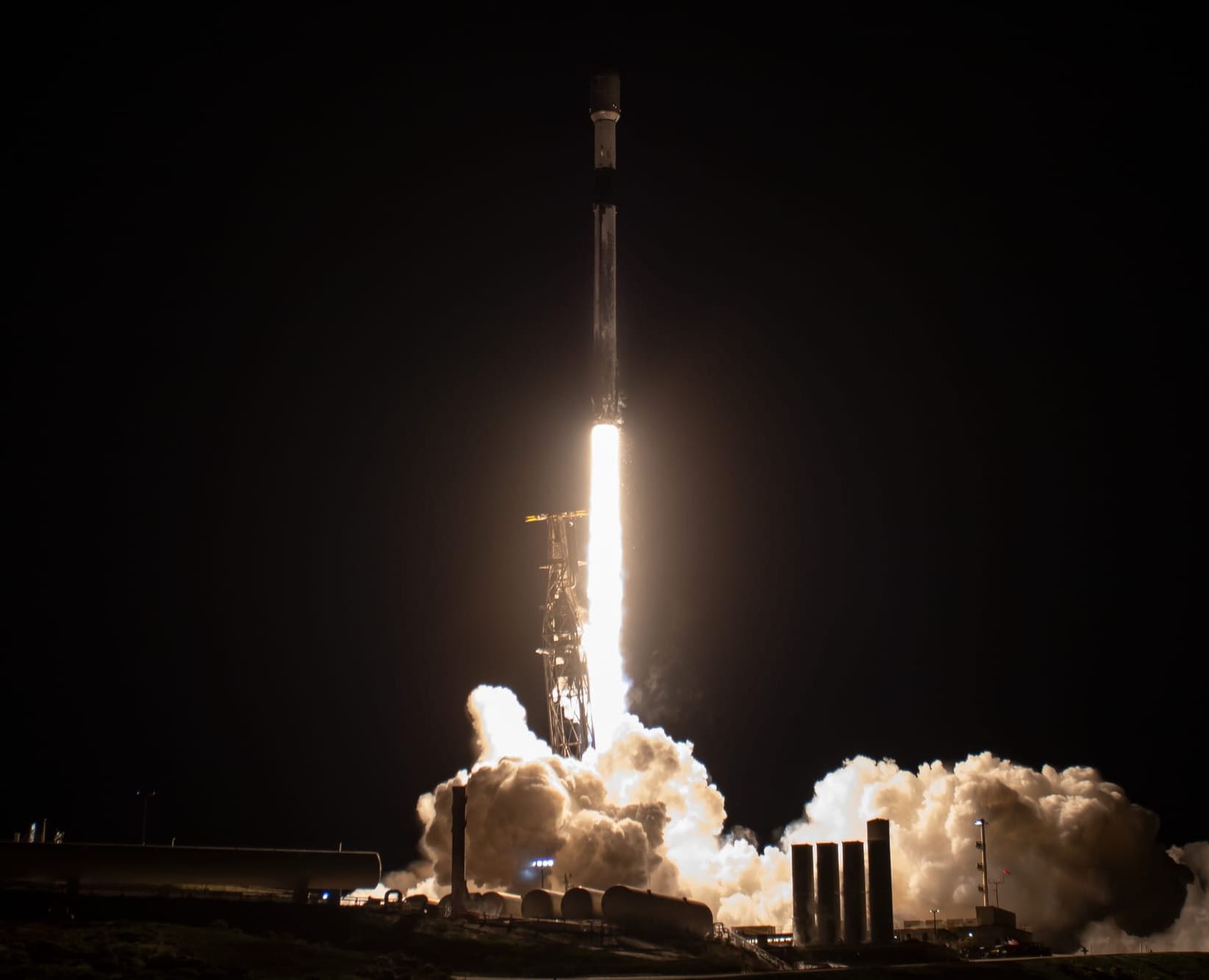
December 11th - Falcon 9 with Starlink Group 6-90
Another twenty-nine Starlink satellites were delivered atop of a Falcon 9 heading into low Earth orbit from Space Launch Complex 40. Supporting this mission was booster B1083, launching for a sixteenth time and landing on the drone ship 'Just Read The Instructions' downrange.
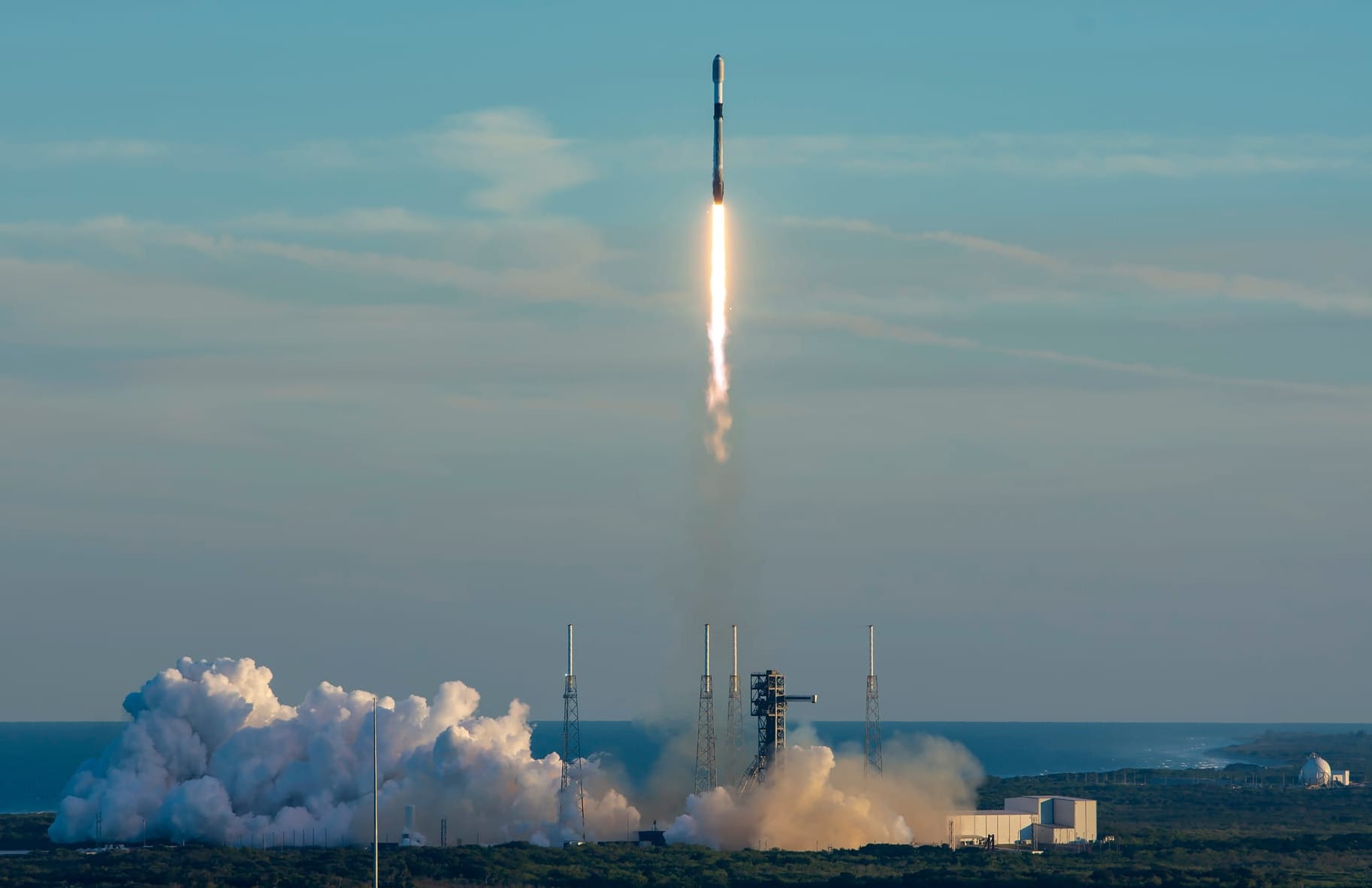
December 11th - Long March 12 with GuoWang Group 16
The sixteenth group of GuoWang satellites was launched atop a Long March 12 flying from the Wenchang Commercial Space Launch Site. This group of satellites consisted of nine to bring the planned mega-constellations up to 127 satellites in orbit.

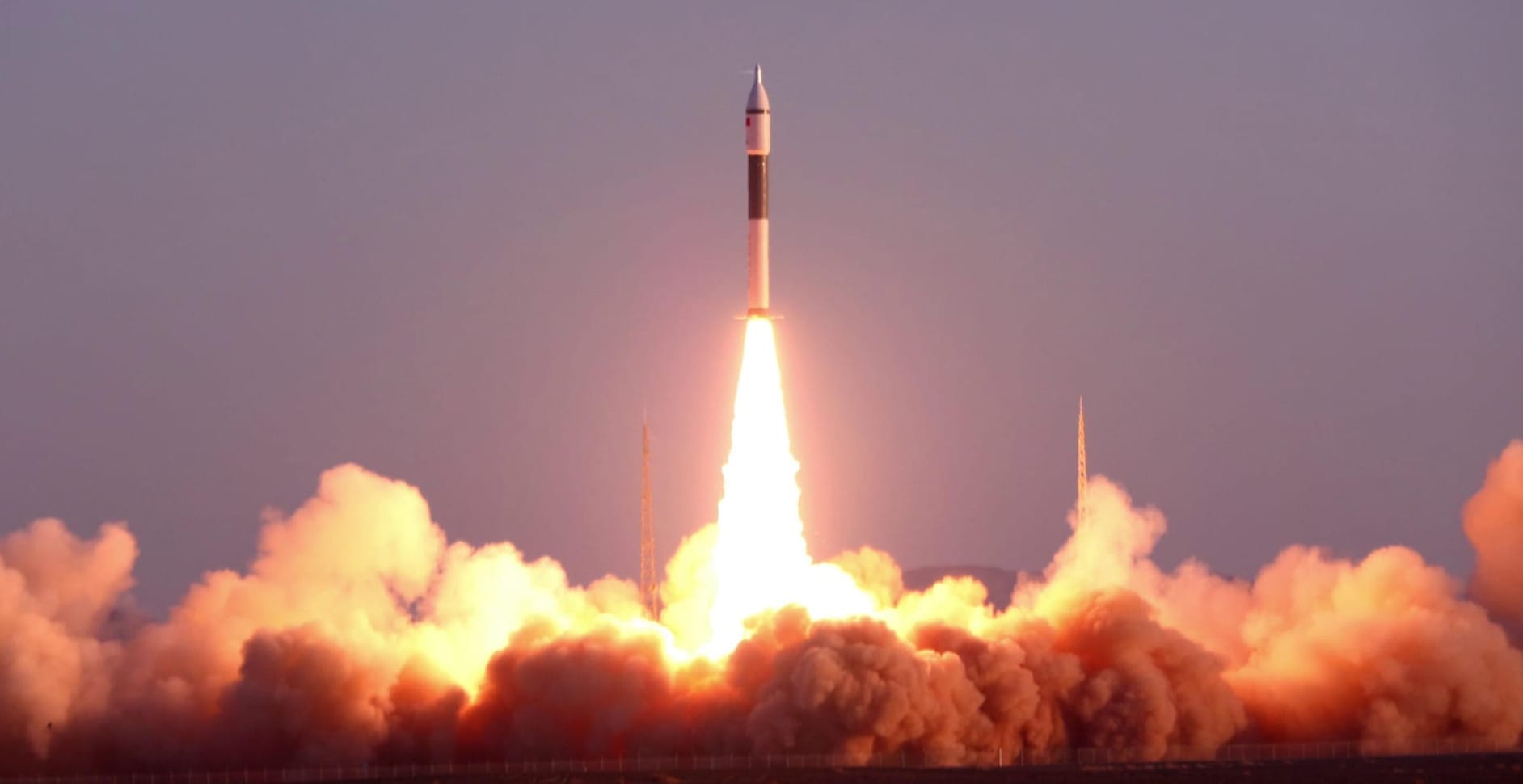
December 13th - Kuaizhou-11 with Dear-5 and Hope-5
ExPace flew its Kuaizhou-11 rocket from the Jiuquan Satellite Launch Center into low Earth orbit while carrying AZSpace's Dear-5 cargo spacecraft and the Hope-5 Phase-II remote sensing satellite. Dear-5 is set to remain in low Earth orbit for one year while hosting experiments related to microgravity, space materials, space medicines, and space life sciences.
In Other Space News
NASA loses contact with MAVEN
NASA shared on December 9th that its MAVEN (Mars Atmosphere and Volatile EvolutioN) spacecraft has lost contact with ground stations back on Earth, with signals sent beforehand showing its systems working normally.
MAVEN reached Mars back in September 2014 to study the red planet's upper atmosphere and interaction with the Sun. Alongside its science-focused tasks, the satellite has served as a communications relay for the Curiosity and Perseverance rovers down on the surface. For now, the Mars Odyssey spacecraft and NASA’s Mars Reconnaissance Orbiter will fulfill MAVEN's relay tasks in tandem with Europe's ExoMars Orbiter and Mars Express.
At the moment, MAVEN's teams on Earth are investigating the communications anomaly and are hoping to reacquire contact.
USSF discloses naming scheme for its spacecraft
On December 11th at the Spacepower Conference 2025 in Florida, the United States Space Force Chief of Space Operations General Chance Saltzman disclosed that the American military's space branch will begin assigning 'nicknames' to their systems. The Space Force's seven systems will have names drawn from the following areas:
- Satellite communications systems: constellations.
- Space awareness systems: ghosts.
- Missile warning systems: sentinels.
- Navigation systems: sharks.
- Electromagnetic warfare systems: serpents.
- Cyberwarfare systems: mythological creatures.
- Orbital warfare systems: Norse pantheon.
The system naming scheme has taken about a year within the force, with General Saltzman sharing:
"[We’ve] chosen to represent each of our mission areas with specific symbology. These symbols conjure the character of the systems, the importance of their mission and the identity of the guardians [(Space Force service members)] to employ them. To some degree this is about having a culture where the people responsible for the mission feel directly connected to it, and it’s hard to get connected to a program name or some number system in the catalog of weapon systems."
What to Expect Next Week
December 14th - Electron for 'RAISE And Shine'
Rocket Lab's Electron rocket is set to head into sun-synchronous orbit carrying the RAISE-4 (RApid Innovative payload demonstration Satellite-4) mission for its various on-orbit demonstrations.
December 14th - Falcon 9 with Starlink Group 15-12
A Falcon 9 is preparing to fly from Space Launch Complex 4E to carry a batch of Starlink satellites into low Earth orbit.
December 15th - Falcon with Starlink Group 6-82
Another batch of Starlink satellites are set to be launched atop of Falcon 9 for a deployment into low Earth orbit.
December 15th - Ceres-2 for its debut flight
Galactic Energy is believed to be planning to debut its Ceres-2 rocket from the Jiuquan Satellite Launch Center, flying into sun-synchronous orbit with a handful of payloads.
December 15th - Atlas V for LA-04
United Launch Alliance's Atlas V is preparing to launch from Space Launch Complex 41, in Florida, to carry a group of satellites into low Earth orbit for Amazon's Leo connectivity mega-constellation.
December 15th - Proton with Elektro-L
A Proton rocket is preparing to fly from the Baikonur Cosmodrome to carry an Elektro-L weather satellite into geostationary orbit.
December 15th - Falcon 9 with Starlink Group 6-99
Falcon 9 will carry more Starlink satellites into low Earth orbit from Launch Complex 39A.
December 16th - Long March 4C with a to-be-annouced payload
A Long March 4C is expected to fly from the Taiyuan Satellite Launch Center into sun-synchronous orbit, carrying an unannounced payload.
December 16th - Falcon 9 with Starlink Group 15-13
Even more Starlink satellites are set to be launched by a Falcon 9 flying out of Space Launch Complex 4E, to be placed into low Earth orbit.
December 17th - Long March 12A for its debut flight
The Shanghai Academy of Spaceflight Technology is set to fly its partially reusable Long March 12A launch vehicle for its debut mission from the Jiuquan Satellite Launch Center. Following launch, the first-stage booster will attempt to touchdown on a downrange landing pad.
December 17th - Ariane 6 with two Galileo satellites
Europe's Ariane 6 is set to fly from the Guiana Space Center carrying two Galileo navigation satellites into a medium Earth orbit.
December 17th - Hanbit-Nano for 'Spaceward'
South Korean startup Innospace is preparing to launch its solid-hybrid rocket Hanbit-Nano into low Earth orbit for the first time, from the Alcântara Launch Center in Brazil.
December 18th - Electron with STP-S30
From Wallops, Virginia, Rocket Lab's Electron is set to place four satellites into low Earth orbit for technology demonstrations, including a spacecraft that will loiter in very-low Earth orbit.
December 18th - New Shepard for NS-37
Blue Origin's New Shepard rocket is set to perform a suborbtial space tourism mission, carrying six passengers over West Texas.