
Table of Contents
Welcome back to Weekly Dose of Space! This week saw nine launches occurring worldwide, along with a debut mission for a new reusable launch vehicle. News from the week had key parts of life's foundations discovered in asteroid samples and Airbus signing with one of China's low Earth orbit constellations. As always, we'll also look ahead to what the worldwide launch schedule might look like next week.
Launches This Week
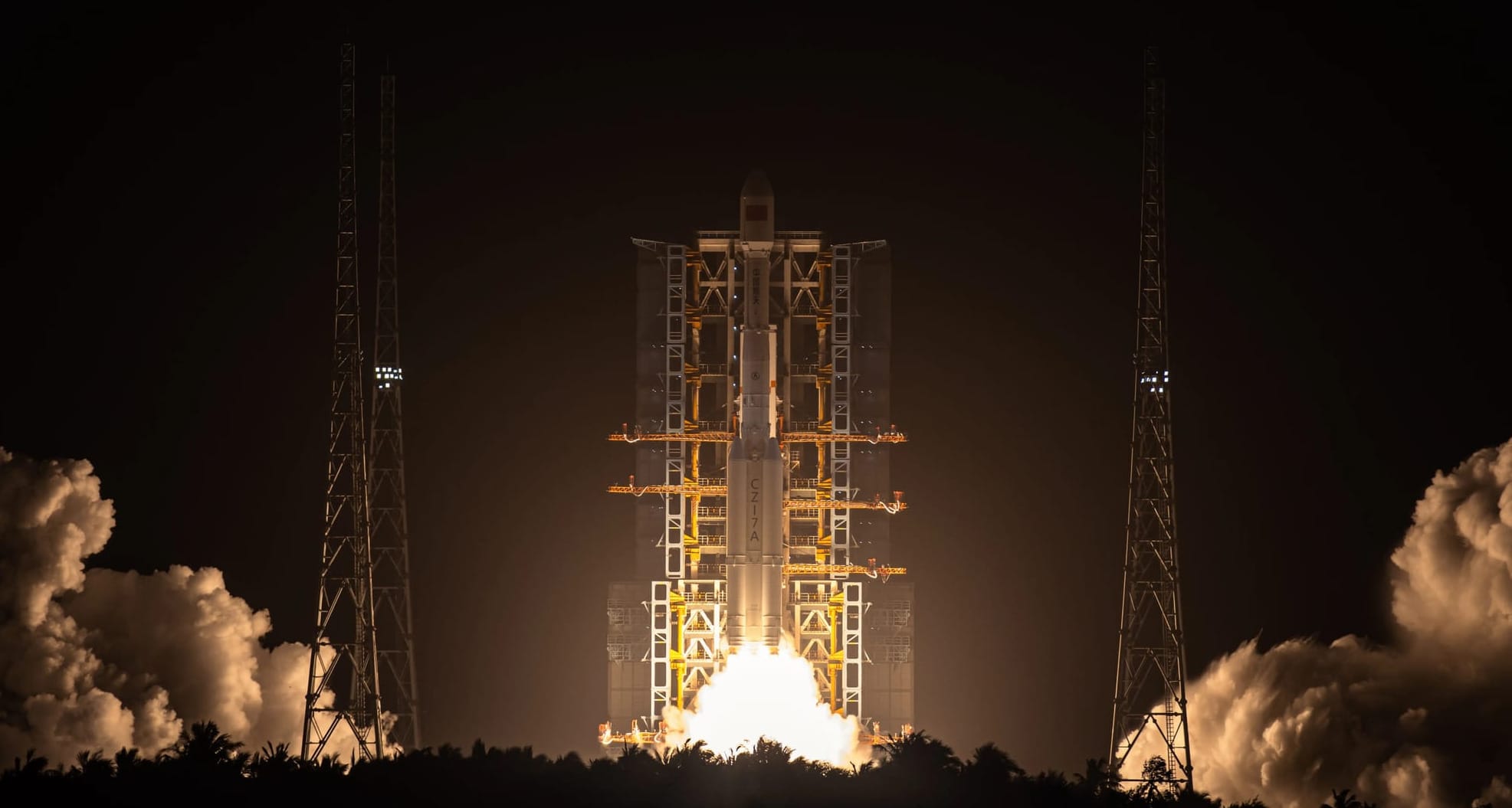
November 30th - Long March 7A with Shijian-28
A Long March 7A lifted off from Launch Complex 201 at the Wenchang Space Launch Site, carrying Shijian-28 onto a geostationary transfer orbit. Unlike of spacecraft of the same designation, Shijian-28 has no stated task for proving its unannounced new technical capabilities.
December 1st - Falcon 9 with Starlink Group 6-86
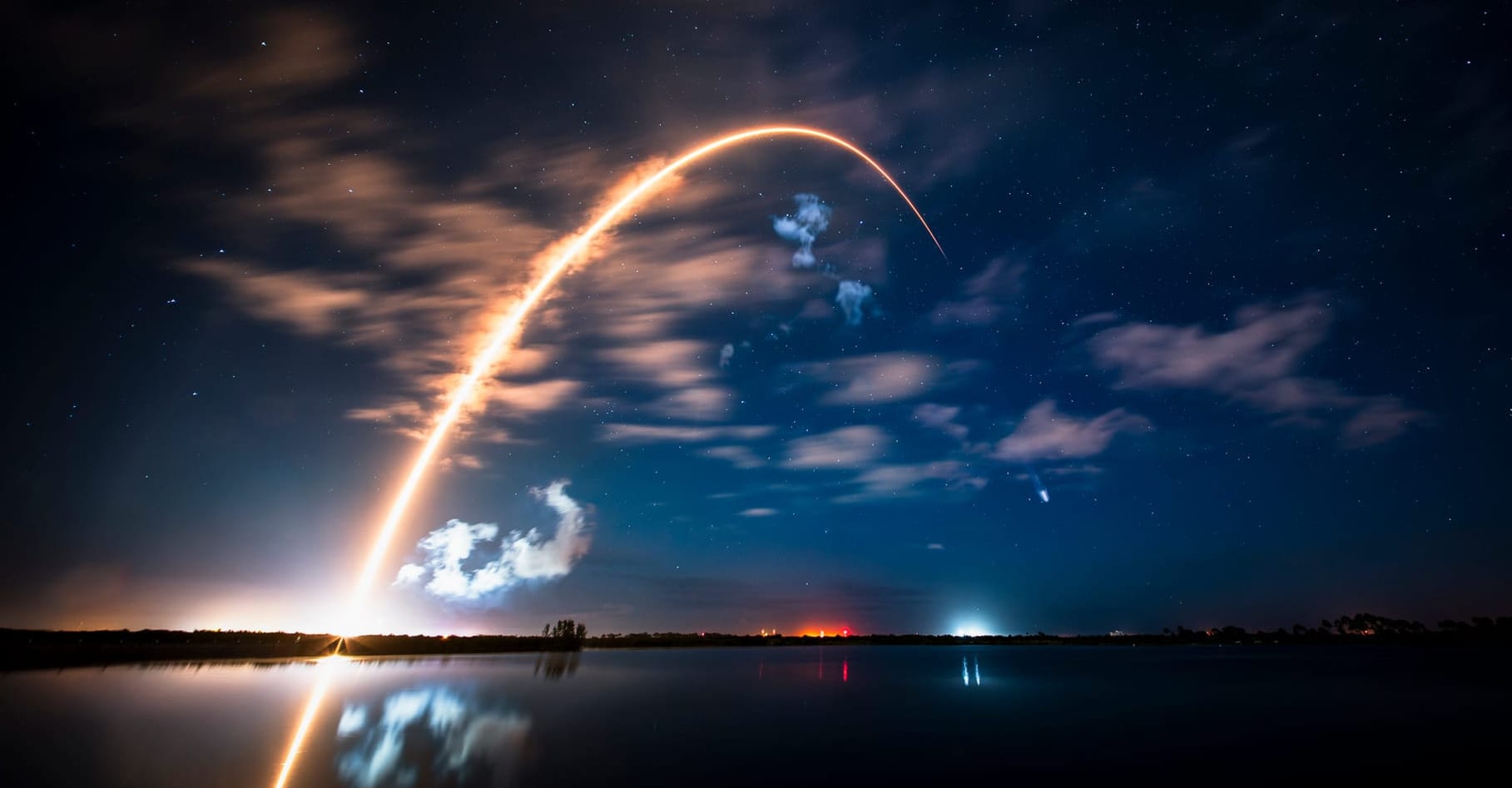
From Launch Complex 39A, in Florida, a Falcon 9 flew into low Earth orbit carrying twenty-nine Starlink satellites. Booster B1095 supported this mission for its fourth flight, landing on the drone ship 'Just Read The Instructions' downrange.
December 1st - Vega-C with KOMPSAT-7
Europe's Vega-C blasted off from the Guiana Space Center, in French Guiana, carrying South Korea's KOMPSAT-7 satellite into sun-synchronous orbit. KOMPSAT-7 is set to collect a variety of high-resolution images for varying uses.
🎬 Want more of the lift off? Here is the replay of the lift-off!#VegaC flight #VV28 has lifted off from Europe’s Spaceport, carrying #KOMPSAT7 to orbit.
— Arianespace (@Arianespace) December 1, 2025
Enjoy the launch moment again👇 (1/2) pic.twitter.com/mhKc5ATFhR
Vega-C lifting off from the Guiana Space Center with KOMPSAT-7, via Arianespace on Twitter.
December 2nd - Falcon 9 with Starlink Group 15-10
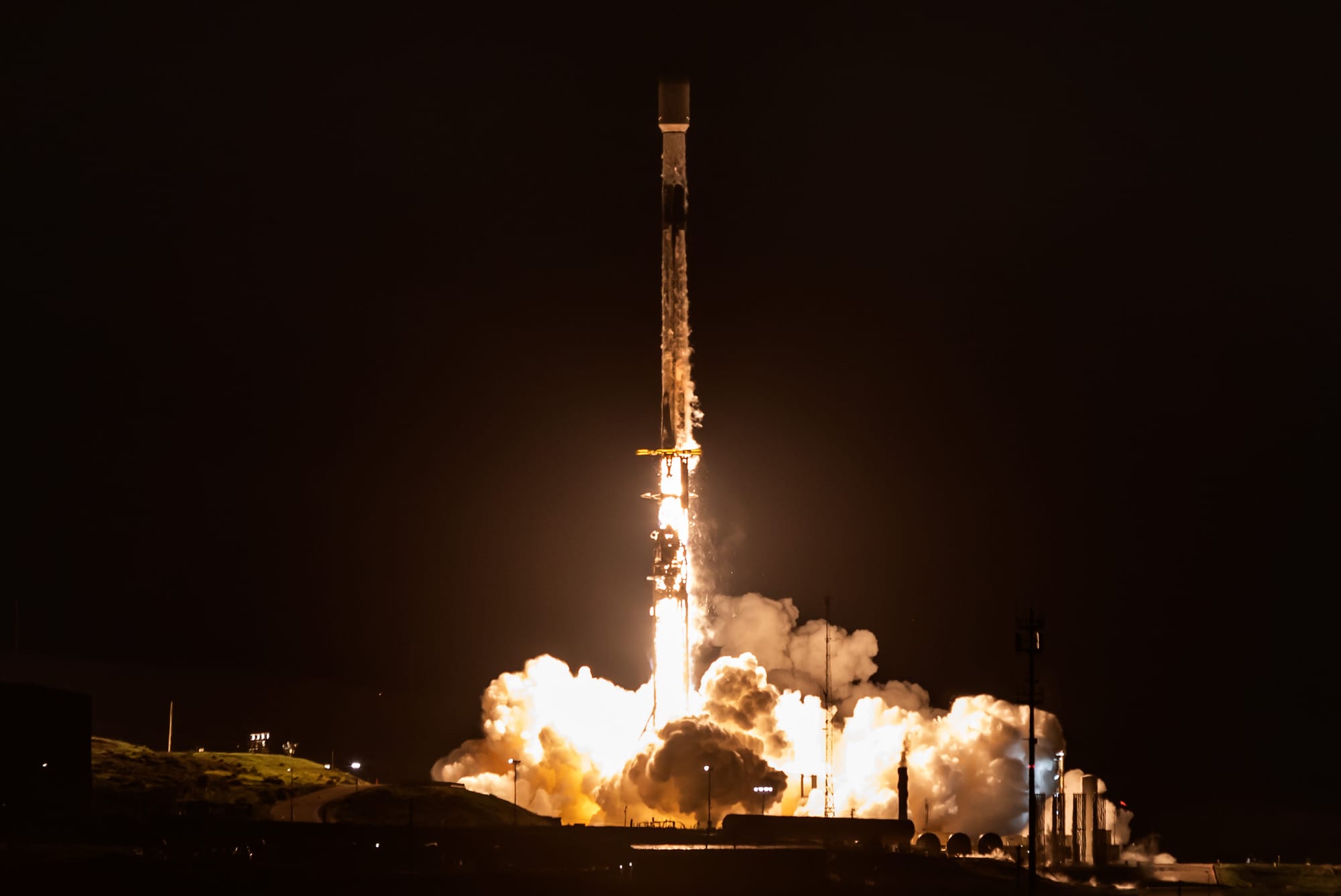
Falcon 9 launched from Space Launch Complex 4E, in California, delivering twenty-seven Starlink satellites to low Earth orbit. Supporting this mission was booster B1081 for its twentieth flight, with a landing downrange on the drone ship 'Of Course I Still Love You'.
December 2nd - Falcon 9 with Starlink Group 6-95
Another twenty-nine Starlink satellites were sent into low Earth orbit by a Falcon 9 flying from Space Launch Complex 40, in Florida. Booster B1077 supported this launch for its twenty-fifth flight, with a landing on the drone ship 'A Shortfall Of Gravitas' downrange.

December 3rd - Zhuque-3 for its debut flight
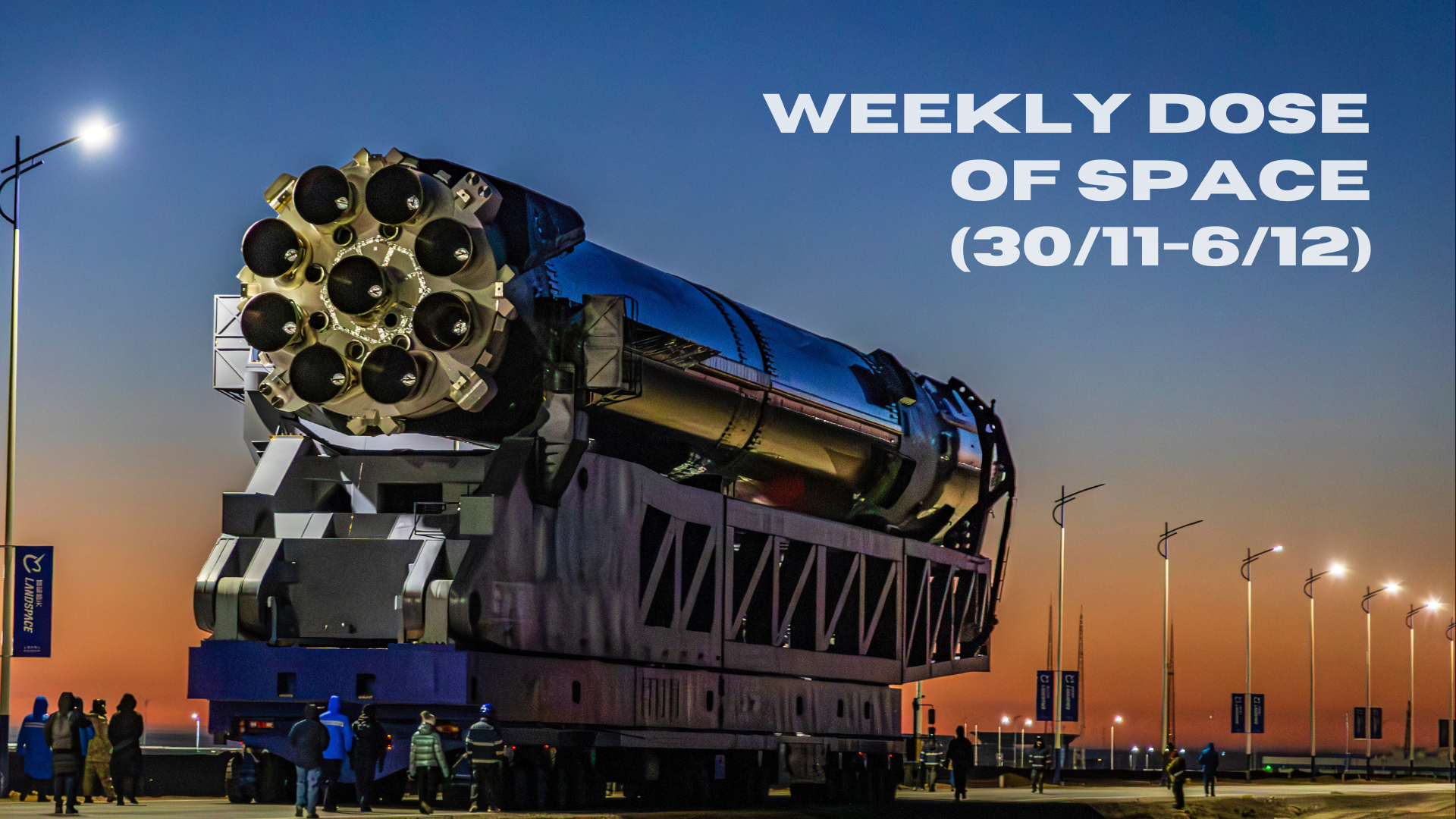
LandSpace launched its partially reusable two-stage Zhuque-3 rocket for the first time out of Launch Area 96B at the Jiuquan Satellite Launch Center, carrying a 'dummy payload' into low Earth orbit. During the debut flight, the first-stage booster attempted to land, safely heading back into the atmosphere and lighting an engine for its landing burn before suffering an anomaly seconds before the expected touchdown.
ZhuQue-3 Y1 Reusable Launch Vehicle Launch Mission Recap pic.twitter.com/9rTEX2eWQ0
— LandSpace (@LandSpace_Tech) December 5, 2025
LandSpace's recap of Zhuque-3's debut flight, via LandSpace on Twitter.
December 4th - Falcon 9 with Starlink Group 11-25
SpaceX's Falcon 9 flew yet again from Space Launch Complex 4E carrying twenty-eight Starlink satellites into low Earth orbit. Supporting this mission was booster B1097 for its fourth launch, landing downrange on the drone ship 'Of Course I Still Love You'.
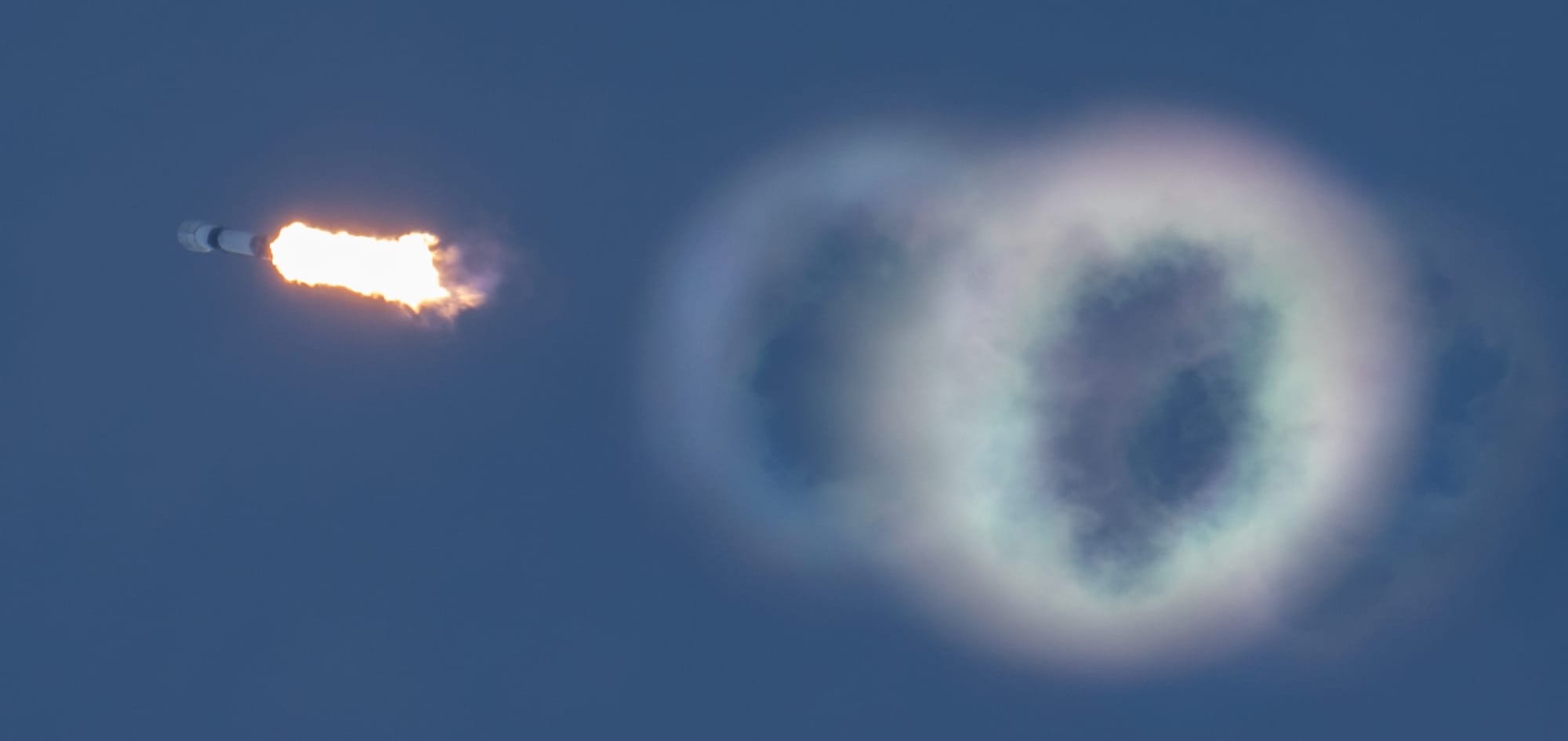
December 5th - Kuaizhou-1A with VDES-A and VDES-B
ExPace launched its Kuaizhou-1A rocket into sun-synchronous orbit carrying the VDES-A and VDES-B satellites. The two satellites are set to be the start of a new constellation for improving ship traffic management as well as search and rescue efforts.
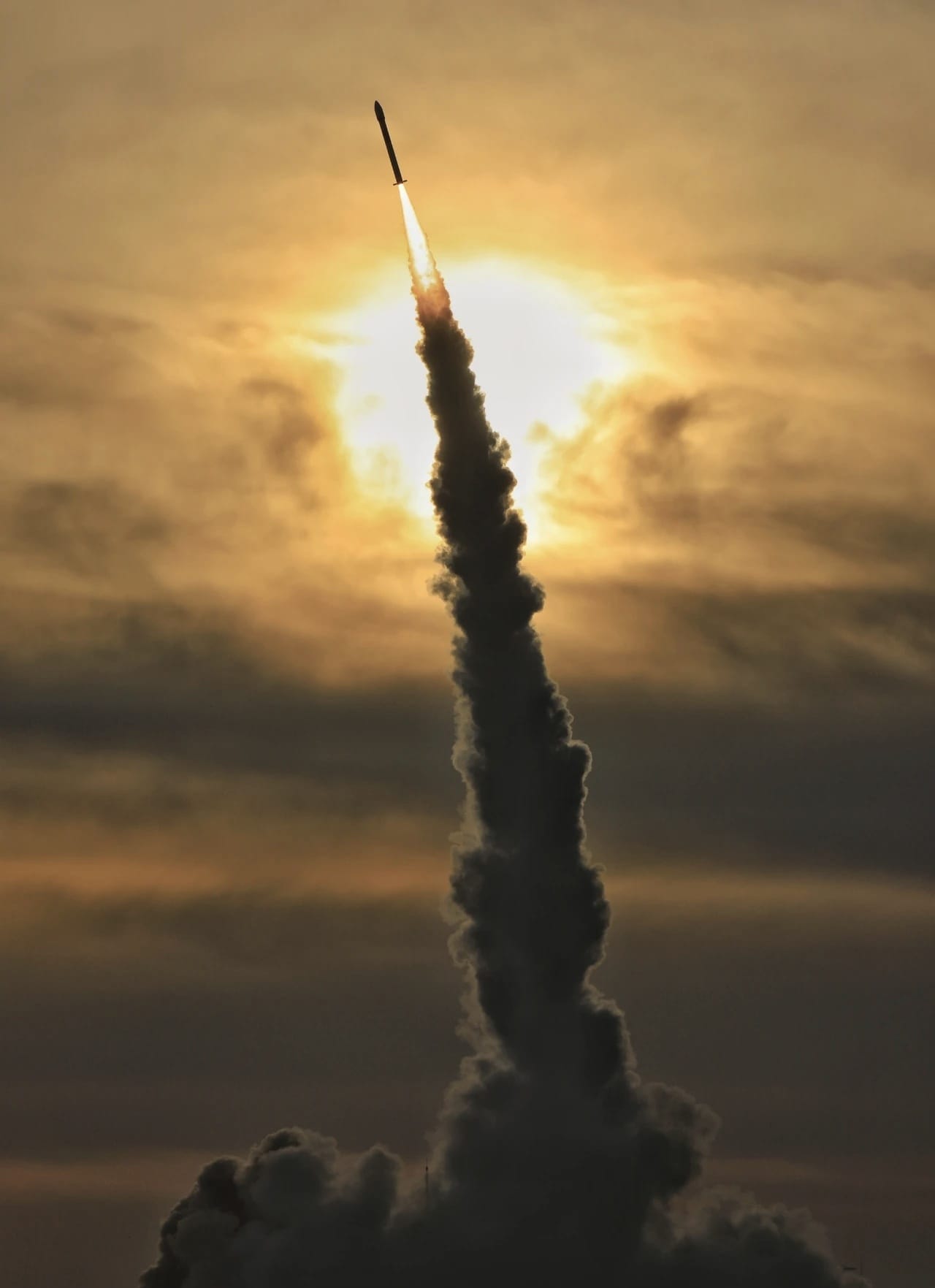
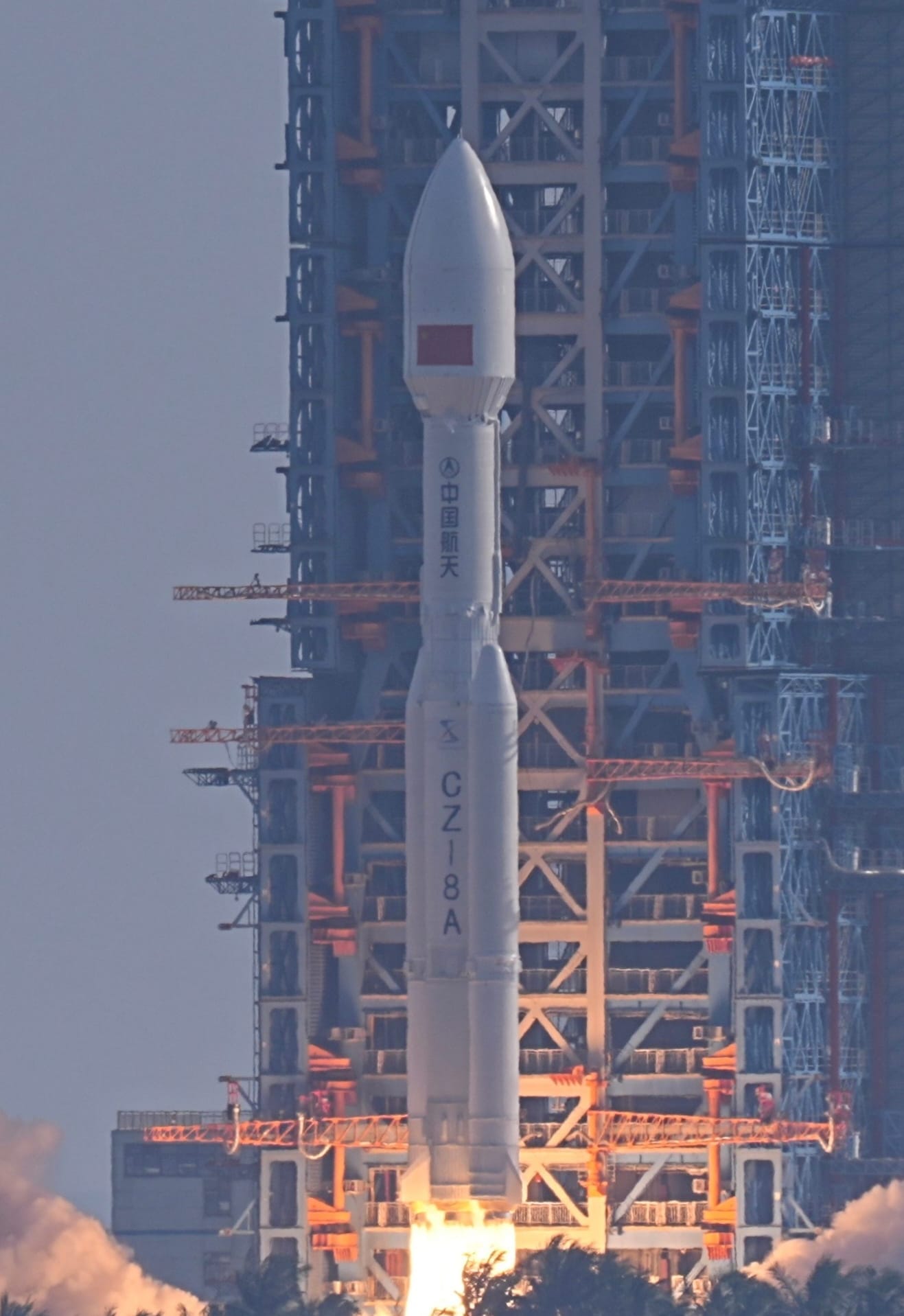
December 6th - Long March 8A with GuoWang Group 14
A Long March 8A flew from Commercial Launch Pad 1 at the Wenchang Commercial Space Launch Site, carrying nine GuoWang satellites into low Earth orbit for the constellation's fourteenth group. With this launch, GuoWang has a total of 113 spacecraft in orbit.
In Other Space News
Sugars needed for life found on Bennu
On December 2nd, NASA shared, citing the work of Tohoku University in Japan, that sugars essential for biology on Earth were found in samples from asteroid Bennu, returned by OSIRIS-REx. The specific sugars found were five-carbon sugar ribose and six-carbon glucose, which on Earth are key parts of DNA and RNA, with NASA's press release stating:
"The discovery of ribose in asteroid samples is not a complete surprise. Ribose has previously been found in two meteorites recovered on Earth. What is important about the Bennu samples is that researchers did not find deoxyribose. If Bennu is any indication, this means ribose may have been more common than deoxyribose in environments of the early solar system."
"Researchers think the presence of ribose and lack of deoxyribose supports the “RNA world” hypothesis, where the first forms of life relied on RNA as the primary molecule to store information and to drive chemical reactions necessary for survival."
"The Bennu samples also contained one of the most common forms of “food” (or energy) used by life on Earth, the sugar glucose, which is the first evidence that an important energy source for life as we know it was also present in the early solar system."
Other materials found in the samples were polymer-like materials extremely rich in nitrogen and oxygen as well as supernova dust. Further research into the materials will allow for an improved understanding of the solar system and the universe.
Airbus signs with Shanghai-backed constellation
Airline manufacturer Airbus and Shanghai Spacesail Technologies Co Ltd, of the Shanghai government-backed Qianfan constellation, announced on December 4th that the two companies have signed a Memorandum of Understanding.
Through the memorandum, the two companies will explore how best to integrate Qianfan's space-based services, via its 108 satellites in low Earth orbit, onto Airbus' fleet of passenger and cargo aircraft to improve customer experiences and fleet management of airlines. Speaking on Qianfan's services, Tim Sommer, Airbus' Head of the Connected Aircraft Programme, shared:
“This [memorandum] with Spacesail reinforces Airbus core strategy of building a robust and diverse ecosystem of satellite partners. By integrating the vast, global capacity of Spacesail’s planned [low Earth orbit] constellation, we are significantly enhancing the flexibility and choice we offer to our airline customers. This commitment ensures they can access the most advanced [in-flight connectivity] services to meet the growing global demand for high-quality connectivity on all routes.”
In a similar move a few months ago, a memorandum was signed with Amazon's low-Earth orbit constellation to provide the same service. Through having two similar providers airlines may have a choice of space-based services, or will be allocated one based on region
What to Expect Next Week
December 7th - Electron for 'RAISE And Shine'
Rocket Lab's Electron rocket is set to head into sun-synchronous orbit carrying the RAISE-4 (RApid Innovative payload demonstration Satellite-4) mission for its various on-orbit demonstrations.
December 7th - Falcon 9 with Starlink Group 11-15
A Falcon 9 is set to fly from Space Launch Complex 4E carrying a batch of Starlink satellites to low Earth orbit.
December 7th - Falcon 9 with Starlink Group 11-15
Falcon 9 is planned to fly from Launch Complex 39A carrying a batch of Starlink satellites to low Earth orbit.
December 8th - Long March 6A with a to-be-annouced payload
A Long March 6A is expected to fly into low Earth orbit from the Taiyuan Satellite Launch Center carrying currently unannounced satellites.
December 9th - Long March 2D with a to-be-annouced payload
From the Jiuquan Satellite Launch Center, a Long March 2D is preparing to fly into low Earth orbit carrying an unannounced payload.
December 9th - Long March 3B/E with a to-be-annouced payload
A Long March 3B/E is set to fly toward geostationary space carrying a currently unknown satellite.
December 9th - Falcon 9 with NROL-77
SpaceX will launch a military spacecraft from the U.S. National Reconnaissance Office atop of its Falcon 9, launching out of Space Launch Complex 40.
December 10th - Kinetica-1 with a to-be-annouced payload
CAS Space is expected to launch its Kinetica-1 rocket from the Jiuquan Satellite Launch Center, carrying unknown payloads into low Earth orbit.
December 10th - Falcon 9 with Starlink Group 15-11
Yet another Falcon 9 will carry Starlink satellites into low Earth orbit from Space Launch Complex 4E.
December 11th - Soyuz 2.1a with Obzor-R
A Soyuz 2.1a is planned to fly into sun-synchronous orbit carrying the Obzor-R X-band earth observation satellite out of the Plesetsk Cosmodrome.
December 11th - Falcon 9 with Starlink Group 6-90
Even more Starlink satellites are set to head to low Earth orbit atop of a Falcon 9 from Space Launch Complex 40.
December 11th - Long March 12 with a to-be-announced payload
A Long March 12 is preparing to fly from the Wenchang Commercial Space Launch Site, heading into low Earth orbit with unknown satellites.
December ~12th - Long March 12A for its debut flight
The Shanghai Academy of Spaceflight Technology is set to fly its partially reusable Long March 12A launch vehicle for its debut mission from the Jiuquan Satellite Launch Center. Following launch, the first-stage booster will attempt to touchdown on a downrange landing pad.