
Table of Contents
Welcome back to Weekly Dose of Space! This week in space saw four launches taking place worldwide, with the majority supporting connectivity constellations. Notable news from the week includes Intuitive Machines acquiring Kinetix, Inversion Space unveiling a new spacecraft, and the first time a protoplanet has been directly observed. We'll also look ahead to what the worldwide launch schedule looks like next week.
Launches This Week
This week was a bit slower when it came to launches than the previous one with four launches taking place around the world.
September 28th - Falcon 9 with Starlink Group 11-20
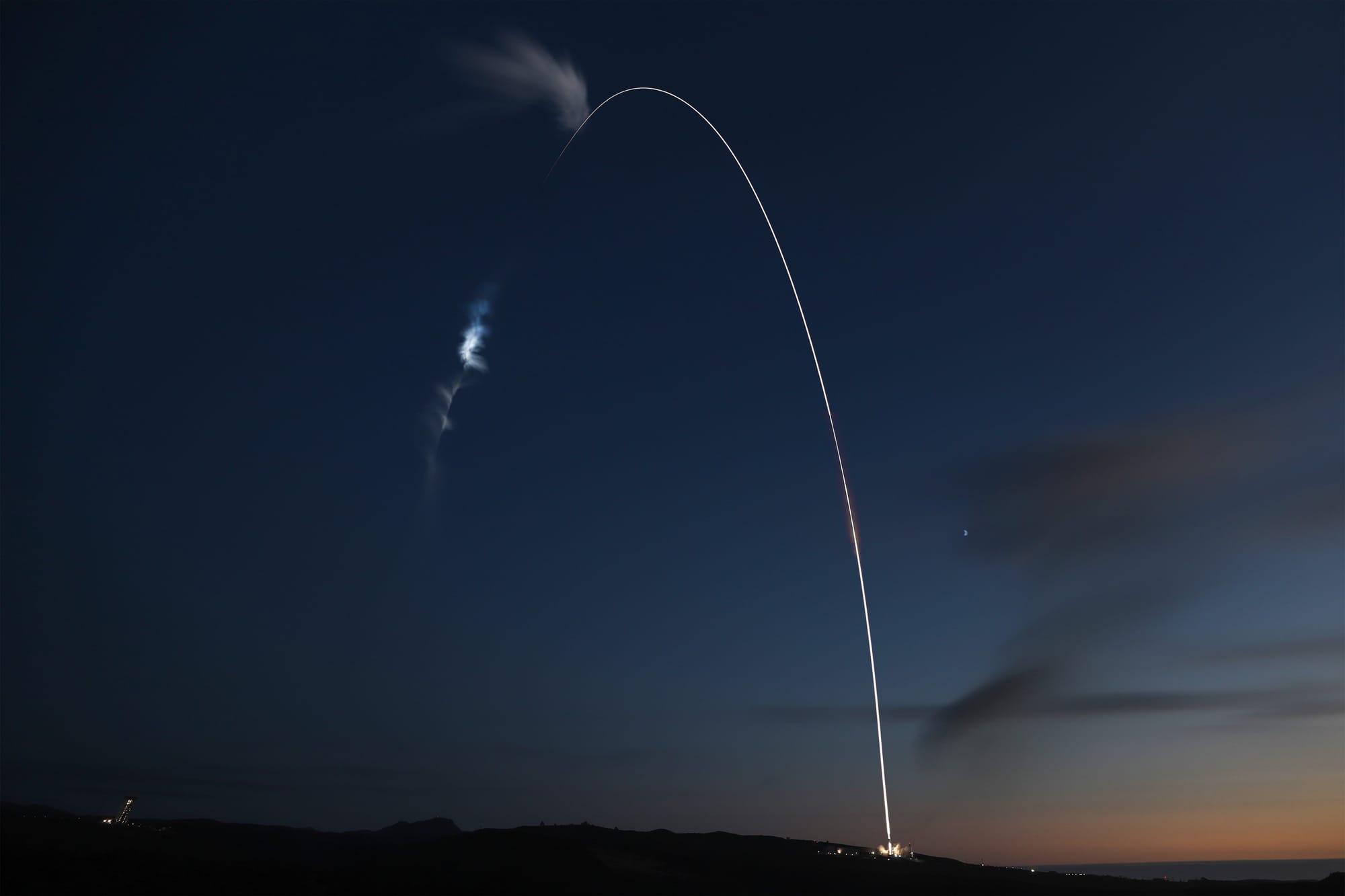
Kicking things off, on Sunday SpaceX launched another 28 V2 Starlink's to LEO onboard Booster 1063. This was the boosters 28th overall flight which saw the booster land safely down range on the "Of Course I still Love You" drone ship.
September 28th - Long March 2D with Shiyan 30 01-02
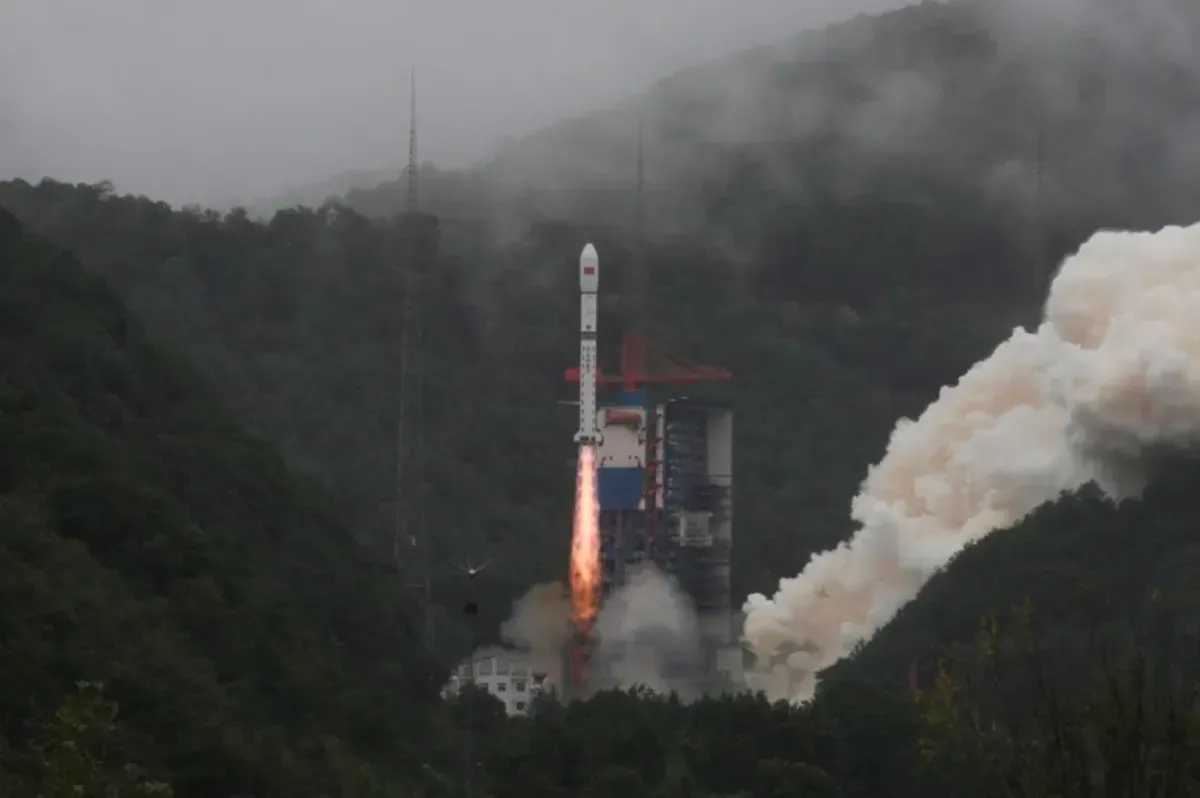
Across the pacific, in China, a Long March 2D carried two experimental Shiyan satellites to Low Earth Orbit. While little is known about the exact purpose of these satellites, they are likely going to test hardware for future missions; from sensors and cameras to communication equipment.
September 30th - Electron for Justin (HASTE)
Following last weeks successful "Jenna" launch, Rocket Lab launched Justin on a suborbital trajectory for an unknown customer with an unknown payload. This is apart of the companies HASTE (Hypersonic Accelerator Suborbital Test Electron) program.
October 3rd - Falcon 9 with Starlink Group 11-39
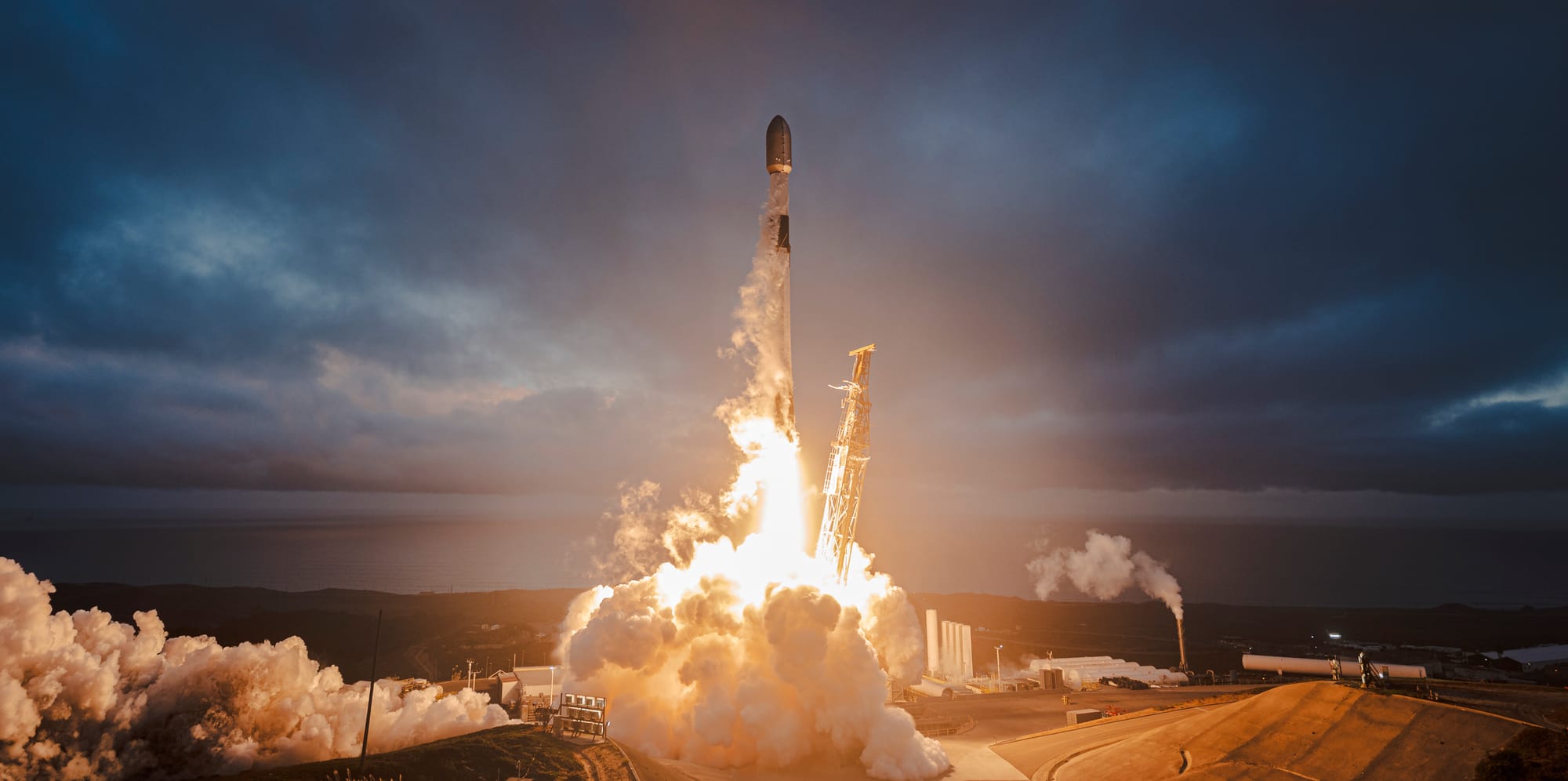
Wrapping out the week as it began, SpaceX launched another 28 Starlink V2 satellites to LEO aboard Falcon 9 B1097, the boosters 2nd flight. Drone ship "Of Course I Still Love You" once again was the down range landing pad, its 155th successful Falcon 9 recovery.
In Other Space News
Inversion Unveil Arc
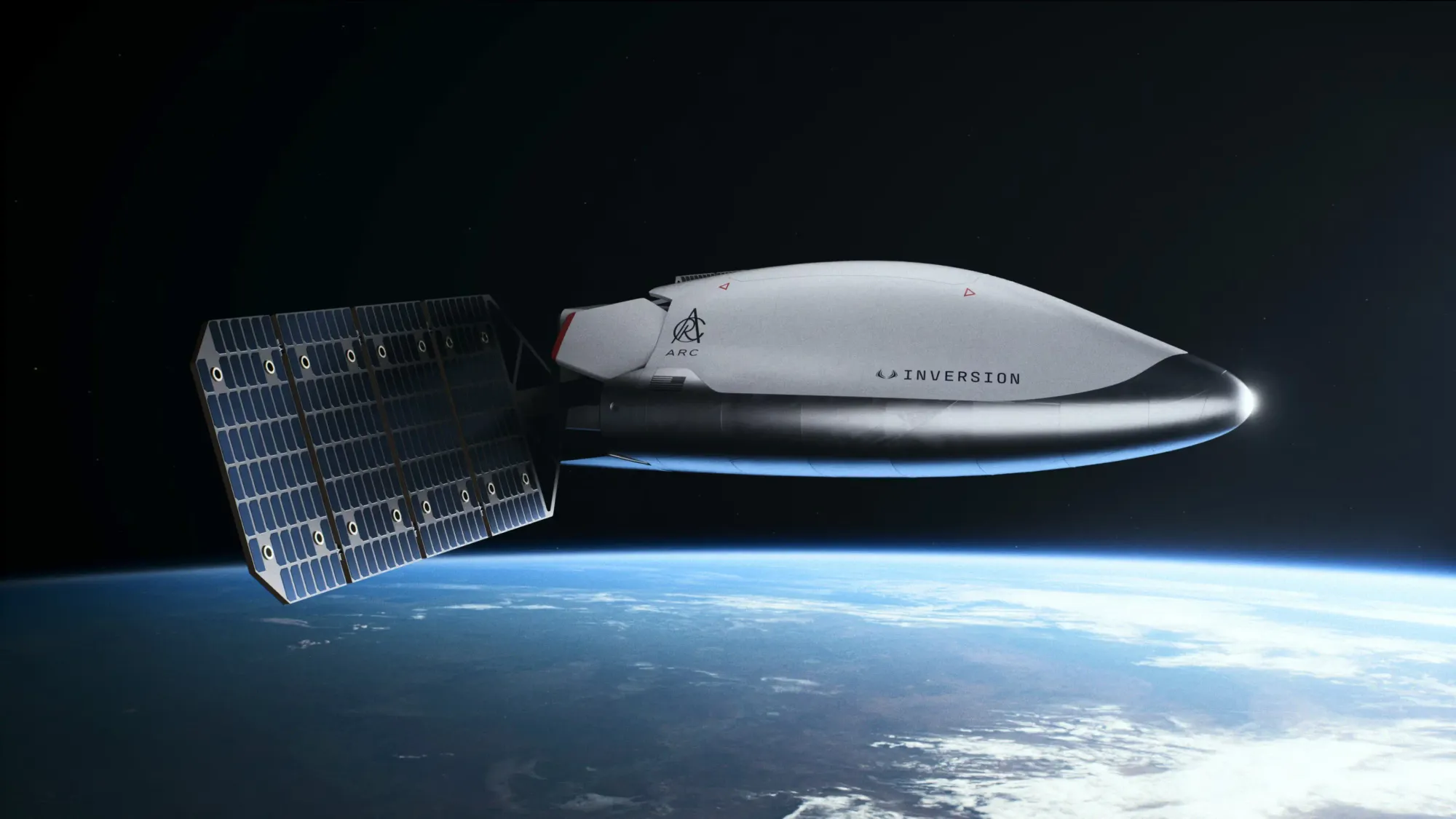
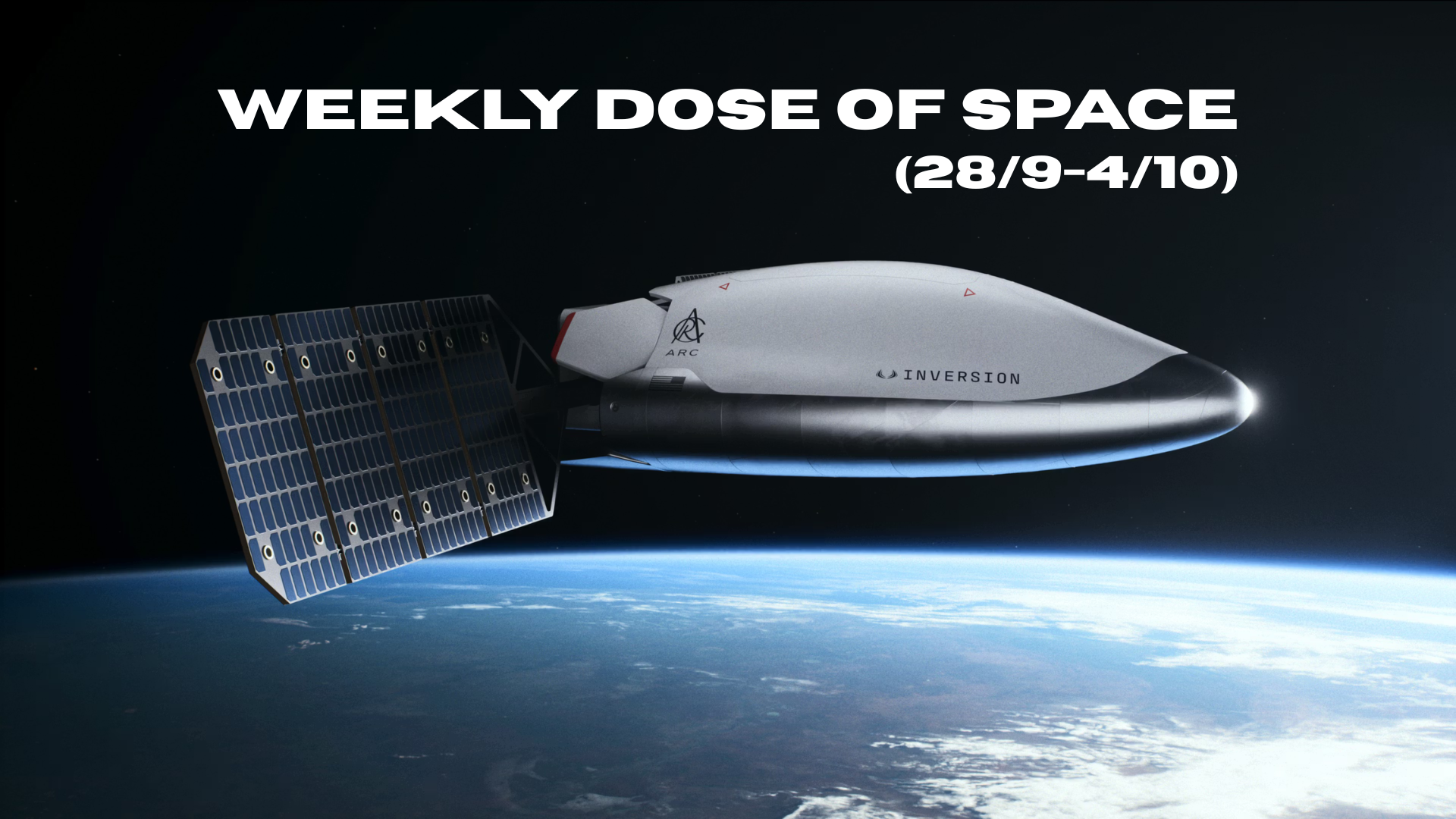
On October 1st, Inversion, a California-based aerospace startup, unveiled Arc, a compact, reusable spacecraft. Building off their first successful mission, Arc promises rapid delivery of supplies to nearly anywhere on the planet. At just 1.2M wide and 2.4M long, Arc will use its lifting body, along with control surfaces at its aft, to soar back down to Earth from orbit. To land, the spacecraft will deploy a parachute and control itself like a hang glider, similar to how NASA's experimental X-38 did.
Inversion claims Arc can stay on-orbit for up to five years, acting as a reusable satellite. Currently, the company is planning for a 2026 flight of Arc.
Intuitive Machines Acquires Kinetix
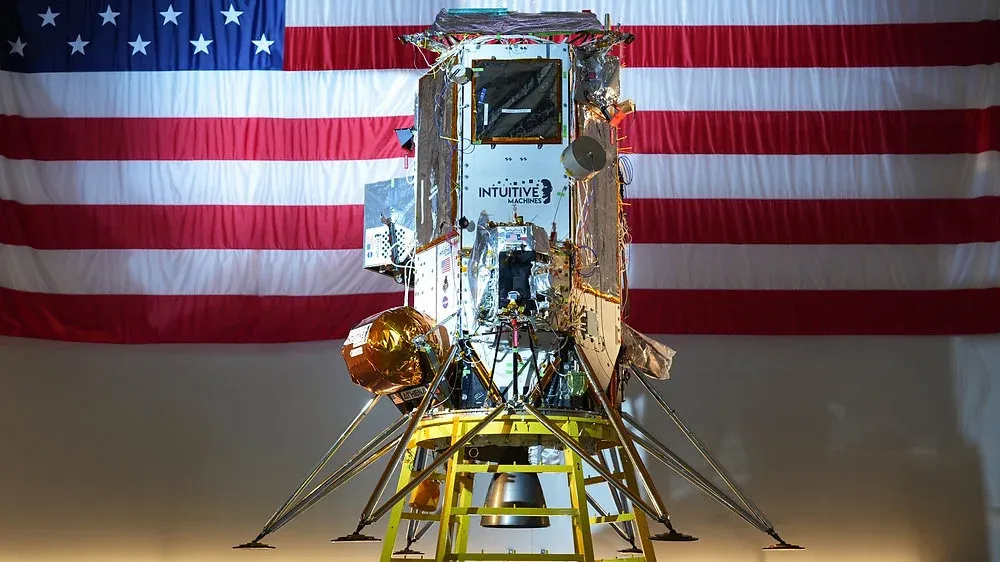
While hype and anticipation were growing for Inversion's reveal of their secret spacecraft, Intuitive Machines finalized their acquisition of Kinetix that same morning. Kinetix specializes in in-space navigation, constellation mission design, and systems engineering. The talent and information from Kinetix will provide Intuitive Machines with more know-how on how to develop its emerging technology.
Kinetix and its experience with constellation management and space navigation will come in handy, as the company was awarded a $4 billion contract over a year ago to build an orbital communication relay around the Moon.
Intuitive Machines CEO, Steve Altemus, said the following after the finalization of the acquisition:
"With KinetX's navigation expertise now paired with our lunar-proven spacecraft and data network, we believe Intuitive Machines is positioned to lead in cislunar space and carry that advantage forward to Mars."
Astronomers Observe Newly Born Planet

Around the young star WISPIT 2, located roughly 437 light-years away, a newly born proto-planet (WISPIT 2b) has been spotted between rings of dust and gas. This is the first time astronomers have observed a planet in its earliest stages of development. As WISPIT 2b is still accumulating material, when it is done accreting material, it is estimated to be about 5x as massive as Jupiter.
To detect the newborn planet, astronomers used the MagAO-X instrument on the Magellan 2 Telescope in Chile. [To read the full breakdown, click here!]
What to expect Next Week
Looking ahead, if all things go to plan, next week will feature five launches, one of which will be a crewed sub-orbital flight.
October 6th - Falcon 9 with Starlink Group 10-59
SpaceX is planning to kick things off with another 28 v2 mini satellites to LEO on Monday.
October 7th - Falcon 9 with Starlink Group 11-17
Following the launch from the Cape, SpaceX will again launch another batch of v2 mini Starlink's into LEO, this time from Vandenberg.
October 8th - New Shepard Flight 36
Out of Launch Site One in Texas, Blue Origin plans to launch the 15th crewed New Shepard flight on Wednesday. This flight will see six people flying to the edge of our atmosphere and back.
October 9th - Falcon 9 with Kuiper (KF-03)
SpaceX's Falcon 9 is set to launch even more mega constellation satellites to orbit, this time for Amazon's Kuiper. Onboard the Falcon 9 are 24 Kuiper satellites who will grow the constellation from 129 to 153.
October 9th - Long March 8A 'Unknown Payload'
Out of Wenchang a Long March 8A will light up the skies, flying an unknown payload to orbit.