
Table of Contents
Welcome back to Weekly Dose of Space! During the week, eight launches took place worldwide, this time without Falcon 9. News during the week saw the Artemis II crew conducting a test with their spacecraft and a United Launch Alliance's top boss leaving for Blue Origin. As always, we'll also look ahead to what the worldwide launch schedule might look like next week.
Launches This Week
December 21st - Electron for 'The Wisdom God Guides'
Rocket Lab launched its Electron rocket from Launch Complex 1B, on the Māhia Peninsula in New Zealand, into low Earth orbit carrying the Japanese QPS-SAR-15 synthetic aperture radar satellite. The satellite is part of a planned constellation of thirty-six spacecraft to enable imaging of almost anywhere on Earth every ten minutes.
Today's successful launch for @QPS_Inc has set a new annual launch record for Electron: 21 launches in one year with 100% mission success!
— Rocket Lab (@RocketLab) December 21, 2025
🚀🚀🚀🚀🚀🚀🚀🚀🚀🚀🚀🚀🚀🚀🚀🚀🚀🚀🚀🚀🚀💯 pic.twitter.com/dAUiXvgn0T
Electron flying from the Māhia Peninsula on December 21st 2025, via Rocket Lab on Twitter.
December 22nd - H3 with Michibiki-5
Japan's H3 rocket was flying from the Tanegashima Space Center into a geostationary transfer orbit carrying the Michibiki-5 navigation satellite. However during the flight, a loss of pressure began, causing the second-stage to shut down early and fall back into the atmosphere.
JAXA's H3 rocket has suffered a failure during today's launch. https://t.co/jMOCS5TiWC pic.twitter.com/qtGkS5AGTN
— China 'N Asia Spaceflight 🚀𝕏 🛰️ (@CNSpaceflight) December 22, 2025
Liftoff of H3 from the Tanegashima Space Center on December 22nd 2025, via CNSpaceflight on Twitter.
December 23rd - Hanbit-Nano for 'Spaceward'
Innospace attempted to launch its Hanbit-Nano rocket for the first time out of the Alcântara Launch Center in Brazil, carrying eight small payloads. Shortly after liftoff, an anomaly occurred, resulting in the rocket falling back to Earth.
And there goes HANBIT-Nano | ‘SPACEWARD’ Mission by INNOSPACE.
— NSF - NASASpaceflight.com (@NASASpaceflight) December 23, 2025
But it has failed.
Live:https://t.co/nqe9iiPv6J https://t.co/8qj5slmn57 pic.twitter.com/dTKhg0TMkp
Hanbit-Nano lifting off from the Alcântara Launch Center on December 23rd, via NASASpaceflight on Twitter.
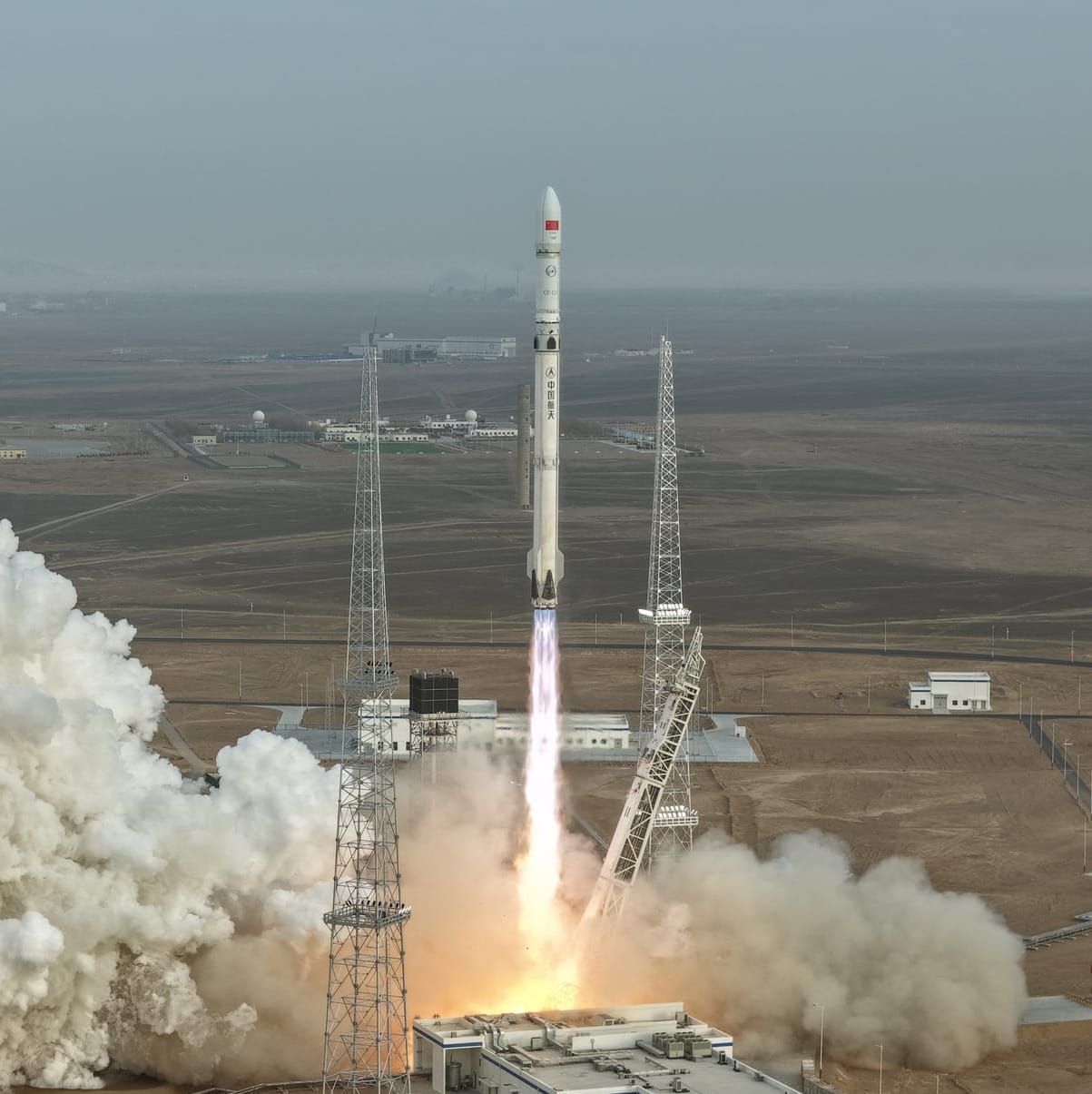
December 23rd - Long March 12A for its debut flight
Out of the Jiuquan Satellite Launch Center, the first Long March 12A lifted off for low Earth orbit to prove the new partially reusable launch vehicle. After liftoff, the second-stage successfully reached orbit, but the first-stage fell short of a landing after a failed engine restart.
December 24th - LVM-3 with BlueBird-6
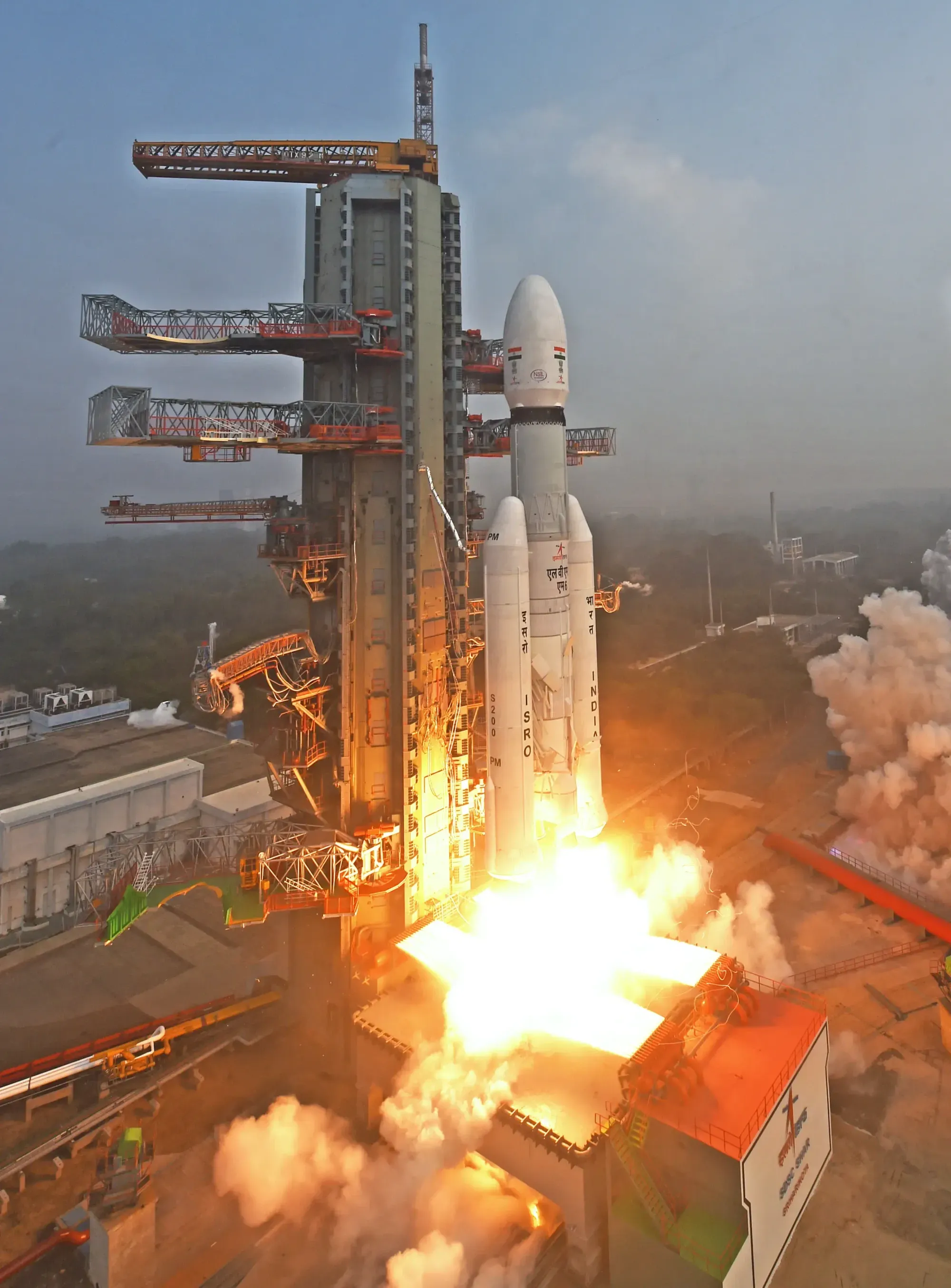
India's LVM-3 blasted off from the Satish Dhawan Space Centre and headed into low Earth orbit carrying AST SpaceMobile's BlueBird-6 satellite. BlueBird-6 is the first of a second-generation spacecraft designed to provide cell coverage from space.
December 25th - Soyuz 2.1a with Obzor-R
A Soyuz 2.1a flew into sun-synchronous orbit carrying the Obzor-R X-band earth observation satellite out of the Plesetsk Cosmodrome. Once commissioned, the satellite will collect images via a synthetic aperture radar with a resolution of 500 meters.
Video of yesterday's Soyuz-2.1a launch from Plesetsk cosmodrome, carrying «Obzor-R» radar satellite.
— afec7032 🇷🇺 (@robert_savitsky) December 25, 2025
This is the 150th successful launch of a Russian rocket since the last launch failure in 2018. pic.twitter.com/5Hqmq5CZ0Q
Soyuz 2.1a flying from the Plesetsk Cosmodrome on December 25th 2025, via robert_savitsky on Twitter.
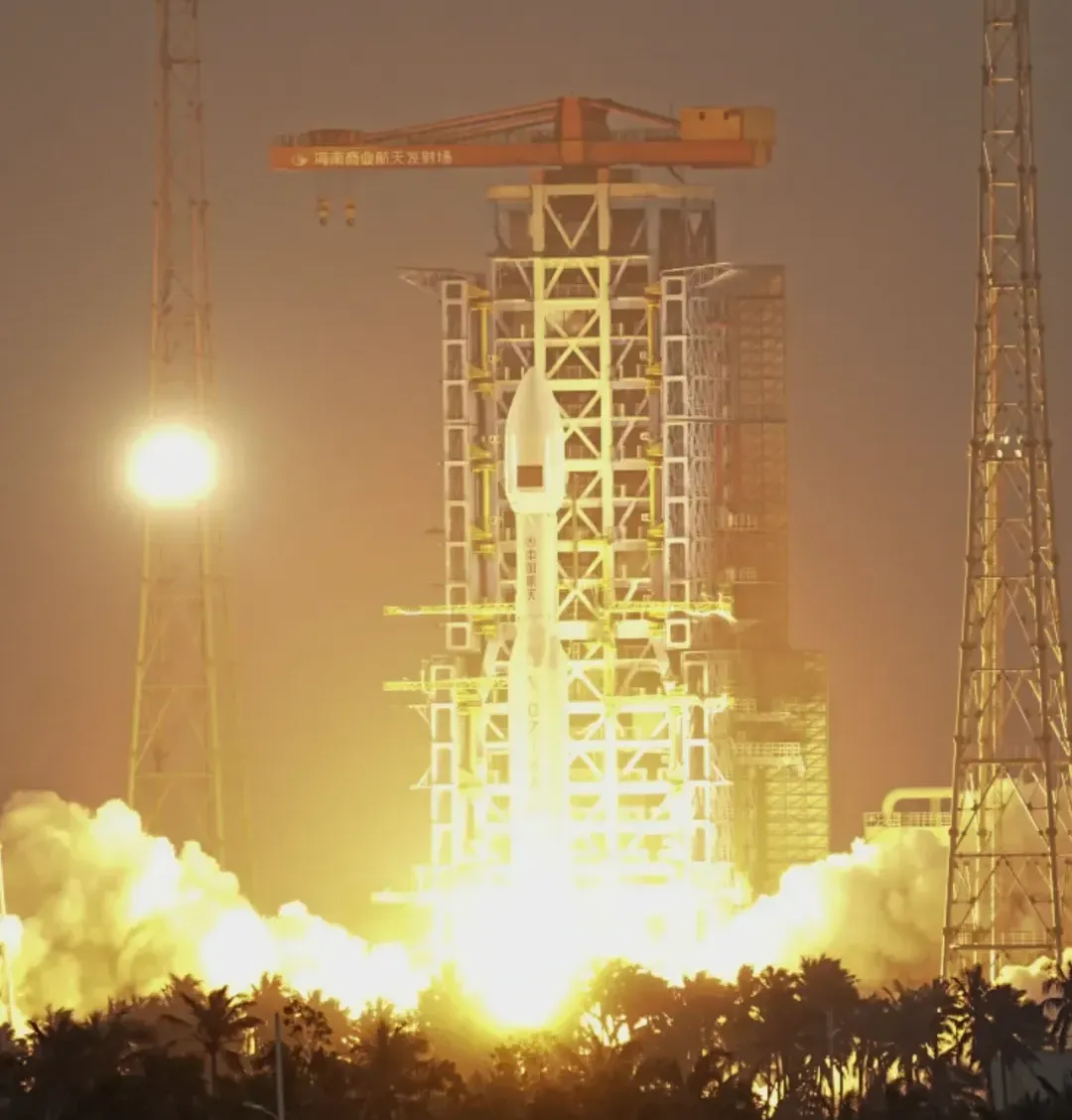
December 25th - Long March 8A with GuoWang Group 17
A Long March 8A flew out of the Wenchang Commercial Space Launch Site and into low Earth orbit carrying nine satellites for the GuoWang connectivity mega-constellation. With this launch, there are now 136 GuoWang spacecraft in orbit.
December 26th - Long March 3B/E with Fengyun-4C
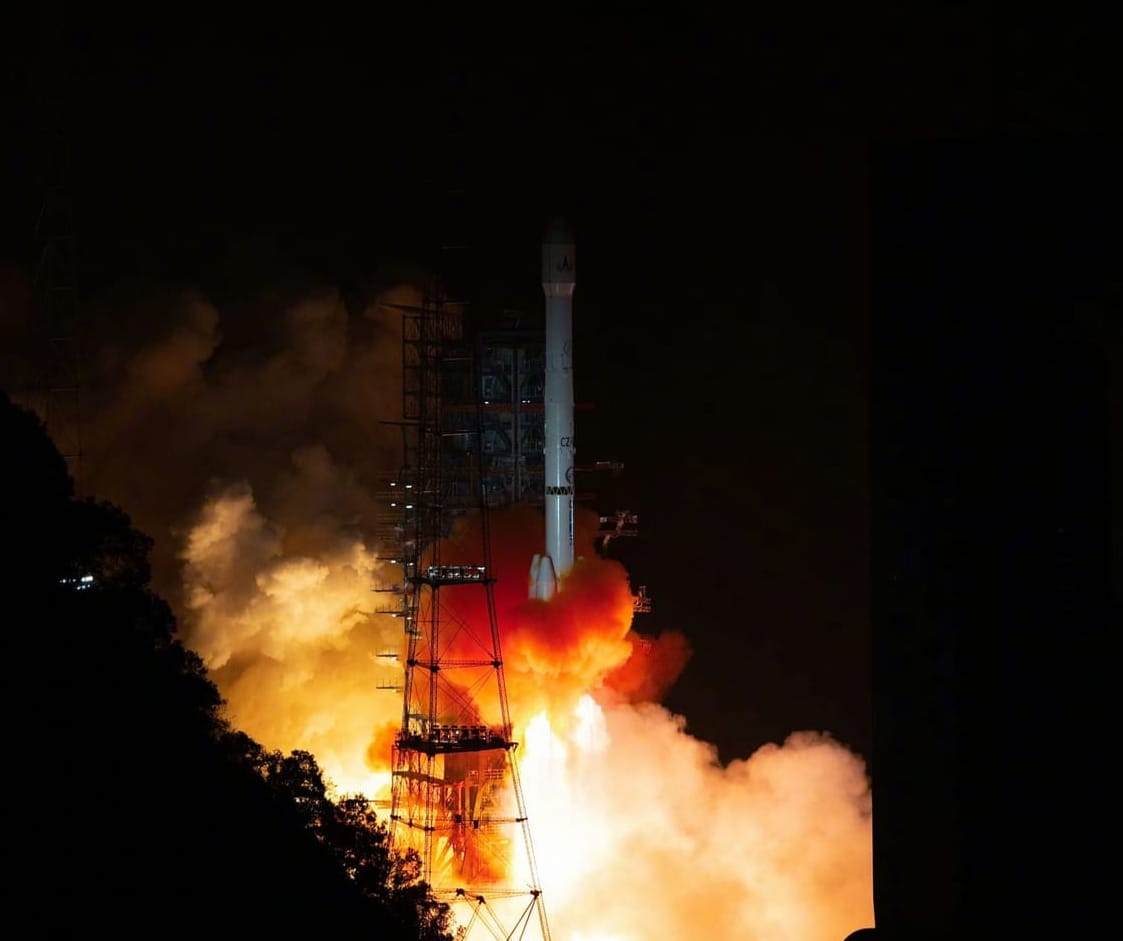
From the Xichang Satellite Launch Center, a Long March 3B/E flew towards a geostationary transfer orbit carrying the Fengyun-4C spacecraft. Fengyun-4C is set to reside over New Guinea to collect Earth and solar weather data for improved forecasting of both.
In Other Space News
Artemis II crew conduct countdown demonstration
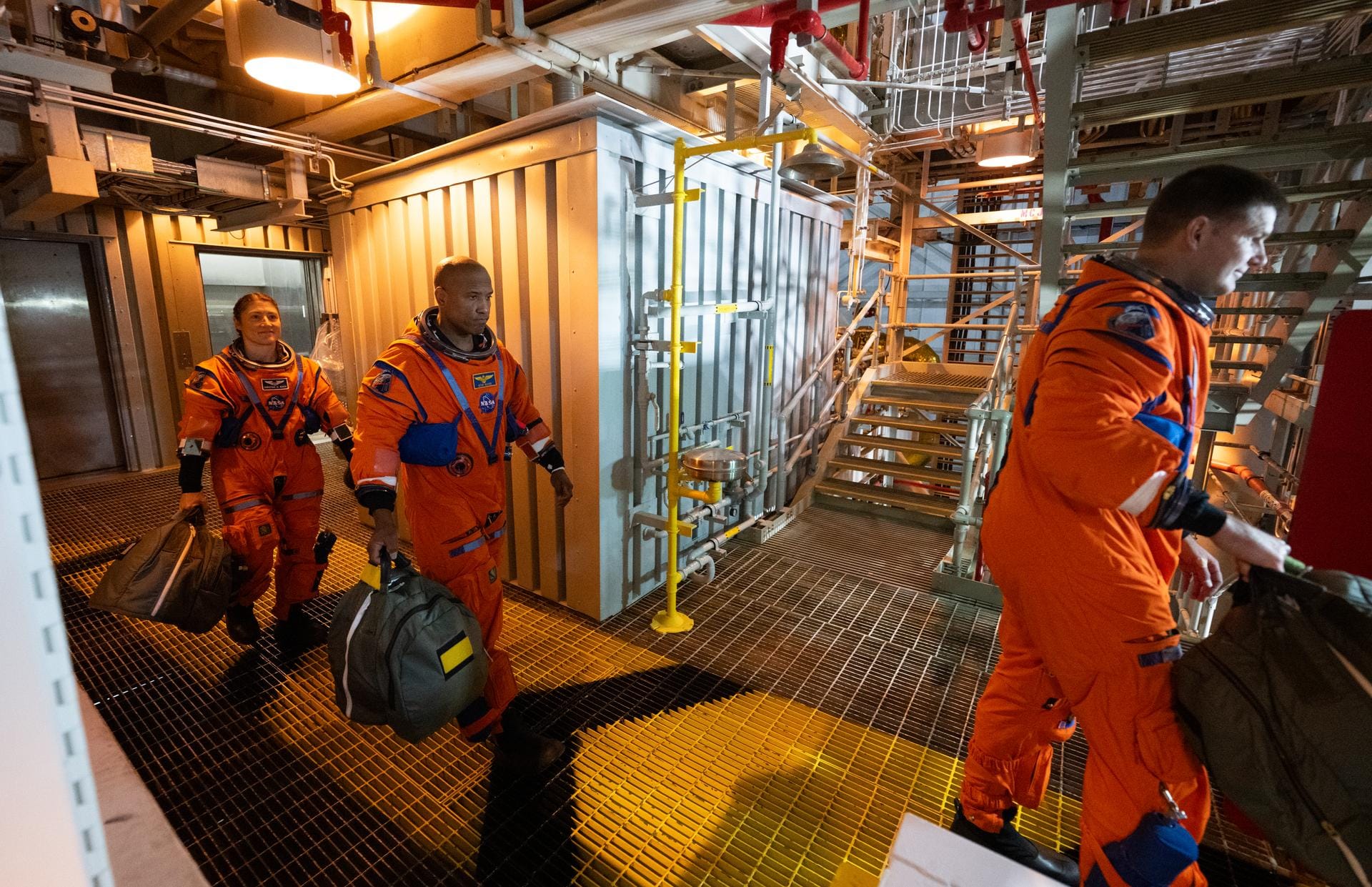
NASA shared on December 23rd that a few days earlier, December 20th, the Artemis II crew of NASA astronauts Christina Koch, Victor Glover, Reid Wiseman and Canadian Space Agency astronaut Jeremy Hansen had completed a countdown demonstration test alongside launch control and support teams at the Kennedy Space Center, in Florida.
For the test, the four crew members went through procedures expected for a real launch day, suiting up inside the Neil A. Armstrong Operations and Checkout Building, walking out to the astronaut van, heading toward the Space Launch System rocket (inside the Vehicle Assembly Building for the test instead of at Launch Complex 39B), then taking the Mobile Launch Platforms elevator up to the Orion spacecraft. Once at Orion, the crew climbed in with the assistance of closeout crews to perform leak and communications checks, then headed to the thirty-second-to-launch point in a simulated countdown.
In total, the countdown demonstration test lasted five and a half hours and was the first end-to-end rundown with the crew, the Orion spacecraft, and Space Launch System rocket. Speaking on the test, NASA Administrator Jared Isaacman stated:
"This test marks the passage of a key milestone on America’s journey to the launchpad. We have many more to go, but I’m encouraged by the expertise and precision demonstrated by our teams"
Tory Bruno leaves ULA for Blue Origin
On December 22nd, United Launch Alliance, of the Atlas and Vulcan launch vehicles, abruptly announced that its Chief Executive Officer Tory Bruno had resigned from the company. Bruno had been in the role since 2014 and led the company into phasing out the Delta and Atlas launch vehicles in favor of the more affordable Vulcan, which he says has years of missions bought.
A few days following his resignation from United Launch Alliance, Blue Origin, with the New Glenn rocket, shared that Bruno was joining the company as its new President of National Security, to head a new internal National Security Group, likely to secure military contracts, which will report directly to Dave Limp, its Chief Executive Officer. With the announcement, Limp wrote:
"We share a deep belief in supporting our nation with the best technology we can build. Tory brings unmatched experience, and I’m confident he’ll accelerate our ability to deliver on that mission."
"We are going to bring important, innovative, and urgently needed capabilities to our Nation. Can’t wait to get started." – "There is a new set of national security capabilities that need to be created [as soon as possible]. Blue is the best place for me to serve that mission."
What to Expect Next Week
December 28th - Falcon 9 with CSG-3
SpaceX is preparing to launch a Falcon 9 into sun-synchronous orbit from Space Launch Complex 4E, in California, carrying a new COSMO-SkyMed observation satellite on behalf of the Italian Space Agency.
December 28th - Soyuz 2.1b with many satellites
Russia is planning to fly a Soyuz 2.1b from the Vostochny Cosmodrome into sun-synchronous orbit carrying the AIST-2T 01 and 02 optical Earth observation spacecraft alongside fifty smaller rideshare satellites.
December 30th - Long March 4B with a to-be-announced payload
A Long March 4B is planned to fly from the Jiuquan Satellite Launch Center into polar orbit, carrying an unknown payload.
December 30th - Long March 7A with a to-be-announced payload
For what should be the final launch of 2025, a Long March 7A is preparing to fly from the Wenchang Space Launch Site towards a higher Earth orbit, with a payload that has not been announced yet.
January 3rd - Falcon 9 with Starlink Group 6-88
To start launches in 2026, a Falcon 9 is set to launch a batch of Starlink satellites into low Earth orbit, from Space Launch Complex 40 in Florida.