
Welcome back to Weekly Dose of Space! Last week saw seven launches flying to a variety of orbits, using six different rockets. News of the week has China opening up a precursor lunar mission to its crewed landings and a Russian satellite performing an unapproved close approach. As always, we'll also look ahead to what the worldwide launch schedule might look like next week.
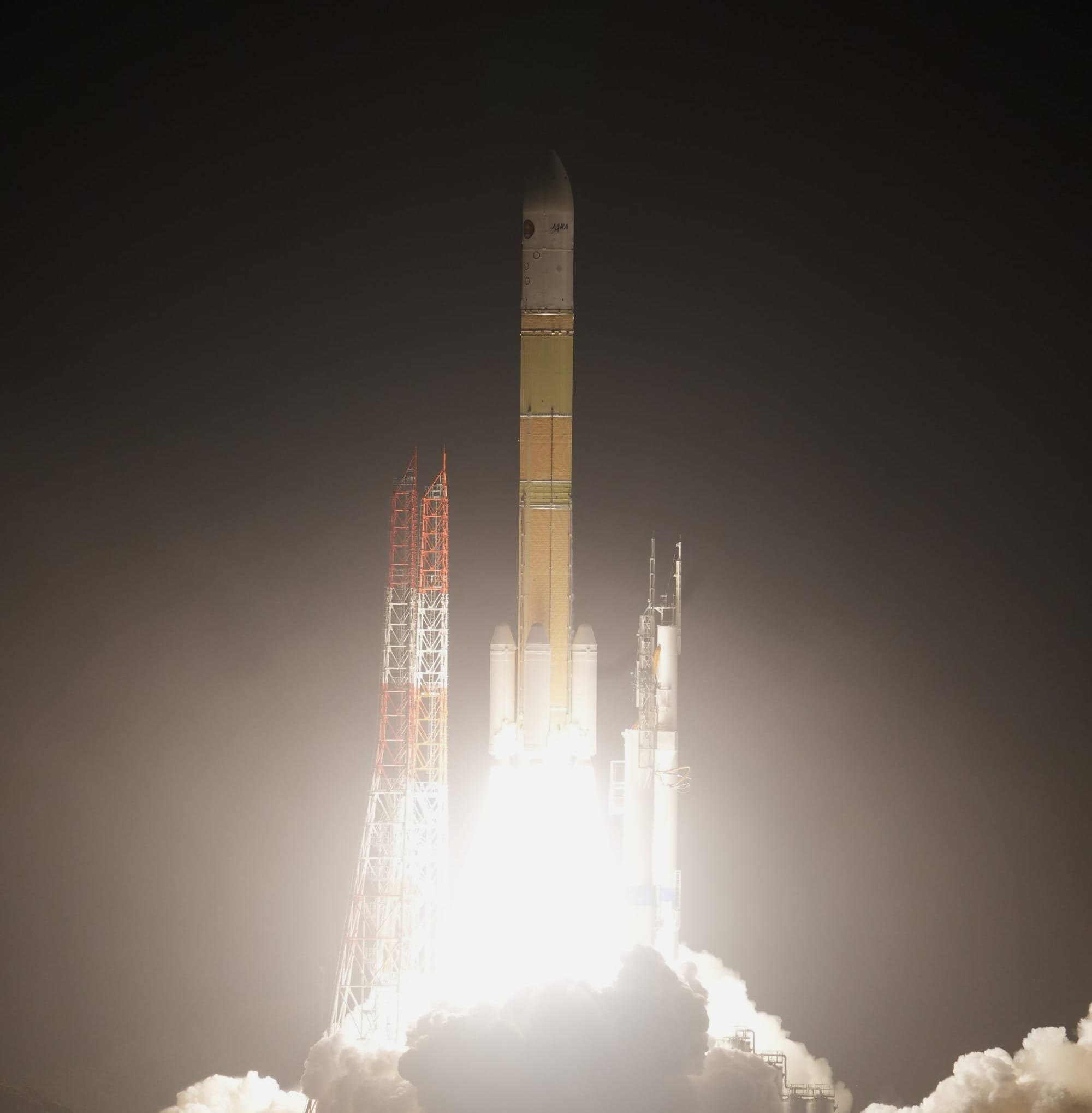
October 19th - H3 with Martian Moons eXploration
Japan's H3 rocket blasted off from the Tanegashima Space Center and flew along a path to depart Earth, aiming for the red planet for the nation's Martian Moons eXploration mission. That mission will land on Phobos to collect samples and deploy a rover, as well flying by Deimos.
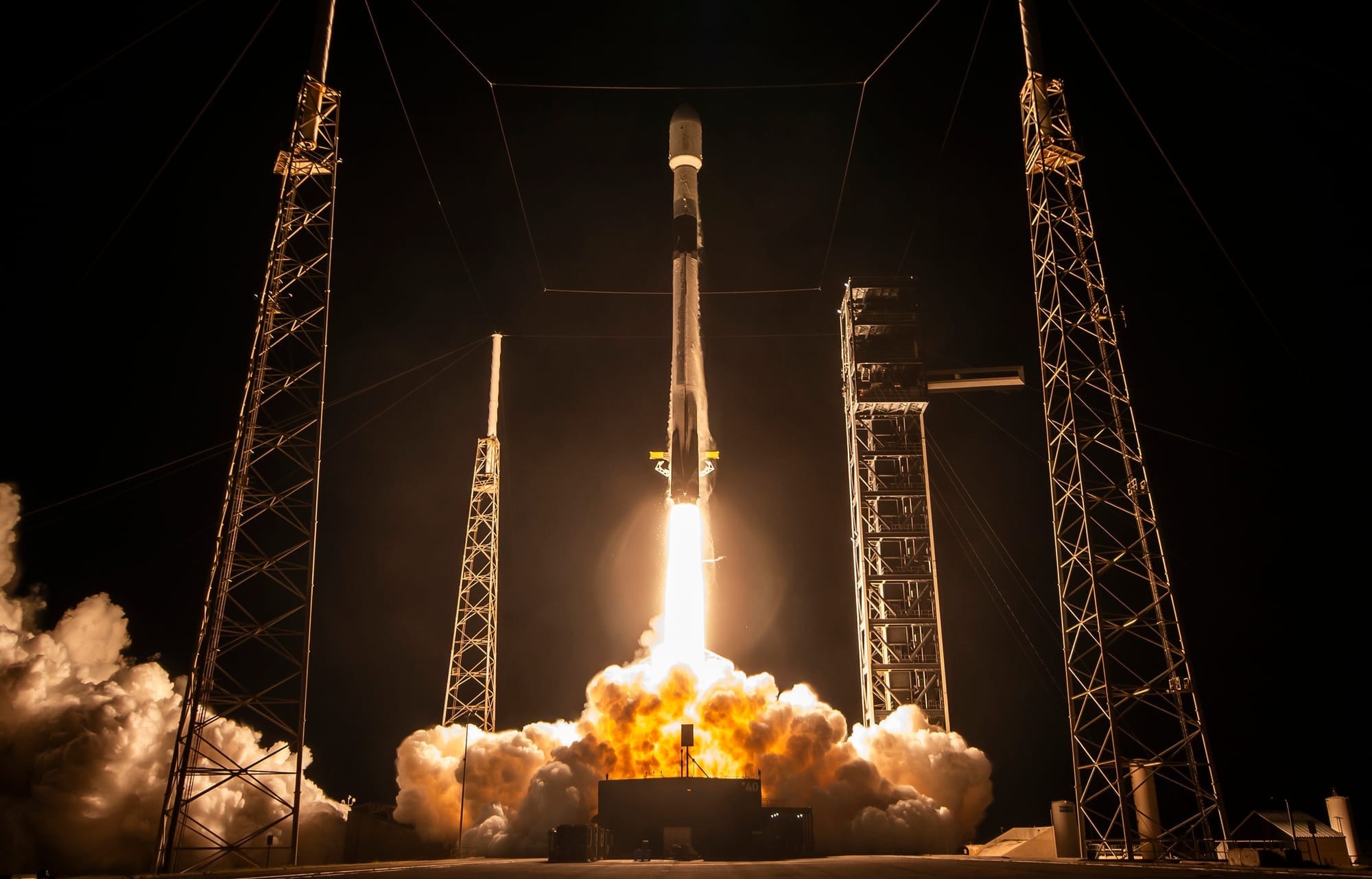
October 20th - Falcon 9 with Bandwagon-5
SpaceX performed its fifth mid-inclination small spacecraft rideshare mission from Space Launch Complex 40, in Florida, to deploy a few dozen customer spacecraft as well as a Starfall capsule. Supporting the launch was booster B1085, flying for the nineteenth time and landing downrange on the drone ship 'A Shortfall Of Gravitas'.
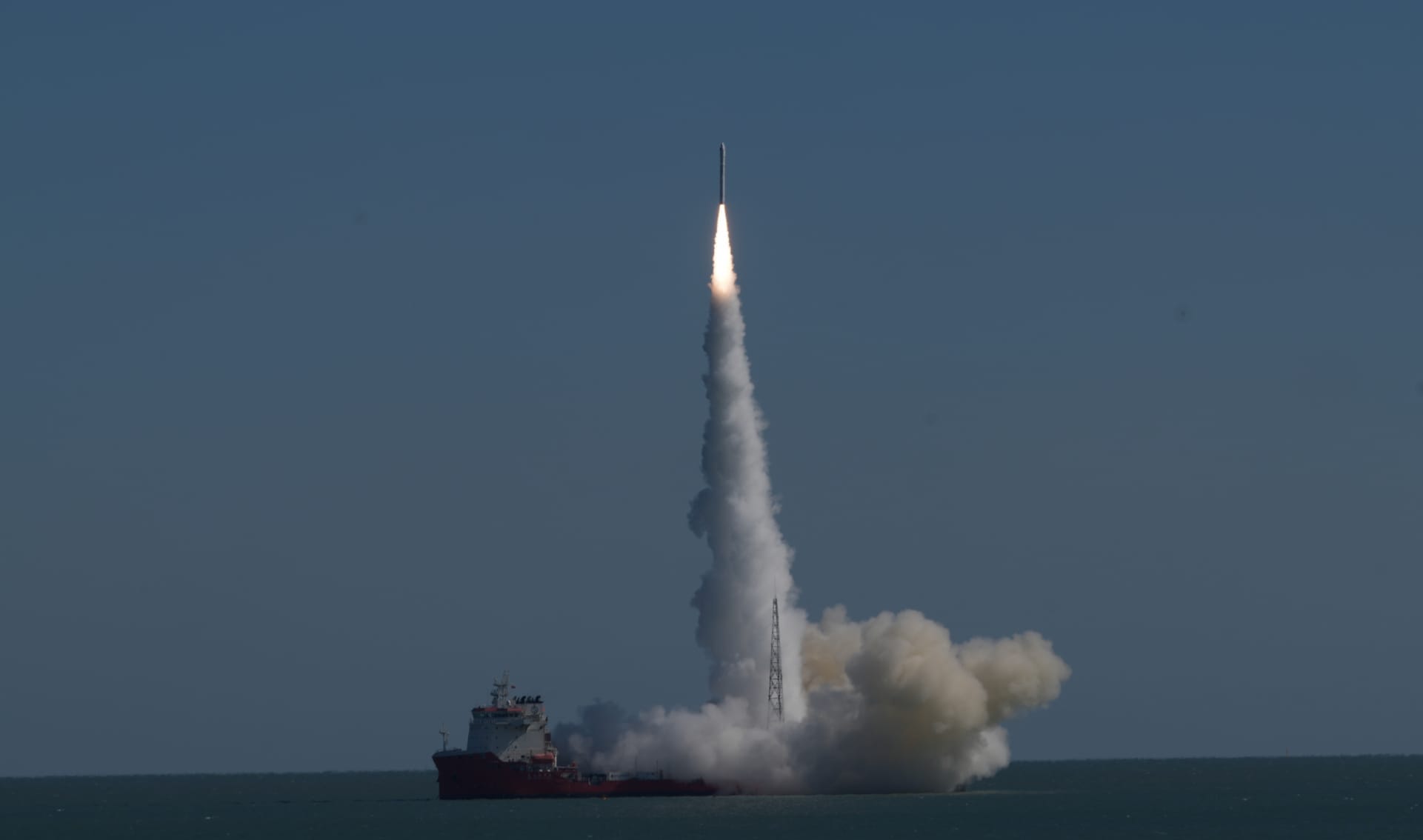
October 21st - Ceres-1S with Xiguang-4-01
Galactic Energy's Ceres-1S soared into low Earth orbit from the Yellow Sea to deploy the Xiguang-4-01 remote sensing satellite on behalf of a cohort of Guangzhou entities. Xiguang-4-01 is the first prototype of a twenty-eight-satellite constellation focused on low-latitude locations.
October 23rd - Electron for 'We're Not Hawking Around'
Rocket Lab flew its Electron rocket into sun-synchronous orbit from Launch Complex 1A, on the Māhia Peninsula in New Zealand, for a dedicated flight for HawkEye 360. That flight saw three radio frequency emission monitoring satellites released to build a constellation to map those globally.
LIFTOFF! Electron has launched for the 98th time. https://t.co/MIbC82u4ZJ
— Rocket Lab (@RocketLab) October 23, 2026
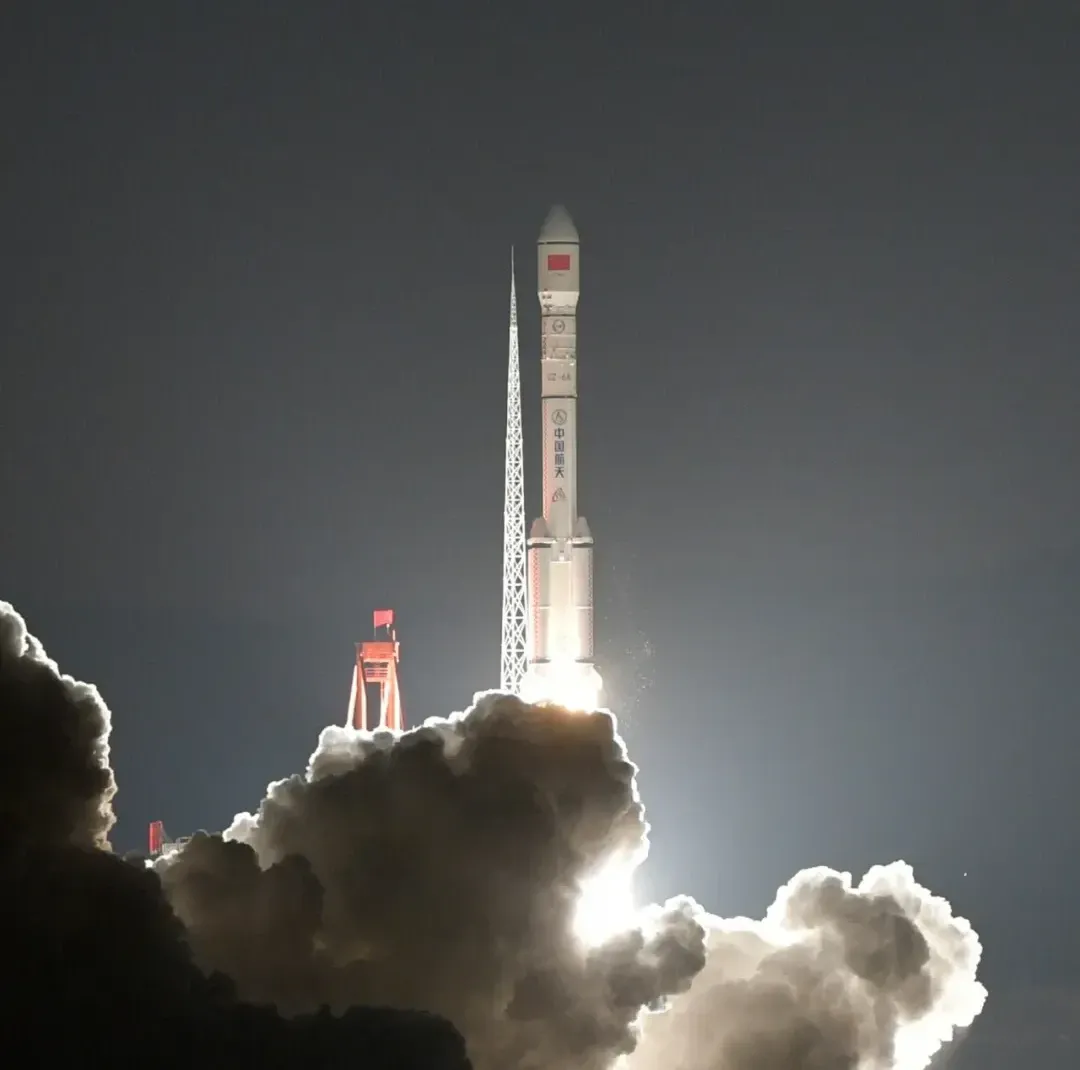
October 23rd - Long March 6A with Yaogan-50-03
From the Taiyuan Satellite Launch Center, a Long March 6A headed into a retrograde low Earth orbit to release the Yaogan-50-03 remote sensing satellite. The satellite is the third of its series launched this year, tasked with crop yield estimation, land surveying, and disaster mitigation and prevention.
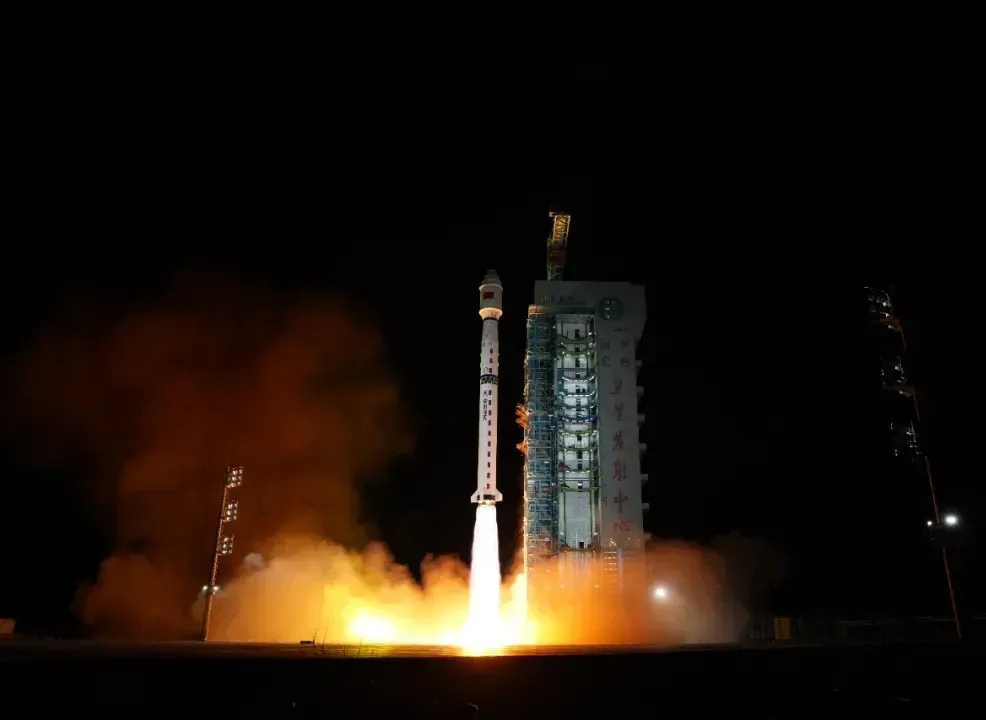
October 23rd - Long March 4B with six Yaogan satellites
Another six Yaogan satellites were brought into low Earth orbit via a Long March 4B flying from the Jiuquan Satellite Launch Center. Those being launched were designated Yaogan-53-07, -08, -09 and Yaogan-56-19, -20, and -21.
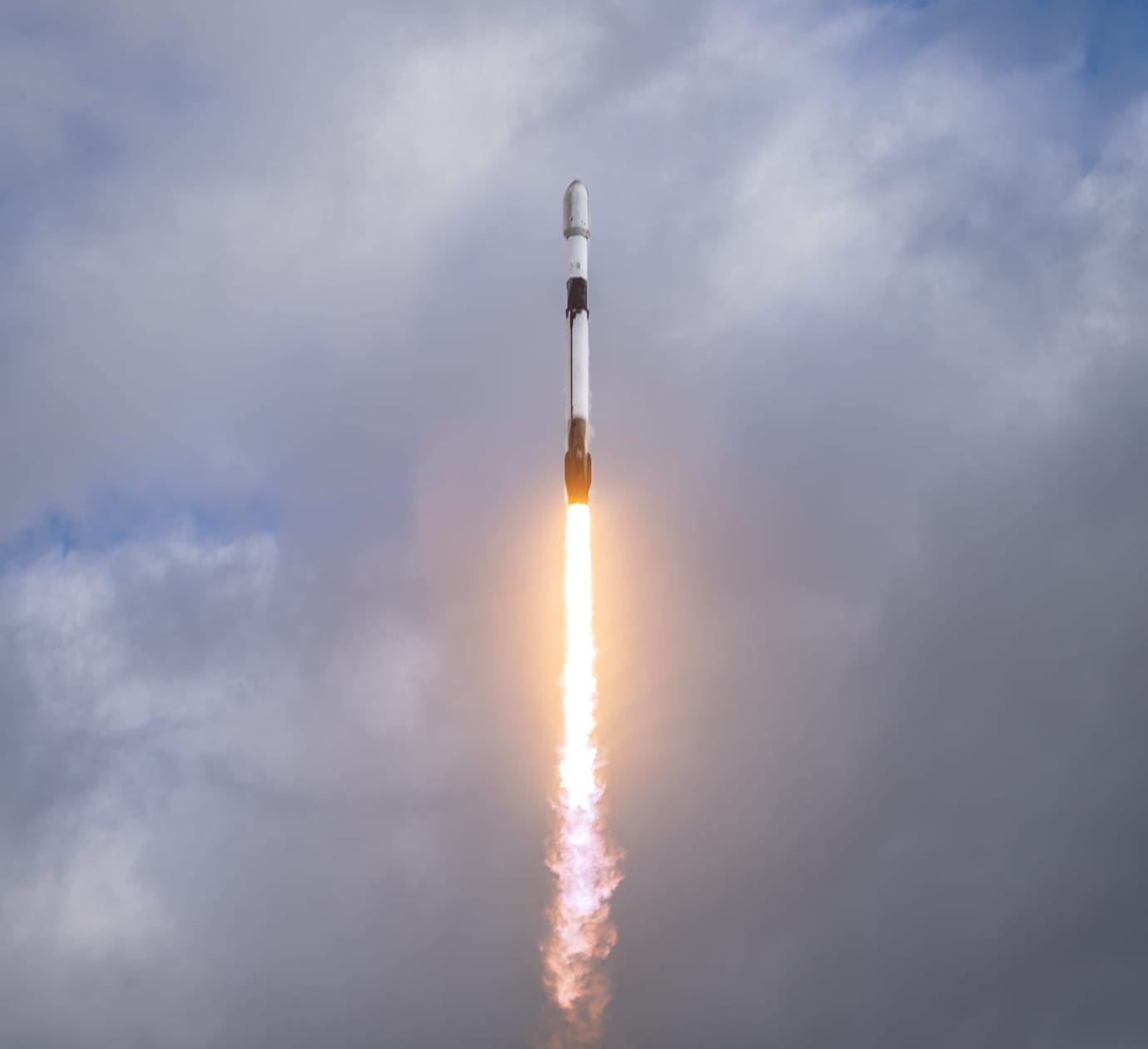
October 23rd - Falcon 9 with Starlink Group 15-15
Space Launch Complex 4E, in California, saw a Falcon 9 heading into low Earth orbit to deploy twenty-seven Starlink satellites. Booster B1063 supported this launch for its thirty-sixth flight, landing on the drone ship 'Of Course I Still Love You' downrange.
In Other Space News
China plans Lanyue cargo Moon mission
Before China sends taikonauts to the Moon's surface later this decade through its lunar exploration program, missions to prove the Lanyue lunar lander are set to take place. Details on one of those were shared on October 22nd, through a request for cargo submissions from the China Manned Space Agency.
While not specifying how many missions would occur before it, the Lanyue mission opened up was stated to be a precursor to crewed lunar landings, implying it would launch in 2028 at the earliest. Additionally, due to the mission's nature, it was suggested that a landing location would remain near the equator, although not explicitly stated.
In the request, it was stated that scientific cargo items up to 50 kilograms in weight and using under 100 watts of power would be considered, so long as they are from domestic research institutions, universities, and relevant firms. A deadline for submissions is set for March 1st 2027.
Cosmos-2612 approaches ICEYE-X36
During this week, Russian spacecraft Cosmos-2612 performed a close approach to the Finnish-American ICEYE-X36, an X-band synthetic aperture radar satellite, without stating what they were doing.
In a statement given to Via Satellite, space situational awareness company LeoLabs suggested that Cosmos-2612 was demonstrating precision use of onboard sensors for up-close inspections and intelligence gathering about ICEYE-X36. That would not be all to surprising, as the Finnish-American satellite has provided support to Ukraine during the ongoing conflict.
Cosmos-2612's approach was set up over several months by slowly adjusting its orbit. The closest the two satellites came was about 150 meters in separation. Russia's satellite has since departed proximity.
Short time-lapse of part of this morning’s first pass of ICEYE-X36 (59103) and COSMOS 2612 (68762) over South America under partly cloudy skies. https://t.co/t8RhwmKcV4
— s2a systems (@s2a_systems) October 18, 2026
What to Expect Next Week
October 25th - Long March 8A with GuoWang connectivity satellites
A Long March 8A is preparing to fly from the Wenchang Commercial Space Launch Site to bring a group of GuoWang satellites into low Earth orbit.
October 27th - Falcon 9 with Starlink Group 15-16
Twenty-seven more Starlink satellites are planned to be added to low Earth orbit via a Falcon 9 flying from Space Launch Complex 4E.
October 30th - Falcon 9 with Starlink Group 15-18
Another Falcon 9 will launch twenty-seven Starlinks into low Earth orbit from Space Launch Complex 4E once again.
October 30th - GSLV Mk-II with NVS-03
India is planning to deploy its NVS-03 navigation satellite via a launch of the GSLV Mk-II into a geostationary transfer orbit from the Satish Dhawan Space Centre.
Join the discussion
Commenting is available to paid members.
View membershipSign in