
Table of Contents
Welcome back to Weekly Dose of Space! This week had eleven launches globally, again, with internet constellation satellites being the most common payload. News during the week saw a small update on MAVEN and a space-focused U.S. executive order. As always, we'll also look ahead to what the worldwide launch schedule might look like next week.
Launches This Week
December 14th - Electron for 'RAISE And Shine'
Rocket Lab's Electron rocket flew from Launch Complex 1B, on the Māhia Peninsula in New Zealand, to carry JAXA's RAISE-4 (RApid Innovative payload demonstration Satellite-4) mission into sun-synchronous orbit. A variety of technical demonstrations from across Japan will be tested during the mission.
MISSION SUCCESS! Payload deployment confirmed for Electron's 77th launch, releasing @JAXA_en's RAISE-4 satellite to a 540km LEO 🛰️🚀 pic.twitter.com/gJP0Mxrd1w
— Rocket Lab (@RocketLab) December 14, 2025
Electron lifting off from Launch Complex 1B for 'RAISE And Shine' via Rocket Lab on Twitter.
December 14th - Falcon 9 with Starlink Group 15-12
SpaceX's Falcon 9 rocket launched from Space Launch Complex 4E, in California, to carry twenty-seven Starlink satellites into low Earth orbit. Supporting this mission was booster B1093 for its ninth flight, with a landing downrange on the drone ship 'Of Course I Still Love You'.

December 15th - Falcon 9 with Starlink Group 6-82
Twenty-nine more Starlink satellites were placed into low Earth orbit by a Falcon 9 flying out of Space Launch Complex 40, in Florida. Booster B1092 supported this launch, with its ninth launch and a landing downrange on the drone ship 'A Shortfall Of Gravitas'.
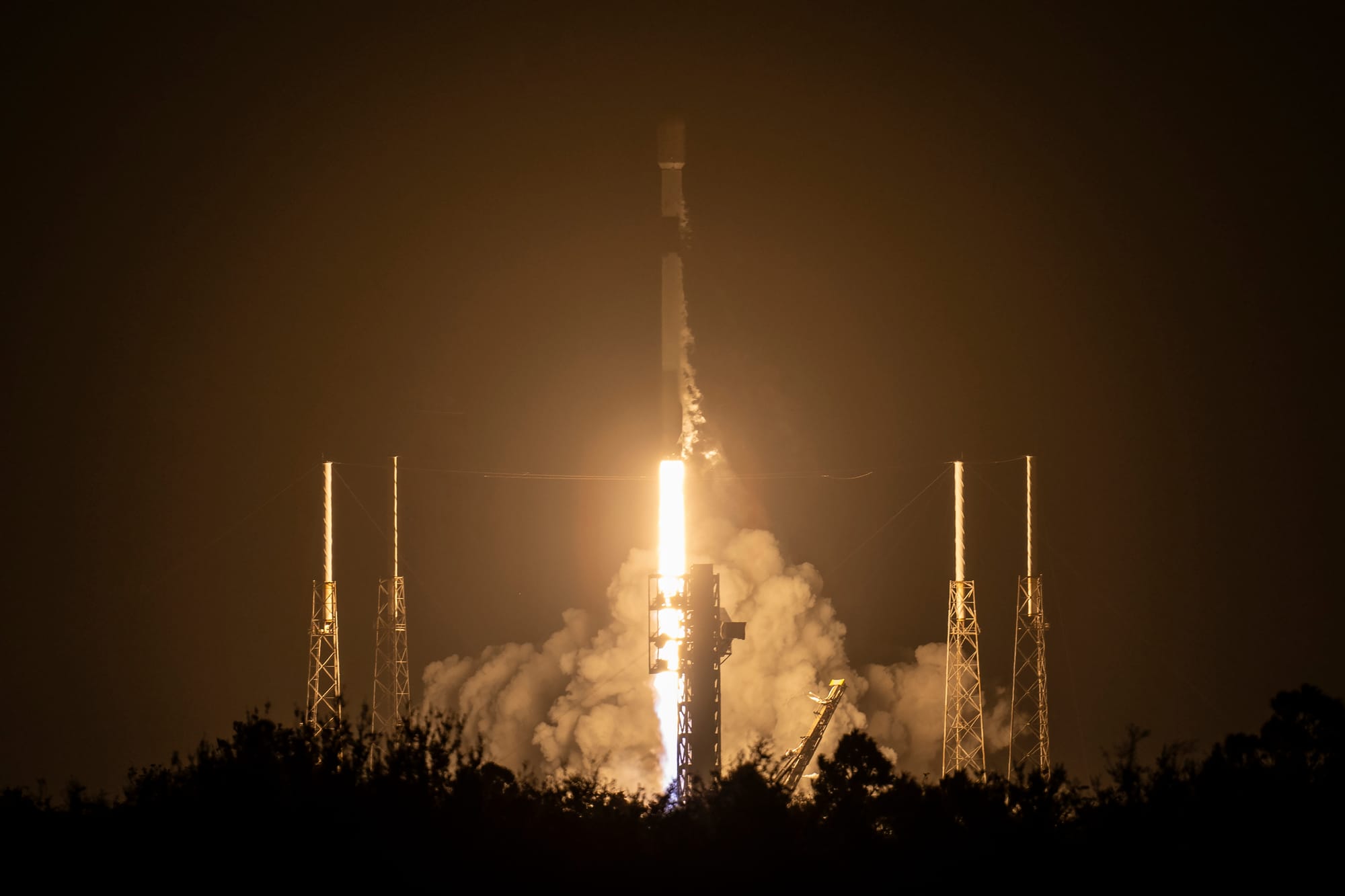
December 16th - Long March 4B with Ziyuan-3-04
Off of Launch Complex 9 at the Taiyuan Satellite Launch Center, a Long March 4B flew into polar orbit carrying the Ziyuan-3-04 mapping satellite. Once commissioned, Ziyuan-3-04 will be dedicated to creating three-dimensional maps and collecting high-resolution images of Earth below.
December 16th - Altas V for LA-04
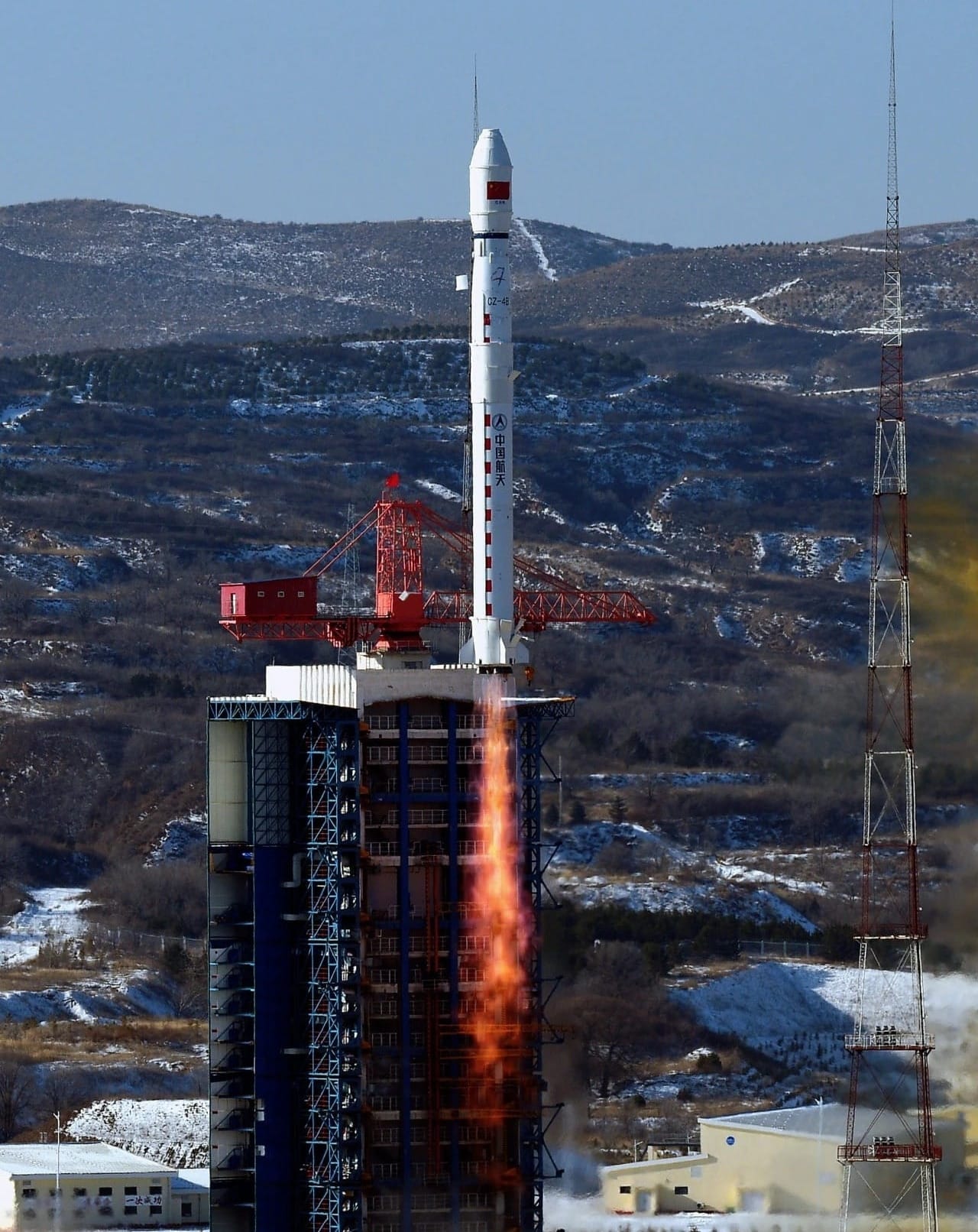
United Launch Alliance's Atlas V blasted off from Space Launch Complex 41 to carry twenty-seven satellites into low Earth orbit for Amazon's Leo constellation. With this launch, Amazon has 180 Leo satellites in orbit out of a planned 3,236.
Atlas V at work. Highlights from Amazon Leo 4.@Amazonleo pic.twitter.com/tfpUAl6LG9
— ULA (@ulalaunch) December 18, 2025
Atlas V blasting off from Space Launch Complex 41 for the LA-04 mission, via United Launch Alliance on Twitter.
December 17th - Ariane 6 with two Galileo satellites
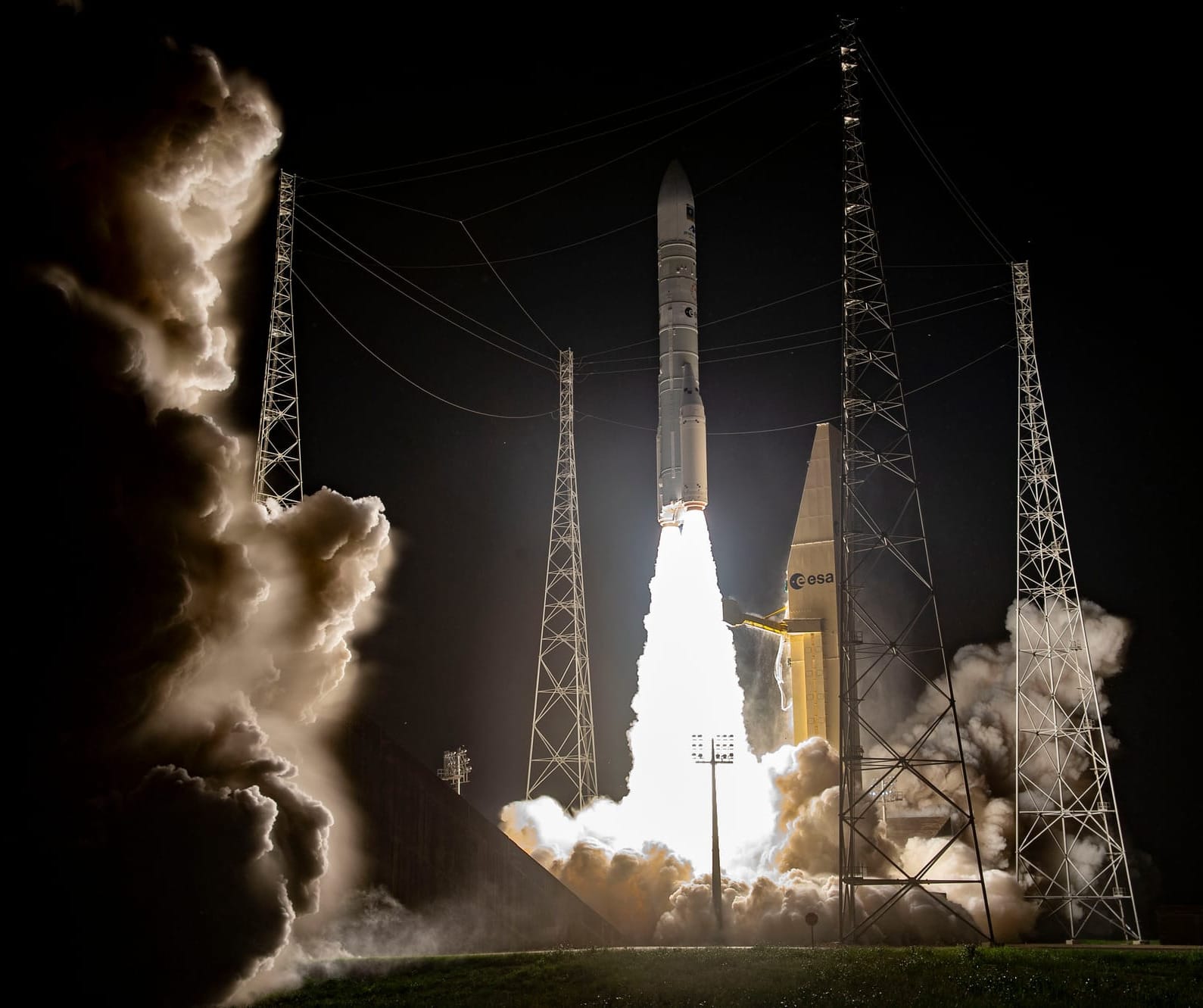
An Ariane 6 lifted off from the Guiana Space Centre, in French Guiana, carrying two of Europe's Galileo satellites into a medium Earth orbit. The two satellites will continue to improve the high-precision positioning system.
December 17th - Falcon 9 with Starlink Group 6-99
Another Falcon 9 flew out of Launch Complex 39A, in Florida, carrying twenty-nine Starlink satellites into low Earth orbit. Supporting this mission was booster B1094 for its sixth mission, with a landing on the drone ship 'Just Read The Instructions' downrange.
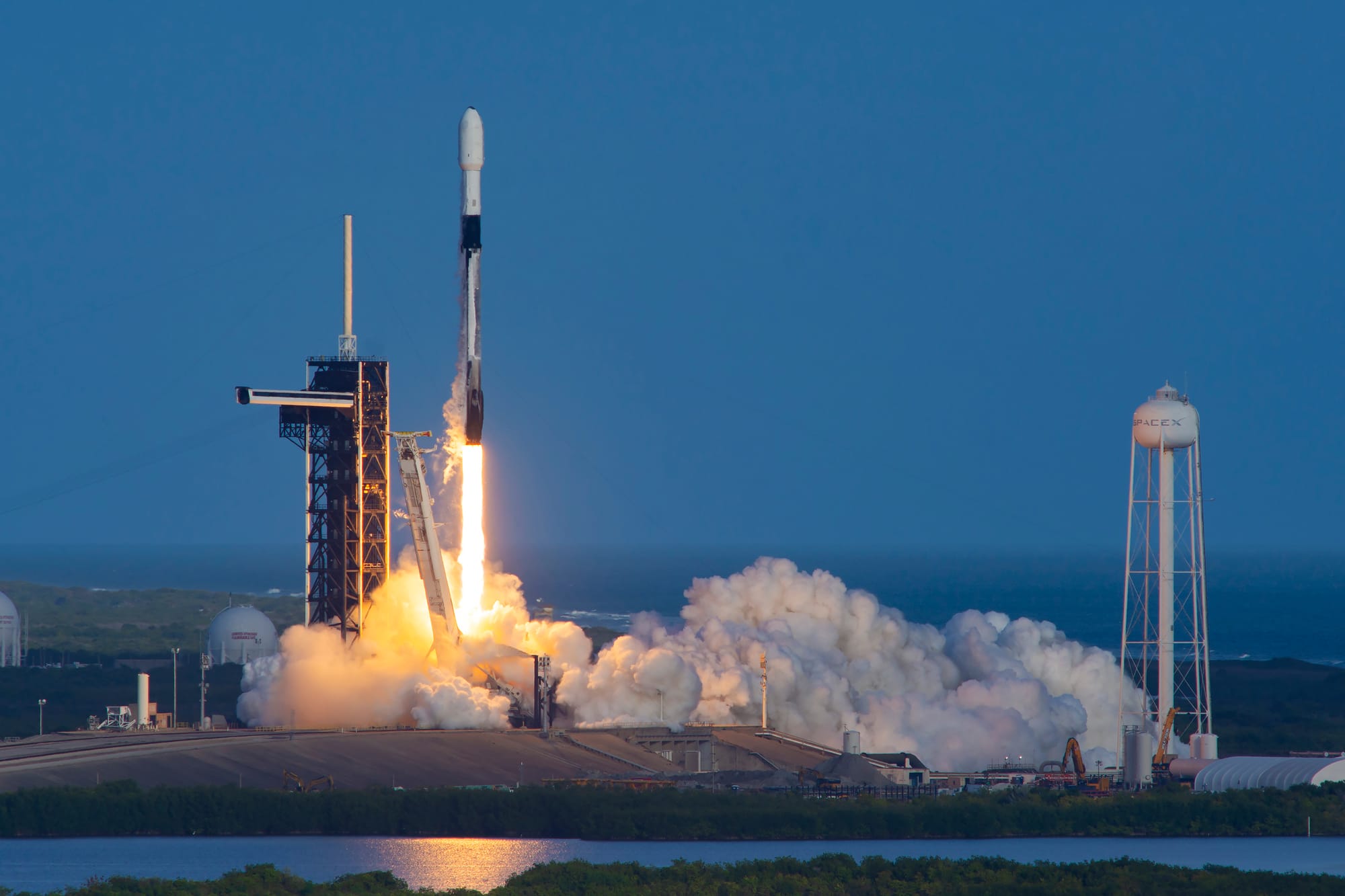
December 17th - Falcon 9 with Starlink Group 15-13
Yet again, Falcon 9 launched from Space Launch Complex 4E to bring twenty-seven Starlink satellites into low Earth orbit. Booster B1063 supported this mission for its thirtieth flight and a landing downrange on the drone ship 'Of Course I Still Love You'.
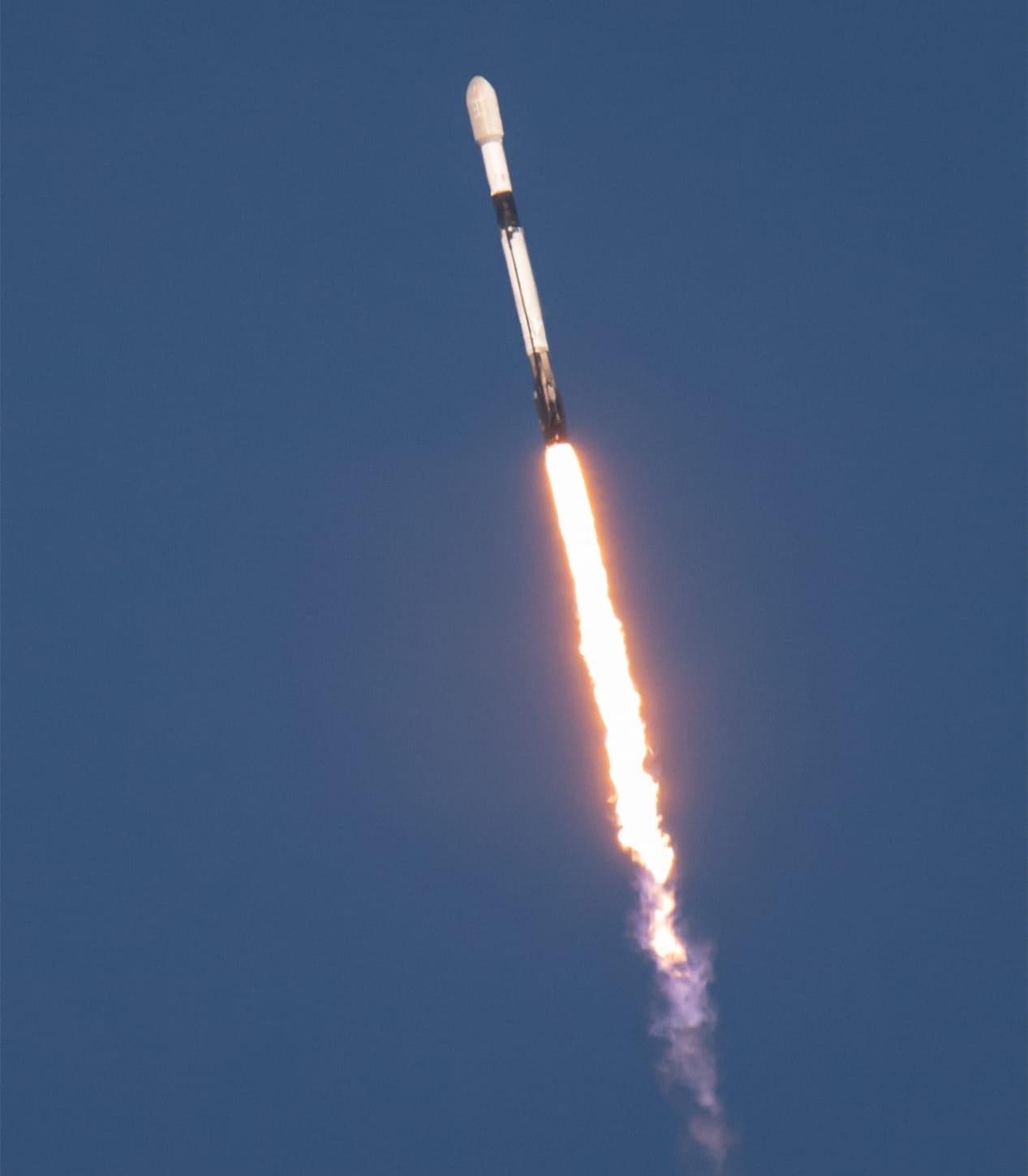
December 18th - Electron for 'Don't Be Such A Square'
An Electron rocket flew from Launch Complex 2, on Wallops Island in Virginia, to carry four DiskSats into low Earth orbit. The four small spacecraft are designed to demonstrate sustained very-low Earth orbit flight alongside their unique design.
LIFTOFF for Electron! "Don’t Be Such A Square" is on its way to space for the @USSpaceForce and @USSF_SSC. pic.twitter.com/liHQUGWsYi
— Rocket Lab (@RocketLab) December 18, 2025
Electron lifting off from Launch Complex 2 for 'Don't Be Such A Square', via Rocket Lab on Twitter.
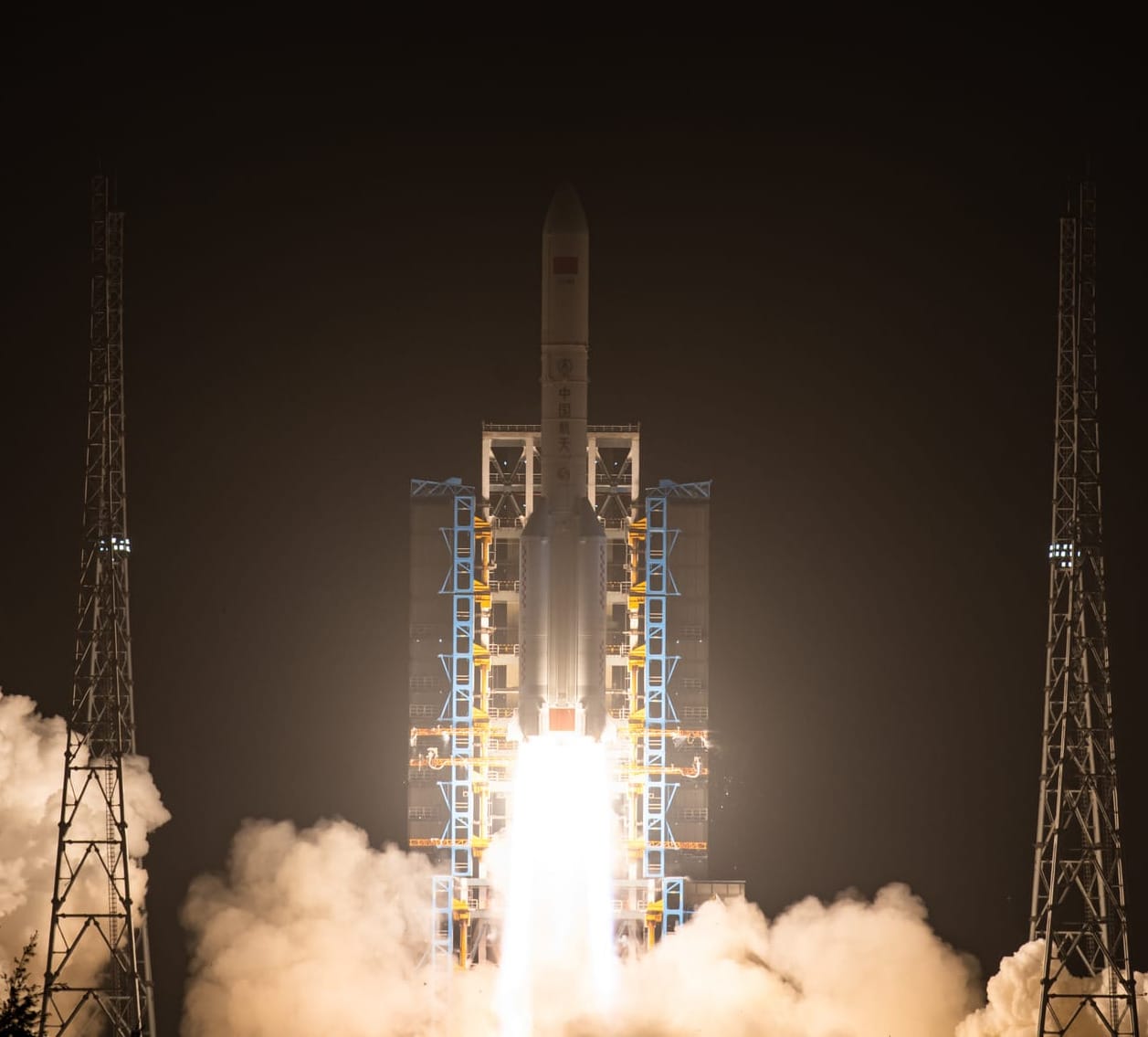
December 20th - Long March 5 with TJSW-23
From the Launch Complex 101 at the Wenchang Space Launch Site, a Long March 5 carried the TJSW-23 spacecraft into a geostationary transfer orbit. TJSW-23 is reportedly used for communications, radio, television, and data transmission, with other applications related to technology verification of multi-band high-speed throughput communications.
December 20th - New Shepard for NS-37
Blue Origin launched its New Shepard rocket on a suborbital flight carrying wheelchair user Michi Benthaus, Joey Hyde, Hans Koenigsmann, Neal Milch, Adonis Pouroulis, and Jason Stansell above the Kármán line. Supporting this flight was booster NS-5, for its sixth flight, and capsule RSS Kármán Line, flying for the fourth time.
🔁 NS-37 Rewind
— Blue Origin (@blueorigin) December 20, 2025
Longtime New Shepard booster controller, Greg Frank, sets the tone in mission control for a successful NS-37 mission. pic.twitter.com/mXOvbIjl2N
The launch and landing of New Shepard for the NS-37 mission, via Blue Origin on Twitter.
Space is for everyone. pic.twitter.com/OUs4V2LURA
— Blue Origin (@blueorigin) December 20, 2025
Views from inside RSS Kármán Line during the NS-37 mission, via Blue Origin on Twitter.
In Other Space News
MAVEN in spin over Mars
Last week, NASA disclosed that it had lost contact with the MAVEN (Mars Atmosphere and Volatile EvolutioN) spacecraft, in orbit since September 2014 to study the red planet's upper atmosphere and interaction with the Sun. During this week, the American space agency provided a brief update on efforts to reconnect:
"Although no spacecraft telemetry has been received since Dec. 4, the team recovered a brief fragment of tracking data from Dec. 6 as part of an ongoing radio science campaign. Analysis of that signal suggests that the MAVEN spacecraft was rotating in an unexpected manner when it emerged from behind Mars. Further, the frequency of the tracking signal suggests MAVEN’s orbit trajectory may have changed. The team continues to analyze tracking data to understand the most likely scenarios leading to the loss of signal."
As was started last week, relay tasks that MAVEN provided will be taken over by NASA’s Mars Reconnaissance Orbiter and Mars Odyssey, as well as Europe's ExoMars Orbiter and Mars Express.
White House issues executive order for space
On December 18th, the Trump Administration signed an executive order focusing on space, titled 'Ensuring American Space Superiority'. Key points from the order are:
- "[Returning] Americans to the Moon by 2028 through the Artemis Program, to assert American leadership in space, lay the foundations for lunar economic development, prepare for the journey to Mars, and inspire the next generation of American explorers."
- "[Establishing] initial elements of a permanent lunar outpost by 2030 to ensure a sustained American presence in space and enable the next steps in Mars exploration."
- "[Developing] and demonstrating prototype next-generation missile defense technologies by 2028 to progressively and materially enhance America's air and missile defenses pursuant to Executive Order 14186 of January 27, 2025."
- "[Ensuring] the ability to detect, characterize, and counter threats to United States space interests from very low-Earth orbit and through cislunar space, including any placement of nuclear weapons in space."
- "[Fostering] economic growth, attracting at least 50 billion of additional investment in American space markets by 2028, and increasing launch and reentry cadence through new and upgraded facilities, improved efficiency, and policy reforms."
- "[Spurring] private sector initiative and a commercial pathway to replace the International Space Station by 2030."
- "[Enabling] near-term utilization of space nuclear power by deploying nuclear reactors on the Moon and in orbit, including a lunar surface reactor ready for launch by 2030."
- "[First] preference for commercial solutions and a general preference for Other Transactions Authority or Space Act Agreements, customary commercial terms, or any other pathways to promote effective or streamlined acquisitions."
The executive order was also signed a few hours after Jared Isaacman became the new Administrator of NASA.
What to Expect Next Week
December 21st - Electron for 'The Wisdom God Guides'
Rocket Lab is set to launch its Electron rocket from Launch Complex 1B, on the Māhia Peninsula in New Zealand, into low Earth orbit carrying a Japanese synthetic aperture radar satellite.
December 22nd - H3 with Michibiki-5
Japan's H3 rocket is planned to fly from the Tanegashima Space Center into a geostationary transfer orbit carrying the Michibiki-5 navigation satellite.
December 24th - LVM-3 with BlueBird-6
India's LVM-3 is planning to fly from the Satish Dhawan Space Centre into low Earth orbit carrying AST SpaceMobile's BlueBird-6 satellite, the 6th out of a planned 243.
December 24th - Soyuz 2.1a with Obzor-R
A Soyuz 2.1a is planned to fly into sun-synchronous orbit carrying the Obzor-R X-band earth observation satellite out of the Plesetsk Cosmodrome.
December 25th - Unidentified Flying Object?
An unidentified flying object that travels around the globe each year, at 0.5% of light speed, is expected to make a trip across the planet. This unidentified object is reported to be a sleigh powered by nine reindeer. NORAD is preparing to track the unidentified flying object.
December 25th - Long March 8A with a to-be-annouced payload
A Long March 8A is preparing to fly from the Wenchang Commercial Space Launch Site into low Earth orbit, carrying a currently unannounced group of satellites.
December 26th - Long March 3B/E with Fengyun-4C
The Fengyun-4C weather satellite is set to launch atop of a Long March 3B/E from the Xichang Satellite Launch Center into a geostationary transfer orbit.