
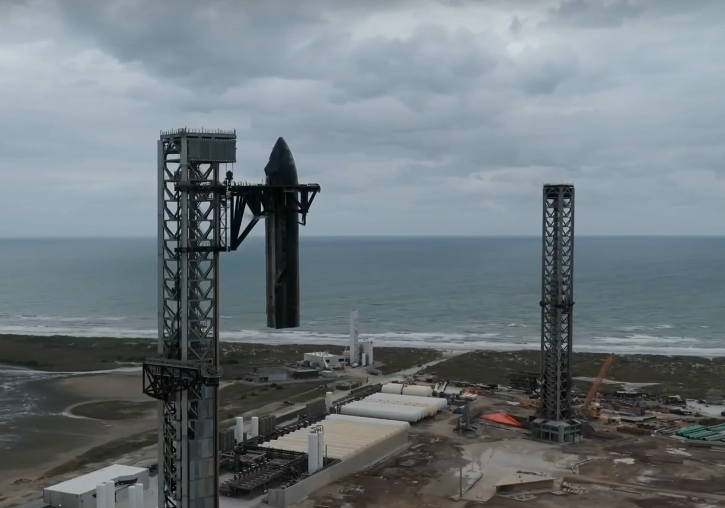
Starship 42, was successfully caught by SpaceX today, marking a major milestone in the company's goal of achieving full, rapid reusability!
Following yesterday's successful launch and nearly a day in orbit, Starship returned to it's launch pad in Starbase, Texas.
For SpaceX, this represents another step toward making Starship a rapidly reusable launch vehicle, capable of carrying humanity, cargo, and eventually crew beyond Earth.
Looking Back at Yesterday's Starship Flight 15
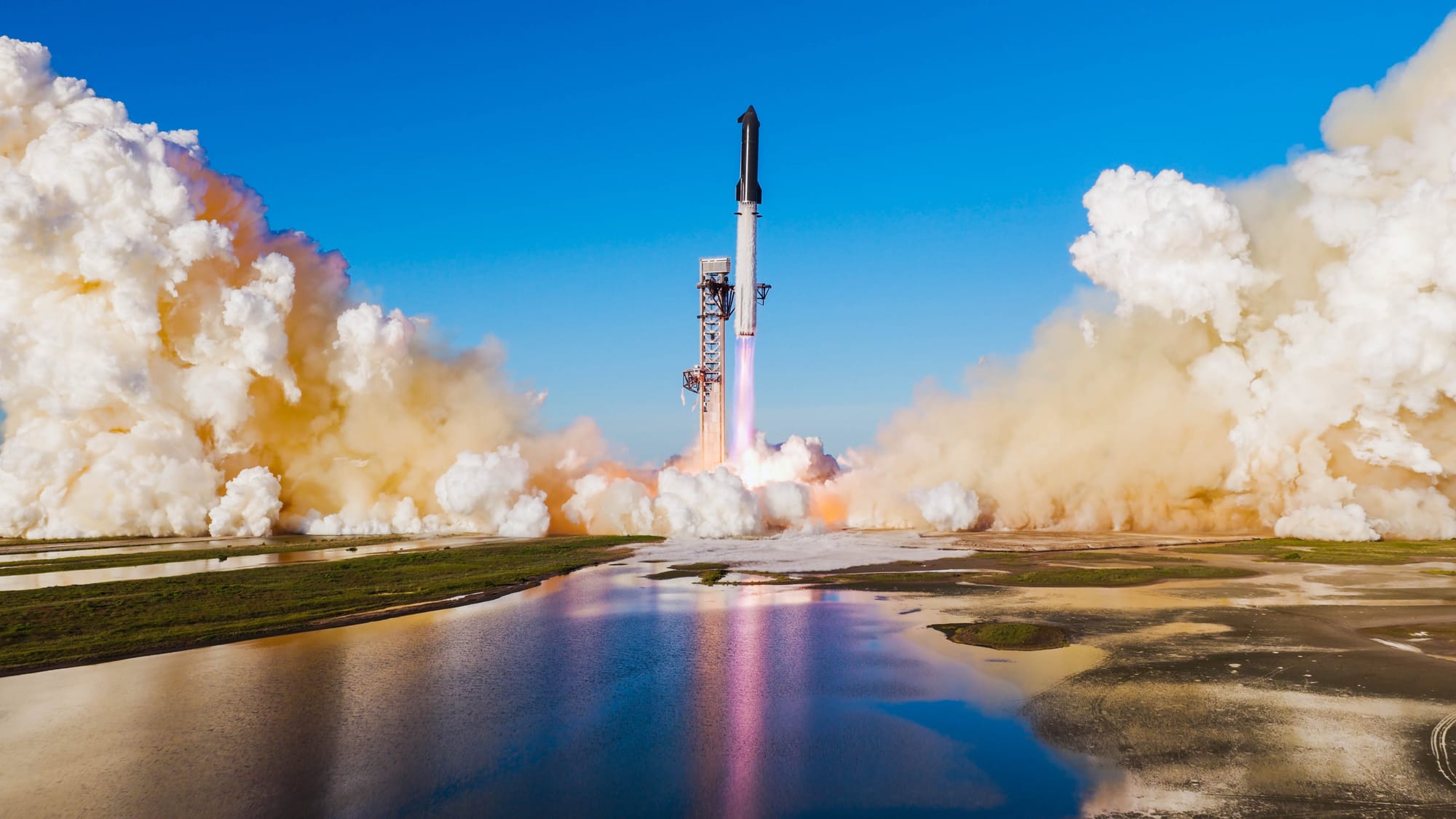
Flight 15 launched successfully from Starbase, Texas, yesterday, with all 33 Raptor engines powering the Super Heavy and Starship stack through the initial stages of ascent.
Following a nominal ascent and successful hot-staging sequence, Starship separated from its Super Heavy booster and continued toward orbit. The mission's primary payload consisted of 26 next-generation Starlink V3 satellites, which were successfully deployed into orbit approximately 35 minutes after liftoff.
Three of the deployed Starlink satellites were equipped with specialized cameras designed to observe the spacecraft's heat shield in orbit, giving engineers additional imagery to assess its condition ahead of reentry.
While Starship's mission continued successfully, Booster 22, which was originally cleared for a catch attempt, had to abort. The booster diverted to its contingency landing area in the Gulf of Mexico after an automatic flag indicated its position was outside the safe range for a catch attempt.
After spending 22 hours in orbit and completing approximately 14 revolutions around Earth, Starship began its return to Starbase, successfully navigating atmospheric reentry before transitioning into its final landing sequence.
Ship 42 was successfully caught by the launch tower's mechanical arms, or “chopsticks,” demonstrating that Starship's upper stage can return from orbit and be recovered at its launch site.
What Comes Next for Starship?
Flight 15 has brought SpaceX closer to their vision of a fully reusable orbital launch system, capable of deploying significant payloads, returning to Earth, and eventually flying again with minimal refurbishment.
However, there are still big challenges ahead. SpaceX needs to recover both stages regularly, speed up how quickly they can reuse rockets, and show that they can transfer fuel in orbit.
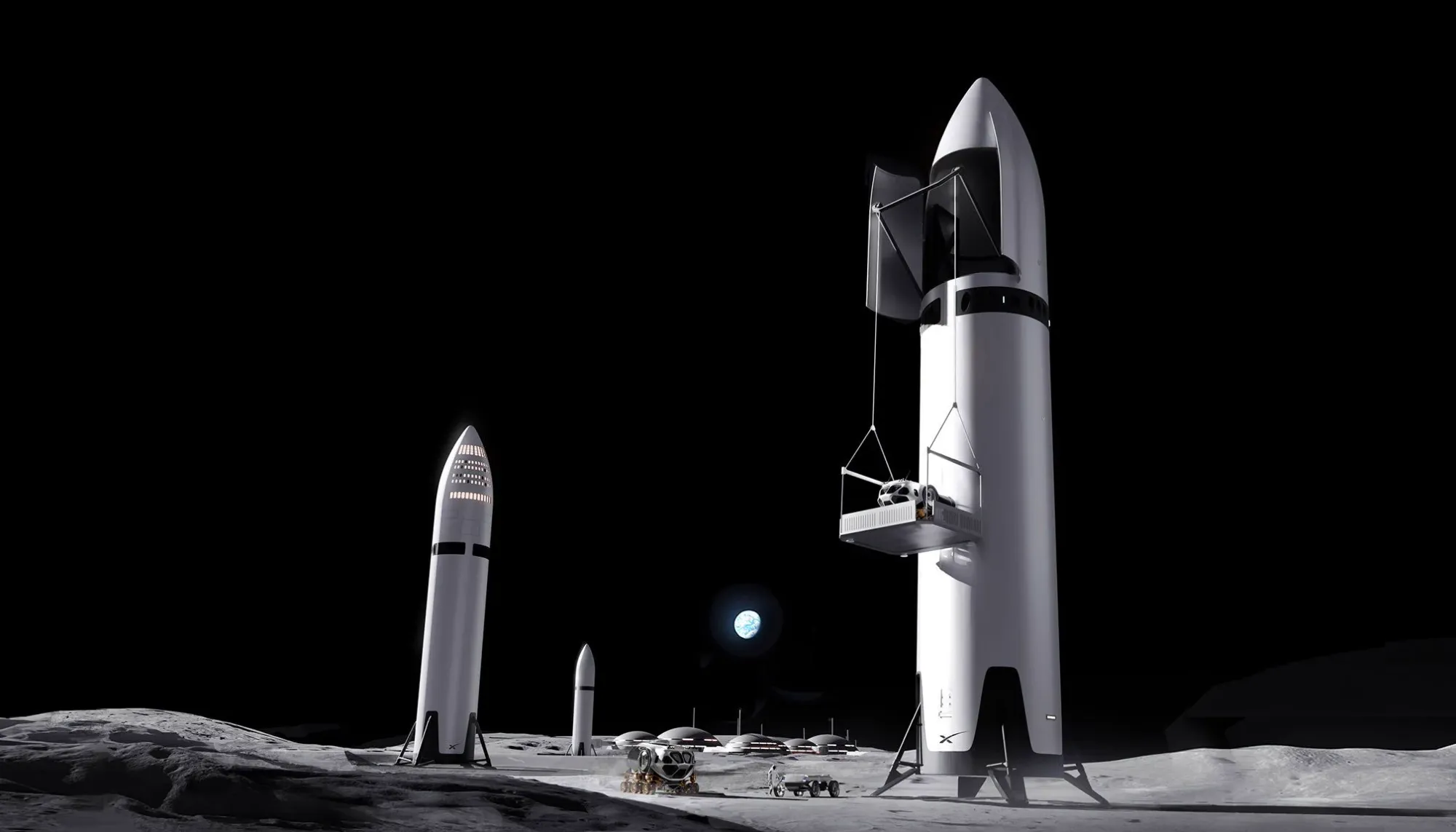
These developments carry significant implications for NASA's Artemis program. SpaceX's Starship “Human Landing System” is intended to transport astronauts between lunar orbit and the Moon's surface, making it an important component of NASA's plans to return humans to the lunar surface in the coming years.
Before this can happen, SpaceX needs to prove it can refuel in orbit, run missions for long periods, and safely land and launch from the Moon. NASA now plans to test lander docking in low Earth orbit with Artemis III in 2027, and aims for a crewed lunar landing in 2028.
In the meantime, congrats to the SpaceX team on a successful mission!
Join the discussion
Commenting is available to paid members.
View membershipSign in