
Table of Contents
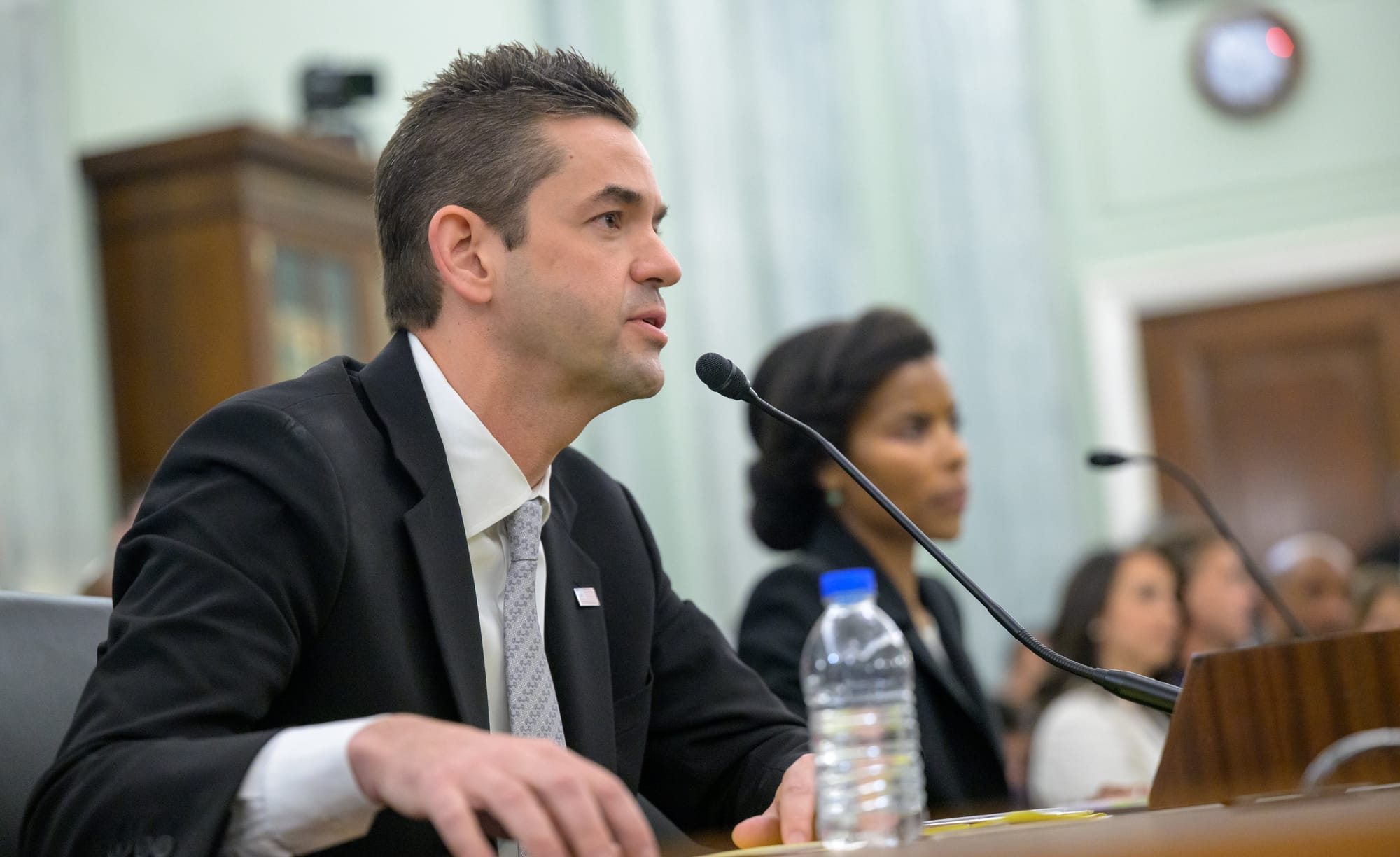
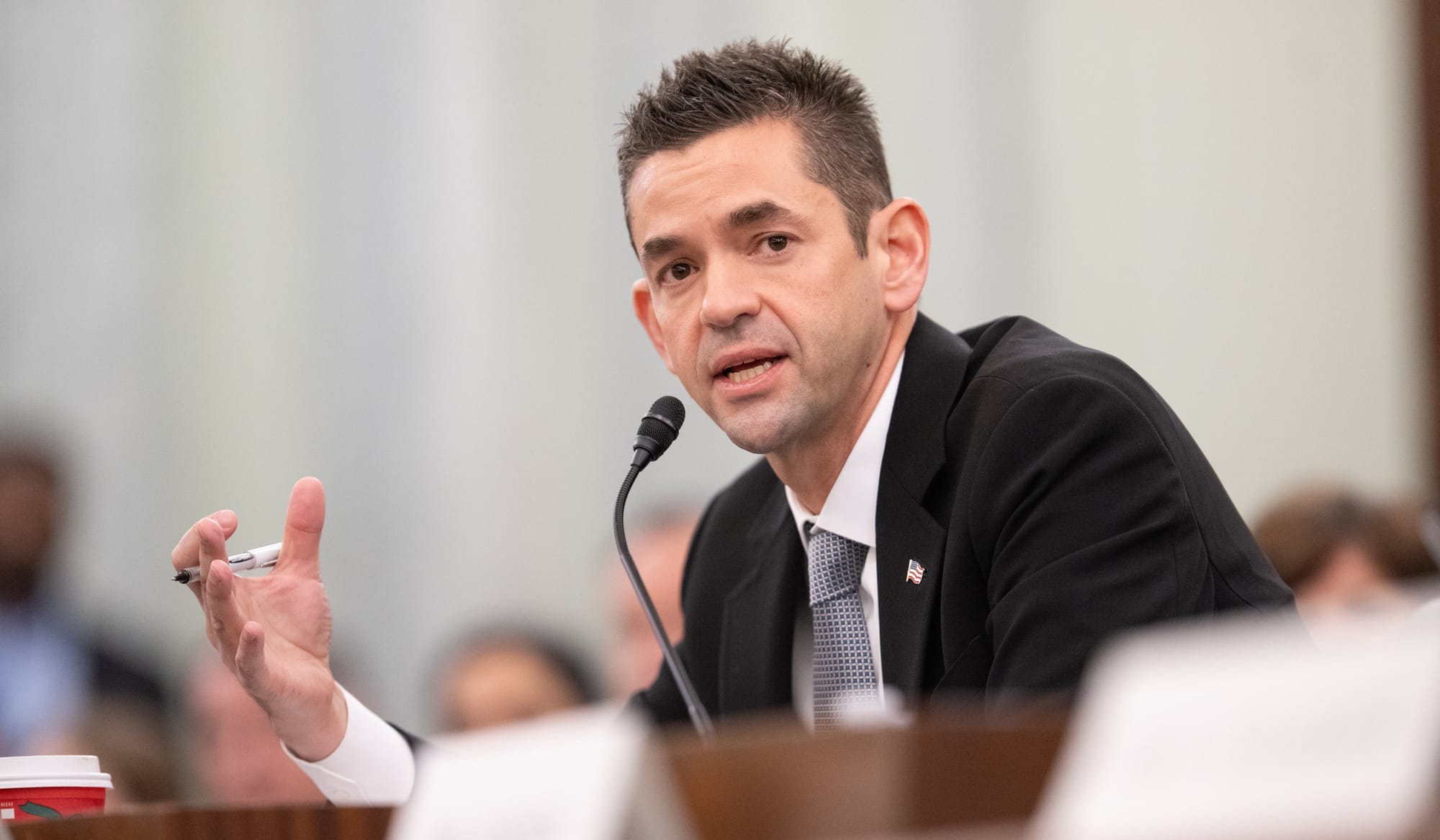
The U.S. Senate Committee on Commerce, Science, and Transportation held its second hearing for Jared Isaacman, a fintech billionaire space tourist, to become NASA Administrator on December 3rd. This follows his first hearing in April, and is a repeat after President Trump withdrew his nomination and then renominated him.
Like his previous testimony, Isaacman spoke of seeking to maintain American supremacy in space against an unnamed adversary (China), stating:
"[We] are in a great competition with a rival that has the will and means to challenge American exceptionalism across multiple domains, including in the high ground of space. This is not the time for delay, but for action, because if we fall behind–if we make a mistake–we may never catch up, and the consequences could shift the balance of power here on Earth."
He also spoke of 'efficiently' using every dollar the space agency receives, while supporting rogue political plans to wastefully move Space Shuttle Discovery from Washington D.C. to a non-existent site in Texas.
Members of the committee were focused on the one-side-perceiving race with China to land on the Moon this decade. Regarding that, Chairman Ted Cruz said:
"NASA can’t do everything it wants to; the agency must prioritize if we are to beat China back to the moon. . . . NASA cannot take its eye off the ball."
Ranking Member Maria Cantwell added the following:
"[Winning] the race to the moon is not just about short-term token victories. It is the first step in accomplishing a very long term presence on the lunar surface, which is strategic economically and is a national security imperative."
Cruz expects Isaacman to utilize the so-called 'One Big, Beautiful Bill' with its 4.1 billion for Space Launch System (SLS) rockets for Artemis IV and Artemis V, 2.6 billion to fully fund the Gateway lunar space station being built with international cooperation, and 20 million for a fourth Orion crew spacecraft for use with Artemis IV and reuse on subsequent missions, among other items. Cantwell, meanwhile, wants him to oppose the Trump Administration's massive cuts to the space agency, something he appears to support.
Regarding the U.S. lunar exploration program, Isaacman stated that it was a national security imperative that America puts people on the Moon first so that the country can determine how best to use lunar resources, citing the many wars the U.S. has begun over energy on Earth. It was added that coming second would be a blow to 'American exceptionalism'.
One of the first questions put forward by other members of the committee was about the 'Golden Dome' effort, a plan to militarize space under the guise of missile defence. In response, Isaacman noted that NASA is a civilian agency but that it would provide support to that project to prevent duplicative development efforts. He also added that the space agency would assist in looking into nuclear fusion.
On potentially canceling programs outright, something suggested in a document known as 'Project Athena' which Isaacman says he is the sole author, he was asked if he stands by his ideas to review and reconsider funded programs based on their potential to further U.S. national security and economic objectives. Isaacman said that he would answer questions on those plans elsewhere (behind closed doors).
A few questions were asked about how Isaacman has managed to be renominated by Trump and his relationship with SpaceX head Elon Musk. Iscaacman says that the Trump Administration ran a 'competitive' process to decide who should lead NASA. For his relationship with Musk, he said that it was a business relationship from his two visits to space. Isaacman was asked, three times, if Musk played a part in his nomination, he denied that the head of SpaceX did.
When Isaacman may officially become NASA Administrator is currently unknown, assuming his nomination isn't pulled again. Ars Technica expects him to be in the role this month. Upon assuming the role, Isaacman will be heading a greatly defunded and damaged space agency that is losing critical employees.