Weekly Dose of Space (29/3-4/4)

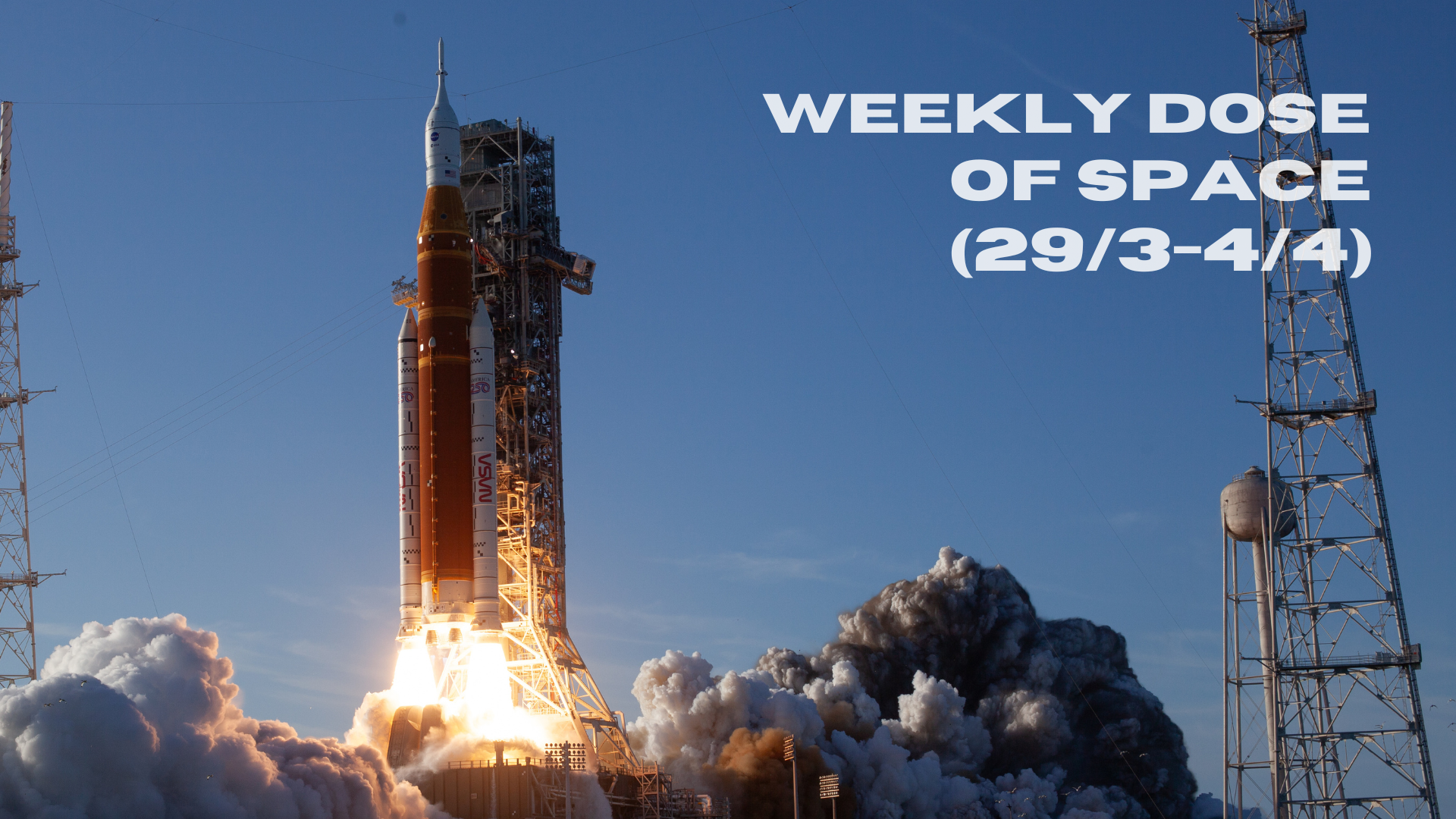
Welcome back to Weekly Dose of Space! Last week again saw eight orbital launches from across the world, including two debut flights. News of the week saw the Artemis II mission head towards the Moon and a Sino-European space weather mission ready for launch. As always, we'll also look ahead to what the worldwide launch schedule might look like next week.
Launches This Week
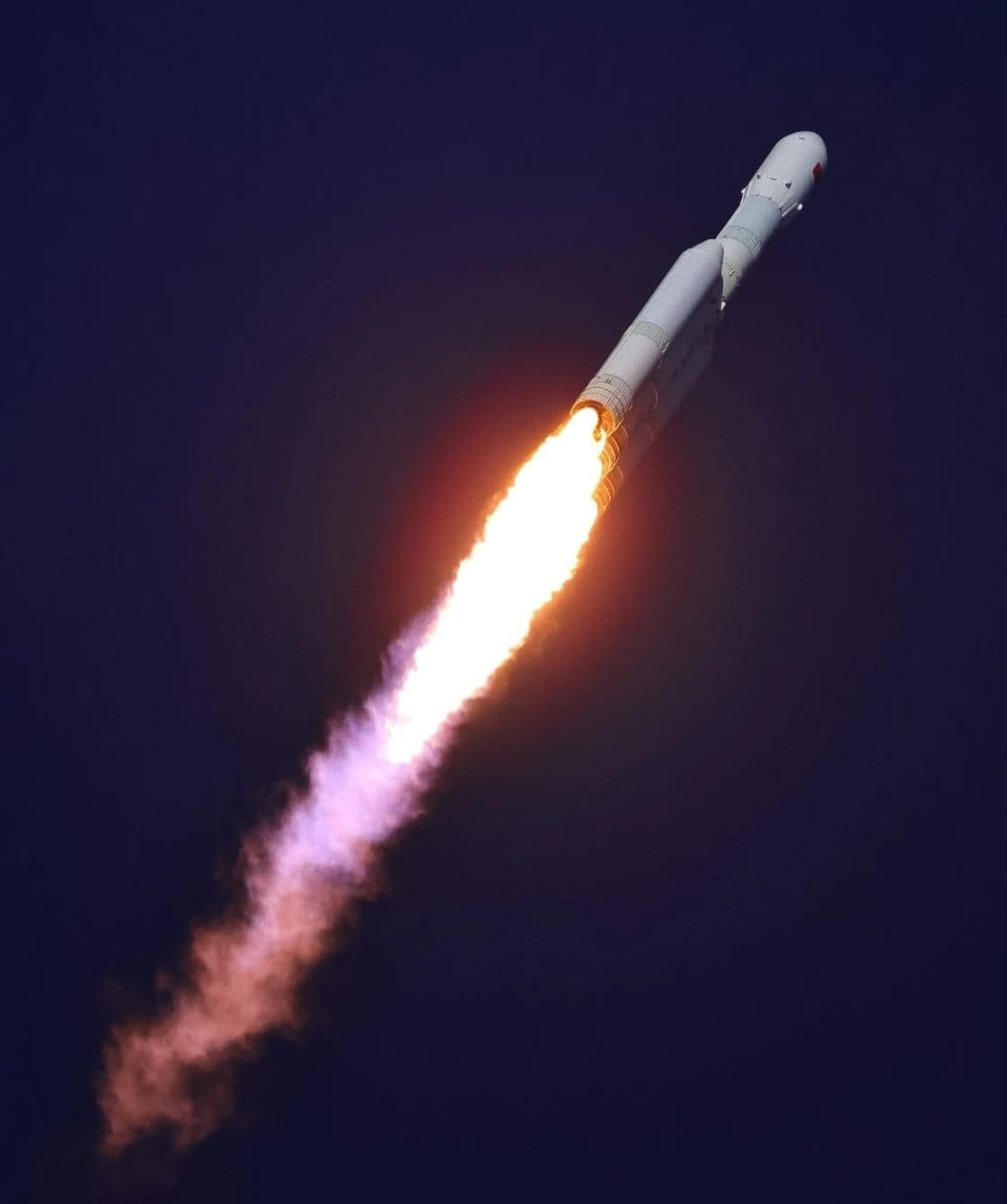
March 30th - Kinetica-2 with the Qingzhou spacecraft
CAS Space's tri-core Kinetica-2 launch vehicle lifted off for the first time from Launch Area 140 at the Jiuquan Satellite Launch Center, and placed its payloads into a sun-synchronous orbit. The primary payload onboard was a prototype Qingzhou cargo resupply spacecraft, eventually set to serve the Tiangong Space Station, with two technology experiment satellites attached to it.
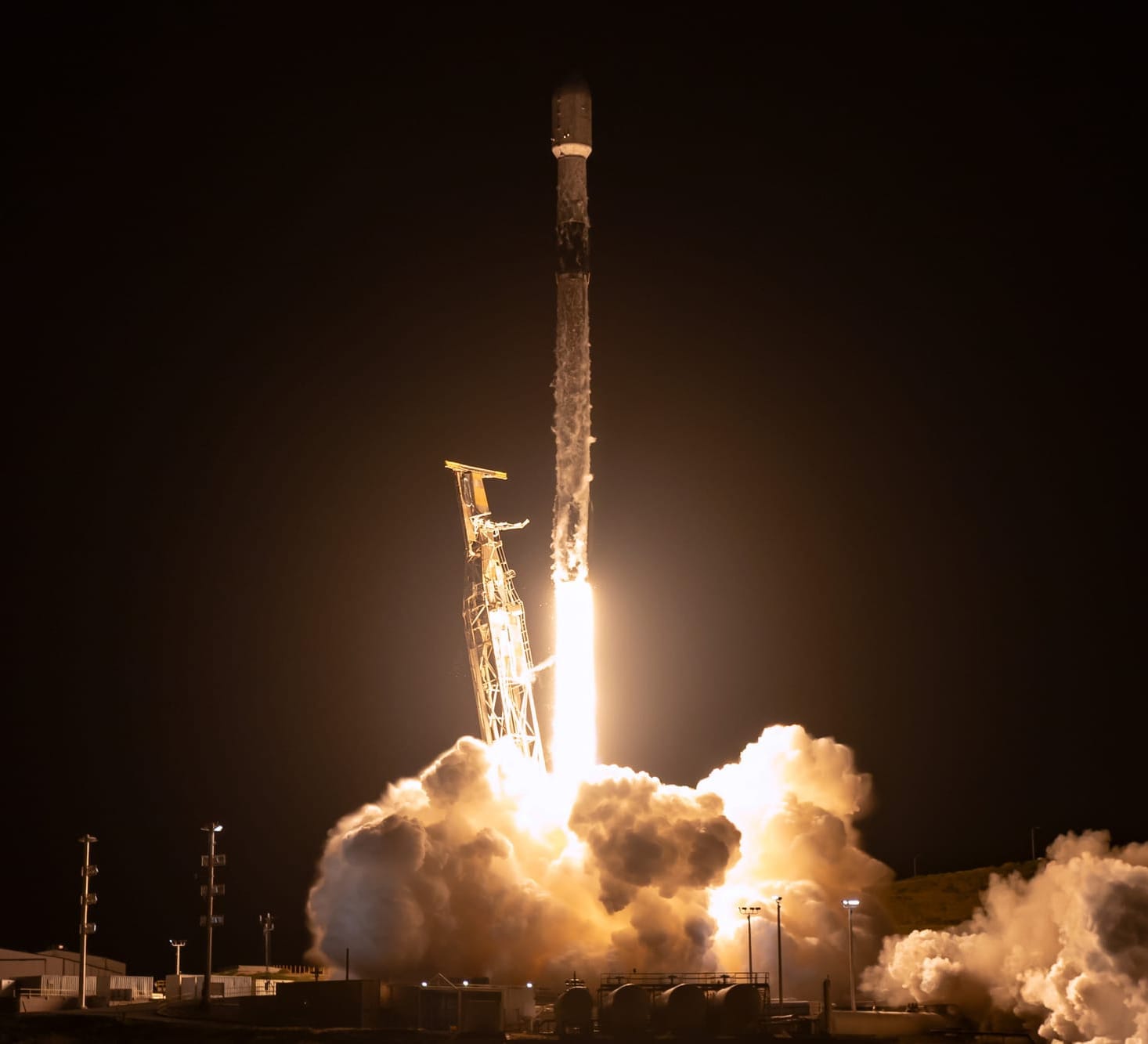
March 30th - Falcon 9 for Transporter-16
SpaceX performed its Transporter-16 sun-synchronous rideshare mission from Space Launch Complex 4E, in California, to deliver one hundred and nineteen small satellites (an extensive list of those can be found here). Supporting the mission was booster B1093 for its twelfth flight, landing downrange on the drone ship 'Of Course I Still Love You'.
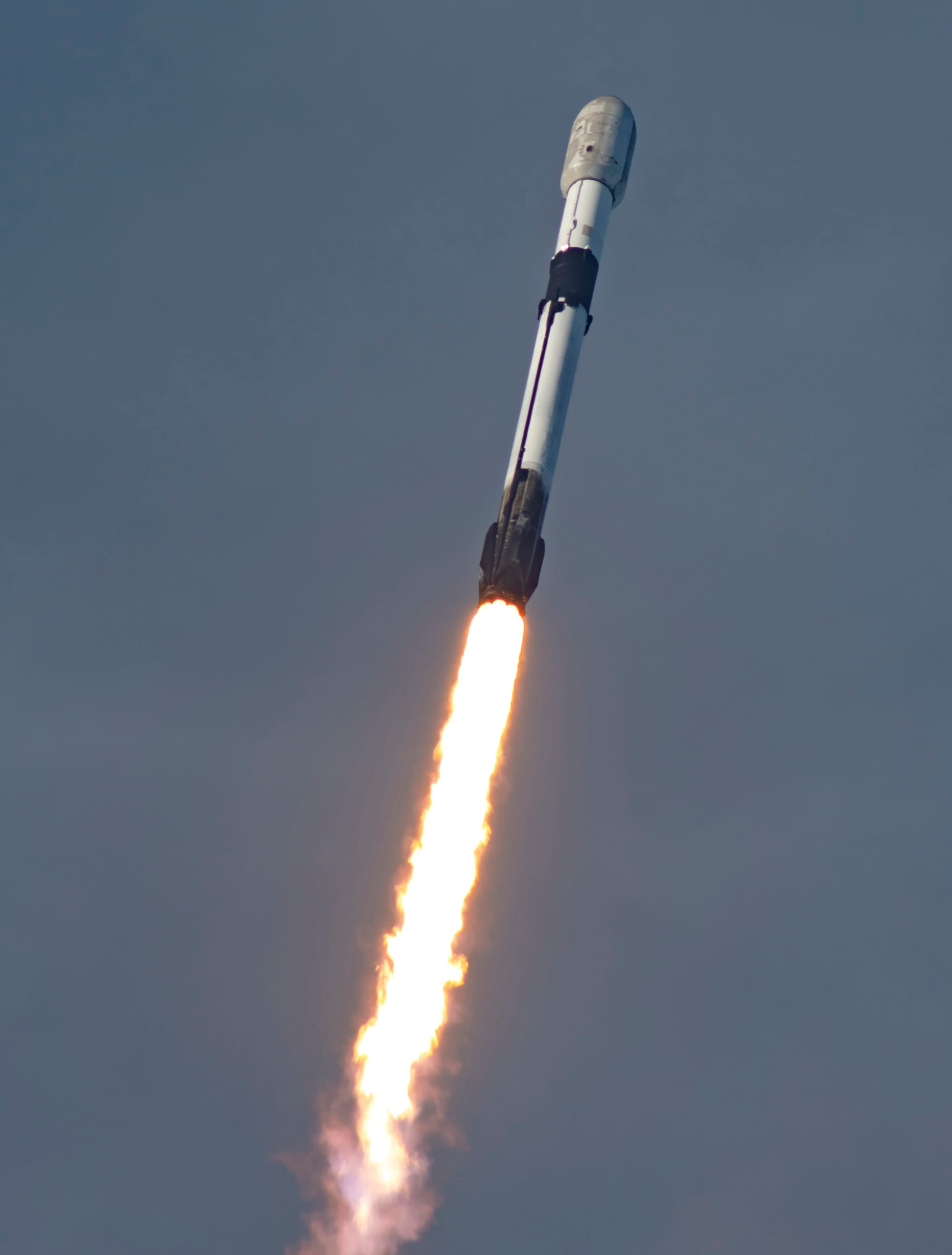
March 30th - Falcon 9 with Starlink Group 10-44
Twenty-nine Starlink satellites were placed into low Earth orbit by a Falcon 9 flying from Space Launch Complex 4o, in Florida. Booster B1067 supported this launch for its thirty-fourth flight, landing on the drone ship 'Just Read The Instructions' downrange.
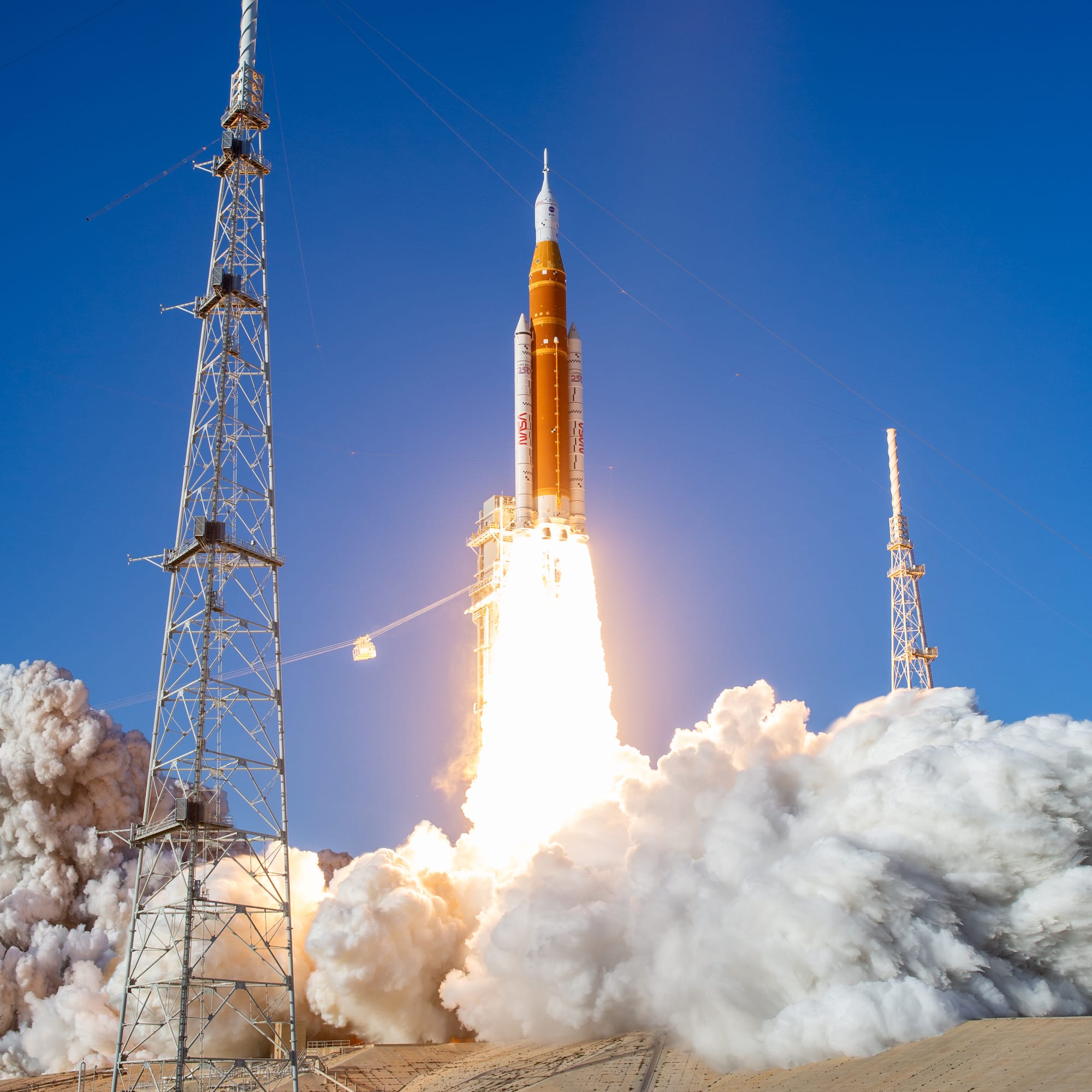
April 1st - Space Launch System for Artemis II
NASA's Space Launch System began the Artemis II mission, carrying astronauts Reid Wiseman, Victor Glover, Christina Koch, and Jeremy Hansen inside the Orion spacecraft, dubbed 'Integrity', from Launch Complex 39B. The four astronauts are performing a ten-day mission that will fly around the Moon, the first in just over fifty-three years.
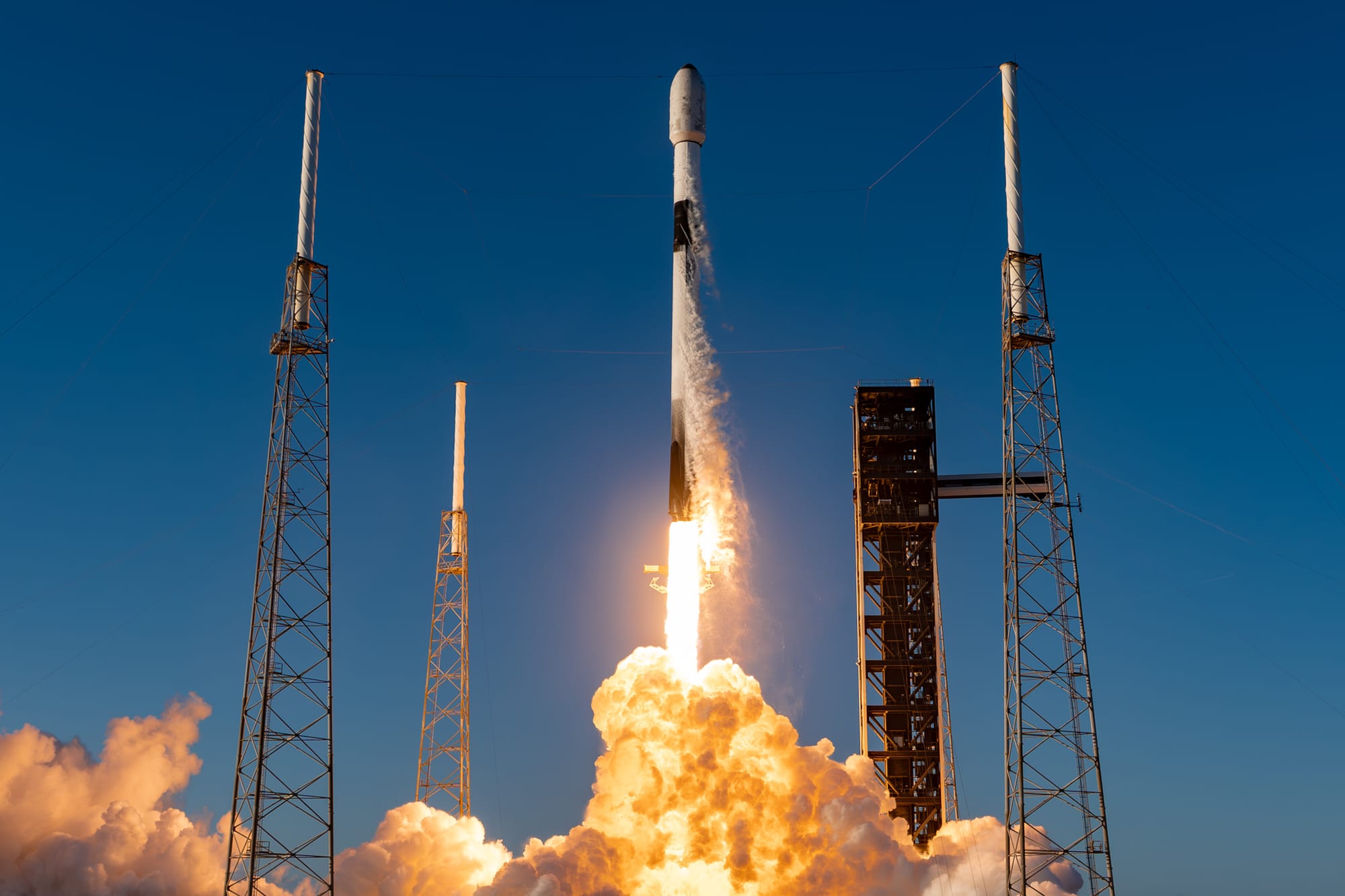
April 2nd - Falcon 9 with Starlink Group 10-58
Another twenty-nine Starlink satellites were launched by a Falcon 9 and placed into low Earth orbit from Space Launch Complex 40. Supporting the mission was booster B1085, flying for the fifthteenth time and landing downrange on the drone ship 'A Shortfall Of Gravitas'.
April 3rd - Tianlong-3 with TW-4
From the Jiuquan Satellite Launch Center, Space Pioneer attempted to launch its Tianlong-3 rocket for the first time, carrying Xiamen Tianwei Technology's TW-4 precise remote sensing satellite. During flight, the vehicle failed late into first-stage flight or around second-stage startup, resulting in it failing to reach its targeted sun-synchronous orbit.
A small explosion of the engine bay at 33s of this video of Tianlong-3 maiden launch pic.twitter.com/9MSV7FQWxG
— Ace of Razgriz (@raz_liu) April 3, 2026
April 3rd - Soyuz 2.1a for Meridian-M-21L
A Soyuz 2.1a flew into a Molniya orbit from the Plesetsk Cosmodrome, carrying the Meridian-M-21L communications satellite for civilian and military users in Russia. Once operational, the satellite will provide services for vessels in the Arctic Ocean and in the Russian Far East.
Video of today's Soyuz-2.1a launch from Plesetsk Cosmodrome https://t.co/I6KNSSmf9m pic.twitter.com/xrhKwF7Ewv
— afec7032 🇷🇺 (@robert_savitsky) April 3, 2026
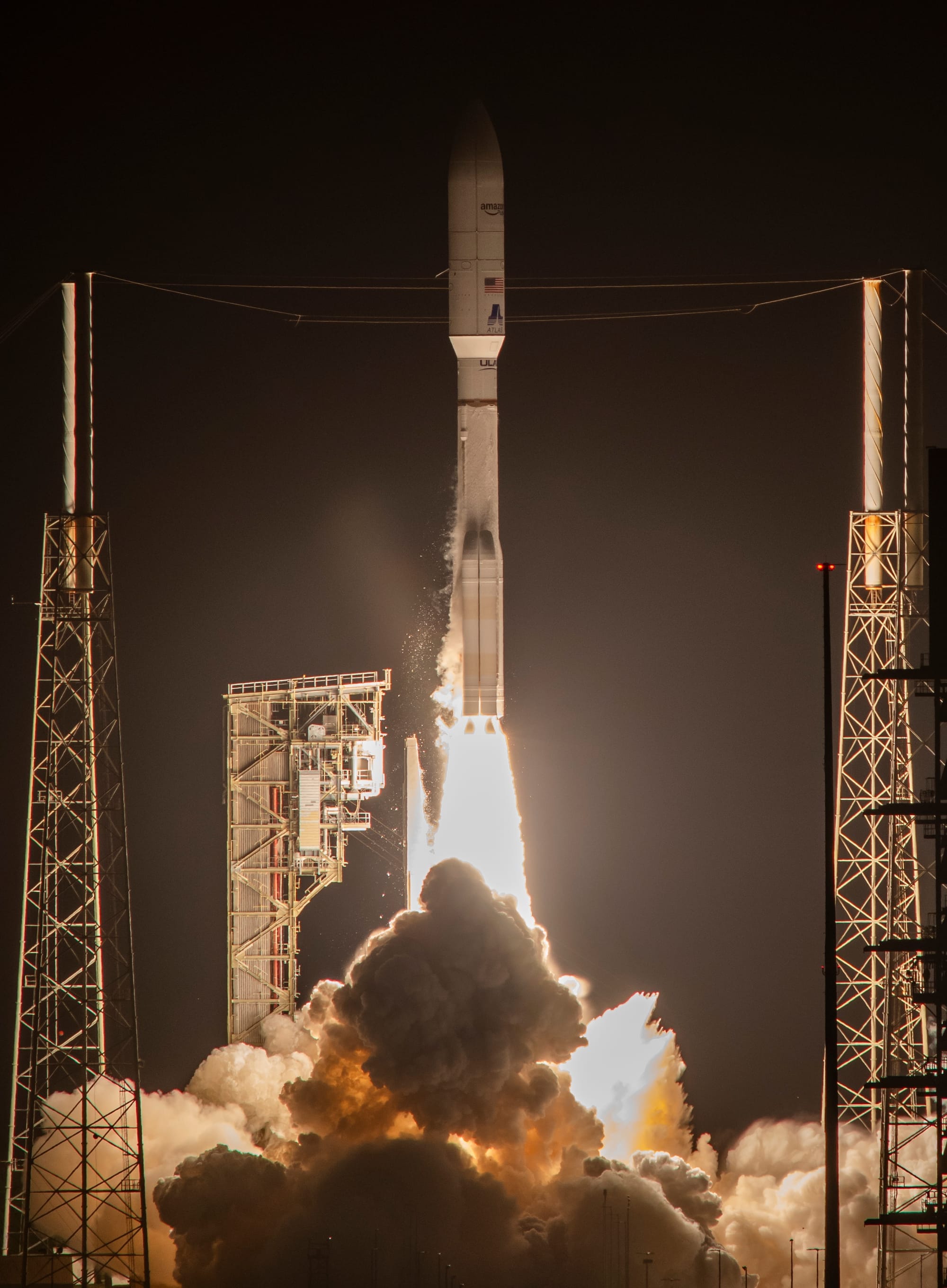
April 4th - Atlas V with LA-05
United Launch Alliance's Atlas V rocket blasted off from Space Launch Complex 41, in Florida, carrying twenty-nine Amazon Leo satellites into low Earth to expand space-based internet services. At present, there are 241 Leo satellites in orbit.
In Other Space News
Artemis II heading towards the Moon
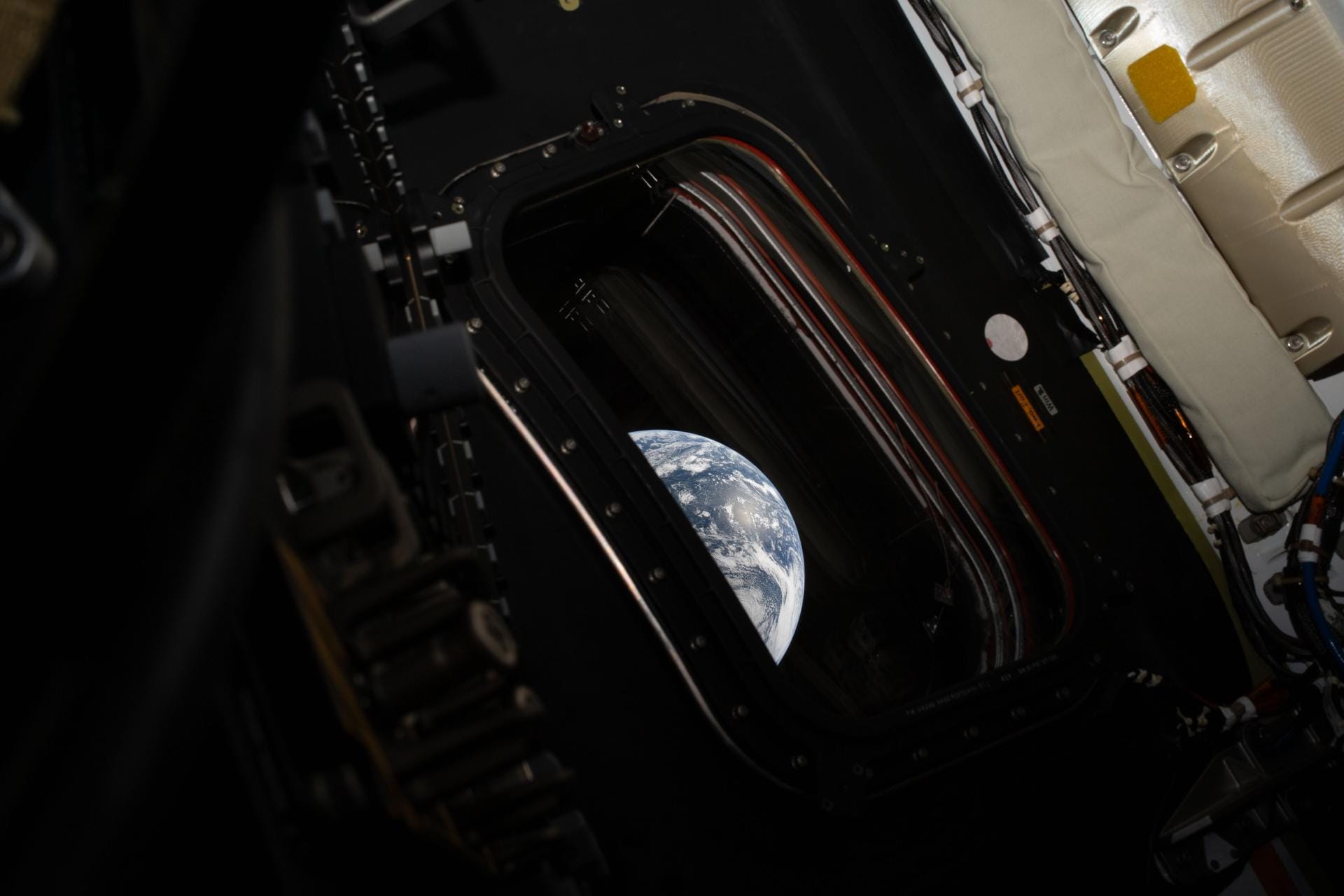
Having launched on April 1st and spent the first mission day performing systems checks, Orion spacecraft 'Integrity' performed its trans-lunar burn on April 2nd, burning for five minutes and fifty seconds, to bring the spacecraft from its highly elliptical Earth orbit onto a trajectory that slingshots it around the Moon. With the burn complete, the Artemis II mission will pass its closest point to the Moon on April 6th.
When Orion flies by the Moon, astronauts Reid Wiseman, Victor Glover, Christina Koch, and Jeremy Hansen will image points of interest on the lunar far side using cameras onboard. Before that, during the flight out, the crew will also demonstrate emergency medical procedures using equipment onboard the spacecraft.
In the meantime, the four crewmembers have incredible views of Earth and the Moon, not seen by human eyes in over fifty-three years, with Christina Koch remarking:
"We all had a collective expression of joy at that… We can see the Moon out of the docking hatch right now. It's a beautiful sight."
Sino-European space weather satellite ready to launch
Join us for the Smile launch!
— ESA Science (@esascience) April 2, 2026
🤳 Tune into ESA Web TV at https://t.co/aiFFYYFVH5 from 08:10 CEST on 9 April.
Key milestones expected:
🚀 08:29 Vega-C lift off
👋 09:25 Separation of Smile
📈 09:26 Acquisition of Smile’s first signal from space
🛰️ 09:32 Deployment of… pic.twitter.com/aXEp5YMNVq
As of April 3rd, per the European Space Agency, the Sino-European SMILE spacecraft was placed atop a Vega-C on Ensemble de Lancement Vega at the Guiana Space Center, in French Guiana at the top of South America. At present, teams are working towards a launch on April 9th.
For just over the past month, technicians have conducted final pre-launch checks of the spacecraft and its systems. At the end of last month, SMILE's four propellant tanks were fuelled up with 1,580 kilograms of hydrazine propellant.
After around a month in space, the Chinese Academy of Sciences and the European Space Agency will have SMILE study the magnetosphere and its interaction with charged particles from the Sun. It will also assist with space weather forecasting and predictions.
What to Expect Next Week
April 6th - Falcon 9 with Starlink Group 17-35
SpaceX is planning to launch a batch of Starlink satellites to low Earth orbit from Space Launch Complex 4E.
April 7th - Minotaur-IV with ten satellites
A Minotaur-IV launch vehicle is set to fly for the first time in six years carrying at least ten satellites into low Earth orbit, from Space Launch Complex 8 in California, with the primary payload being STPSat-7 to test new military space systems.
April 7th - Long March 8 with eighteen Qianfan satellites
From the Wenchang Commercial Space Launch Site, a Long March 8 is expected to carry a batch of eighteen Qianfan satellites towards a polar orbit for the constellation's first month in six months.
April 8th - Falcon 9 for NG-24
Northrop Grumman's NG-24 resupply mission to the International Space Station is set to launch atop of a Falcon 9 from Space Launch Complex 40.
April 8th - Long March 6A with a to-be-annouced payload
From the Taiyuan Satellite Launch Center, a Long March 6A is set to fly towards polar orbit carrying a currently unknown satellite or satellites.
April 9th - Vega-C with SMILE
A Vega-C will blast off from the Guiana Space Center carrying the SMILE spacecraft into a 700-kilometer Earth orbit to begin its space weather mission.
April 10th - Falcon 9 with Starlink Group 17-24
Another Falcon 9 is preparing to launch from Space Launch Complex 4E with a batch of Starlink satellites bound for low Earth orbit.
April 10th - Jielong-3 with to-be-revealed payloads
A Jielong-3 is set to blast off from a sea launch platform in the South China Sea and head for sun-synchronous orbit with payloads that are currently unknown.