Weekly Dose of Space (25/1-31/1)

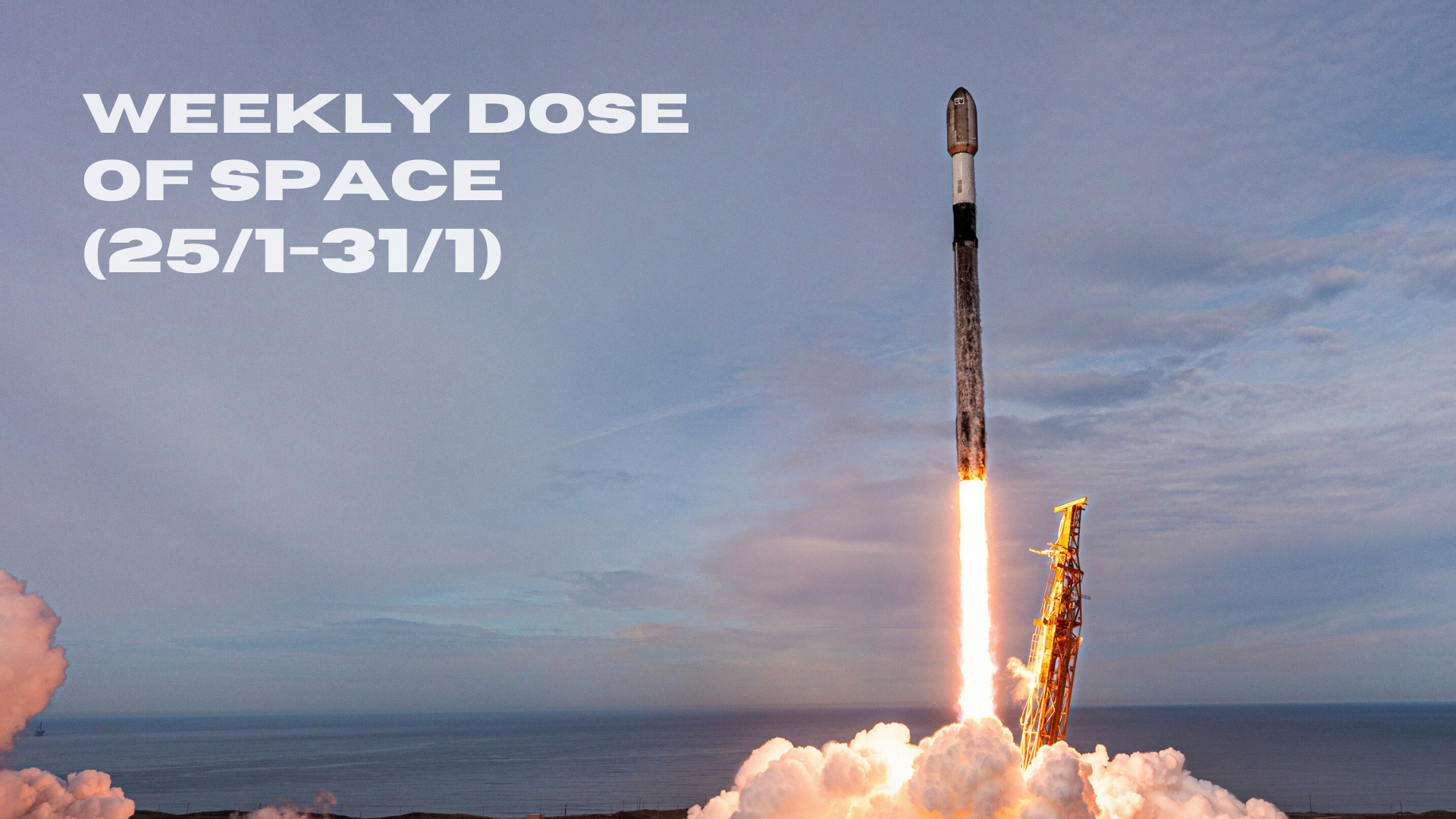
Welcome back to Weekly Dose of Space! This week saw six launches into orbit, with most via Falcon 9. News of the week saw a minor delay to the Artemis II mission and another Chinese reusable rocket near launch. As always, we'll also look ahead to what the worldwide launch schedule might look like next week.
Launches This Week
January 25th - Falcon 9 with Starlink Group 17-20
SpaceX launched twenty-five Starlink satellites into low Earth orbit via its Falcon 9 with a mission out of Space Launch Complex 4E, in California. Booster B1097 supported this mission for its sixth flight, landing on the drone ship 'Of Course I Still Love You' downrange.
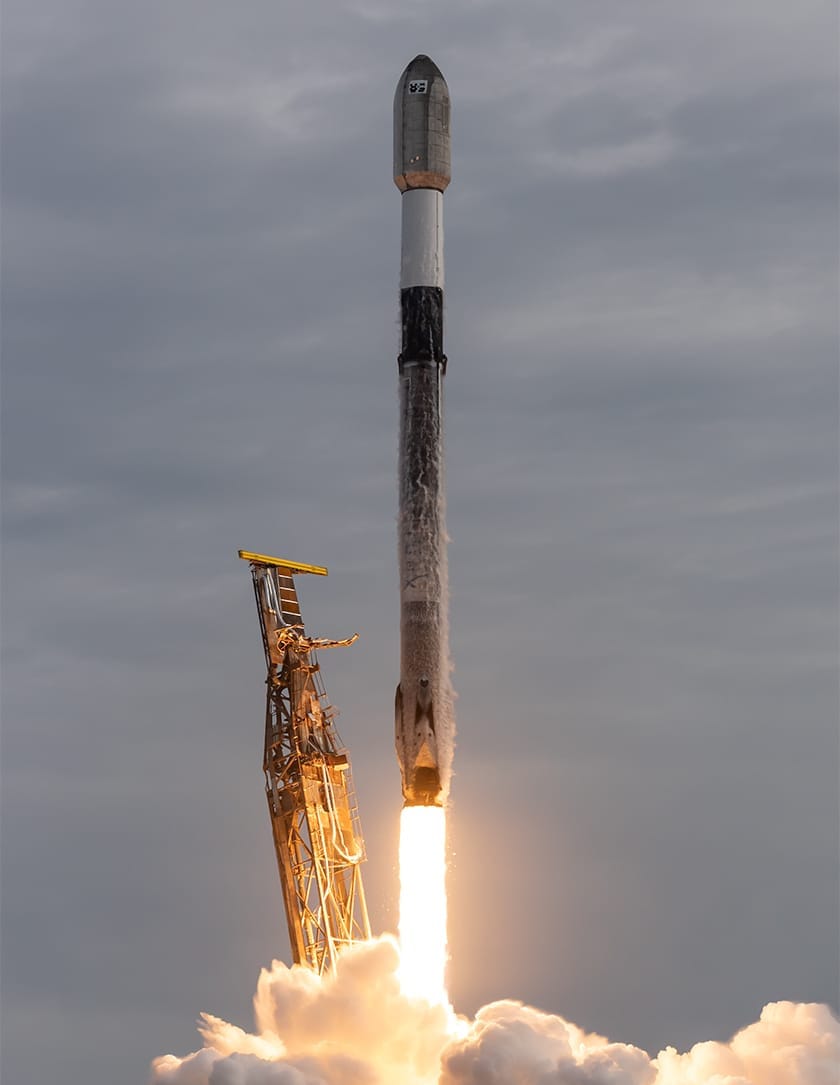
January 28th - Falcon 9 with GPS-III-SV09
Out of Space Launch Complex 40, a Falcon 9 headed into medium Earth orbit carrying the U.S. military's GPS-III-SV09 navigation satellite to begin its support for military position, navigation, and timing services. Supporting this mission was booster B1096 on its fifth flight, landing downrange on the drone ship 'A Shortfall Of Gravitas'.
Deployment of GPS III-9 confirmed pic.twitter.com/zCaMDXUFor
— SpaceX (@SpaceX) January 28, 2026
The deployment of GPS-III-SV09 toward medium Earth orbit seen from Falcon 9's second-stage, via SpaceX on Twitter.
January 29th - Falcon 9 with Starlink Group 17-19
Twenty-five more Starlink satellites were placed into low Earth orbit by a Falcon 9 from Space Launch Complex 4E. Booster B1082 supported this launch for its nineteenth flight, landing downrange on the drone ship 'Of Course I Still Love You'.
January 30th - Electron with NeonSat-1A
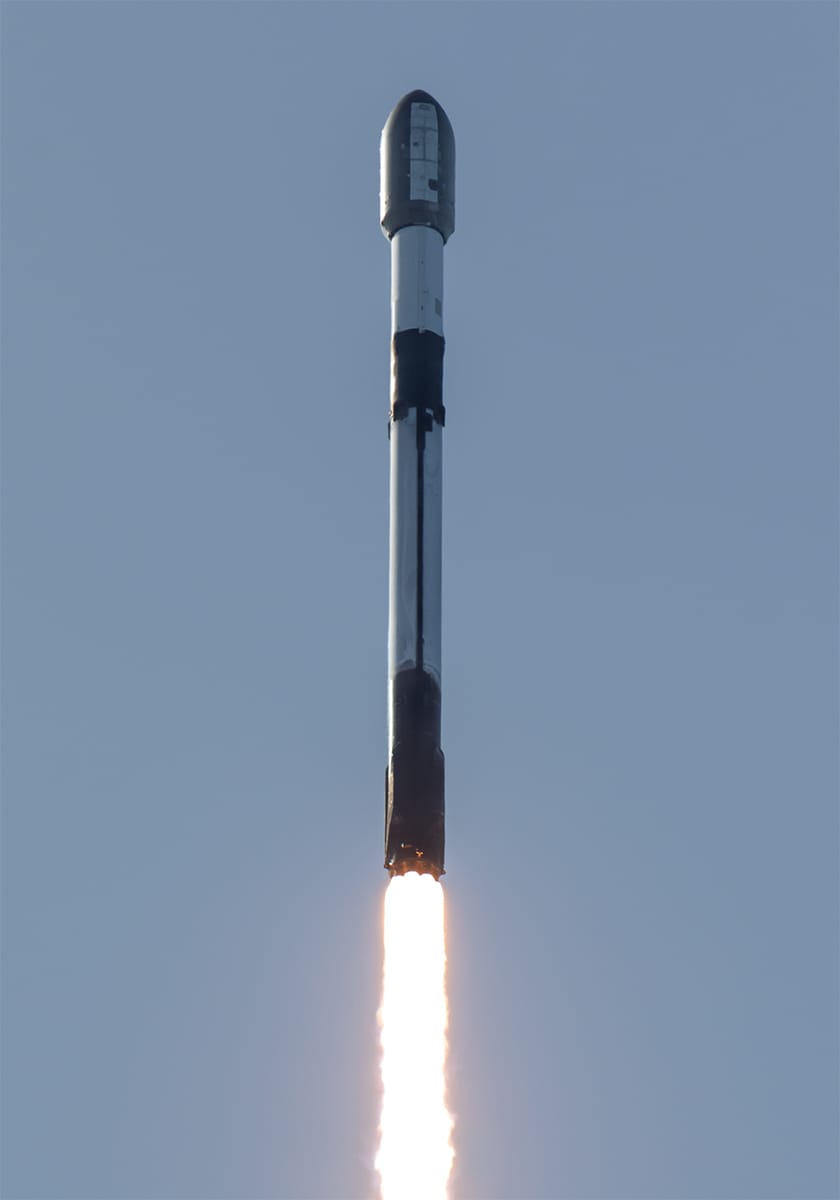
Via its Electron launch vehicle, Rocket Lab launched Korea's NeonSat-1A Earth monitoring into sun-synchronous orbit from Launch Complex 1A on the Māhia Peninsula. NeonSat-1a is designed to be the first of many mass-produced monitoring satellites that will regularly image the Korean Peninsula.
LIFTOFF! Electron is on its way to orbit with the NEONSAT-1A satellite for @kaistpr pic.twitter.com/Y9tz4Hy9si
— Rocket Lab (@RocketLab) January 30, 2026
Electron lifting off from Launch Complex 1A on January 30th with NeonSat-1A, via Rocket Lab on Twitter.
January 30th - Falcon 9 with Starlink Group 6-101
Another twenty-nine Starlink satellites were deployed into low Earth orbit by a Falcon 9 lifting off from Space Launch Complex 40. Supporting this flight was booster B1095 on its fifth flight, landing on the drone ship 'Just Read The Instructions' downrange.
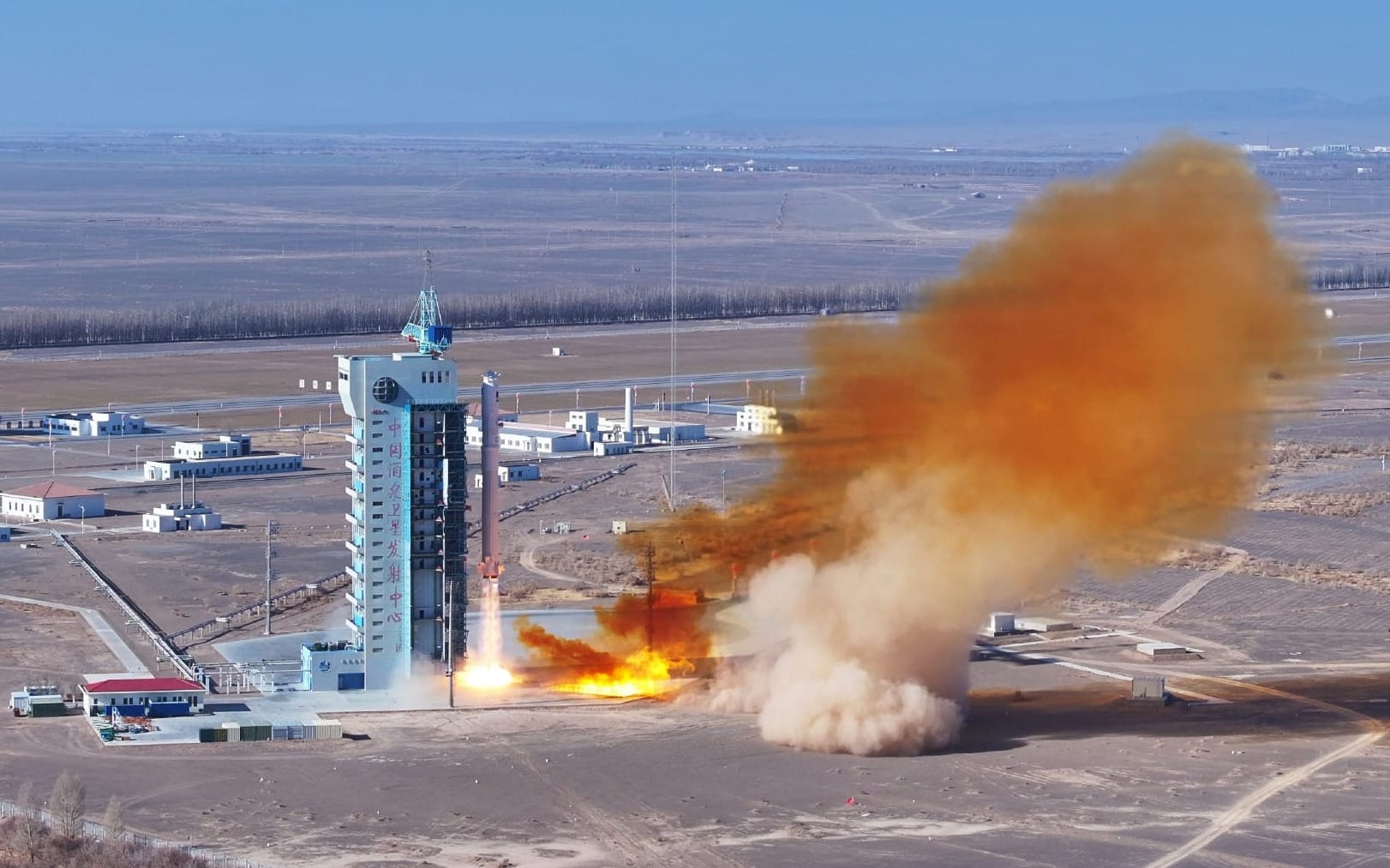
January 31st - Long March 2C with AlSat-3B
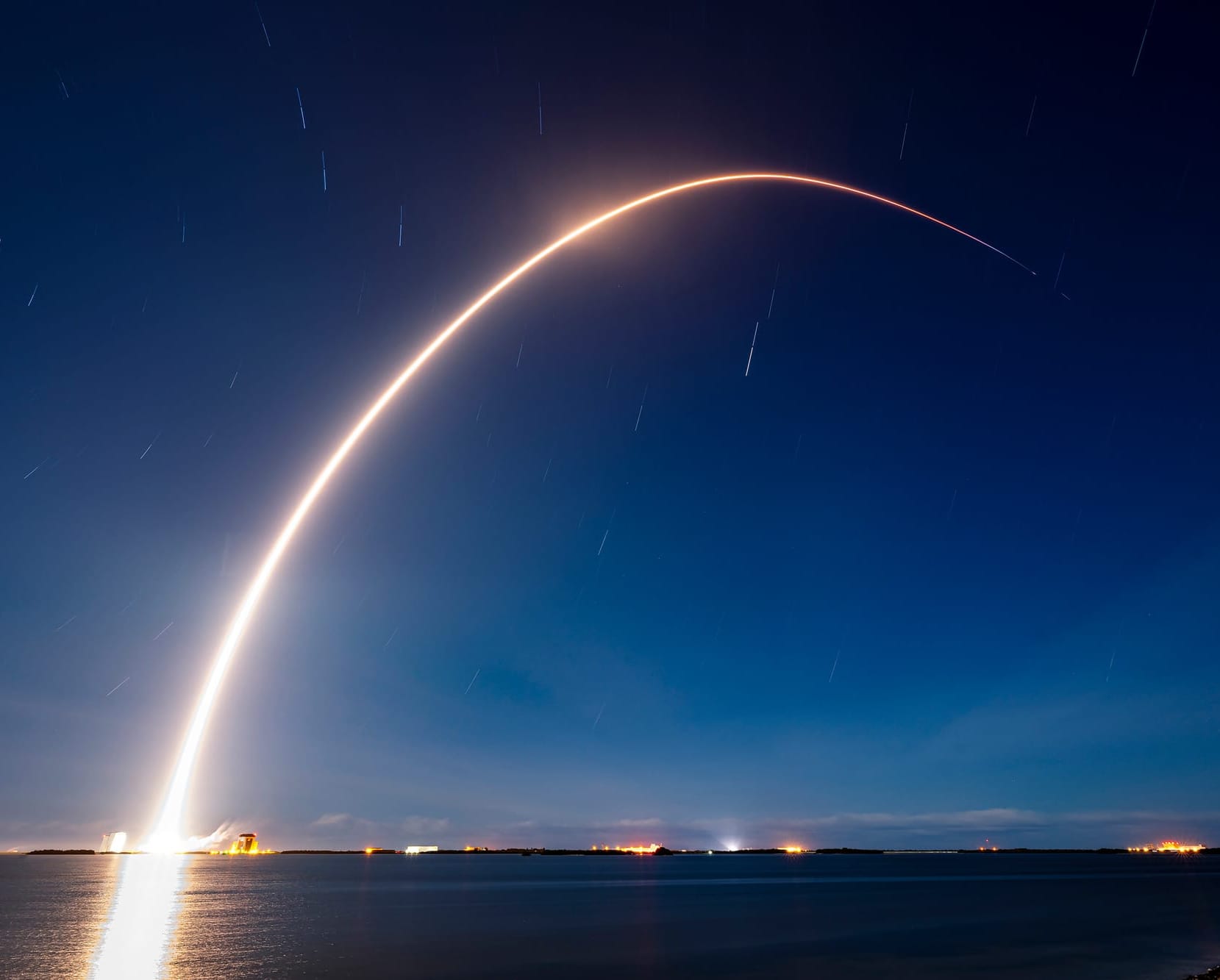
A Long March 2C flew from the Jiuquan Satellite Launch Center and toward sun-synchronous orbit, carrying the Chinese-made AlSat-3B on behalf of Algeria. Main uses for the satellite are reportedly to support land-use planning as well as enhance capabilities for disaster prevention and mitigation.
In Other Space News
Artemis II launch expected further into February
Having reached the launch pad on January 17th, the Space Launch System rocket for the crewed Artemis II lunar flyby mission has had its wet dress rehearsal atop of Launch Complex 39B delayed from January 31st to February 2nd. According to NASA, that delay is due to unexpectedly cold weather in Florida.
Due to the delay of the wet dress rehearsal, possible launch options for the mission on February 6th and 7th have been removed. That is to allow NASA teams adequate time to review the outcome of the rehearsal.
With the delay, potential launch dates for Artemis II are now from February 8th to 11th, March 6th to 11th, and April 1st to 6th.
Despite the delay, the Orion spacecraft and systems for the Space Launch System have remained powered on to maintain proper environmental conditions for both. Meanwhile, the four astronauts set to be onboard, Americans Reid Wiseman, Victor Glover, Christina Koch, and Canadian Jeremy Hansen, are in pre-launch quarantine.
Tianlong-3 to debut 'soon'
Space Pioneer's 72-meter-tall Tianlong-3, designed to carry up to 17,000 kilograms into low Earth orbit, is reportedly ready to fly for the first time. At the moment, the launch vehicle is at the Jiuquan Satellite Launch Center, where it has been undergoing testing since late November.
It is unknown when Tianlong-3 may fly, as no potential launch dates have been shared and any hazard notices for it have not been published. In conversations with the media, Space Pioneer has not provided any targets for the first launch.
Based on previously released images of what is expected to be the first-flight Tianlong-3 vehicle, the first-stage will likely be expended as no grid fins and landing legs are installed, with mounting points missing as well. Later vehicles for future flights may have recovery hardware installed, with a second Tianlong-3 said to be close to completion.
What to Expect Next Week
February 2nd - Soyuz 2.1a with an unknown payload
A Soyuz 2.1a is said to be preparing to fly from the Plesetsk Cosmodrome and into a polar orbit carrying satellites that are not currently known.
February 2nd - Falcon 9 with Starlink Group 17-32
SpaceX is planning to add batch of Starlink satellites to low Earth orbit with a Falcon 9 flying from Space Launch Complex 4E.
February 3rd - Falcon 9 with Starlink Group 6-103
Another Falcon 9 from Space Launch Complex 40 is set to launch another batch of Starlink satellites into low Earth orbit.
February 6th - Falcon 9 with Starlink Group 17-33
Yet more Starlink satellites are set to head to low Earth orbit from Space Launch Complex 4E atop of a Falcon 9.
February 7th - Falcon 9 with Starlink Group 6-104
Another Falcon 9 is planned to fly from Space Launch Complex 40 and into low Earth orbit with a batch of Starlink satellites.