Weekly Dose of Space (22/3-28/3)

Welcome back to Weekly Dose of Space! This week saw eight launches into orbit worldwide, with multiple missions from China, Russia, and the United States. News during the week had the Artemis II crew arriving in Florida ahead of launch and a Chinese enterprise testing a robotic arm in orbit. As always, we'll also look ahead to what the worldwide launch schedule might look like next week.
Launches This Week
March 22nd - Soyuz 2.1a with Progress MS-33
A Soyuz 2.1a blasted off from the Baikonur Cosmodrome carrying the Progress MS-33 cargo resupply spacecraft, sending it towards the Russian segment of the International Space Station. The spacecraft reached the space station on March 24th.
Successful launch of Soyuz-2.1a with the Progress MS-33 cargo spacecraft from the Baikonur cosmodrome!
— afec7032 🇷🇺 (@robert_savitsky) March 22, 2026
Progress MS-33 is now on its way to the ISS, with the docking scheduled for March 24, 13:34 UTC
This time with some cool views that weren't shown on NASA broadcast
Liftoff: pic.twitter.com/uiEfIorBD8
Soyuz 2.1a departing the Baikonur Cosmodrome on March 22nd with Progress MS-33, via robert_savitsky on Twitter.
March 22nd - Falcon 9 with Starlink Group 10-62
SpaceX's Falcon 9, flying from Space Launch Complex 40 in Florida, delivered twenty-nine Starlink satellites to low Earth orbit. Supporting this mission was booster B1078, flying for the twenty-seventh time and landing on the drone ship 'A Shortfall Of Gravitas' downrange.
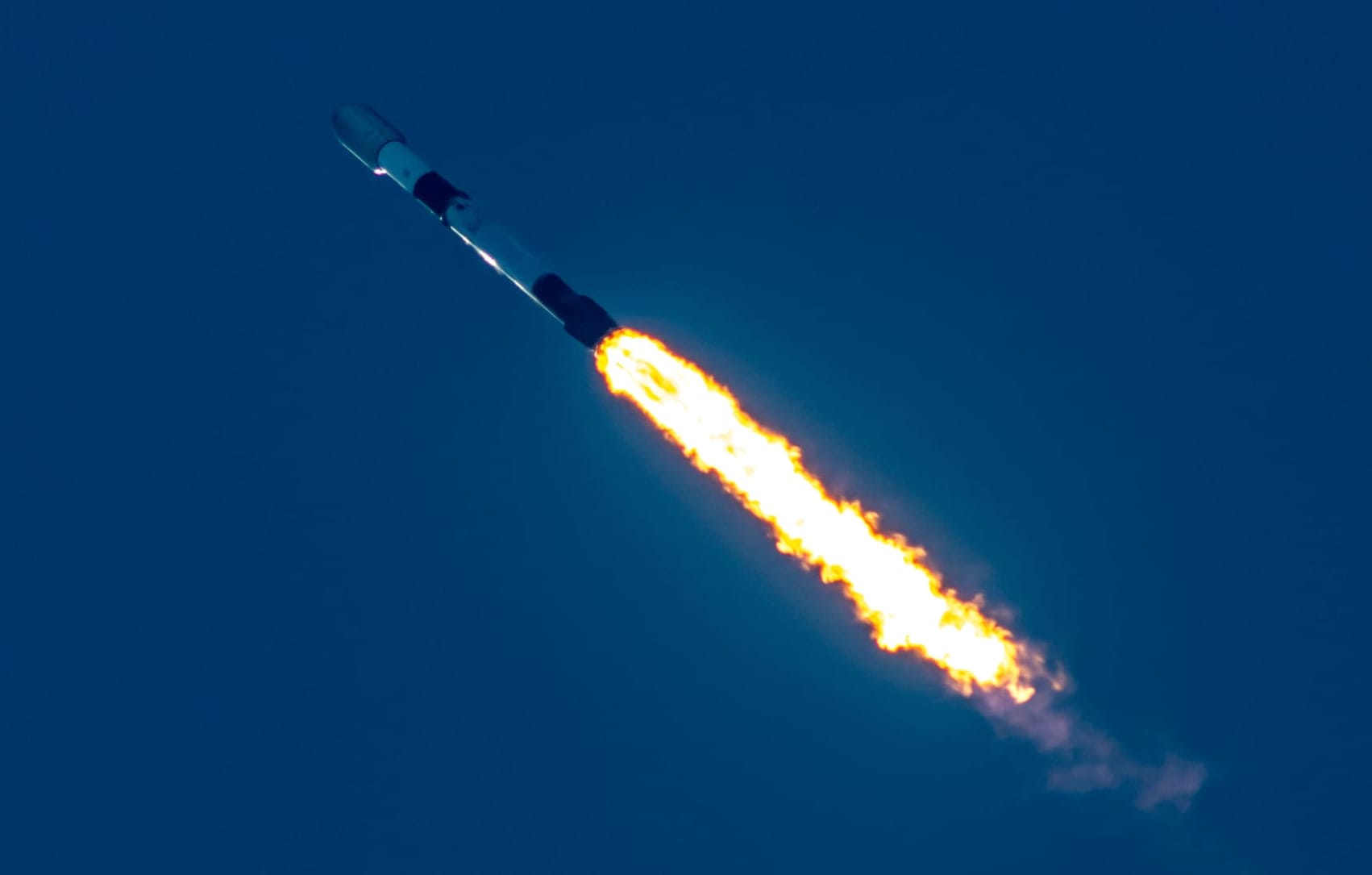
March 22nd - Jielong-3 with ten CentiSpace satellites
Off of a launch platform in the Yellow Sea, a Jielong-3 carried ten CentiSpace navigation satellites into sun-synchronous orbit on behalf of Beijing Future Navigation Technology Co Ltd. This launch now has the operator operating twenty satellites in orbit to begin providing basic services.
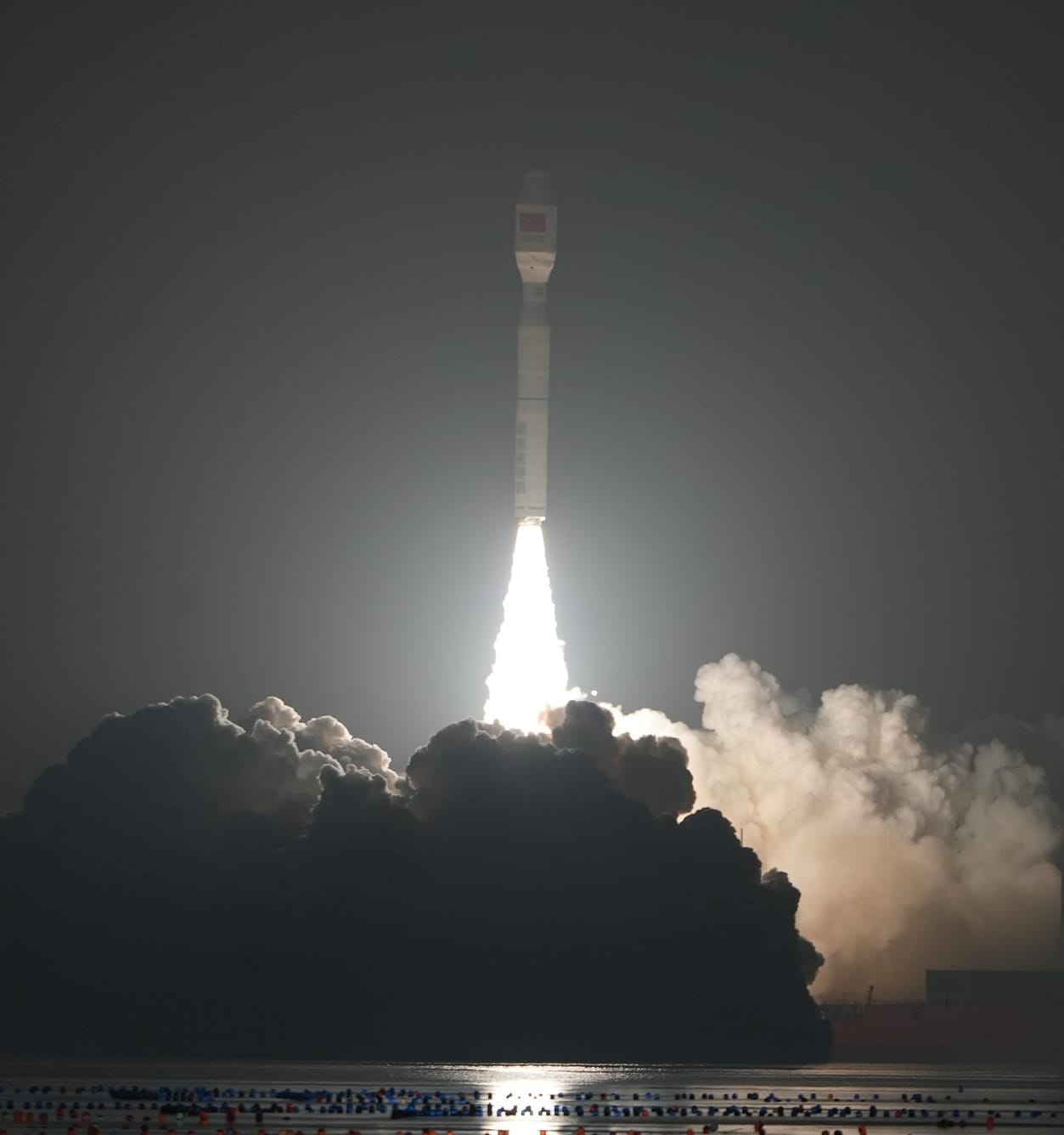
March 23rd - Soyuz 2.1b with sixteen Rassvet-3 satellites
From the Plesetsk Cosmodrome, a Soyuz 2.1b flew into polar orbit carrying the first sixteen Rassvet-3 connectivity satellites. By 2035, over nine hundred satellites are planned to be in orbit.
Yesterday, Russia launched the first batch of 16 Rassvet satellites from the Plesetsk Cosmodrome
— afec7032 🇷🇺 (@robert_savitsky) March 24, 2026
This marks the beginning of the deployment of their satellite internet constellation, a OneWeb/Starlink analogue, developed by Bureau 1440. pic.twitter.com/SYk6FcdJWX
Soyuz 2.1b lifting off from the Plesetsk Cosmodrome on March 23rd 2026, via robert_savitsky on Twitter.
Bureau 1440 shows footage of separation of 16 Rassvet satellites from Soyuz's third stage pic.twitter.com/jhe2krZ1kA
— afec7032 🇷🇺 (@robert_savitsky) March 24, 2026
Deployment of the sixteen Rassvet-3 satellites from Soyuz 2.1b's third-stage, via robert_savitsky on Twitter.
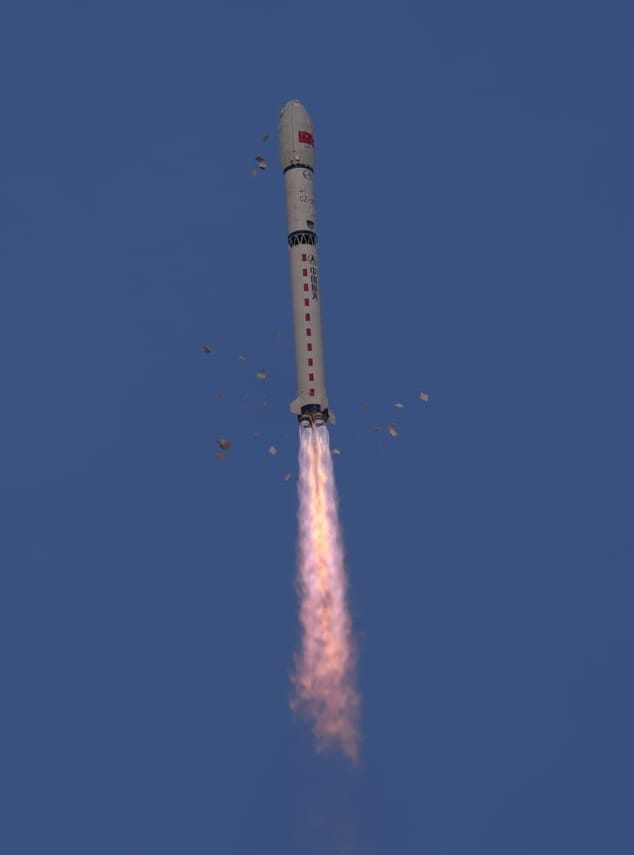
March 25th - Long March 2D with Siwei Gaojing-2-05 and Siwei Gaojing-2-06
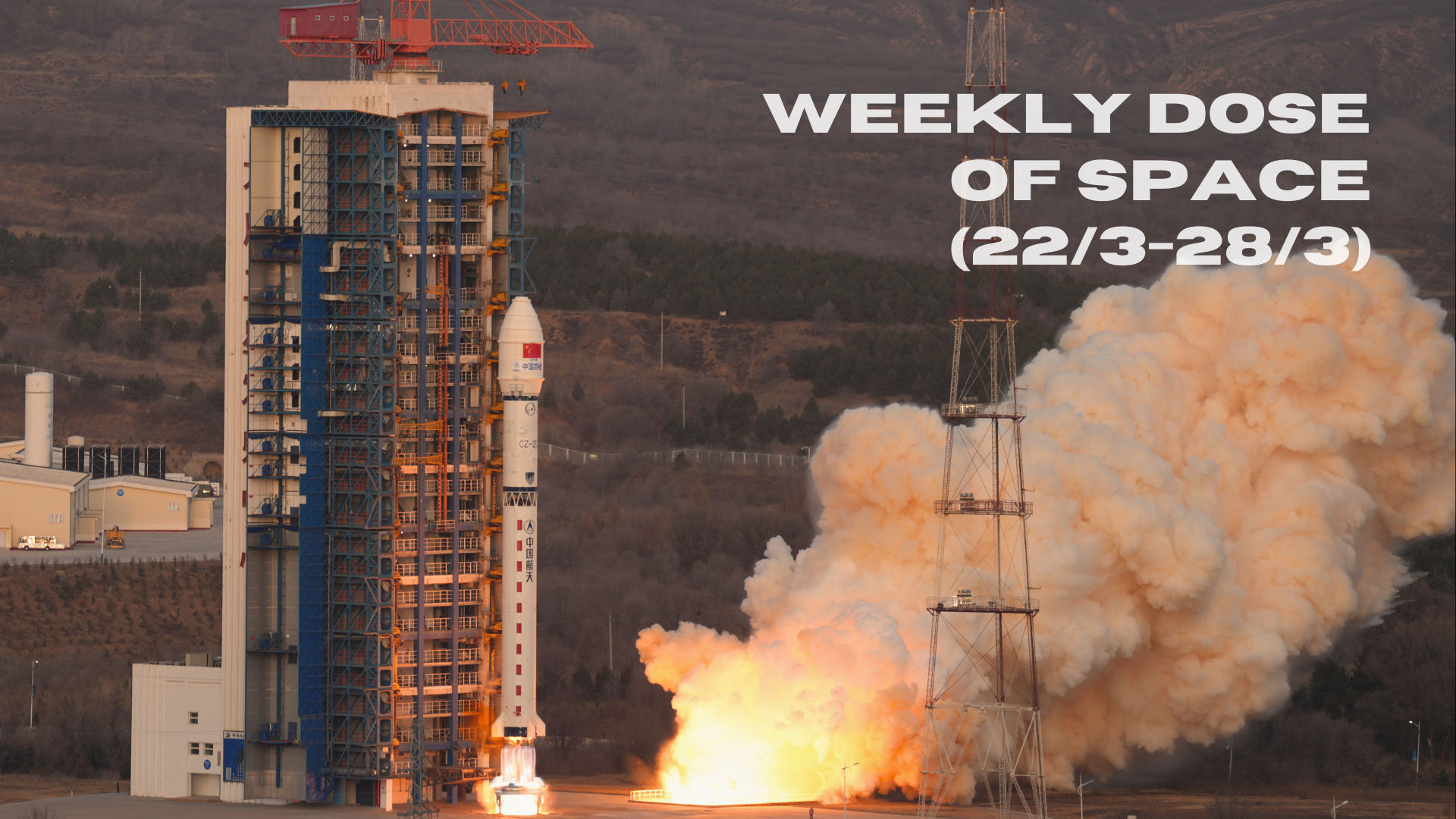
Out of the Taiyuan Satellite Launch Center, China Siwei Survey and Mapping Technology's Siwei Gaojing-2-05 and Siwei Gaojing-2-06 synthetic aperture radar Earth observation satellites were sent towards sun-synchronous orbit by a Long March 2D. From space, the two satellites are providing all-day, all-weather, high-resolution imagery.
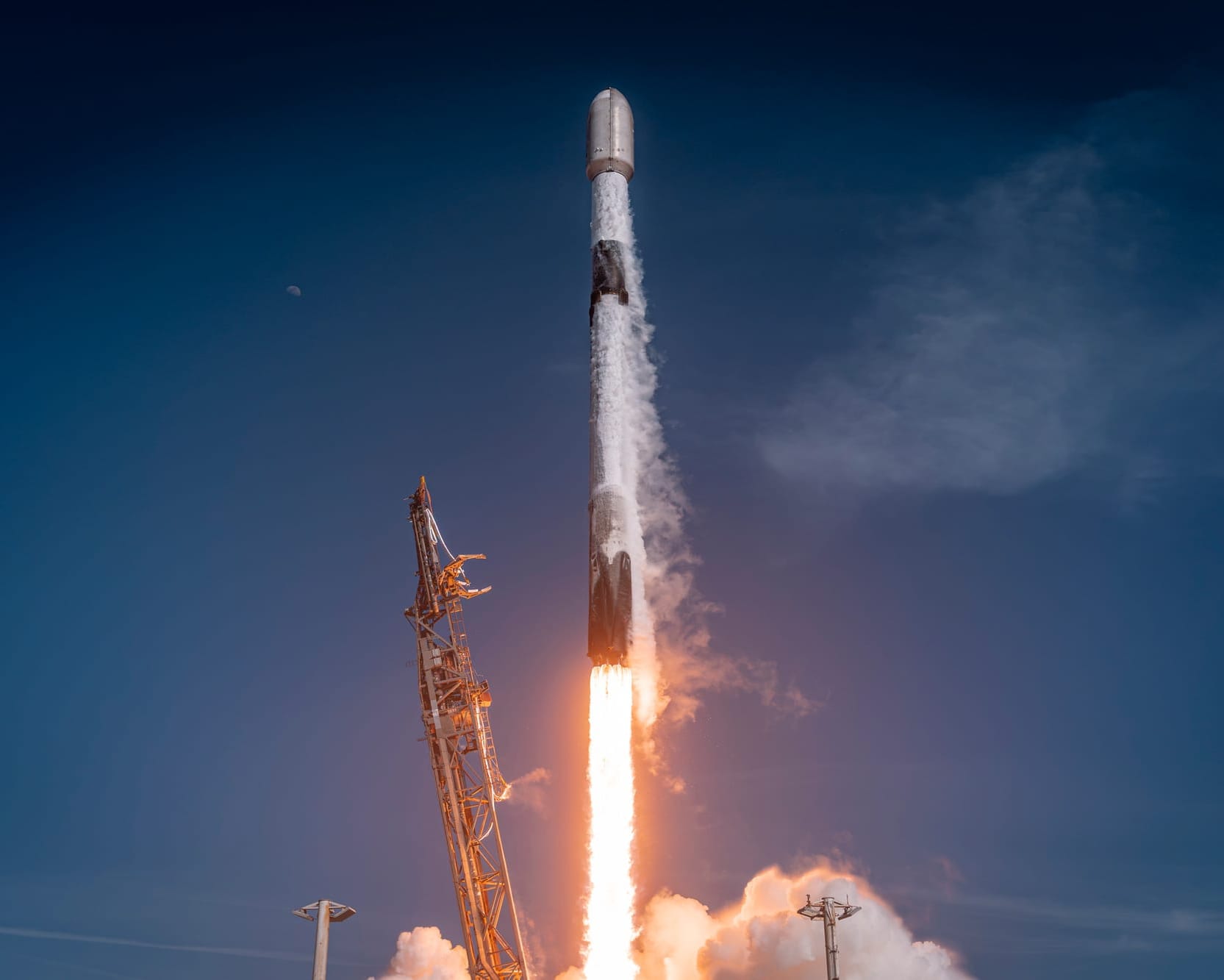
March 26th - Falcon 9 with Starlink Group 17-17
Twenty-five more Starlink satellites were sent into low Earth orbit by a Falcon 9 flying from Space Launch Complex 4E, in California. Booster B1081 supported this launch for its twenty-third flight, landing downrange on the drone ship 'Of Course I Still Love You'.
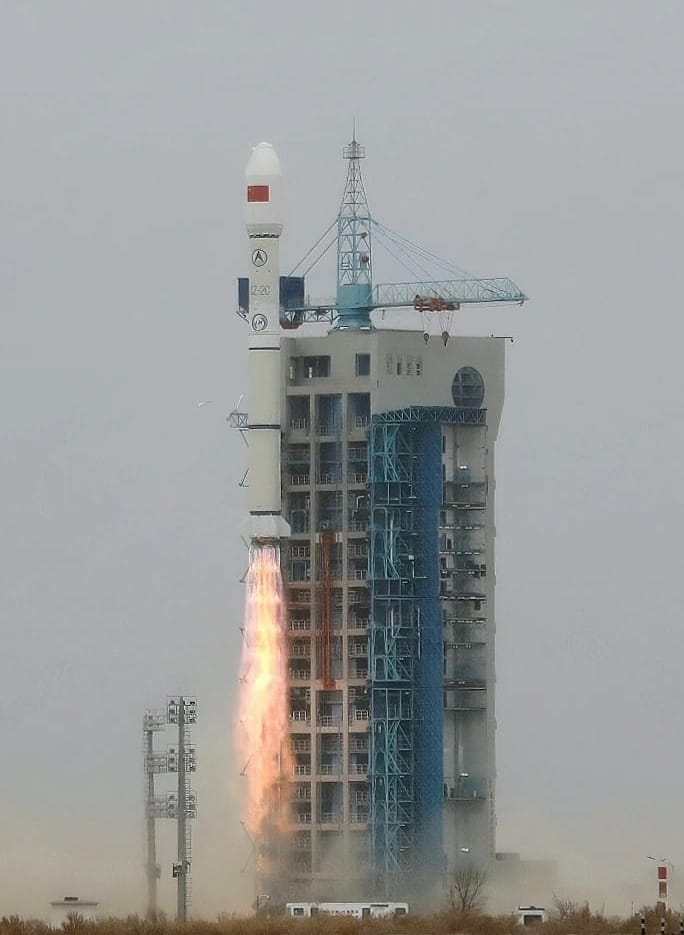
March 27th - Long March 2C with Shiyan-33
Equipped with the Yuanzheng-1S optional upper-stage, a Long March 2C delivered the Shiyan-33 spacecraft into sun-synchronous orbit. Little is known about the spacecraft other than that it is for space environment research and related scientific experiments.
March 28th - Electron for 'Daughter Of The Stars'
Rocket Lab's Electron carried two positioning, navigation, and timing demonstration satellites into sun-synchronous orbit on behalf of the European Space Agency from Launch Complex-1A, on the Māhia Peninsula in New Zealand. Those satellites will are the first part of Europe's Celeste navigation constellation.
LIFTOFF! Electron is on the way to space for @esa pic.twitter.com/okqSOgy5cA
— Rocket Lab (@RocketLab) March 28, 2026
Electron lifting off from Launch Complex-1A on March 28th 2026, via Rocket Lab on Twitter.
In Other Space News
Artemis II astronauts arrive in Florida
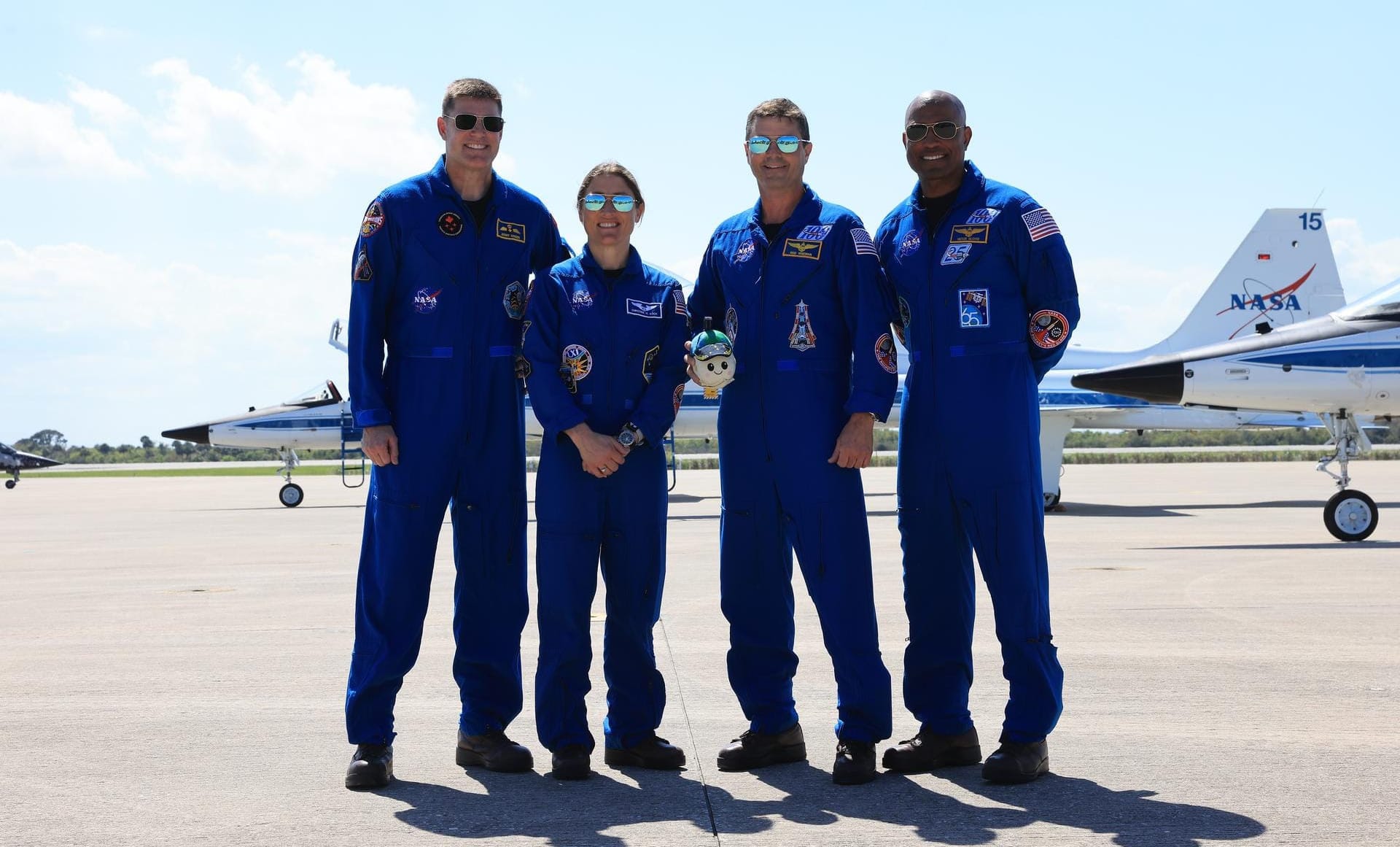
Reid Wiseman, Victor Glover, Christina Koch, and Jeremy Hansen, the four astronauts for the Artemis II mission, arrived at the Kennedy Space Center in Florida on March 27th following a flight from the Johnson Space Center in Texas, with a stop by the Stennis Space Center in Mississippi. The crew are currently in a low-contact quarantine ahead of their mission around the Moon, starting no earlier than April 1st.
Following their arrival, the crew unveiled Artemis II's zero gravity indicator 'Rise', designed by a student from Mountain View, California. 'Rise' is a plushie of the Moon wearing a cap featuring the Earth and space.
Introducing the Moon Mascot for the Artemis II mission!
— NASA (@NASA) March 27, 2026
The zero gravity indicator for the Moonbound crew was selected from thousands of submissions from over 50 countries and is named “Rise.” The design was inspired by the iconic Earthrise moment from the Apollo 8 mission. pic.twitter.com/5g2B0I6BDn
Commercial Chinese enterprise tests robotic arm
With just over a week spent in orbit, Sustain Space has performed a first set of tests with an early robotic refueling arm onboard its Xiyuan-0 satellite
— Phazzee 🐼🚀 | 中国航天 🇨🇳 | 🇵🇸🏳️⚧️🏳️🌈 (@PhazzeeYeehaw) March 26, 2026
Details -> https://t.co/7WZu4FR88I pic.twitter.com/bA5pjaGPyq
Sustain Space, an enterprise focused on in-space services from China, announced on March 25th that its teams have successfully tested a robotic arm onboard the Xiyuan-0 satellite, launched on March 16th.
That arm is largely a single structure that flexibly bends to position its end wherever automatic and human controls from the ground dictate. For recent testing, the arm was translated across to a target rectangle and docking port, before gradually moving into the port, holding position inside, then exiting.
In the future, Sustain Space plans to evolve the arm into the key satellite-to-satellite piece for refueling customer spacecraft.
At the end of testing with the arm, the Xiyuan-0 satellite will inflate a 2.5-meter-wide drag sphere, added onto the satellite via a contribution from the Hunan University of Science and Technology, to accelerate its decay into Earth's atmosphere.
What to Expect Next Week
March 29th - Falcon 9 with Starlink Group 10-44
SpaceX is preparing to launch a batch of Starlink satellites into low Earth orbit atop of Falcon 9 from Space Launch Complex 40.
March 30th - Falcon 9 for Transporter-16
A Falcon 9 will launch SpaceX's Transporter-16 sun-synchronous orbit dedicated rideshare mission from Space Launch Complex 4E, carrying over 110 customer payloads.
March 30th - Tianlong-3 for its debut flight
Space Pioneer may launch its Tianlong-3 rocket for the first time via a mission from the Jiuquan Satellite Launch Center toward polar orbit, possibly carrying customer payloads.
April 1st - Soyuz 2.1a for Meridian-M-21L
A Soyuz 2.1a will fly towards a Molniya orbit from the Plesetsk Cosmodrome, carrying the Meridian-M-21L communications satellite for civilian and military users in Russia.
April 1st - Space Launch System for Artemis II
NASA is preparing to launch its Space Launch System rocket from Launch Complex 39B, in Florida, sending the Orion spacecraft with astronauts Reid Wiseman, Victor Glover, Christina Koch, and Jeremy Hansen around the Moon for the Artemis II mission, becoming the first to do so since December 1972.
April 2nd - Soyuz-5 for its first flight
From the Baikonur Cosmodrome, Russia will attempt to launch its Soyuz-5 two-stage rocket for the first time.
April 2nd - Falcon 9 with Starlink Group 10-58
Another Falcon 9 will deliver Starlink satellites to low Earth orbit from Space Launch Complex 40.
April 3rd - Falcon 9 with Starlink Group 17-35
Even more Starlink satellites are set to head into low Earth orbit via Falcon 9 from Space Launch Complex 4E.
April 4th - Atlas V for LA-05
United Launch Alliance's Atlas V is set to fly into low Earth orbit carrying a batch of twenty-nine satellites for Amazon's Leo space-based internet mega-constellation.