Weekly Dose of Space #120
This week saw 11 launches, three of which ending in failure and the rollout of NASA's SLS rocket for Artemis II!

Welcome back to Weekly Dose of Space!
Launches This Week
January 11th - Falcon 9 with forty satellites
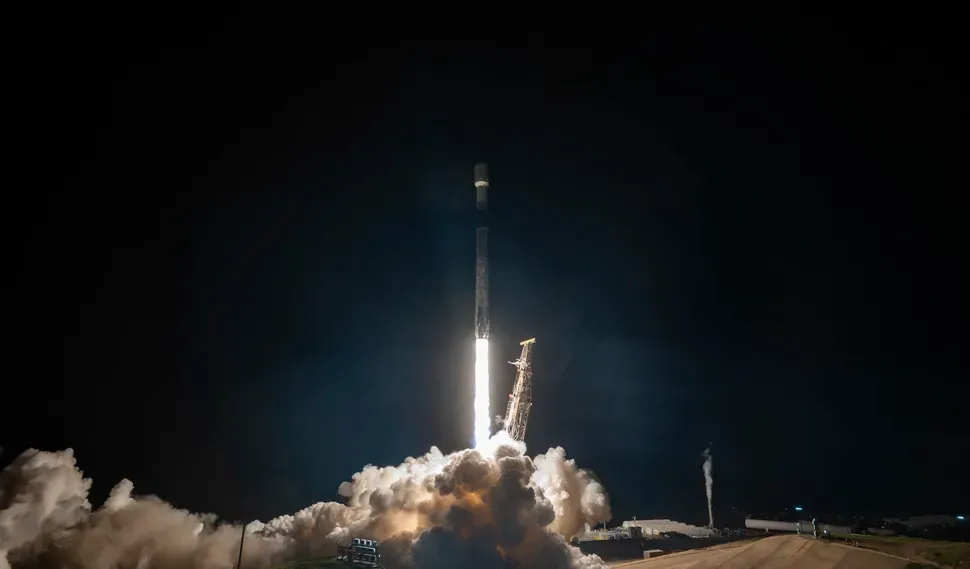
SpaceX's Falcon 9 launched from Space Launch Complex 4E and into sun-synchronous orbit, carrying NASA's exoplanet-hunting Pandora mission as well as thirty-nine rideshare payloads from commercial and government customers. Booster B1097 supported this launch for its fifth flight, touching down at Landing Zone 4 afterwards.
January 12th - PSLV with sixteen satellites
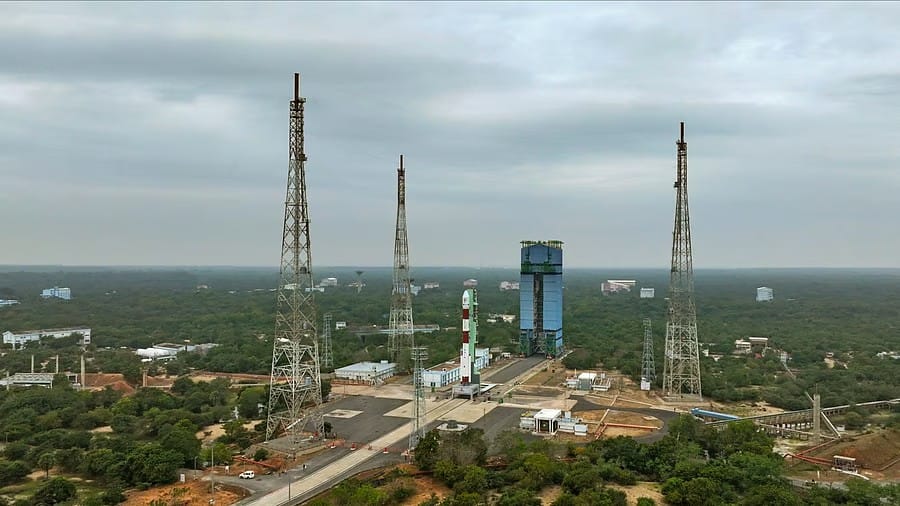
India's PSLV rocket flew from the Satish Dhawan Space Center, aiming for a sun-synchronous orbit, but was sadly lost during third-stage flight due to a lack of attitude control. The OS-N1 hyperspectral imaging satellite and fifteen rideshare satellites were lost due to the failure.
January 12th - Falcon 9 with Starlink Group 6-97
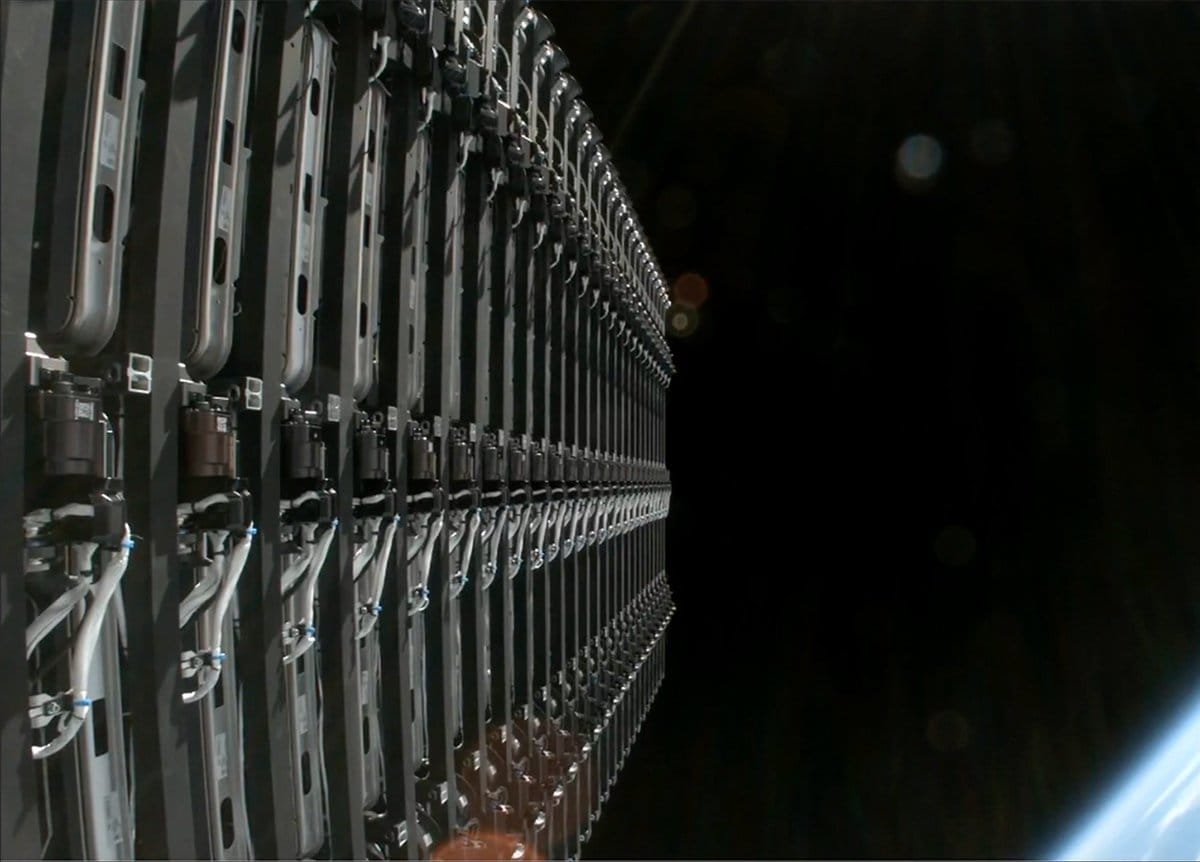
A Falcon 9 lifted off from Space Launch Complex 40, in Florida, carrying twenty-nine Starlink satellites into low Earth orbit. Supporting this mission was Falcon 9 booster B1078 for its twenty-fifth mission, landing downrange on the drone ship 'Just Read The Instructions'.
January 13th - Long March 6A with Yaogan-50-01
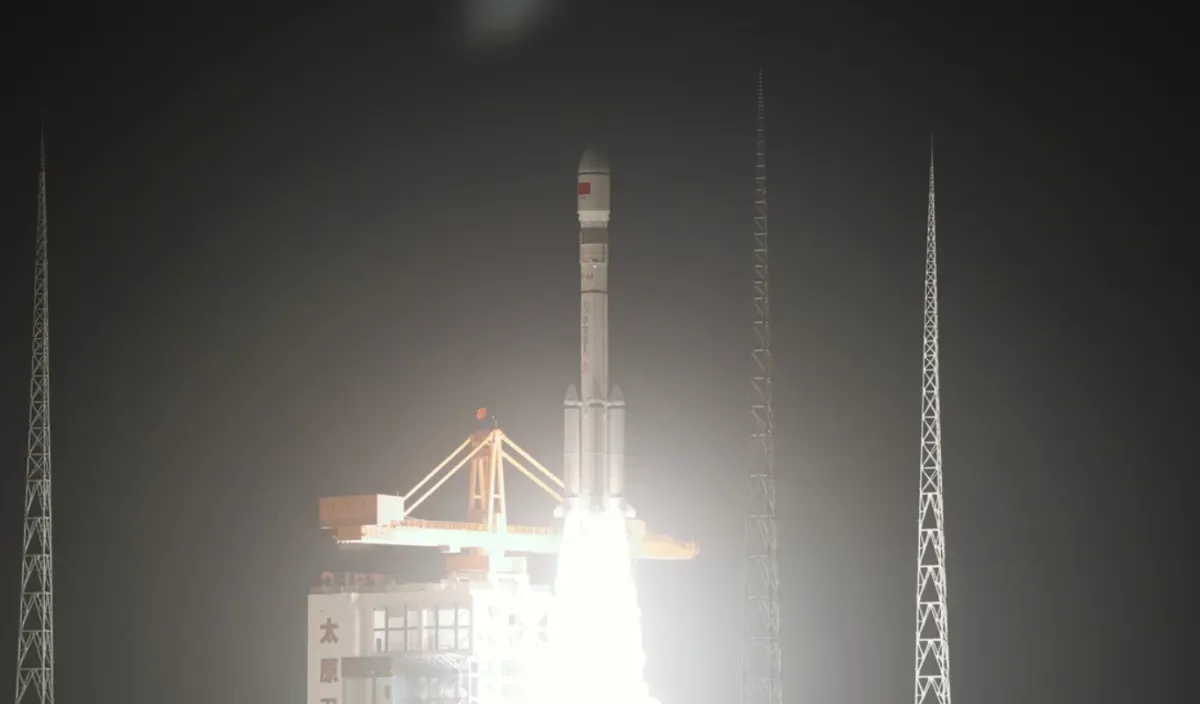
For China's first launch of the year, a Long March 6A blasted off from the Taiyuan Satellite Launch Center and into a retrograde low Earth orbit with the Yaogan-50-01 remote sensing satellite. The satellite is tasked with with land surveys, crop yield estimation, as well as disaster prevention and mitigation.
January 13th - Long March 8A with GuoWang Group 18
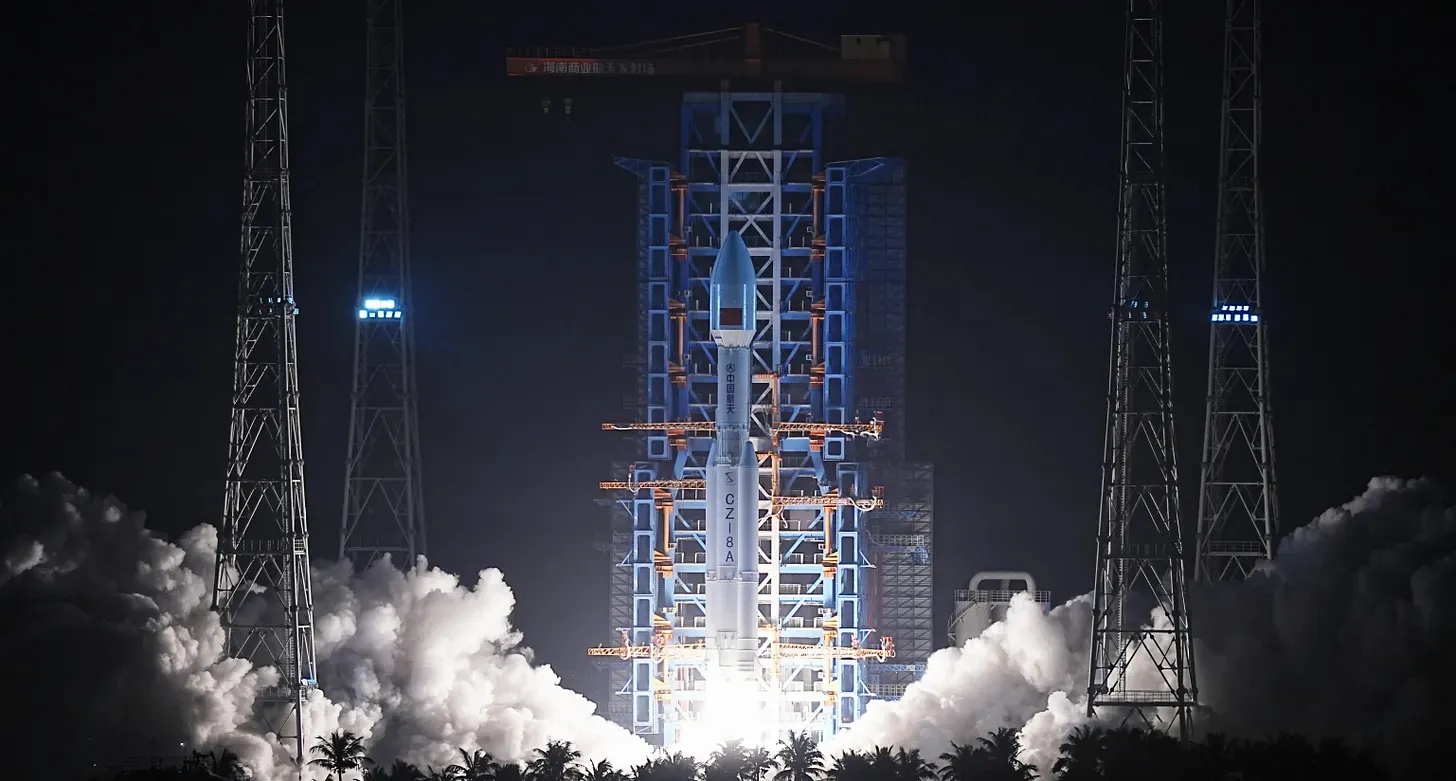
Out of the Wenchang Commercial Space Launch Site, a Long March 8A headed into low Earth orbit with nine GuoWang satellites for the connectivity mega-constellations eighteen batch. This launch brings the network up to 145 spacecraft.
January 14th - Falcon 9 with Starlink Group 6-98
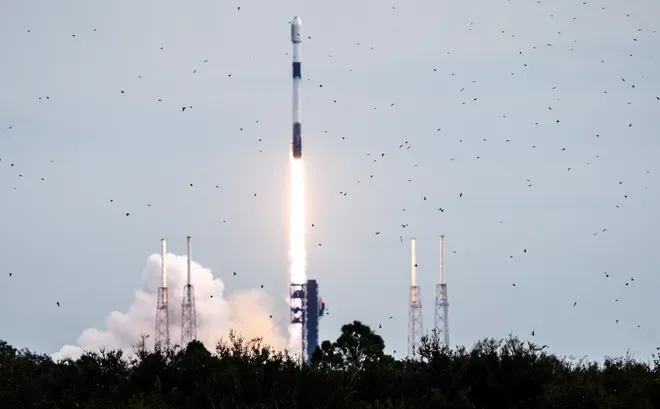
Another twenty-nine Starlink satellites were placed into low Earth orbit by a Falcon 9 departing from Space Launch Complex 40. Booster B1085 supported this mission for its thirteenth flight, with a landing on the drone ship 'A Shortfall Of Gravitas' downrange.
January 15th - Long March 2C with AlSat-3A
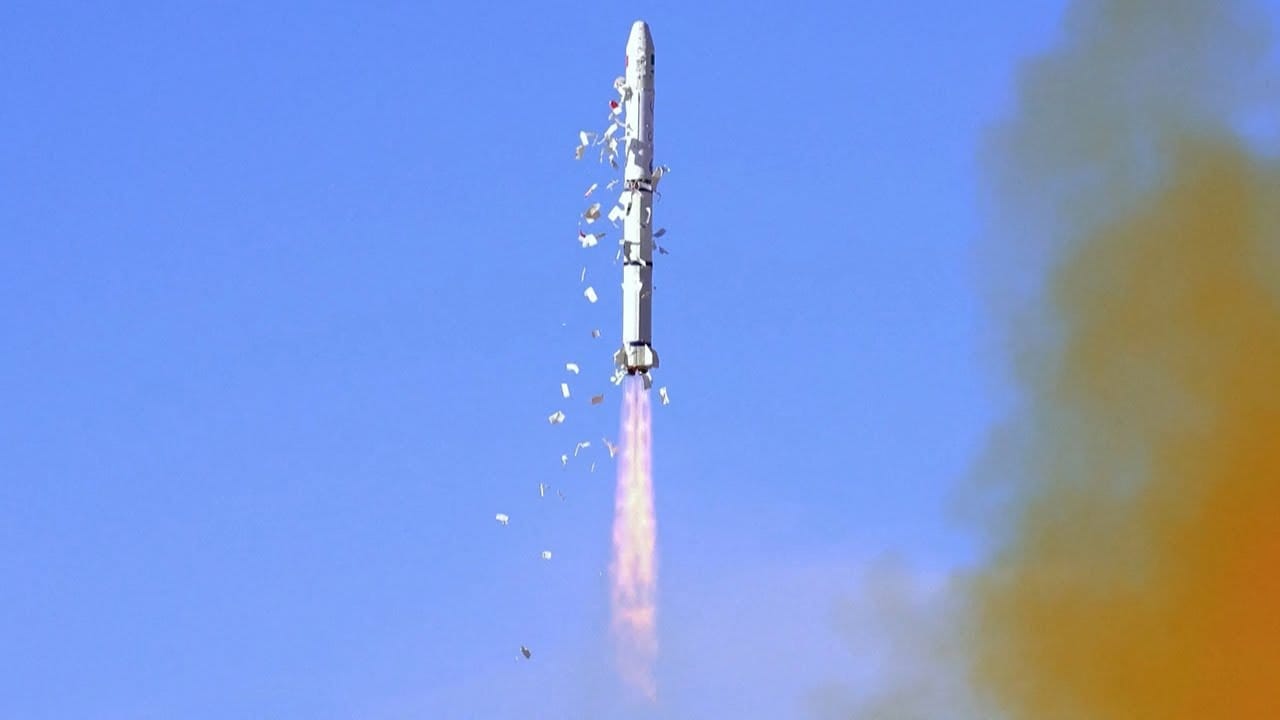
From the Jiuquan Satellite Launch Satellite, Algeria's Alsat-3A remote sensing satellite was delivered to sun-synchronous orbit by a Long March 2C. The primary use of the spacecraft is to support land-use planning as well as to enhance capabilities for disaster prevention and mitigation.
January 15th - Ceres-1S with four Tianqi satellites
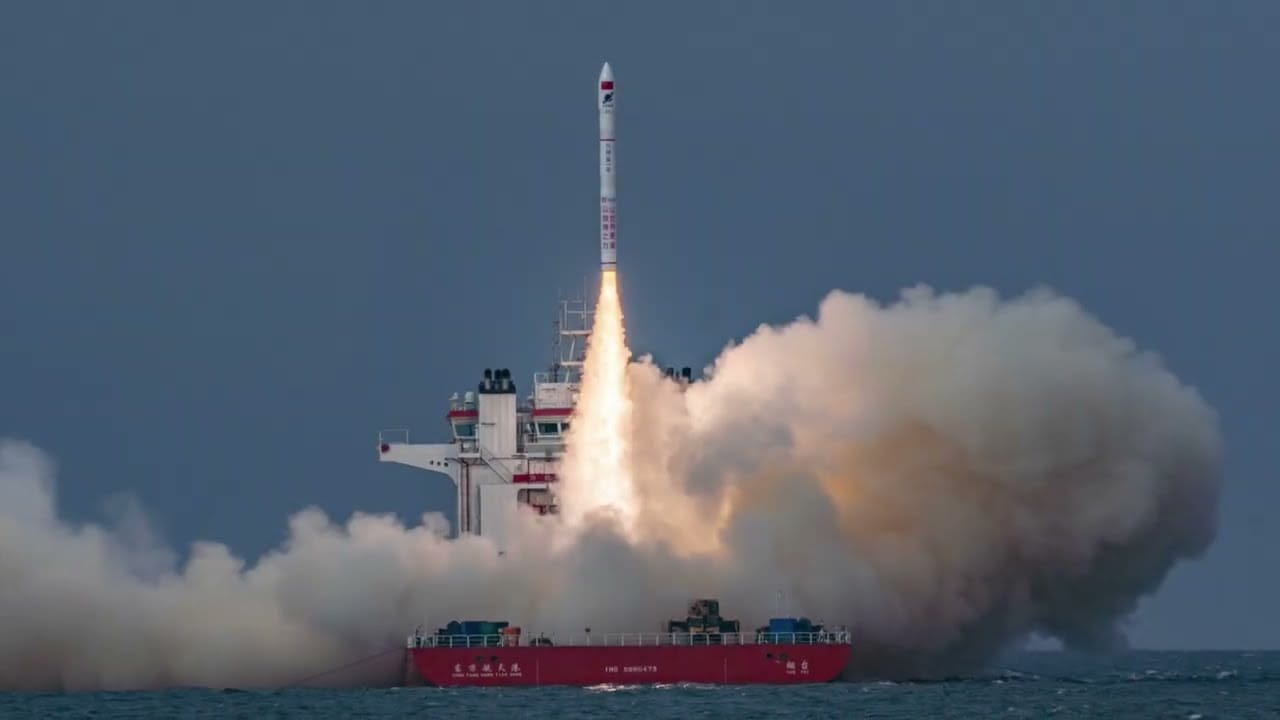
Galactic Energy returned its Ceres-1 launch vehicles to flight with a sea-launch off the coast of Rizhao, Shandong province, carrying four Tianqi satellites into low Earth orbit. The four satellites are from Guodian Gaoke and are part of an Internet of Things connectivity constellation.
January 16th - Long March 3B/E with Shijian-32
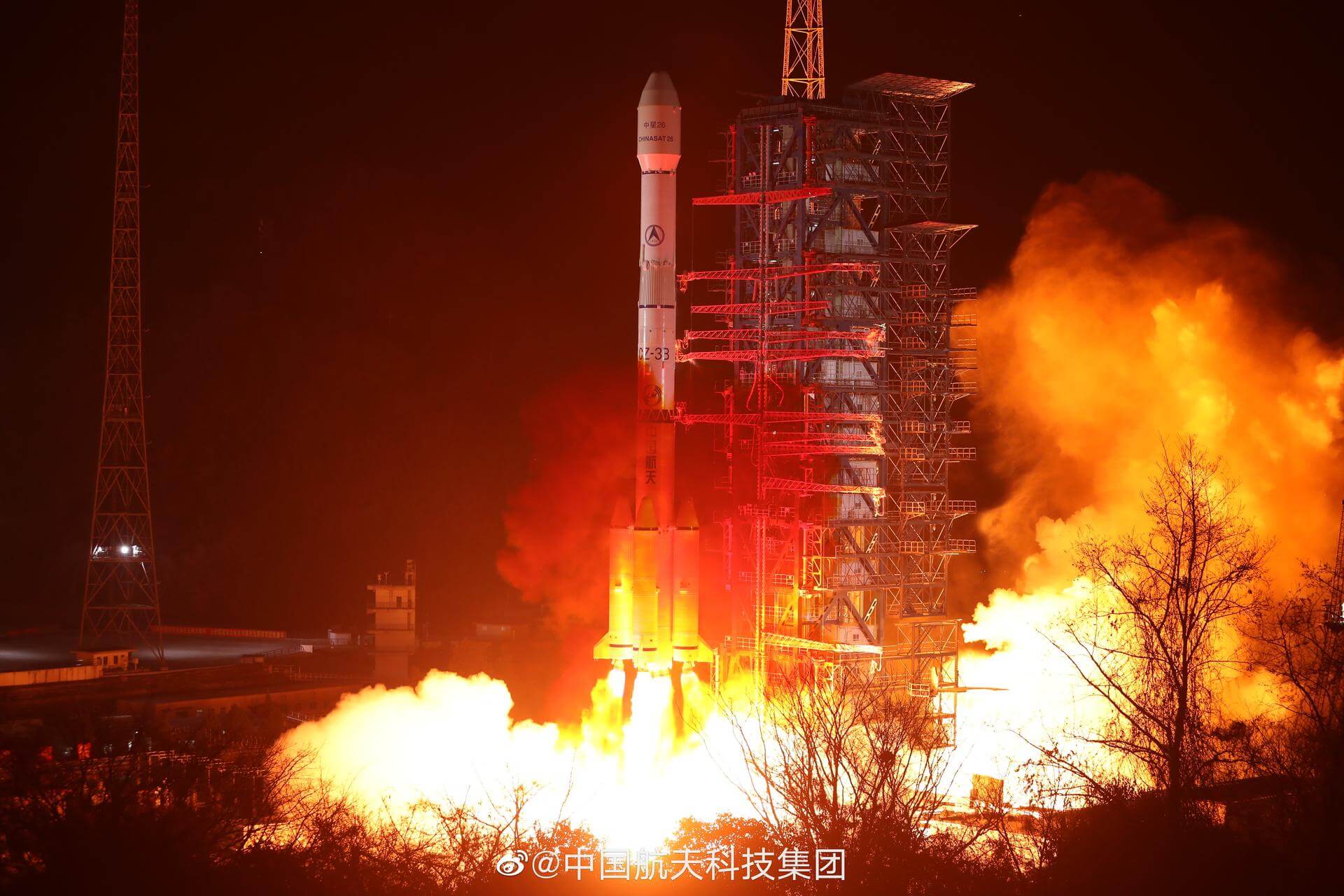
A Long March 3B/E flew out of the Xichang Satellite Launch Center, tasked with carrying the Shijian-32 technology testing satellite toward geostationary space. Sadly, the launch failed during third-stage flight, resulting in the rocket falling into the Pacific Ocean.
January 17th - Ceres-2 for its debut flight
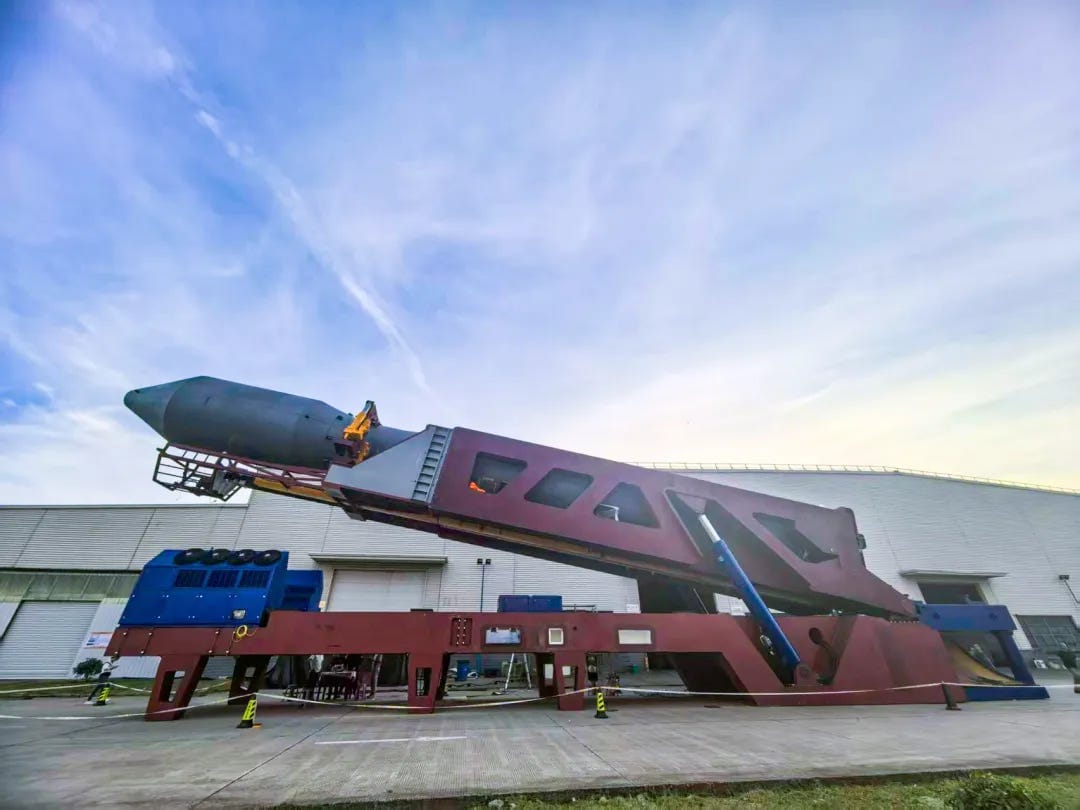
Galactic Energy was performing the debut flight of Ceres-2 rocket out of the Jiuquan Satellite Launch Center, looking to have it and a handful of payloads enter sun-synchronous orbit. Early into flight, the rocket deviated from its launch path and was terminated.
January 17th - Falcon 9 with NROL-105
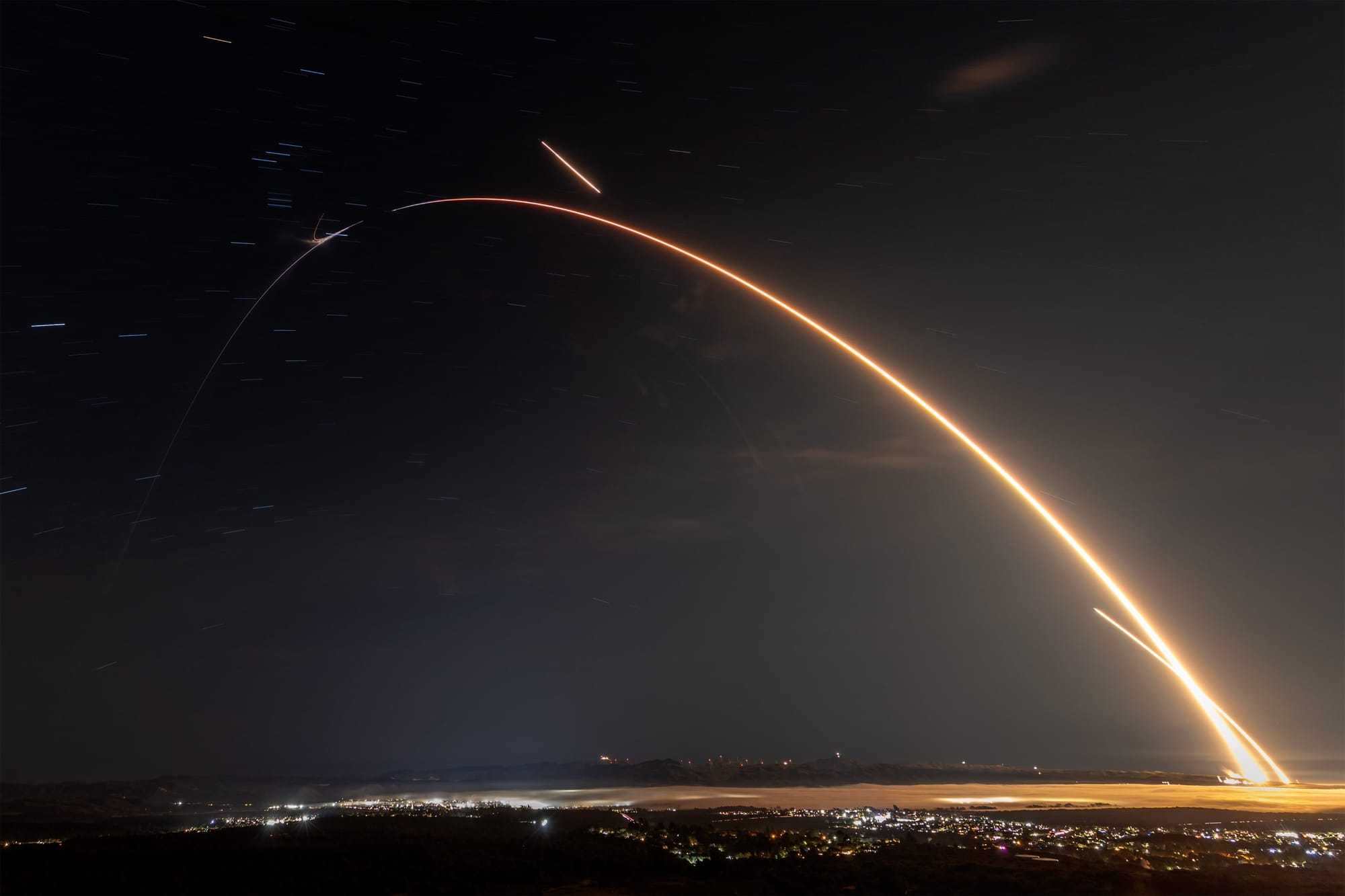
SpaceX delivered a batch of U.S. military satellites into Earth orbit by a Falcon 9 off of Space Launch Complex 4E. Supporting this launch was booster B1100 for its second mission, touching down at Landing Zone 4 afterwards.
In Other Space News
Space Launch System Rolls Out to Pad
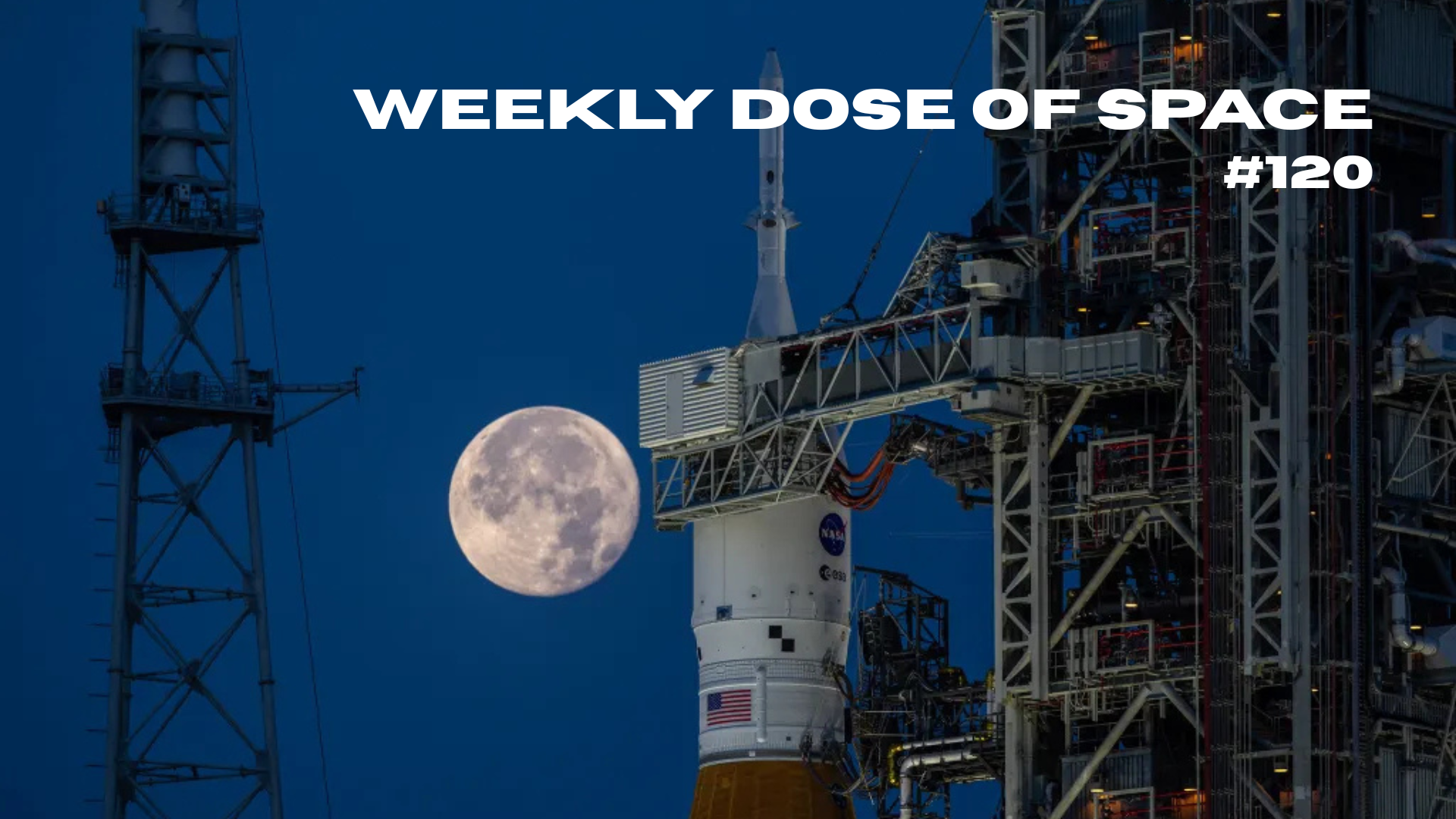
With Artemis II less than a month away, NASA completed a major milestone with the rollout of the Space Launch System (SLS) to Launch Pad 39B at Kennedy Space Center. Currently, NASA teams are targeting the February launch window, which runs from February 6th to the 10th.
Artemis II will be the first time humans return to the Moon's sphere of influence since the last Apollo mission in 1972. While Artemis II won't send Astronauts to the lunar surface, the three Americans and one Canadian will go further from Earth than any humans ever before.
Congress Saves NASA Science
In 2025, the Trump administration looked to cut the science budget by 47%. This cut would cancel or prematurely end dozens of missions. Earth Sciences would have faced the most severe drop in funding, with then acting administrator, Sean Duffy, claiming to want to focus on "space exploration." Contradicting a core part of what NASA was founded for.
The proposed cuts prompted industry-wide outrage, with organizations like the Planetary Society stepping in to lobby Congress and other politicians. The public support seems to have paid off, as just a few days ago, Congress announced the budget for fiscal year 2026, rejecting nearly all the proposed cuts. While there were still slight 1-2% cuts here and there, Congress saved 40 missions, thousands of jobs, and, crucially, out-of-this-world science.
What to Expect Next Week
January 18th - Falcon 9 with Starlink Group 6-100
SpaceX is preparing to launch a batch of Starlink satellites into low Earth orbit via a Falcon 9 out of Space Launch Complex 40.
January 19th - Long March 12 with a to-be-announced payload
A Long March 12 is expected to launch from the Wenchang Commercial Space Launch Site and into low Earth orbit, likely with a group of constellation satellites.
January 20th - Electron for 'The Cosmos Will See You Now'
Rocket Lab is set to carry two of Open Cosmos' broadband satellites into a polar orbit from the company's launch facilities on the Māhia Peninsula.
January 21st - Spectrum for 'Onward and Upward'
Isar Aerospace is planning to reach orbit for the first time with the second flight of its Spectrum rocket, carrying five satellites and an experiment.
January 22nd - Falcon 9 with Starlink Group 17-30
Another batch of Starlink satellites are expected to be delivered into low Earth orbit by a Falcon 9 flying from Space Launch Complex 4E.
January 22nd - New Shepard for NS-38
Blue Origin is planning to fly its New Shepard rocket on a suborbital flight in West Texas while carrying six passengers above the Kármán line.