Weekly Dose of Space (1/3-7/3)


Welcome back to Weekly Dose of Space! Last week once again saw five launches taking place, with a launch failure occurring in Japan. News of the week had NASA confirming its new upper-stage for SLS and LandSpace making progress on a powerful engine. As always, we'll also look ahead to what the worldwide launch schedule might look like next week.
Launches This Week
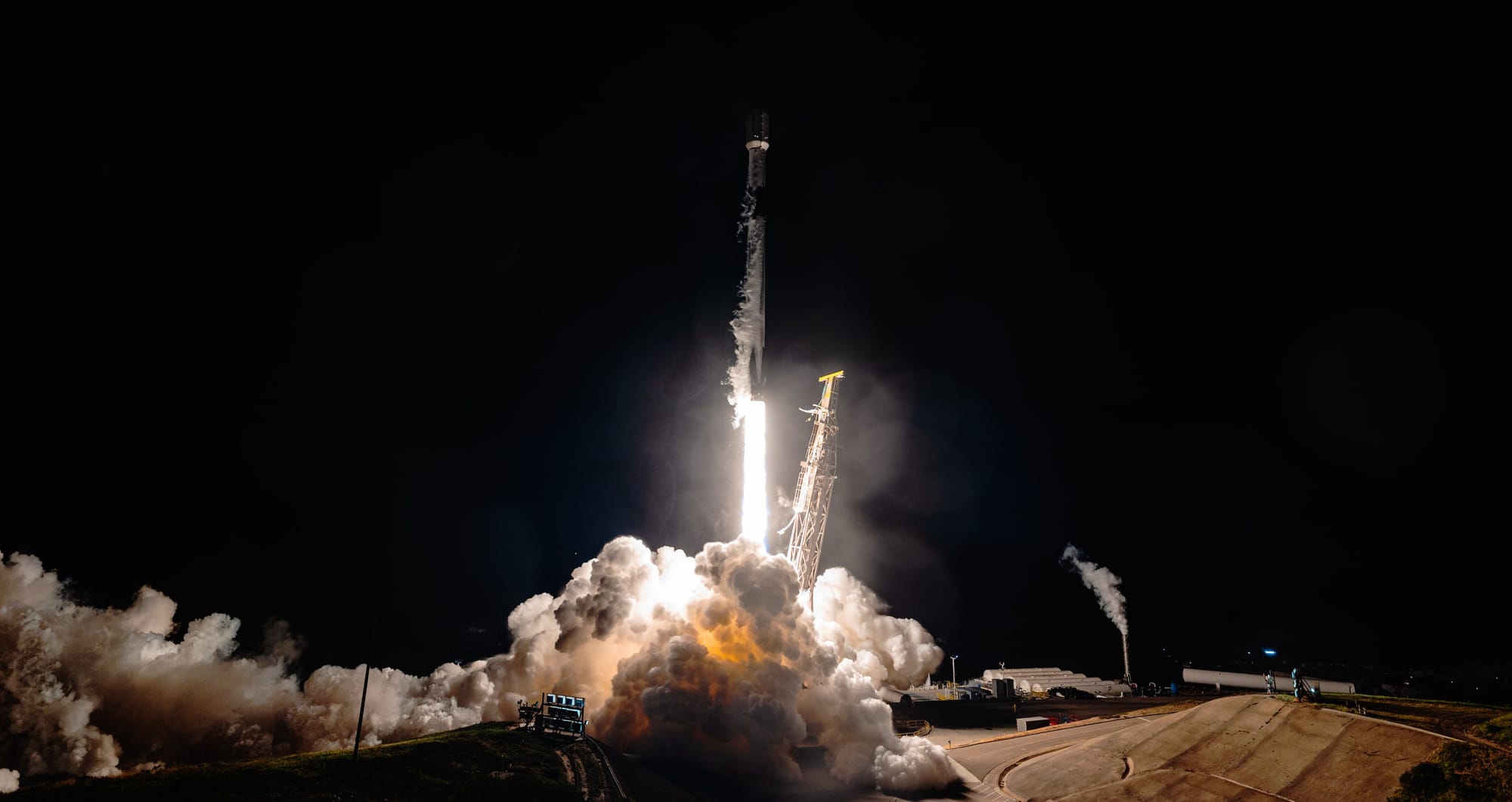
March 1st - Falcon 9 with Starlink Group 17-23
A Falcon 9 launched from Space Launch Complex 4E, in California, carrying twenty-five Starlink satellites into low Earth orbit. Supporting this mission was booster B1082 on its twentieth flight, landing downrange on the drone ship 'Of Course I Still Love You'.
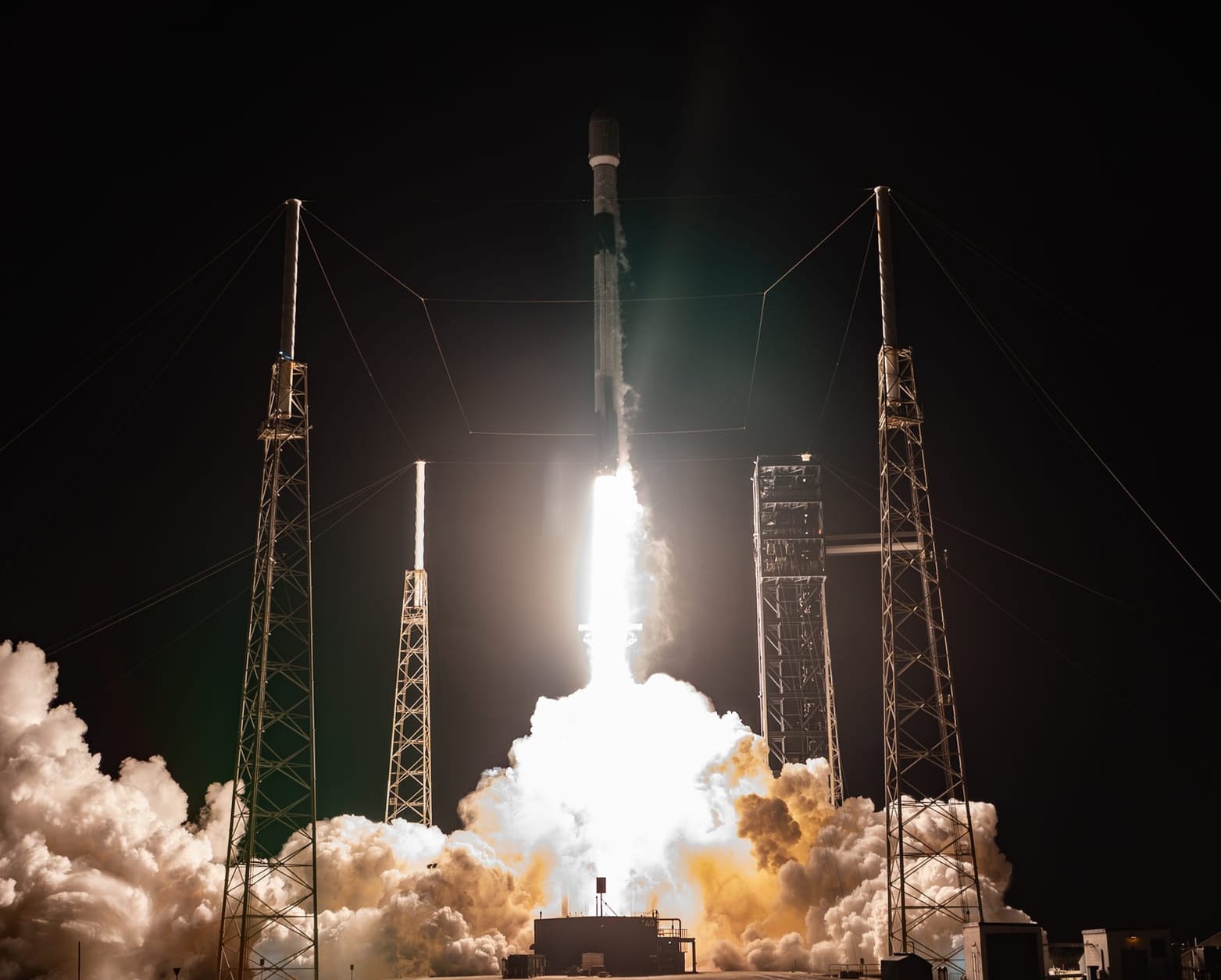
March 2nd - Falcon 9 with Starlink Group 10-41
Twenty-nine more Starlink satellites were placed into low Earth orbit by a Falcon 9 flying out of Space Launch Complex 40, in Florida. Booster B1078 supported this launch for its twenty-sixth flight, landing on the drone ship 'Just Read The Instructions' downrange.
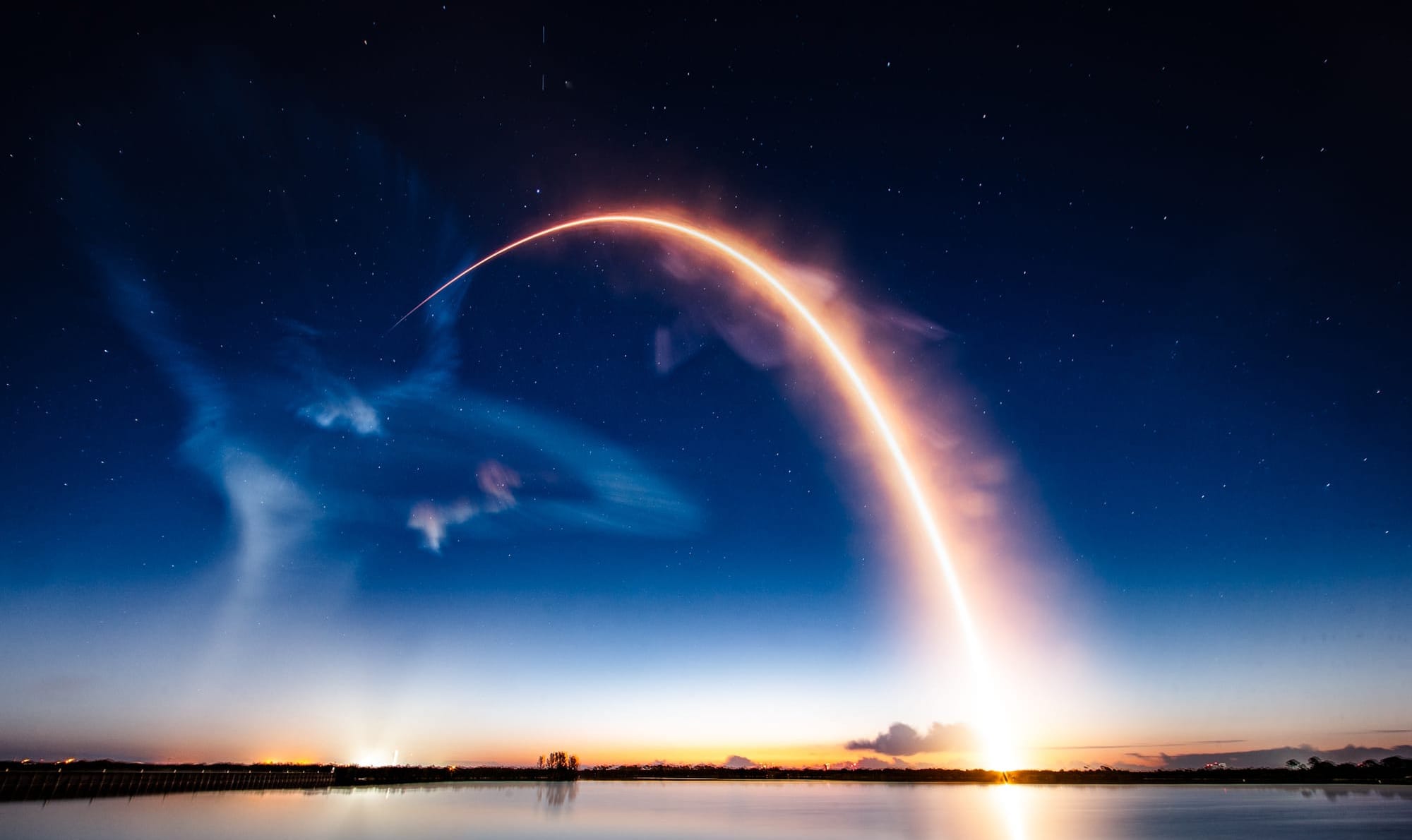
March 4th - Falcon 9 with Starlink Group 10-40
Another Falcon 9 lifted off from Space Launch Complex 40 to place twenty-nine Starlink satellites into low Earth orbit. Supporting this mission was booster B1080, flying for the twenty-fifth time and landing downrange on the drone ship 'A Shortfall Of Gravitas'.
March 5th - KAIROS with five satellites
Japan's Space One launched its KAIROS rocket from paceport Kii near Kushimoto in Wakayama Prefecture, aiming to fly into low Earth orbit with five customer satellites. Just over a minute after liftoff, the flight was terminated, making the remaining hardware and satellites fall into the Pacific Ocean.
March 5th - Electron for 'Insight At Speed Is A Friend Indeed'
Rocket Lab's Electron flew off of Launch Complex 1A, on the Māhia Peninsula in New Zealand, heading into low Earth orbit with a satellite likely belonging to BlackSky.
100% mission success pic.twitter.com/8nBg0YJbRn
— Peter Beck (@Peter_J_Beck) March 6, 2026
Electron lifting off from Launch Complex 1A on March 5th as seen from the launch pad, via Peter Beck on Twitter.
In Other Space News
Centaur V to be new SLS upper-stage
In a sole-source procurement contract published on March 6th, it was officially revealed that United Launch Alliance's Centaur V upper-stage, currently used on its Vulcan rocket, will be used as a new 'standard' upper-stage on NASA's Space Launch System (SLS) rocket. The move was widely expected following an announcement at the end of February, with the upper-stage to be used from the Artemis IV mission currently set for 2028.
NASA's justification for foregoing a competitive process of selecting the new SLS upper-stage was due to Centaur V's use of the same propellants currently burned on the Interim Cryogenic Propulsion Stage, as well as its use of an engine from the RL10 series. The second-stage of Blue Origin's New Glenn launch vehicle was also studied for potential use, but it was claimed that it would require too much modification to SLS' Mobile Launcher 1 and other hardware.
Centaur V itself will still require modifications, labelled by NASA to be minor and not detailed. Before its first use in two years, Centaur V would need its commodity and propellant attachment points moved elsewhere, or Mobile Launcher 1 would need new arms installed. Alongside that, the upper-stage would need to be strengthened to support Orion's weight of 35,380 kilograms with its launch abort system, as in its Vulcan using version Centaur V is designed to carry a maximum of 27,200 kilograms. SLS would also need a brand new interstage produced to place the upper-stage atop of the core stage.
LandSpace's BF-20 engine reaches full power
LandSpace's full-flow staged-combustion engine, BF-20, has reached 220 tons of thrust and conducted extended firings, of which over one hundred are said to have taken place
— Phazzee 🐼🚀 | 中国航天 🇨🇳 | 🇵🇸🏳️⚧️🏳️🌈 (@PhazzeeYeehaw) March 6, 2026
Details -> https://t.co/KcSW0W2Gh3 pic.twitter.com/uDPsxGai2T
LandSpace's BF-20 full-flow staged-combustion engine, which burns liquid methane and liquid oxygen, has managed to reach its full power, according to the company.
Tests in recent weeks have had the engine achieve 220 tons of thrust while running for extended periods of time to prove the reliability of engine systems. LandSpace did not provide any more details on the specifics of their testing with the BF-20.
A first firing of the BF-20 engine occurred ten months ago in May 2025. By September, the engine was stated as having fired thirty times, while only reaching half power. In the six months since then, the engine has surpassed one hundred test firings.
What to Expect Next Week
March 8th - Falcon 9 with Starlink Group 17-18
SpaceX is preparing to place a group of Starlink satellites into low Earth orbit from Space Launch Complex 4E via Falcon 9.
March 10th - Alpha for 'Stairway To Seven'
Firefly Aerospace's Alpha is expected to fly for the seventh time out of the Vandenberg Space Force Base, in California, to verify upgrades to the vehicle while being a return to flight mission.
March 10th - Falcon 9 with EchoStar XXV
Falcon 9 is set to head towards the geostationary transfer orbit carrying the EchoStar XXV broadcast satellite on behalf of DISH Network.
March 11th - Falcon 9 with Starlink Group 17-31
Another group of Starlink satellites is set to be launched atop of Falcon 9 from Space Launch Complex 4E and deployed into low Earth orbit.
March 12th - Falcon 9 with Starlink Group 10-48
From Space Launch Complex 40, a Falcon 9 will head into low Earth orbit with even more Starlink satellites.
March 13th - Long March 8A with a group of satellites
A Long March 8A is being prepared to launch from the Wenchang Commercial Space Launch Site with an unknown payload that is widely expected to be a group of satellites.
March 13th - Long March 2C or 2D with an unknown payload
At the Xichang Satellite Launch Center, a Long March 2C or Long March 2D is being readied for launch with an unannounced payload.