Trump Wants to Cut a Quarter of NASA Funding Days After Artemis Moonshot

Note: All funding figures are in United States Dollars.
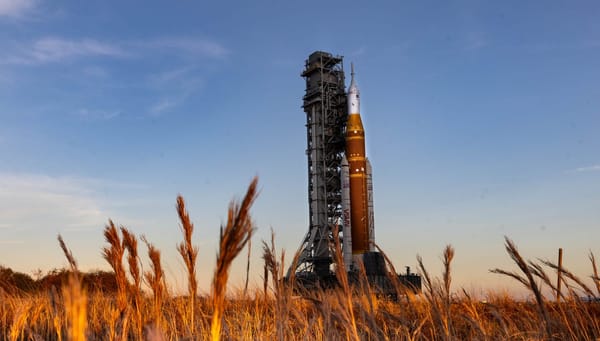
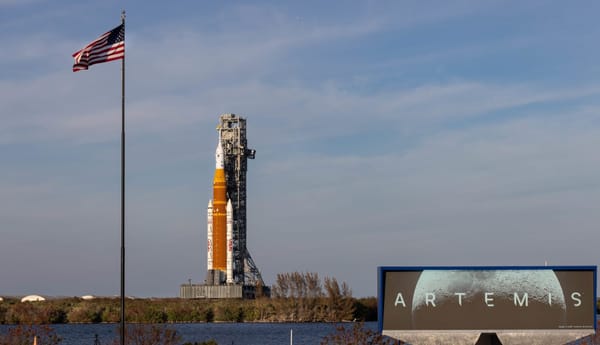
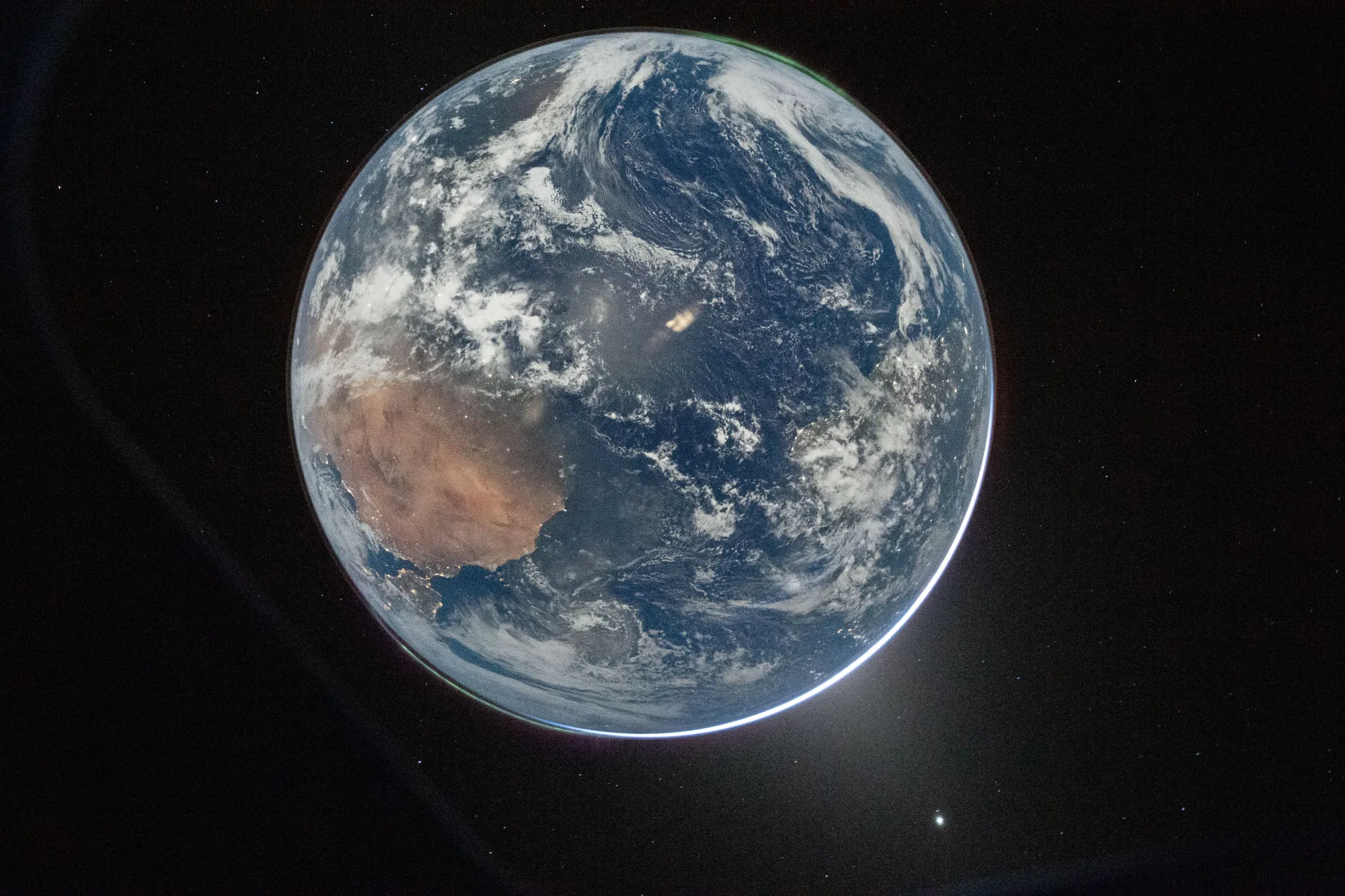
While the general public is paying attention to Artemis II heading out to the Moon for the first time in just over fifty-three years (taking stunning photos too), the Trump Administration is attempting to implement massive cuts to NASA for the second year in a row.
The U.S. Presidential Budget Request for Fiscal Year 2027 was released on April 3rd, and it outlines that up to $5.6 billion, twenty-three percent of the current budget, should be cut from NASA if the Trump Administration gets its way.
The vast majority of the proposed cuts, to the tune of $3.4 billion, were targeted at the space agency's science directorate, like last year, to terminate forty ongoing missions, which the White House chose not to name. One mission eliminated is the Mars Sample Return mission, a collaboration with the European Space Agency that Congress chose not to fund in January.
$1.1 billion is planned to be cut from the International Space Station program, primarily aimed at reducing funding for maintenance of the orbiting laboratory, as well as transporting people and cargo to it. The rationale for reducing funding is to shift focus to commercially-operated stations, which NASA itself says has a significant chance of not happening. Alongside that $297 million in space technology funding is aimed at being cancelled, specifically regarding space sustainability efforts to remove or mitigate orbital debris.
STEM engagement is also outlined to be completely terminated, again, disallowing NASA to promote education about their mission and space to U.S. students.
The Planetary Society quickly shared a press release urging Congress to act against the cuts, with part of it stating:
"The White House's budgeting office has put forward the same budget cuts to NASA and NASA Science that were rejected by overwhelming bipartisan majorities in Congress last year. This proposal needlessly resurrects an existential threat to U.S. leadership in space science and exploration."
The American Astronomical Society published a similar release, adding:
"If enacted, these funding levels would signal an abdication of US leadership in the astronomical sciences. Continued uncertainty surrounding our science agencies jeopardizes our ability to recruit and retain a highly skilled workforce and stifles our nation's ability to innovate, explore, and answer fundamental questions about the universe."
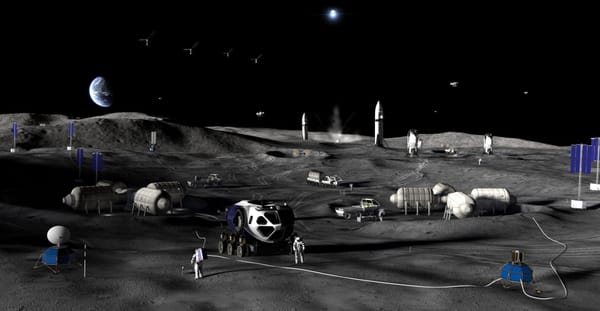
Some new funding is desired by the budget request, with an $731 million increase to the Artemis program and $175 for robotic missions to the Moon to start work on a lunar base. Both of those efforts were recently reorganized and prioritized by NASA Administrator Jared Isaacman.
During last year's attempted NASA cuts, Acting NASA Administrator Sean Duffy was highly supportive of the significant defunding. Administrator Isaacman will likely adopt a similar line of public messaging.
NASA Administrator Jared Isaacman: "We're gonna build President Trump's moon base"
— Aaron Rupar (@atrupar.com) 2026-03-24T13:18:34.903Z
NASA Administrator Jared Isaacman telling Fox News that the space agency will build Trump's Moon base, via Aaron Rupar on Bluesky.
In taking $5.6 billion from NASA, the Trump Administration plans to increase U.S. military spending by forty-two percent to $1.5 trillion. That comes alongside a Pentagon request for $200 billion to fund the war against Iran, which is now passing its fifth week of conflict out of a planned couple of days of strikes.
At present, the Presidential Budget Request is not law. Over the coming months, the U.S. House and Senate will decide on the outcome of the national budget and how to fund NASA. 2026's NASA budget was almost completely restored by lawmakers.