NASA Declares Unsuccessful Starliner Crewed Flight Test a Major Mishap

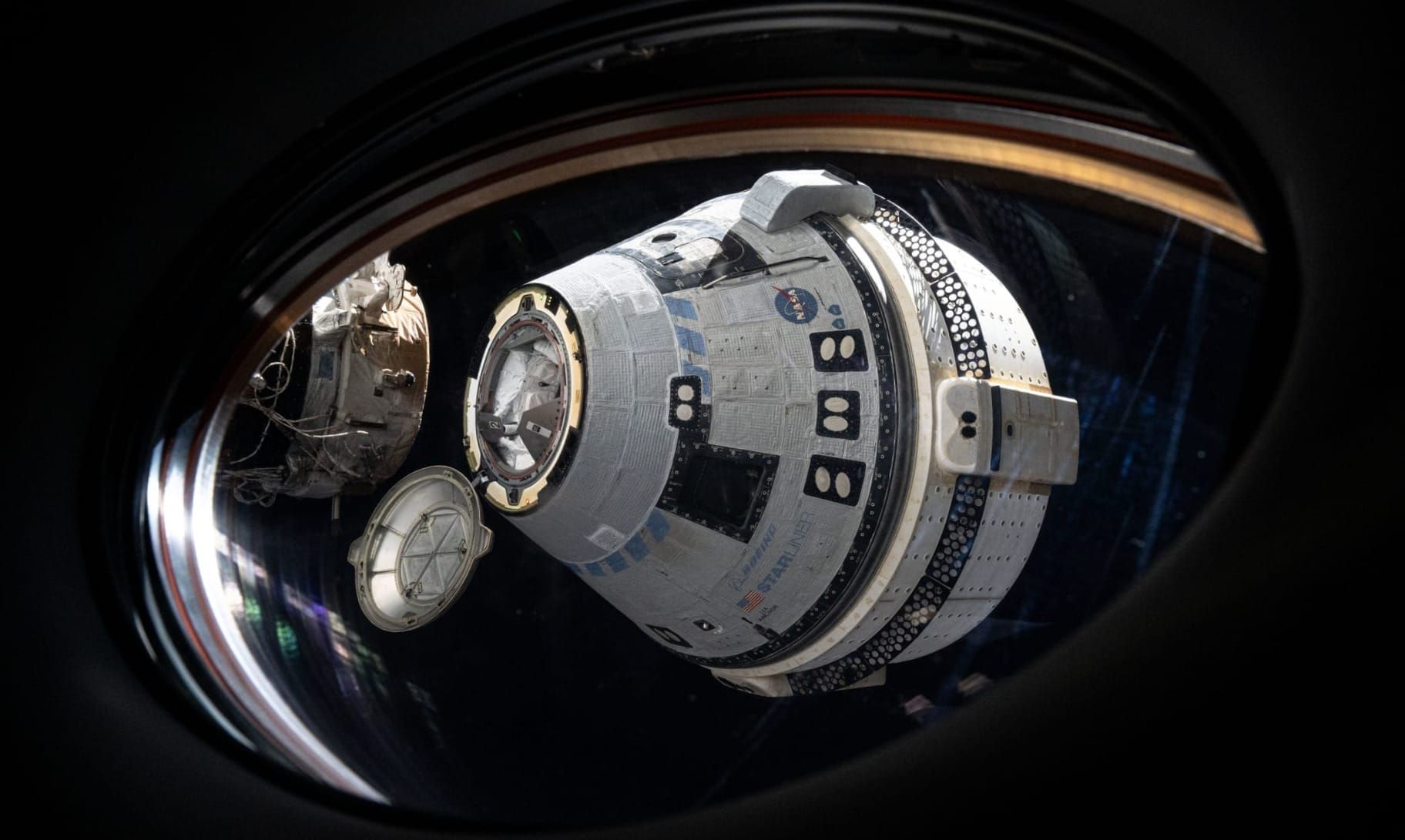
Boeing's Starliner flew its crewed flight test back in 2024 between June and September, carrying astronauts Sunita Williams and Barry Wilmore, to the International Space Station. Citing thruster issues at the time, Starliner returned to Earth uncrewed while its astronauts headed back months later aboard SpaceX's Crew Dragon.
Yesterday, February 19th, NASA released its report on the flight test, declaring it a highest-level mishap under the space agency's classification system, stating:
"NASA has classified the test flight as a Type A mishap. While there were no injuries and the mission regained control prior to docking, this highest-level classification designation recognizes there was potential for a significant mishap."
Within the 310-page post-mission report, several hardware and organizational failures were highlighted. For hardware, several thrusters failed during docking to the space station, another failed during uncrewed descent to Earth (resulting in zero-fault tolerance to continue), while helium leaked from all but one service module helium manifolds. Regarding organizational failures, NASA highlighted mistrust between their teams and Boeing due to selective data sharing and inconsistent transparency, overlapping roles between the two resulting in unclear leadership, an overly risk-tolerant leadership that prioritized success, and inadequate expertise within Boeing from a reliance on subcontracting.
As part of an investigation into what went wrong, NASA found that Starliner's propulsion system did not undergo mission-representing testing, data from previous flight tests anomalies were lacking due to insufficient onboard storage, unresolved anomalies from prior flight tests were accepted and appeared in the crewed flight test, and Boeing's subcontractor's hardware data was limited to the space agency. Additionally, the report criticized Starliner's limited space hardware and reliance on United Launch Alliance's retiring Atlas V rocket for delivery into low Earth orbit.
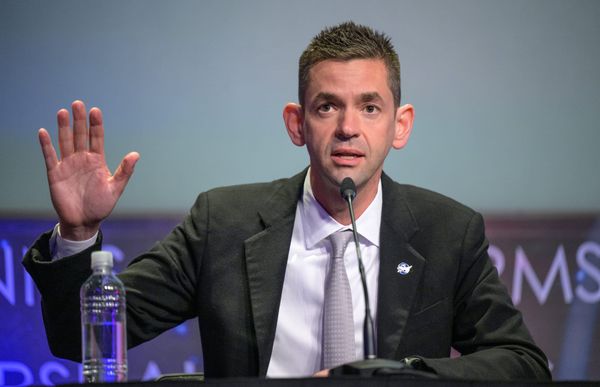
At present, NASA says they are working with Boeing to resolve Starliner's technical and organizational issues before flying the spacecraft again. In an internal letter that was later shared openly, Jared Isaacman, NASA's Administrator, vowed that astronauts would not fly aboard the spacecraft until 'appropriate recommendations' were implemented.
Back in November 2025, the space agency announced that the next Starliner mission would not carry any crew, while reducing total future flights to the International Space Station to four from six. For now, SpaceX's Crew Dragon is the only U.S. spacecraft capable of carrying astronauts to the space station, which it has done twelve times for NASA.