NASA Reorganizes Future Artemis Missions, SLS Rocket

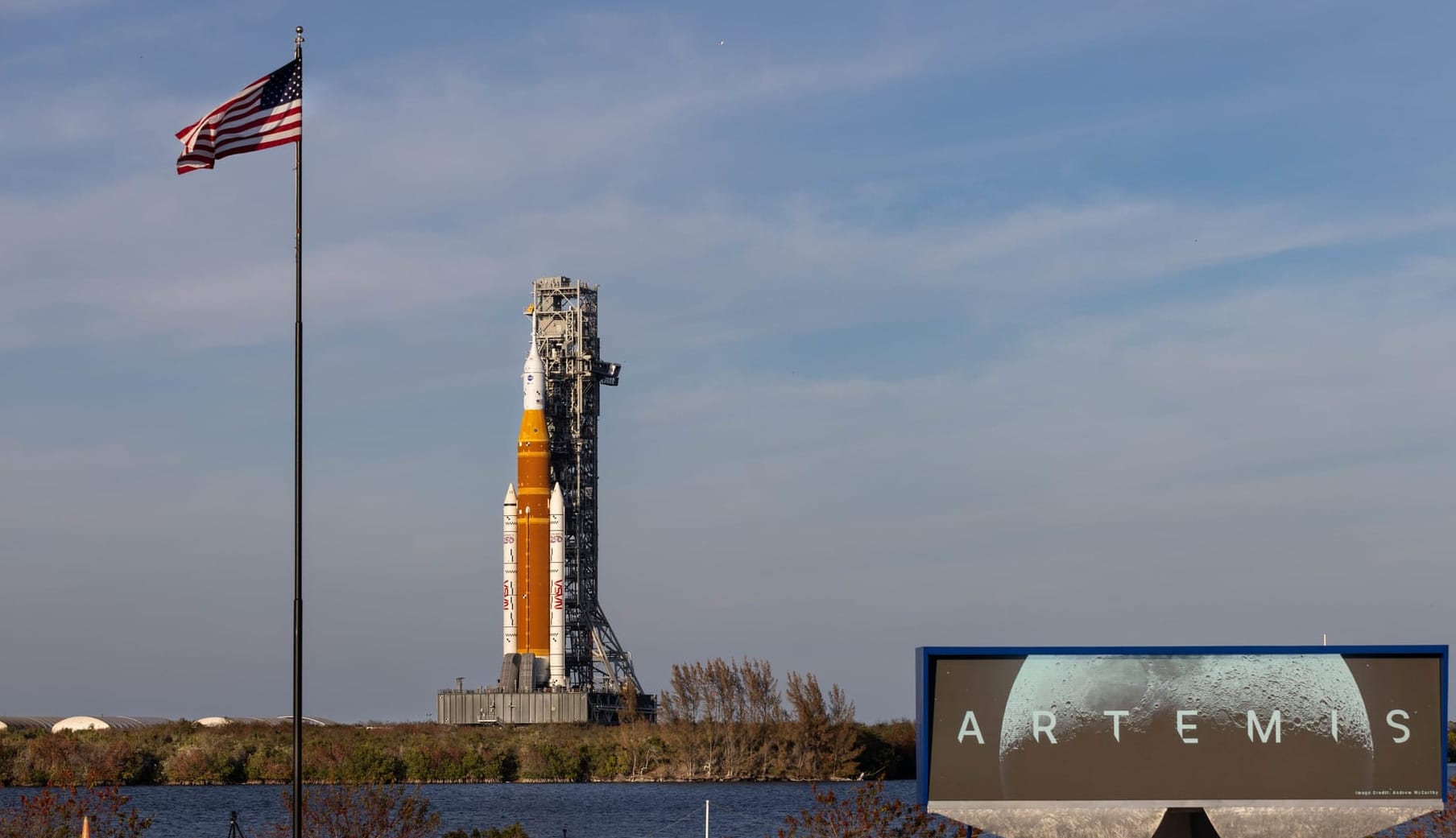
At a press conference on February 27th, NASA announced sweeping changes to its Artemis program, which aims to send Americans, Canadian's, and European's around the Moon and onto the surface. Changes announced were:
- Artemis III will now fly into low Earth orbit, instead of going to the Moon to land, and dock with contracted lunar landers for testing in 2027.
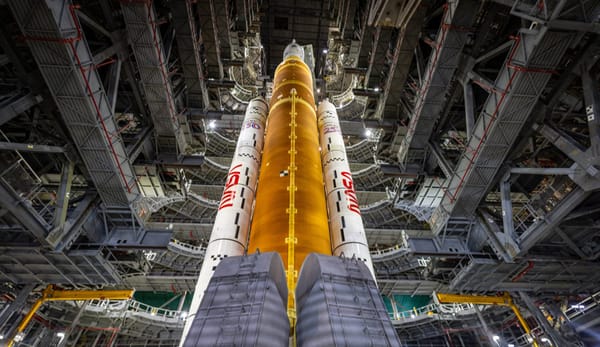
- Missions using the Space Launch System (SLS) rocket starting with Artemis IV will use a new 'standardized' upper-stage instead of the contracted, and in-production, Exploration Upper Stage.
- Artemis IV will now be the first lunar landing mission in 2028, with a goal of Artemis V flying that same year.
- SpaceX and Blue Origin will 'accelerate' development of their lunar landers.
The upcoming Artemis II mission, carrying NASA astronauts Reid Wiseman, Victor Glover, and Christina Koch, and Canadian Space Agency astronaut Jeremy Hansen, is expected to occur uneffected as early as April.
In defence of the shakeup to the Artemis program, NASA Administrator Jared Isaacman shared the following in an agency press release:
"NASA must standardize its approach, increase flight rate safely, and execute on the President’s national space policy. With credible competition from our greatest geopolitical adversary increasing by the day, we need to move faster, eliminate delays, and achieve our objectives."
Amit Kshatriya, NASA's Associate Administrator, added on:
"There is too much learning left on the table and too much development and production risk in front of us. Instead, we want to keep testing like we fly and have flown. We are looking back to the wisdom of the folks that designed Apollo. The entire sequence of Artemis flights needs to represent a step-by-step build-up of capability."
The reorganization of Artemis and design change to SLS is driven by an American desire to put astronauts on the Moon, as part of a so-called 21st-century 'Moon race', this decade ahead of China's lunar program, which has seen steady progress since its announcement in 2023. Awkwardly for America, China doesn't care about racing to the Moon and is going at its own pace.
A band-aid solution
With regards to 'winning' the current so-perceived Moon race, shaking up the design of SLS has fixed nothing. In the Artemis plans, SLS and the Orion spacecraft have been proven to work; what hasn't are lunar landers sourced from SpaceX and Blue Origin. Both of those landers have a slow or stagnant development.
Selected in 2021, SpaceX is contracted to modify its Starship spacecraft into an astronaut-carrying lunar lander, with its architecture dependent on many, many refueling flights in low and high Earth orbit. Currently, Starship has yet to even fly into orbit, let alone prove a basic version of its refueling system between two Starships. 2025 was meant to prove out that capability, and it was not as three out of five missions failed during ascent out of the atmosphere. Due to that, NASA's own safety panel doesn't expect the SpaceX-made lunar lander to be ready on time, possibly not even in this decade.
Contracted in 2023, Blue Origin is also developing a crewed lunar lander as part of its Blue Moon spacecraft line. Progress shared on the development of a crewed Blue Moon has been extremely limited, but the uncrewed Blue Moon MK1 has been progressing well through tests on Earth ahead of a first mission this year. At present, the first MK1 lander is undergoing testing at the Johnson Space Center, in Texas.
Endurance, our MK1 lunar lander, has entered Chamber A for approximately 11 days of TVAC testing to simulate the extreme thermal and vacuum conditions it will experience in space and on the lunar surface. Thanks to the team @NASA_Johnson for the collaboration as we reach this… pic.twitter.com/UrMz0yrbqv
— Dave Limp (@davill) February 13, 2026
Blue Origin's Blue Moon MK1 lunar lander being prepared for thermal testing in mid-February, via Dave Limp on Twitter.