Japan's KAIROS Fails to See Space for Third Time With Another Failure

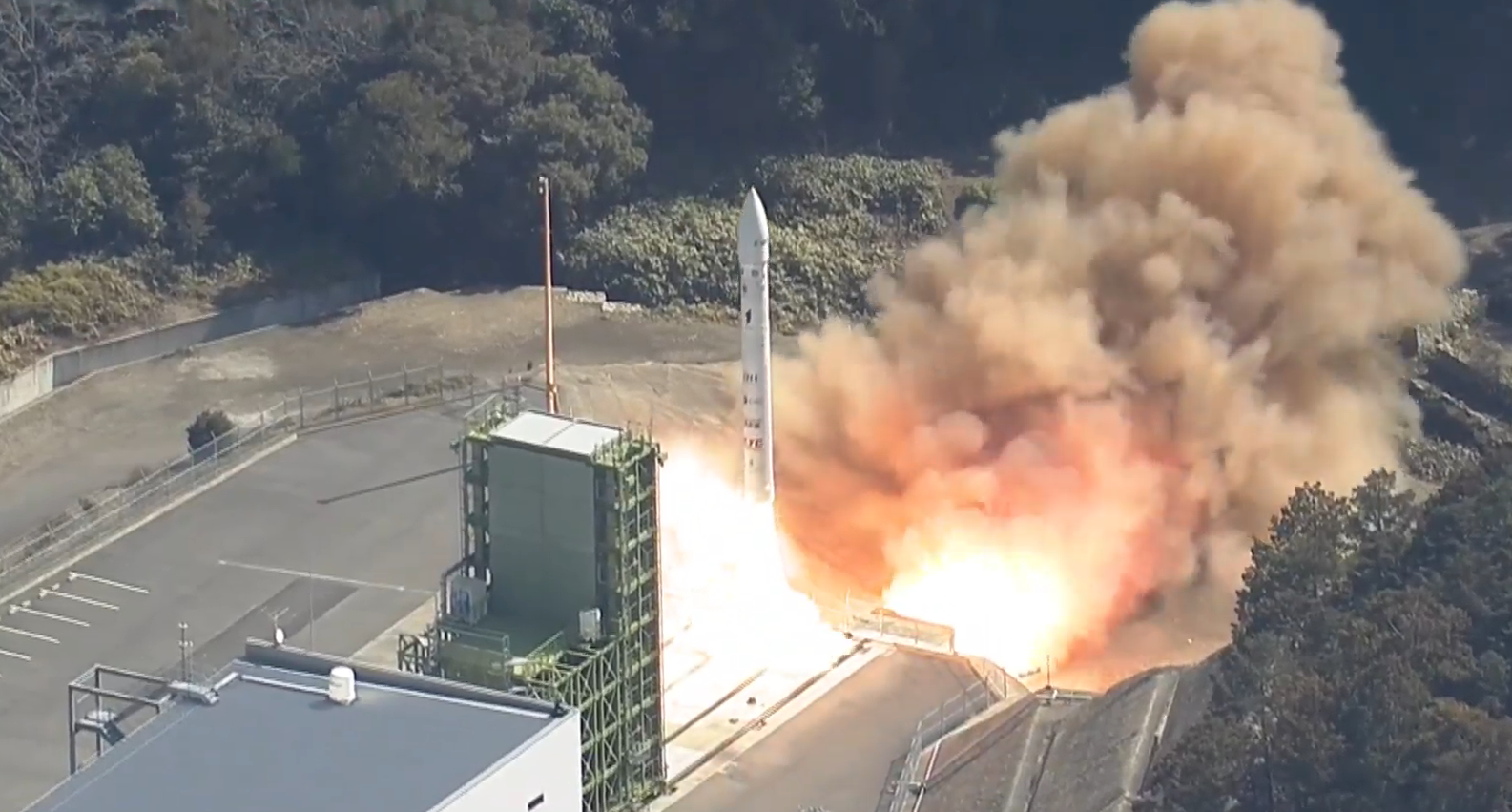
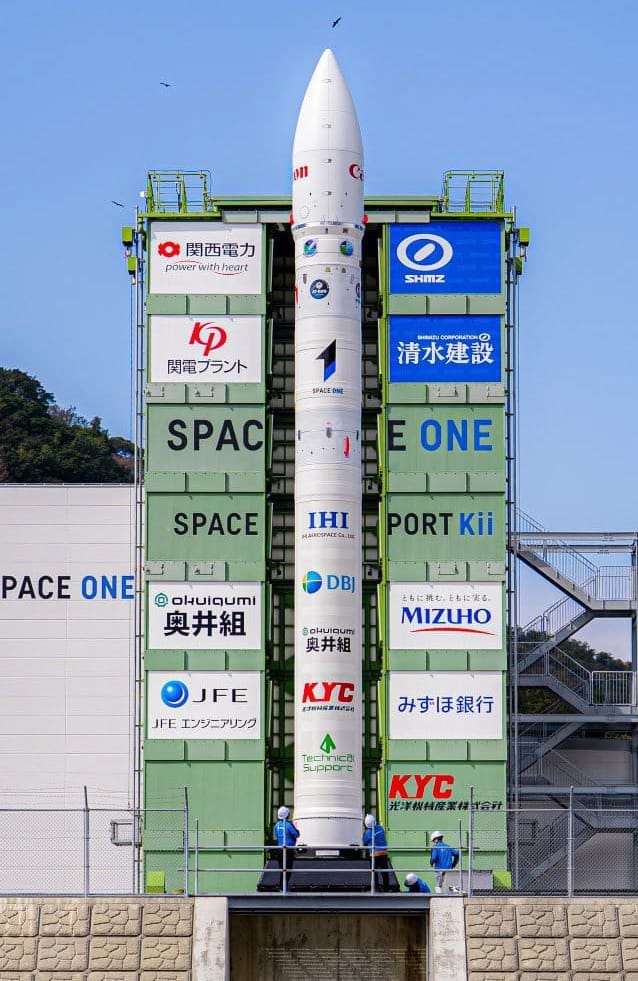
KAIROS, a privately developed launch vehicle from Japan's Space One, performed its third flight on March 5th, blasting off at 02:00 am Universal Coordinated Time, after launch scrubs on the 1st and 4th, from Spaceport Kii near Kushimoto in Wakayama Prefecture.
Following liftoff, the launch vehicle's first stage powered flight for around one minute. During that minute, KAIROS was observed to have taken a sharp turn along its launch path, with a puff of smoke and tumbling hardware spotted afterward. The puff of smoke was the vehicle's flight termination system activating at an altitude of 29 kilometers, resulting in KAIROS and its customers' satellites falling into the Pacific Ocean.
🚨BREAKING! Japan's SpaceOne KAIROS Rocket Launch Ends In Failure🚨
— The Launch Pad (@TLPN_Official) March 5, 2026
Space One’s KAIROS No. 3 rocket suffered an anomaly during first stage flight following liftoff on March 5, 2026 at 11:10 a.m. local time from the Kii Spaceport in Japan.
According to the company, the vehicle… pic.twitter.com/UFrYMJ0rhg
A leading theory presented by Space One after launch was that KAIROS' automated flight termination system may have activated unintentionally, a similar scenario to what happened with the vehicle's first flight.
Masakazu Toyoda, President of Space One, apologized to customers for the launch failure, stating:
"It may appear we've regressed compared to last time, but we have steadily accumulated know-how and experience, and we believe we have made progress. We will implement necessary improvements, connect them to the next flight, and steadily advance toward realizing space transportation services."
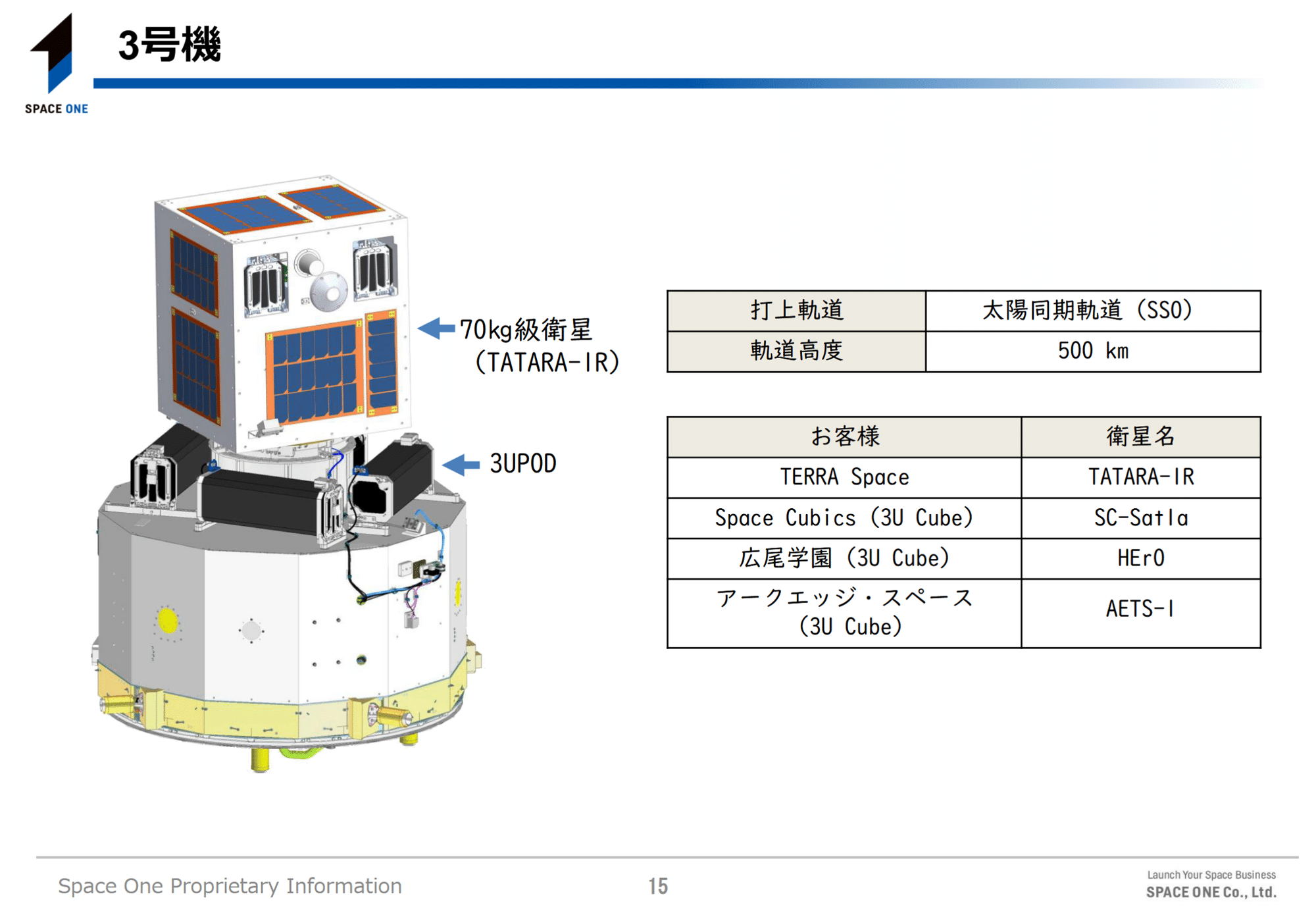
Five satellites from paying customers were atop of KAIROS for its failed launch, they were:
- TATARA-1R from Terra Space inc. was a 70-kilogram technology demonstration satellite.
- SC-Sat1a developed by Space Cubics Inc. was planned to demonstrate computing in space within a 3U CubeSat form factor.
- HErO from Hiroo Hakuen Junior & Senior High School was going to be an educational outreach satellite with ground observable LEDs onboard for optical communication.
- AETS-1 from ArkEdge Space Inc. was set to demonstrate a satellite computer's advanced reprogrammability.
- Nutsat-3 from the Taiwan Space Agency was going to conduct radio transmission experiments for amateur radio communications.
Today's KAIROS failure was the third in its history. So far all of its attempts to reach orbit have failed, as the first, in March 2024, was lost due to an early triggering of the flight termination system, and the second tumbling during second-stage flight in December 2024.
If KAIROS were to reach orbit, it is claimed to be capable of carrying 250 kilograms of payload, stored within a 1.5-meter-diameter fairing, to a 500-kilometer low Earth orbit. Powering flight into orbit are three solid-fuelled stages, and a liquid propellant fourth-stage that enables accurate orbital insertion. On the launchpad, the vehicle stands 18 meters tall and 1.35 meters wide across its three solid stages.
In the lead-up to KAIROS' third launch, Space One successfully raised 80 million Yen (509,590 United States Dollars) in crowdfunding to support the launch. The crowdfunding resulted in the vehicle and its integration facilities at Spaceport Kii being covered in the logos of companies that provided funding.