Japan's H3 Rocket Returns With Flight of New Variant

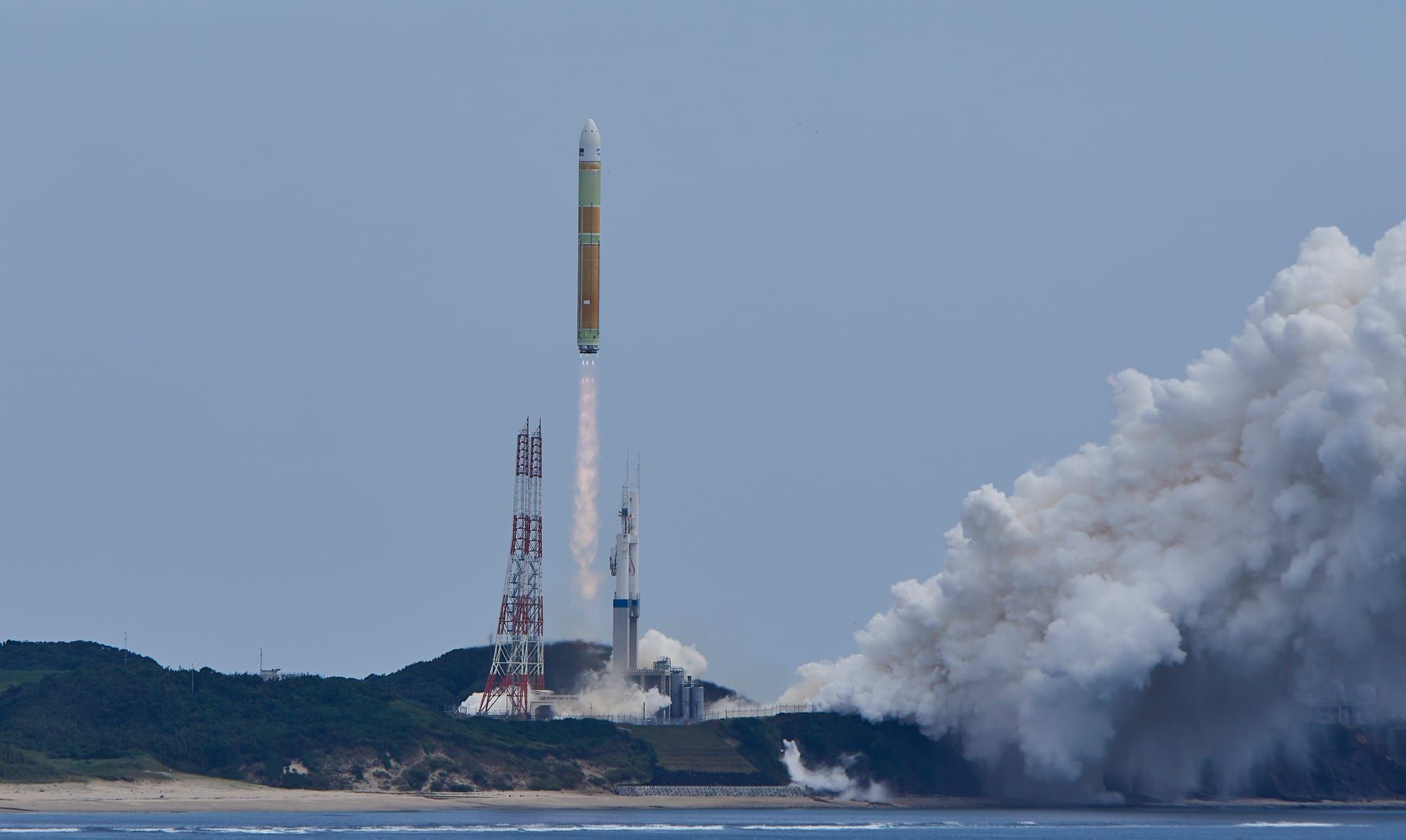
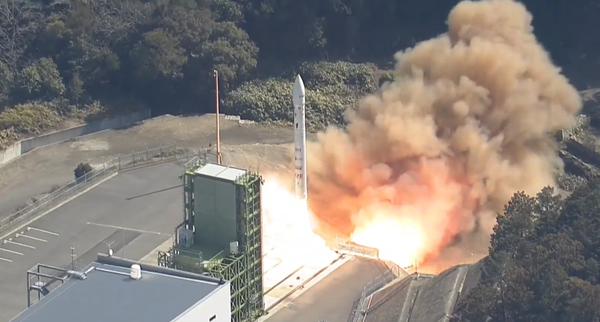
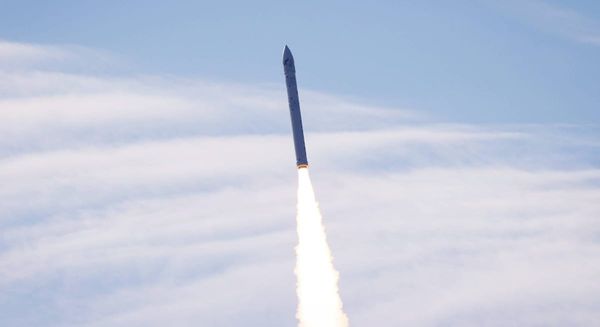
Departing from the Tanegashima Space Center, Kagoshima Prefecture, in the early hours of June 12th, Japan's H3 rocket returned to space as part of its eighth launch to date, with the test flight of a new variant into sun-synchronous orbit.
Powering first-stage flight were three LE-9 liquid hydrogen and liquid oxygen burning engines and no solid rocket boosters, making the first H3-30 designation (standing for the number of first-stage engines and solid rocket booster count). Those three engines collectively generated about 450 tons of thrust for two and a half minutes, bringing the rocket outside of the atmosphere for stage separation. Separation allowed the LE-5B-3 engine of the second-stage to ignite and burn the same propellants for just over twelve minutes to bring itself and a few payloads into orbit.
Six satellites were attached to the H3 rocket for the flight, via the 1,500 Vehicle Evaluation Payload-5 atop a standard payload adapter, and were:
- STARS-X, a 65-kilogram demonstration satellite from Shizuoka University to prove space debris removal via a tether. To do that, the satellite splits into two halves, one acting as debris and the other as a removal spacecraft.
- BRO-22 from UnseenLabs, massing around 10 kilograms and used for signal intelligence purposes, via maritime radio frequency detection from orbit.
- PETREL is a sky and Earth imaging mission from the Tokyo Institute of Technology. Sky imaging will be performed in the ultraviolet light, and spectroscopic imaging will be used for looking down at Earth.
- VERTECS is a CubeSat that is the product of collaboration between several Japanese academic institutions for the astronomy-focused task of observing visible extragalactic background light in hopes of understanding the formation of stars.
- From Bull Co Ltd, HORN-L and HORN-R were launched to demonstrate their 'Post Mission Disposal' devices, which accelerate orbital decay by deploying a large sail to increase atmospheric resistance.
The H3-30 variant used to launch the six satellites stood just 57 meters tall on its launch pad, with the use of a shorter fairing, while weighing 270,000 kilograms. That variant can only place up to 4,000 into sun-synchronous orbit, while others with solid rocket boosters and the usual two LE-9 engines can send satellites weighing 7,900 kilograms towards geostationary space or place 16,000 kilograms into low Earth orbit. All variants use the same 5.27-meter-diameter first and second stages.
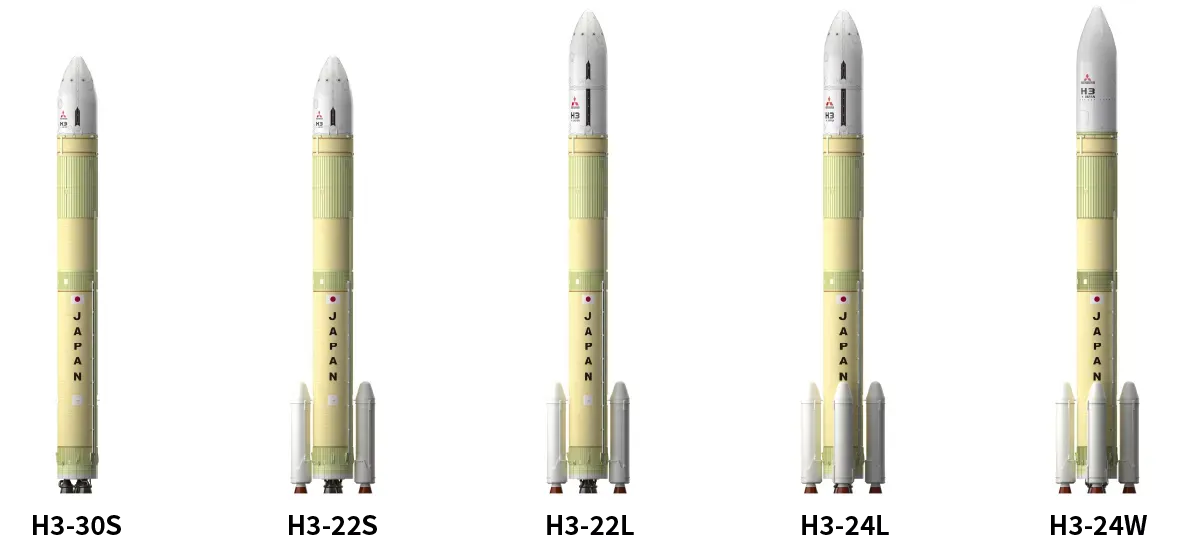
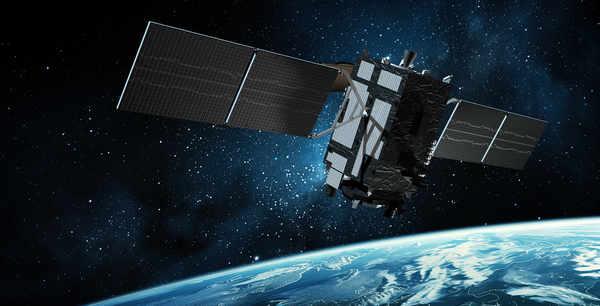
As mentioned earlier, the eighth mission for H3 was a return to flight. During its previous outing on December 22nd 2025, the rocket's payload adapter majorly failed while flying out of the atmosphere towards geostationary space. Due to that the QZS-5 satellite fell off the second-stage. While falling off the satellite also damaged the liquid hydrogen propellant tank.
Prior to that failed flight, the H3 rocket had a string of five successful missions between February 2024 and October 2025, delivering satellites into sun-synchronous orbit, towards geostationary space, and resupplying the International Space Station. In March 2023, the vehicle's debut flight failed after the LE-5B-3 engine did not ignite due to electrical issues.
In the remainder of the year, H3 has two major missions planned. The first, set for no earlier than the summer, will see several thousand kilograms of supplies sent to the International Space Station. A few months later, around November, the Martian Moons eXploration mission will be thrown towards Mars to collect and return samples from the Moon Phobos.