NASA's Crew-12 Begins Mission to International Space Station With Falcon 9 Launch

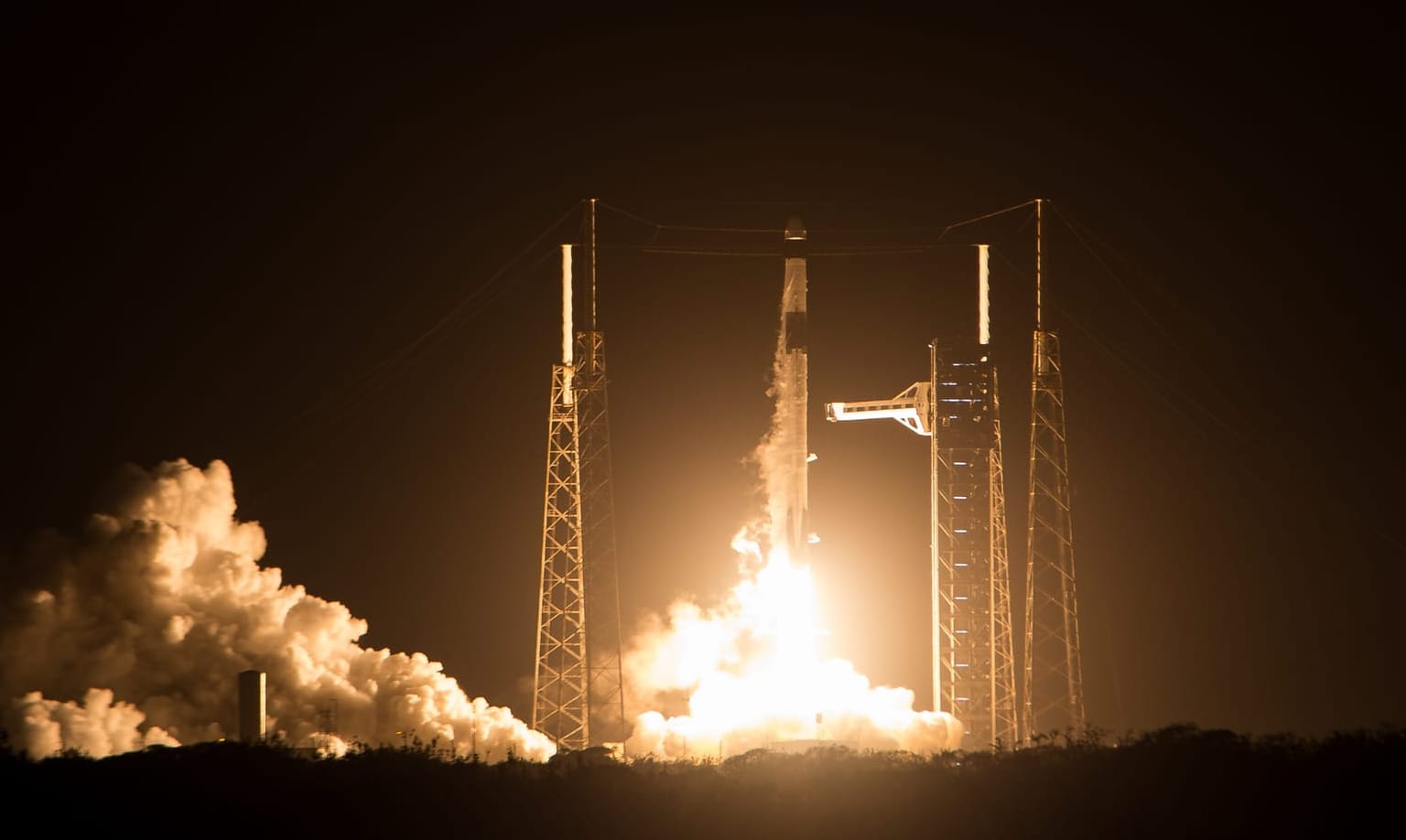
NASA's latest mission to the International Space Station began earlier today, with an astronaut-carrying launch out of Florida.
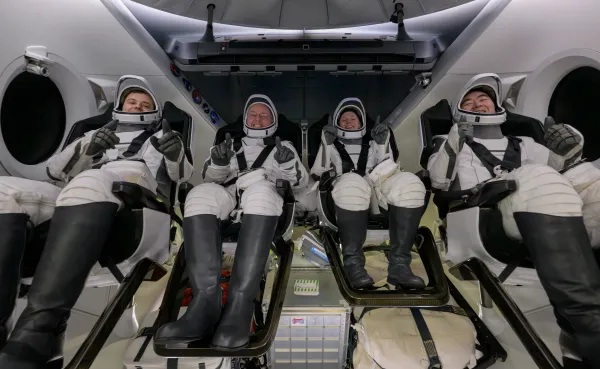
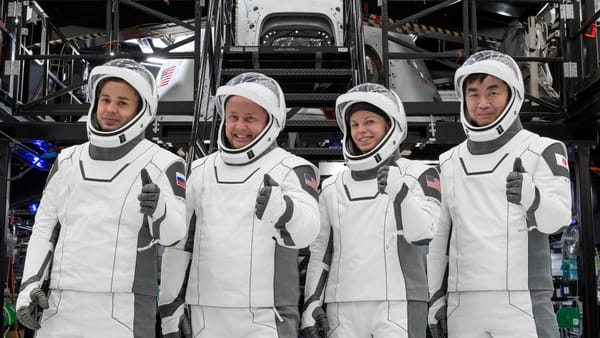
From Space Launch Complex 40, SpaceX's Falcon 9 lifted off at 10:15 am Universal Coordinated Time, carrying astronauts Jessica Meir, Jack Hathaway, Sophie Adenot, and Andrey Fedyaev toward low Earth orbit aboard a Crew Dragon spacecraft. A few minutes later, the rocket's second-stage fired up to continue its ride into space and to chase down the International Space Station.
Around ten minutes after lifting off, Crew Dragon C212 'Freedom' separated from Falcon 9's second-stage to start its fifth mission. Previously, 'Freedom' has supported the Crew-4, Axiom-2, Axiom-3, and Crew-9 missions to the space station.
At the time of writing, the Crew-12 astronauts are expected to reach the International Space Station and enter the station, via a space-facing port on the Harmony module, around midday on February 14th. Once onboard, the four astronauts are expected to spend eight months inside the orbiting laboratory.
Supporting the start of the Crew-12 mission was booster B1101, for its second flight following a Starlink mission in early January. After supporting its part of the launch, the booster returned to Florida, becoming the first to touchdown at Landing Zone 40.
Falcon 9 has landed, completing our first landing at LZ-40! pic.twitter.com/PZXeOYdbaN
— SpaceX (@SpaceX) February 13, 2026
Falcon 9 booster B1101 touching down at Landing Zone 40 on February 13th, via SpaceX on Twitter.
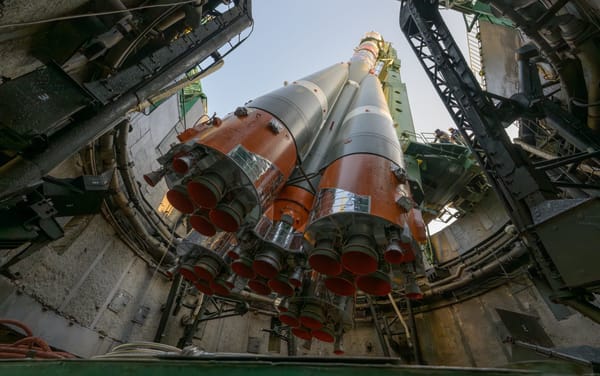
With the launch of Crew-12, the International Space Station is returning to its usual occupancy of seven astronauts. Since January 14th, the orbiting laboratory has had just cosmonauts Sergei Kud-Sverchkov and Sergei Mikayev as well as NASA astronaut Christopher Williams onboard, via the Soyuz MS-28 mission, due to the early return of Crew-11. That return was due to a medical issue with one of the four astronauts.
Before its launch, the mission almost faced a delay due to a failure with Falcon 9's second-stage during a de-orbit burn on February 2nd. A return to flight mission took place on without issue February 7th. The weather did, however, delay the launch a few days.
Who's onboard?
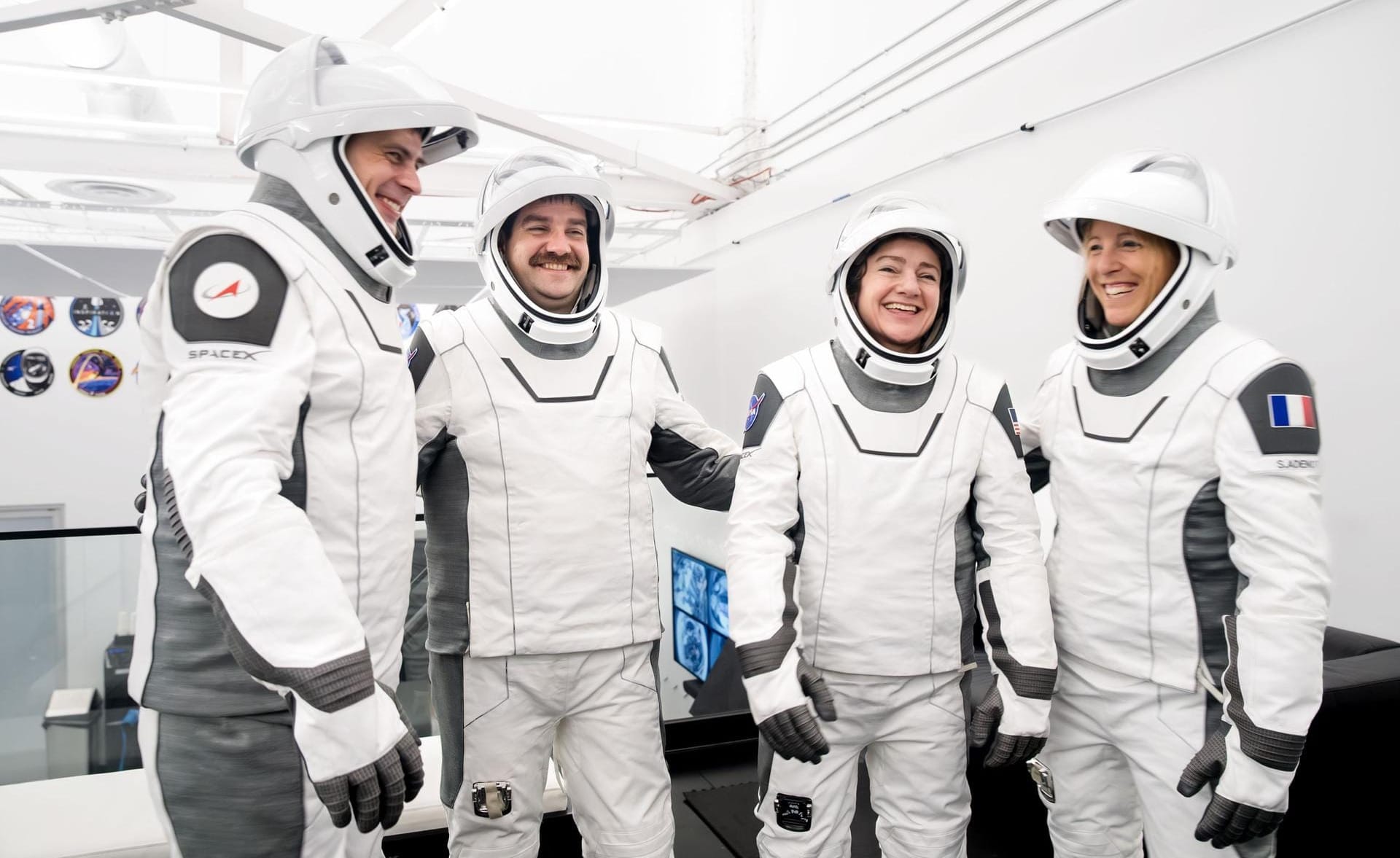
Jessica Meir, from the United States, is Crew-12's Commander, for her second mission to the International Space Station. She previously spent almost seven months onboard the station, from late September 2019 to mid-April 2020, via the Soyuz MS-15 mission. During that mission, she participated in three spacewalks, spending 21 hours and 44 minutes outside of the space station.
Jack Hathaway, also from the United States, is Crew-12's Pilot, for his first spaceflight. He was selected as a NASA astronaut candidate in 2021. Before that, he served in the U.S. Navy, accumulating over 2,500 flight hours across thirty different aircraft.
Sophie Adenot, from France, is one of Crew-12's Mission Specialists, for her first trip to space. She was selected as a European Space Agency astronaut candidate in 2022. Prior to that, she served in the French Air Force flying various helicopters, having over 3,000 flight hours and becoming the country's first female helicopter test pilot.
Andrey Fedyaev, from Russia, is Crew-12's second Mission Specialist, for his second trip to the International Space Station. From March to September 2023, he worked aboard the station for the Crew-6 mission
What is Crew Dragon?
Crew Dragon, or Dragon 2, is a partially reusable spacecraft developed by SpaceX. The primary use for Crew Dragon is to send crew to and from the International Space Station. SpaceX also performs free-flight missions with the spacecraft.
Crew Dragon consists of the capsule and trunk. The trunk is used to store unpressurized cargo as well as to have solar panels mounted on one side, to generate power, and radiators on the other, to dissipate heat generated inside. The trunk is not reused and burns up in the atmosphere after each mission. The capsule is where the crew is during launch, landing, and while on their way to space.
Unlike the original Dragon capsule, the Crew Dragon capsule has a launch abort system consisting of eight SuperDraco engines. This abort system can also be used to bring the capsule to a soft touchdown in the event of four parachute failures. The capsule also has a nosecone that will fold out of the way in space to protect the docking hardware and forward-facing thrusters during launch and landing. The forward-facing thrusters are the main propulsion system for performing maneuvers while in flight. Up to four parachutes will deploy from the capsule during descent to allow it to splash down for recovery.
Crew Dragon was developed as part of NASA's Commercial Crew Program to regain crew access to the International Space Station from the United States of America after the retirement of the Space Shuttle. SpaceX currently has five active Crew Dragon capsules: Endeavour, Resilience, Endurance, Freedom, and Grace.