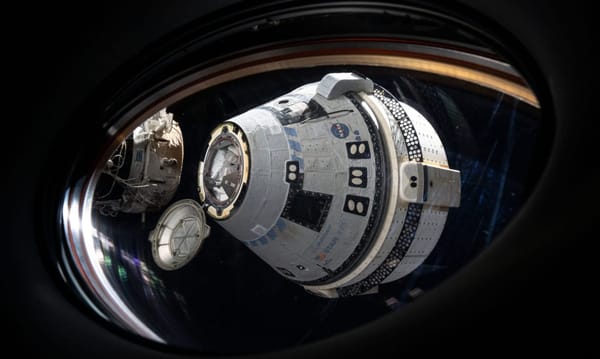

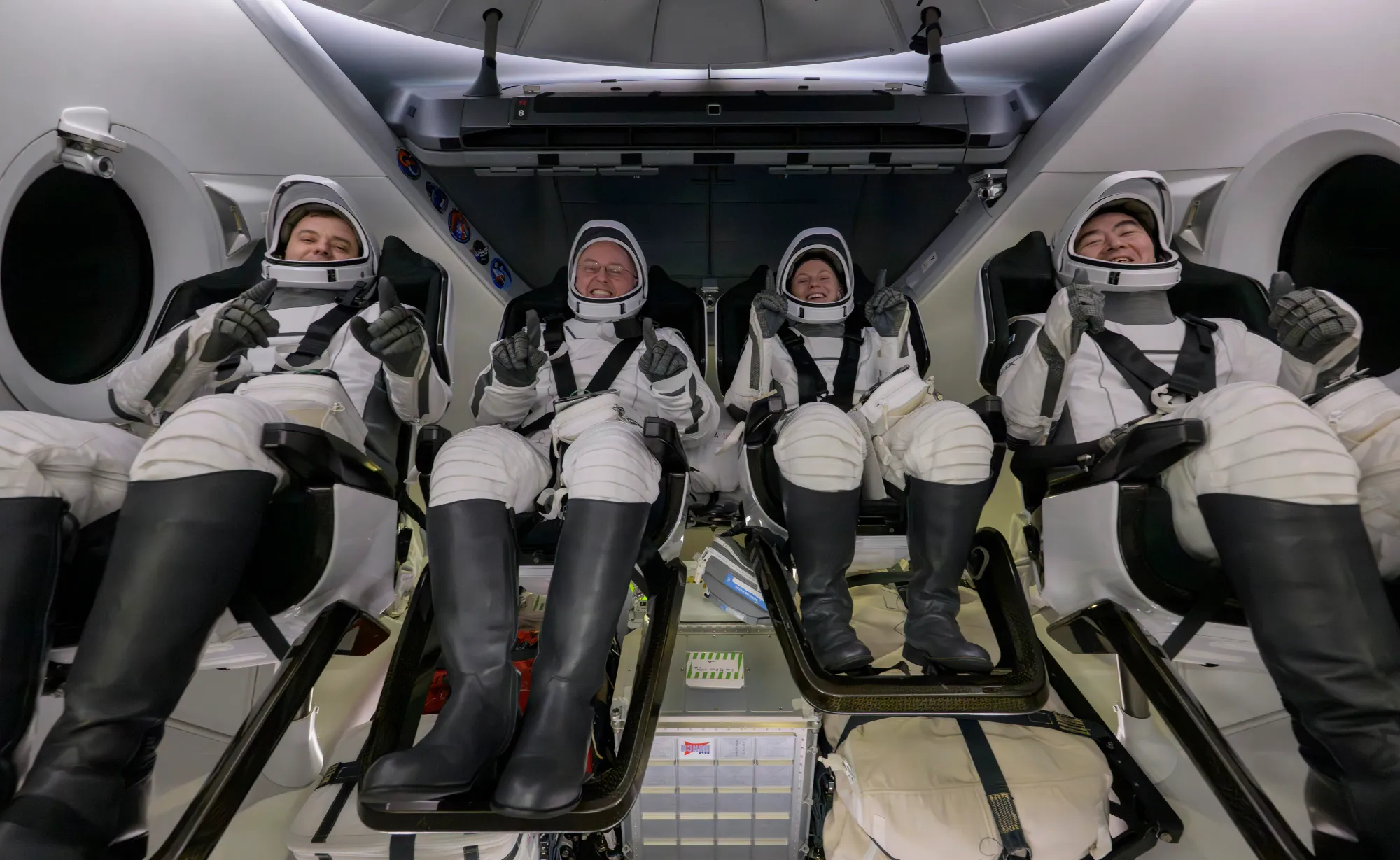
Having announced a week earlier that, due to a medical issue, the Crew-11 mission would depart the International Space Station and return to Earth, the process to do so began on January 14th when Crew Dragon Endeavour, carrying Zena Cardman, Mike Fincke, Kimiya Yui, and Oleg Platonov, undocked.
Several hours afterward, the spacecraft performed its deorbit burn to begin its descent toward the coast of California. That enabled a reentry running most of the length of the west coast state, which was successfully performed, followed by parachute deployment, and finally splashdown.
Splashdown of Endeavour with its four crew members occurred at 08:41 am Universal Coordinated Time on January 15th, ending a 167-day mission in-space.
Splashdown of Dragon confirmed – welcome back to Earth, @zenanaut, @AstroIronMike, @Astro_Kimiya, and Oleg! pic.twitter.com/2Yrgvy6DJO
— SpaceX (@SpaceX) January 15, 2026
Crew Dragon Endeavour splashing down off the coast of California on January 15th, via SpaceX on Twitter.
Following splashdown, SpaceX's Crew Dragon recovery teams collected Endeavour from the water, bringing it onto a recovery ship and assisting the crew with exiting the spacecraft. Not long after, Cardman, Fincke, Yui, and Platonov were transferred to a helicopter and flown to San Diego for regular post flight medical checks.
One of the astronauts, and the driving reason for the early return, incurred a medical issue around January 7th and will undergo additional medical checks to properly diagnose them. At a press event last week, NASA's Chief Health and Medical Officer, Dr. James Polk, stated that the International Space Station and docked crew-carrying spacecraft have a stockpile of medical equipment to treat common in-space illnesses, but equipment to diagnose someone in orbit is not present.
In the interest of the privacy of the affected astronaut, NASA has not disclosed who is ill or injured. The space agency has repeatedly stressed before and after the return that the astronaut's condition is stable and does not require a same-day emergency return to Earth.
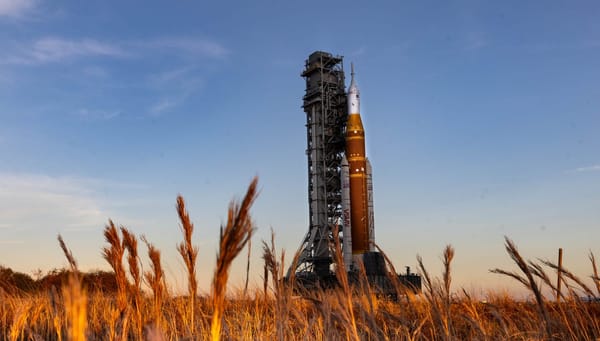
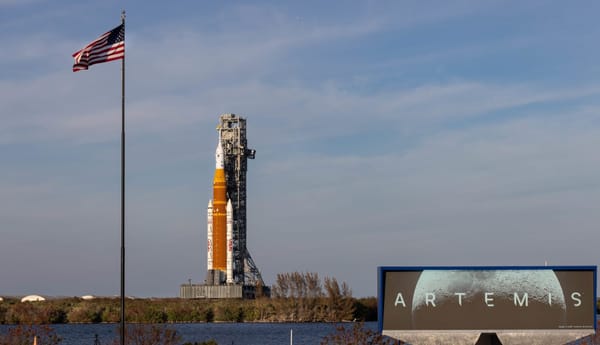
With Crew-11's early departure from the space station, NASA and its international partners on the U.S. Orbital Segment are looking into new timelines to return the SpaceX CRS-33 cargo mission and Japan's first HTV-X cargo spacecraft. An earlier launch for the Crew-12 mission, with NASA's Jessica Meir and Jack Hathaway alongside France's Sophie Adenot, and Russia's Andrey Fedyaev, is being explored too. Crew-12's launch opportunities may have to be moved around with the Moon-bound crew-carrying Artemis II mission in early February.
As Crew-11 returned early, Soyuz-launched Chris Williams is the sole American onboard the station, with his crewmates Sergey Kud-Sverchkov and Sergey Mikaev, until Crew-12 arrives. With assistance from researchers and mission control on the ground, he will be responsible for performing the U.S. Orbital Segments experiments at a reduced rate.