Firefly's Alpha Rocket Reaches Orbit for First Time Since 2024

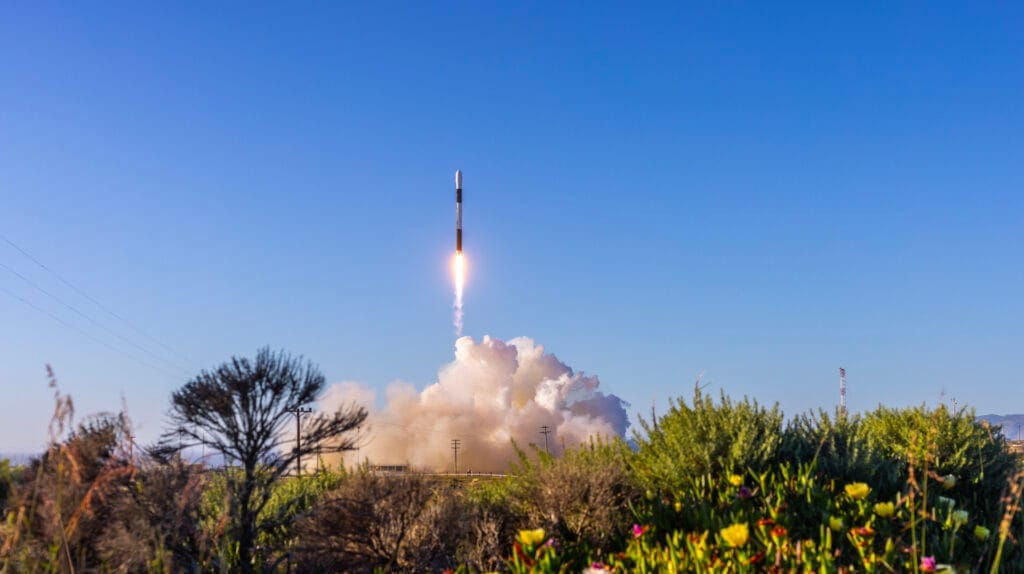
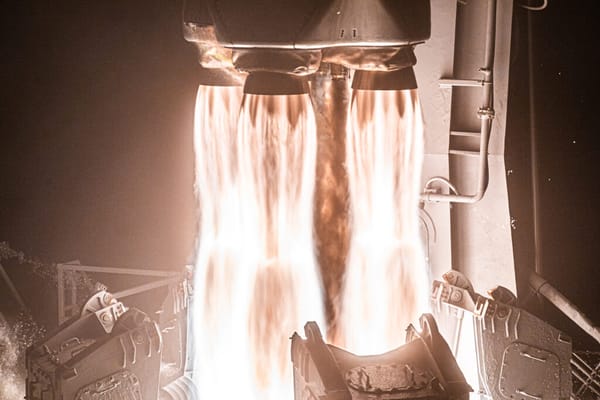
At 05:00 am Universal Coordinated Time on March 12th, Firefly Aerospace's Alpha rocket lifted off from Space Launch Complex 2W, at the Vandenberg Space Force Base in California, under the power of its four Reaver engines.
Liftoff was followed by a perfect-looking first-stage ascent out of the atmosphere, with stage separation and ignition of the vacuum-optimized Lightning engine at T+02:38. The single engine continued to burn for almost five and a half minutes, placing Alpha's second-stage into a retrograde-ish low Earth orbit, after which a live feed of launch was cut. While not shown, a reignition of the Lightning engine was stated to have occurred.
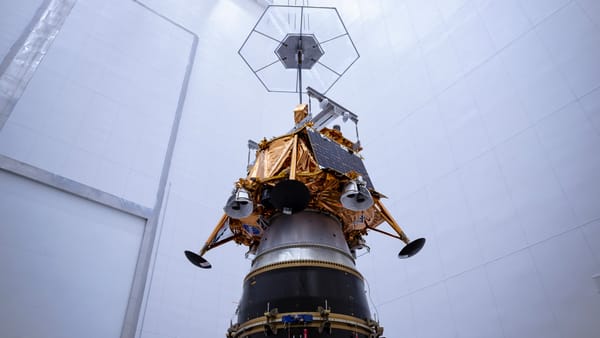
No payloads were announced before launch, but afterwards it was revealed that Lockheed Martin had a demonstrator onboard.
Today's flight of Alpha, its seventh to date, was to test several upgrades for a 'Block 2' version of the rocket. Upgrades included on this flight were new Firefly-made batteries and avionics, improved thermal protection systems, and stronger carbon composite structures.
Through flying upgrades on Alpha's seventh flight, Firefly Aerospace plans to gain flight experience with many new systems in a low-risk way, as no payloads were onboard. Alpha's next flight is planned to incorporate further upgrades, which will improve the rocket's reliability and production rate. Adam Oakes, Vice President of Launch at Firefly Aerospace, explained the company's approach as:
"Firefly is utilizing Flight 7 as an opportunity to test key systems ahead of the full Block II upgrade on Flight 8. This approach allows us to accelerate our planned Block II timeline and validate the improvements designed to enable more mass savings, optimize production, and increase reliability across the entire Alpha vehicle. Our flight-proven Reaver and Lightning engines and carbon composite structures continue to be the backbone of this rocket, so that core technology doesn’t change."
Upgrading Alpha was also stated to be driven by customer needs, likely those of Lockheed Martin, with Firefly Aerospace's Chief Executive Officer, Jason Kim, sharing:
"The Block II upgrade has been part of Firefly’s strategic growth plan to meet the evolving needs of the growing global launch market and further supports Firefly’s culture of continuous improvement with a focus on enhanced safety, quality, and reliability. Firefly worked closely with customers and incorporated data and lessons learned from our first six Alpha launches and hundreds of hardware tests to make upgrades."
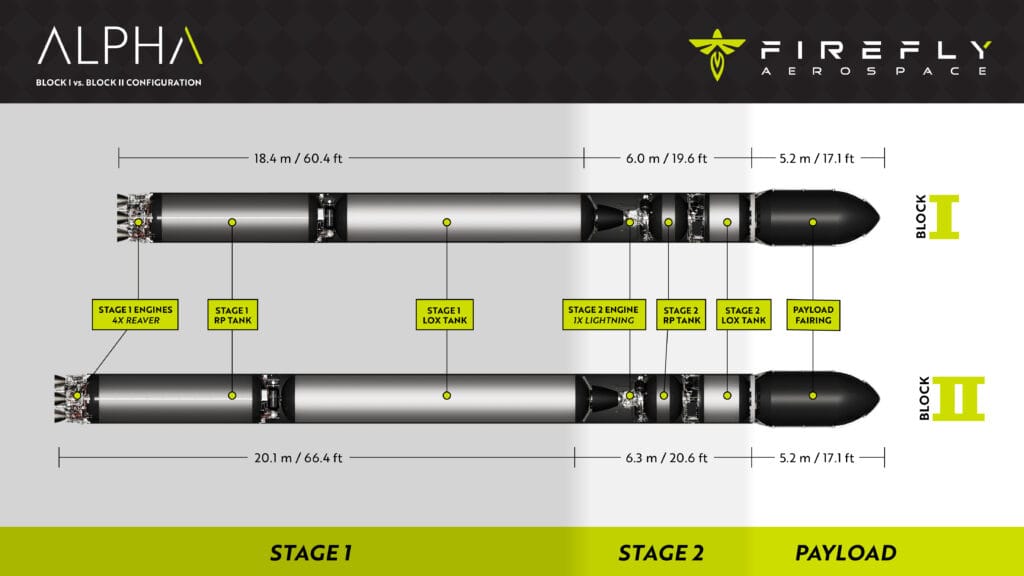
The next flight of Alpha will fully introduce 'Block 2' by stretching the first and second stages of the rocket to store more rocket-grade kerosene and liquid oxygen, bringing its height to 31.6 meters.
Part of the reason for incorporating 'Block 2' upgrades on Alpha's seventh flight was a loss of the mission's original first-stage. At the end of September 2025, a sizeable explosion occurred on a test stand during qualification of the first-stage, destroying it and damaging the stand.
Increasing the reliability of Alpha will be critical for the rocket's future, as it had been lost outright twice and failed to reach a customer's requested orbit twice, with two successes in September 2023 and July 2024.
One step closer on the Stairway to Seven!
— Firefly Aerospace (@FireflySpace) February 9, 2026
Following a successful 20 second static fire, the Alpha Flight 7 launch window will open no earlier than February 18. Stay tuned for more on the test flight. https://t.co/bCuGqJI8q8 pic.twitter.com/ceH2zoKIVz
Alpha's first-stage completing a static fire ahead of its seventh flight, via Firefly Aerospace on Twitter.