
Table of Contents
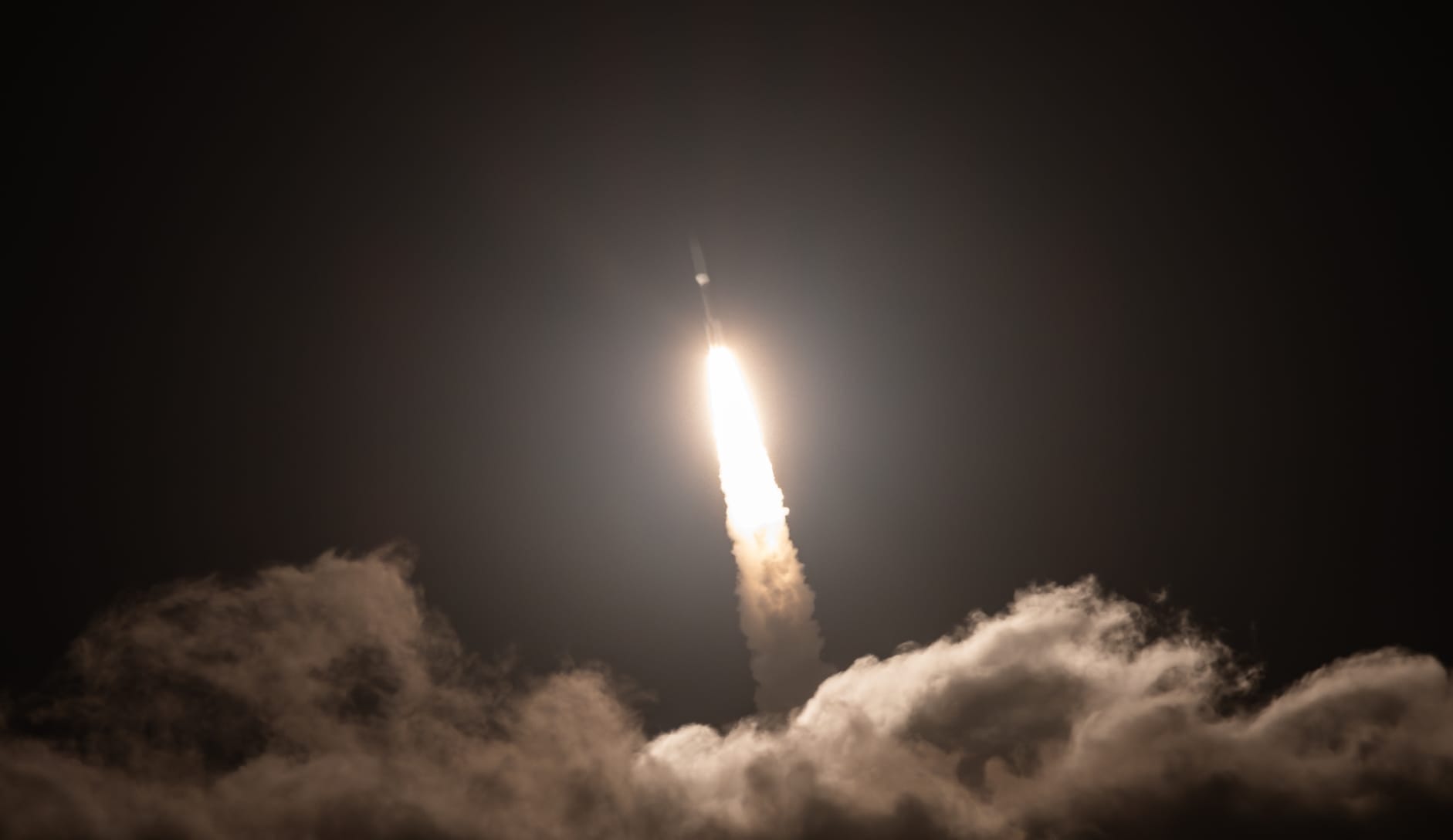
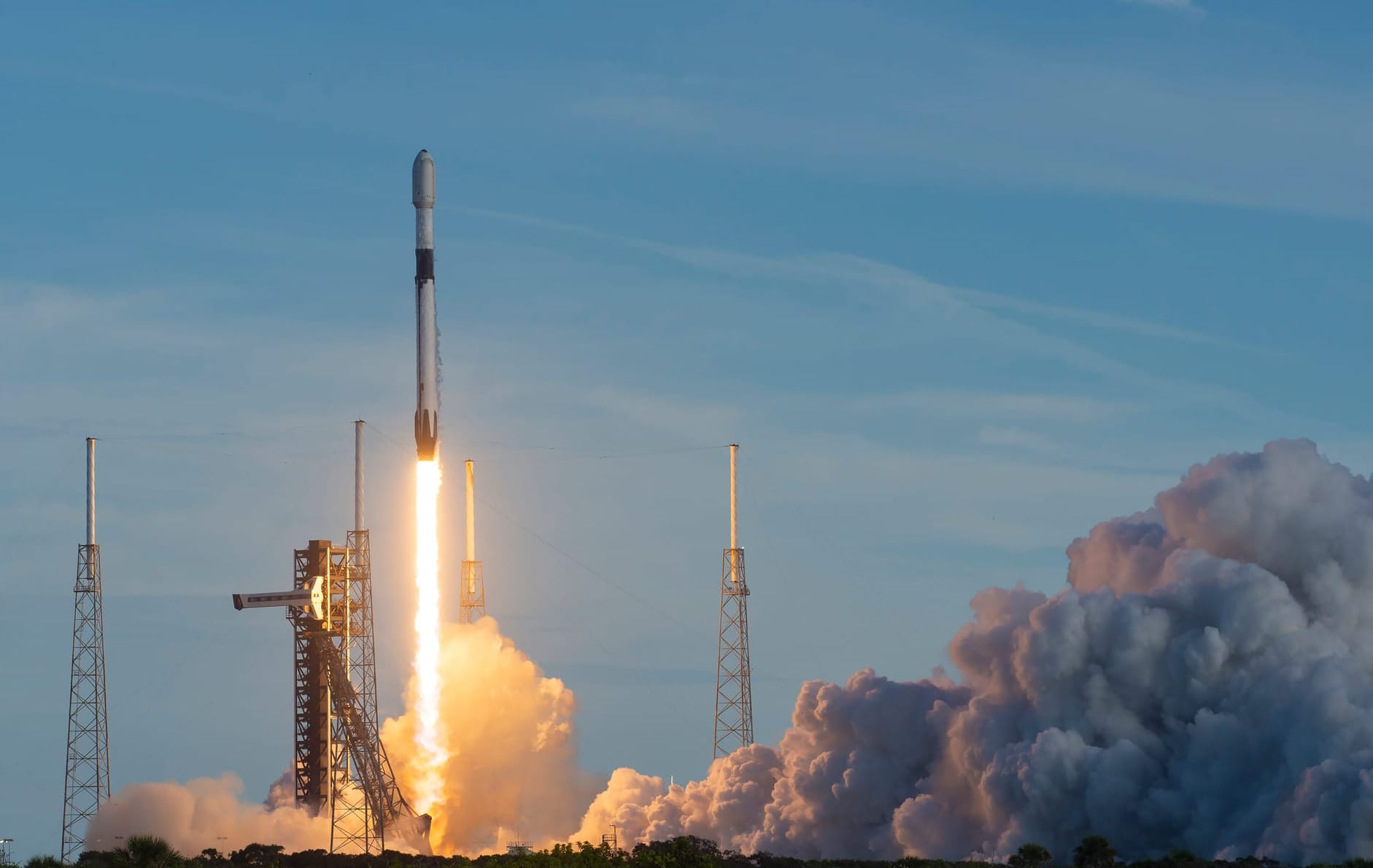
Amazon's Kuiper constellation has surpassed 100 satellites in orbit with the launch of a Falcon 9 on August 11th.
For the second Kuiper mission atop Falcon 9, 24 Kuiper satellites were sent to an orbital altitude of about 465 kilometers. Following the separation process for around eight minutes, the constellation operations team took over control of the satellite group.
Supporting the deployment of more Kuiper satellites was Falcon 9 booster B1091, a future Falcon Heavy booster, performing its first flight and landing downrange on the drone ship 'A Shortfall Of Gravitas'.
Falcon 9’s first stage has landed on the A Shortfall of Gravitas droneship pic.twitter.com/LPNoiUjzqc
— SpaceX (@SpaceX) August 11, 2025
Falcon 9 booster B1091 landing on 'A Shortfall Of Gravitas', via SpaceX on Twitter.
With the launch of the fourth group of satellites, Amazon now has 102 spacecraft in orbit, out of a planned total of 3,236. The group of 24 follows another in July, and two groups of 27 launched atop of United Launch Alliance's Atlas V in April and June.
Those and the new Kuiper satellites are currently headed to an orbital altitude of around 630 kilometers to begin offering internet services to customers. Following the deployment of further satellites, services from Kuiper are planned to be available later this year at speeds of up to one gigabit per second.
Deployment of further Kuiper satellites is critical for potential government and enterprise customers, as demonstrated by a recent outage of SpaceX's Starlink internet constellation.
In order to meet a deadline with the U.S. Federal Communications Commission, half of the Kuiper constellation, approximately 1,600 satellites, will need to be launched by mid-2026. Currently, Amazon has bought over eighty launches to deploy the constellation from a variety of American and European launch providers.
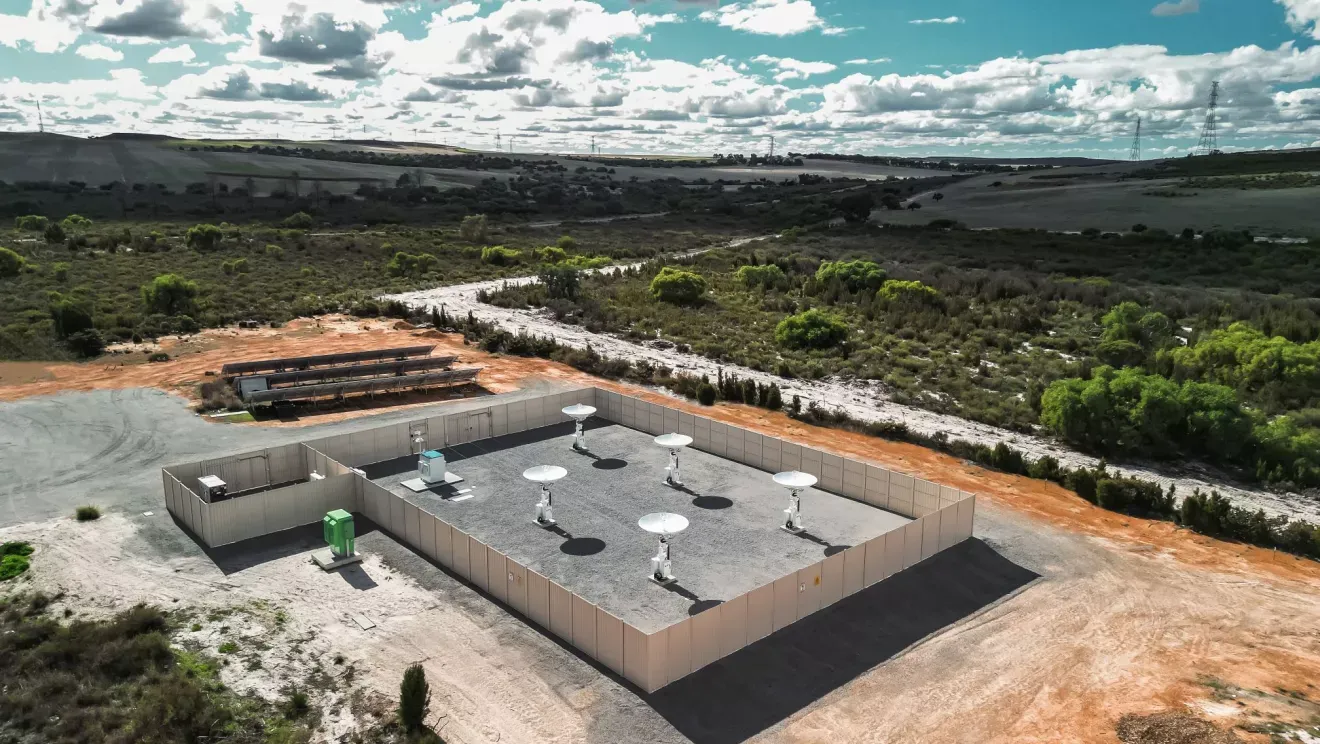
Ahead of the recent launch, Amazon and Australia's government-owned NBN Co announced that they are joining forces to provide internet services in rural regions of the country, set to begin around the middle of 2026. Through leveraging NBN Co's presence and recognition in Australia, Amazon is hoping to provide high-speed and reliable connectivity to rural communities, with the company's Country Manager for Australia and New Zealand, Joe Lathan, stating:
"Australia's vast geography presents unique connectivity challenges that traditional infrastructure often can't overcome," – "This partnership with NBN Co represents our commitment to solving these challenges through innovation and collaboration. Beyond just connecting devices, we're focused on the human impact - helping small businesses reach global markets, ensuring students have the same educational resources as their city counterparts, and keeping families connected during emergencies. We believe every Australian deserves world-class internet access, regardless of their postcode."
To further assist in competing against other internet mega-constellations, Amazon has also partnered with Japan's Nippon Telegraph and Telephone, America's Verizon, and the UK's Vodafone to bring services directly to consumers. Furthermore, the company is teaming up with Airbus to provide its airliners with in-flight connectivity.
Keeping Kuiper launching
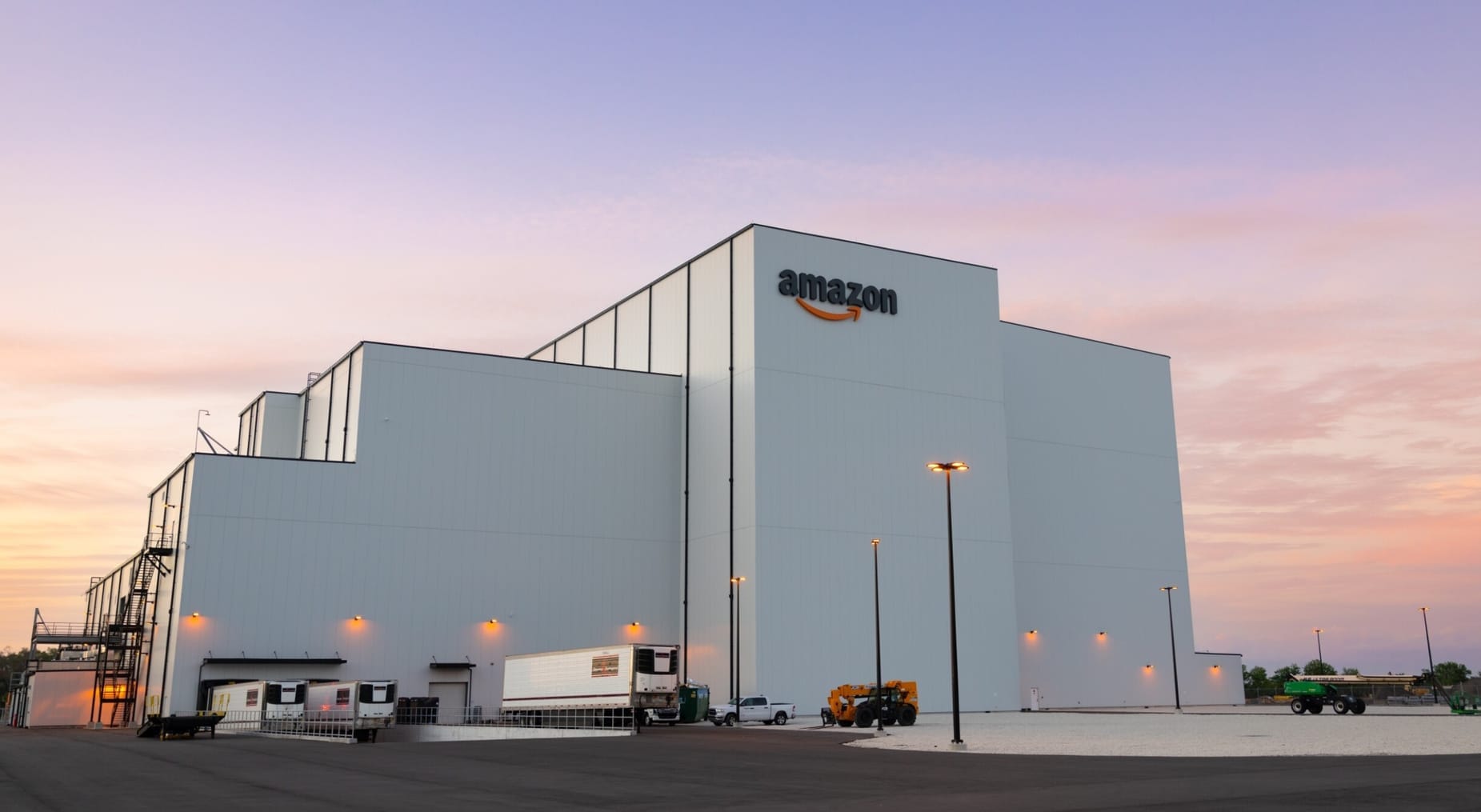
Within the Kennedy Space Center, Amazon has built up a satellite processing site for Kuiper. For the facility, the company has invested over 140 million United States Dollars to streamline the constellations launch process, ensuring more missions are ready to go to build the constellation.
Within the site, Kuiper satellites undergo final system health checks before being loaded with electrical power and krypton propellant for their electric propulsion system. After that, the satellites are loaded onto one of the available rockets' payload adapters.
Amazon has planned for the Florida facility to be able to process over 100 satellites per month in support of three different launches. Launch preparation pace is already picking up for deployment, with Steve Metayer, Vice President of Production Operations at Project Kuiper, sharing:
"We’ve completed three missions in less than three months, and we’re continuing to pick up the pace as we prepare to begin delivering service to customers. Our facilities and team in Florida play a critical role in that process," – "At full capacity, this building will house three dispenser systems stacked full of Kuiper satellites, and a combination of fairings from rockets like Atlas V, Vulcan, New Glenn, and Falcon 9. There’s nothing else like it on the Space Coast."
Beyond Florida, in Kirkland, Washington, Amazon has established its production facility for the Kuiper satellites. At peak, the facility can produce five satellites per day, around one satellite batch per week (as of the fourth Kuiper launch).
What is Falcon 9?
Falcon 9 is currently the world's only operational partially reusable medium-lift launch vehicle. The rocket is manufactured and operated by the American space company SpaceX. Falcon 9 currently launches from Vandenberg Space Force Base, in California, and Cape Canaveral, in Florida.
For recovery, Falcon 9 has four grid fins and four landing legs on the first-stage. The first stage either lands vertically on a drone ship or a landing pad back near its launch site, landing back at the launch site causes a reduction in payload capacity.
SpaceX claims that Falcon 9 can send up to 22,800 kilograms into low Earth orbit when expended or 18,400 kilograms when reused. Similarly, it can send up to 8,300 kilograms into geosynchronous transfer orbit when expended or 5,500 kilograms when reused.
The first-stage is powered by nine Merlin 1D engines burning rocket-grade kerosene and liquid oxygen to generate 771 tons of thrust. The second-stage is powered by a single Merlin 1D vacuum engine burning rocket-grade kerosene and liquid oxygen to generate 95 tons of thrust.
On the pad, the rocket is 70 meters tall with the first and second stages 3.7 meters in diameter, the fairing is 5.2 meters in diameter and tapers out from the top of the second-stage. Fully fuelled Falcon 9 weighs approximately 549,000 kilograms.