
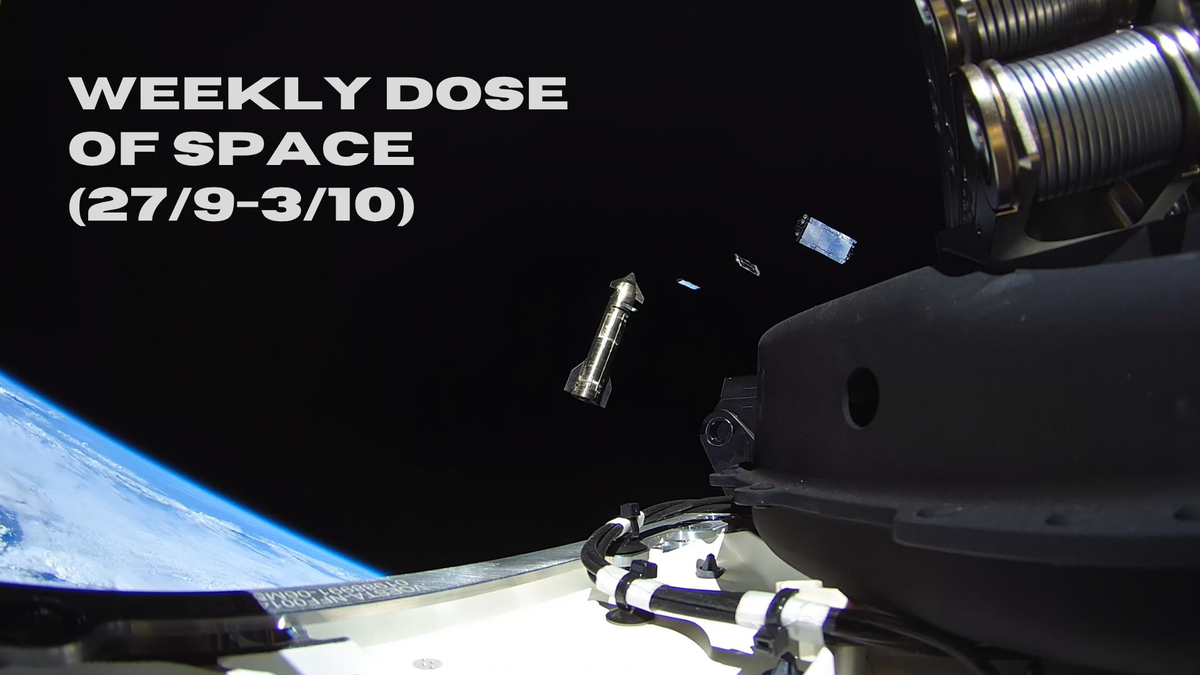
Welcome back to Weekly Dose of Space! This week only saw four launches heading for orbit, with SpaceX performing all of them. News of the week saw updates and progress for both permanently crewed space stations in Earth orbit. As always, we'll also look ahead to what the worldwide launch schedule might look like next week.
September 28th - Starship for its fourteenth flight test
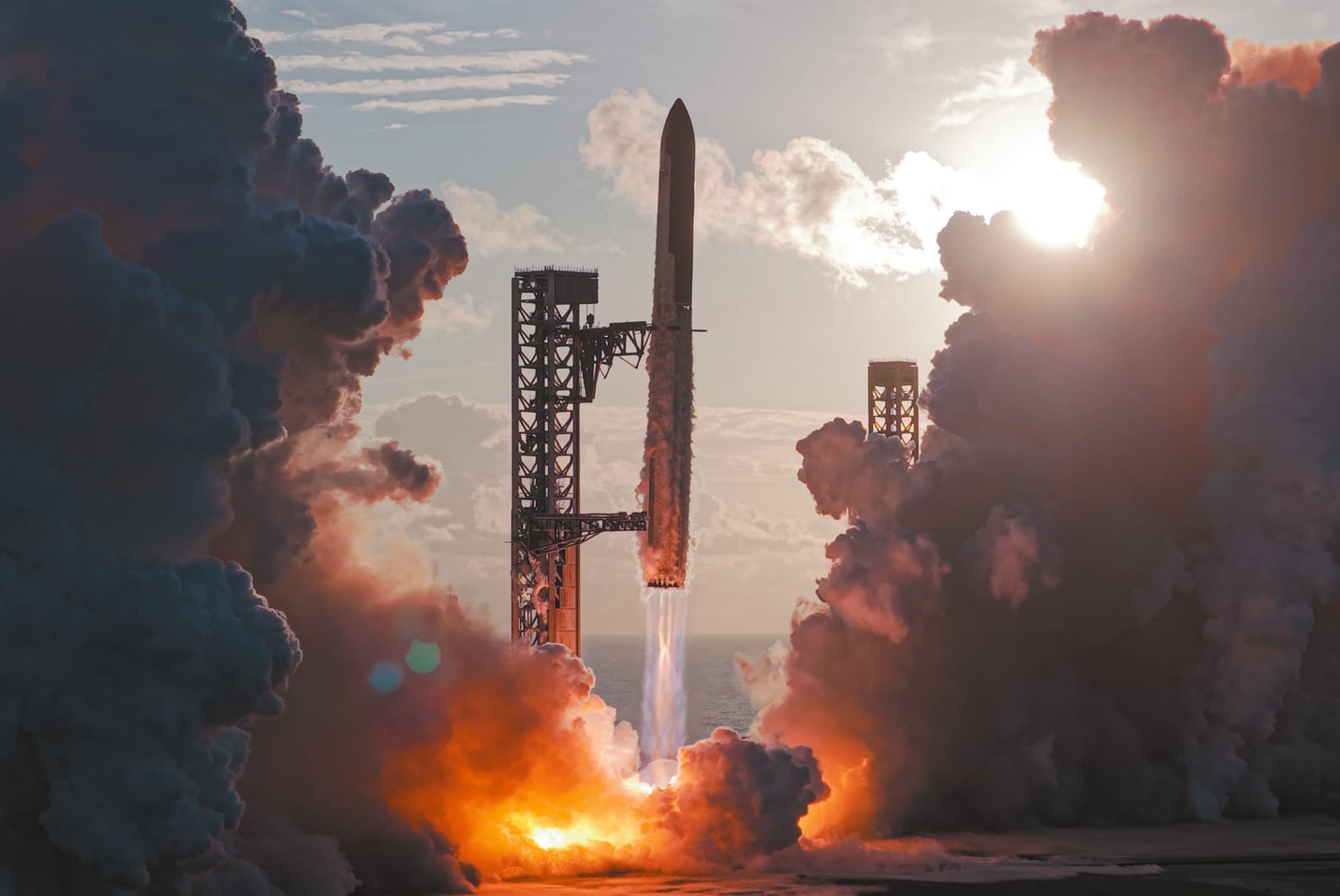
Starting the week, SpaceX performed the fourteenth flight test of its Starship-Super Heavy launch vehicle from Starbase, Texas, which headed into orbit for the first time for the deployment of twenty-six 'Version 3' Starlink satellites. Booster 21 supported the launch, splashing down in the Gulf of Mexico, while Ship 41 was in orbit for about three hours, ending its flight north of Hawai'i in the Pacific Ocean.
October 1st - Falcon 9 with Crew-13
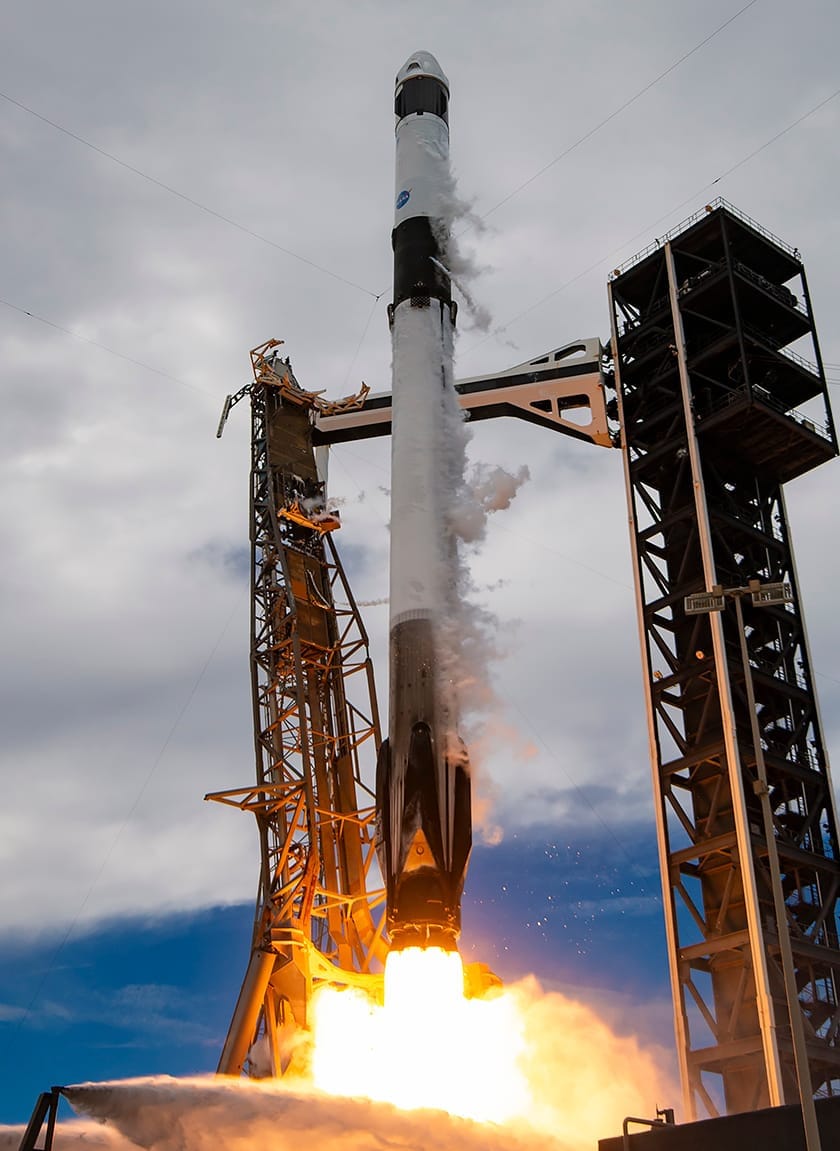
From Space Launch Complex 40 in Florida, Falcon 9 brought Crew Dragon 'Grace' into low Earth orbit to chase down the International Space Station, carrying NASA astronauts Jessica Watkins and Luke Delaney, alongside Canadian astronaut Joshua Kutryk and cosmonaut Sergey Teteryatnikov. Supporting the launch was booster B1101, flying for the third time and touching down at Landing Zone 40.
This was the first launch of a SpaceX triple header that occurred within thirteen hours.
October 1st - Falcon 9 with Transporter-18
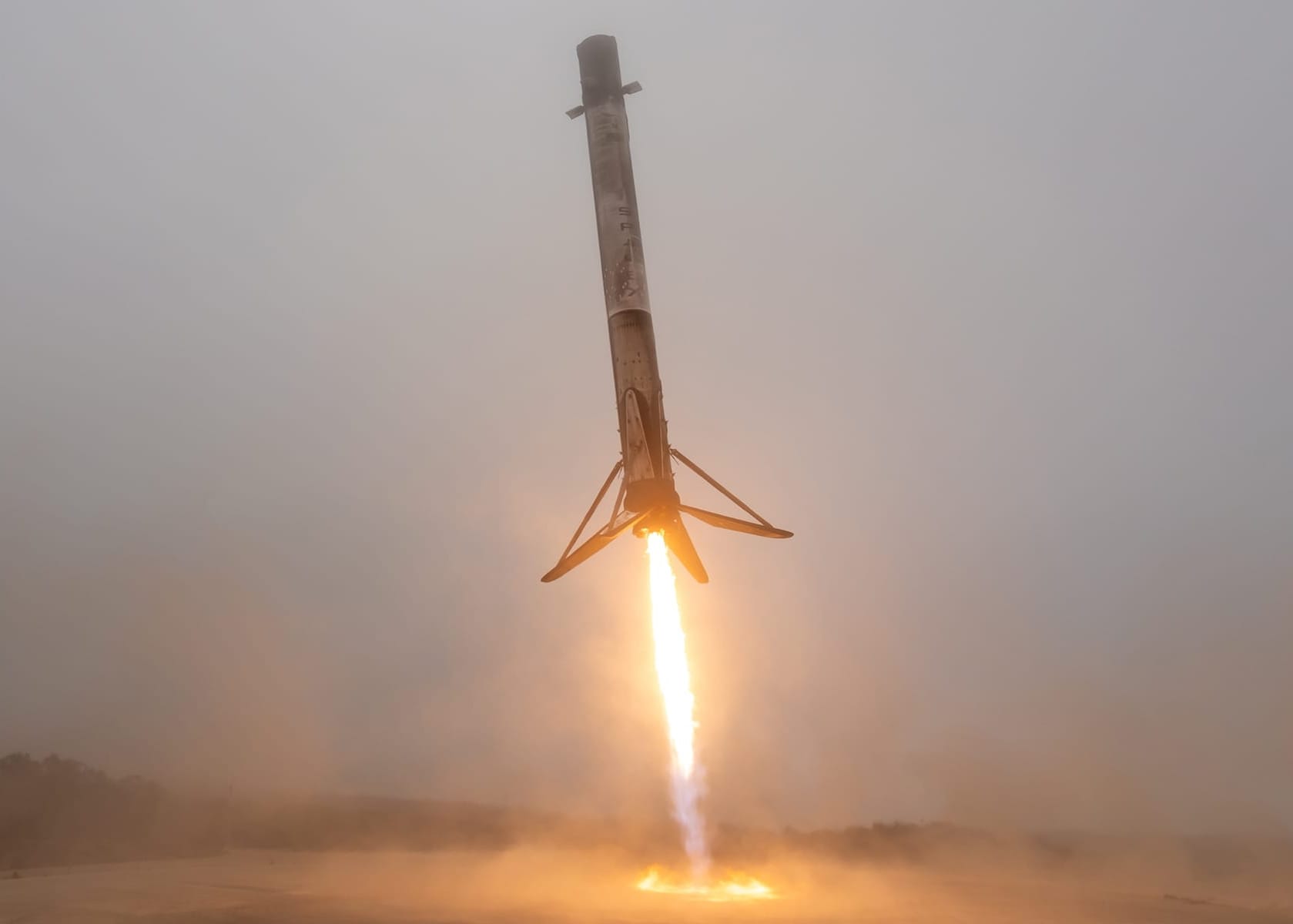
SpaceX performed its eighteenth sun-synchronous rideshare mission with a Falcon 9 flying from Space Launch Complex 4E, in California. Booster B1082 supported that launch for its twenty-fifth flight, returning to Landing Zone 4 to touchdown.
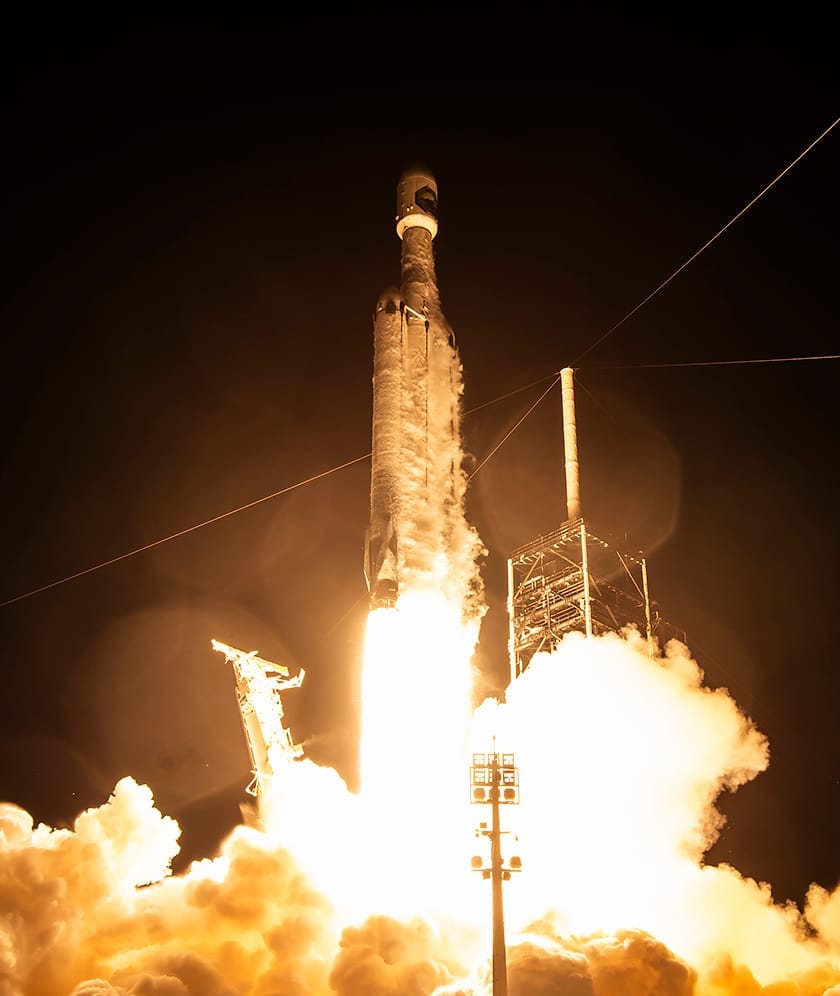
October 2nd - Falcon Heavy with NROL-97
The last mission of the week was a Falcon Heavy, departing from Florida's Launch Complex 39A, to bring a U.S. National Reconnaissance Office spacecraft into a high-altitude orbit. Booster B1106 was expended during its first mission for the launch, with B1072 and B1104 returning to Landing Zones 1 and 2 to complete their fourth and second flights, respectively.
The launch also was SpaceX's final of three that occurred in under thirteen hours.
In Other Space News
Starliner to carry astronauts in 2028
Having declared the first crewed flight of Boeing's Starliner a major mishap in February, NASA has been working with the company to fix the spacecraft and make it an operational vehicle for missions aboard the International Space Station.
On September 28th, the U.S. space agency announced that another flight of Starliner will start no earlier than December, but without crew and used as a cargo delivery. That mission, designated Starliner-1, will be used to verify design changes to systems and thrusters that failed during the previous crewed flight test. If Starliner-1 is a success, a first crewed mission will occur sometime in 2028, known as Starliner-2.
Speaking on the upcoming flights, Manager of NASA’s Low Earth Orbit Program Dana Weigel shared:
"Starliner’s next flight is a critical step on the path to achieving full system certification and ensuring a sustained human presence in low Earth orbit. With the safety of our space station crew and the public as our highest priority, we will test Starliner’s propulsion system through targeted demonstration objectives and disciplined operational controls."
In the announcement, it was also noted that due to limited life components on United Launch Alliance's Atlas V, which is Starliner's sole launch solution, that NASA will support efforts to human-rate Vulcan for later flights. The agency is currently considering whether to buy two more missions beyond Starliner-4.
Qingzhou preparing for first Tiangong visit
Back in November 2024, the China Manned Space Agency contracted two commercial spacecraft to bring cargo to the permanently crewed Tiangong Space Station in low Earth orbit. The Innovation Academy for Microsatellites Qingzhou was one of those spacecraft, and it is now progressing towards its first visit.
During the week, its developer shared that the second Qingzhou to be built has moved into its development phase of production. Its previous had seen its major structural elements brought together, with the next to install internal storage racks, solar panels, radiators, insulation, thrusters, and a docking port.
Upon being completed in the coming months, the cargo spacecraft will be sent to the Jiuquan Satellite Launch Center to be joined with CAS Space's Kinetica-2 rocket ahead of launch. That is currently expected no earlier than January 2027, after which the spacecraft will head towards Tiangong under its own power for docking.
Confidence for the first trip to the orbiting laboratory has been gained by free-flying the first Qingzhou since March 2026. In its almost six months in space, that spacecraft has been supporting experiments onboard while adjusting its altitude in sun-synchronous orbit.
What to Expect Next Week
October 5th - Falcon 9 with Tranche-1 spacecraft
Twenty-one spacecraft built by Northrop Grumman are to be launched into a Polar orbit by a Falcon 9 from Space Launch Complex 4E for the U.S. Space Development Agency for its military communications constellation.
October 7th - KSLV-2 with several Korean small satellites
South Korea's KSLV-2 is set to fly for the fifth time from the south-facing Naro Space Center, with it set to deliver fifteen small satellites, most of which are Korean.
October 9th - Long March 12 with connectivity satellites
From the Wenchang Commercial Space Launch Site, a Long March 12 will fly into low Earth orbit to deliver a group of connectivity satellites for either the GuoWang or Qianfan constellation.
Join the discussion
Commenting is available to paid members.
View membershipSign in