
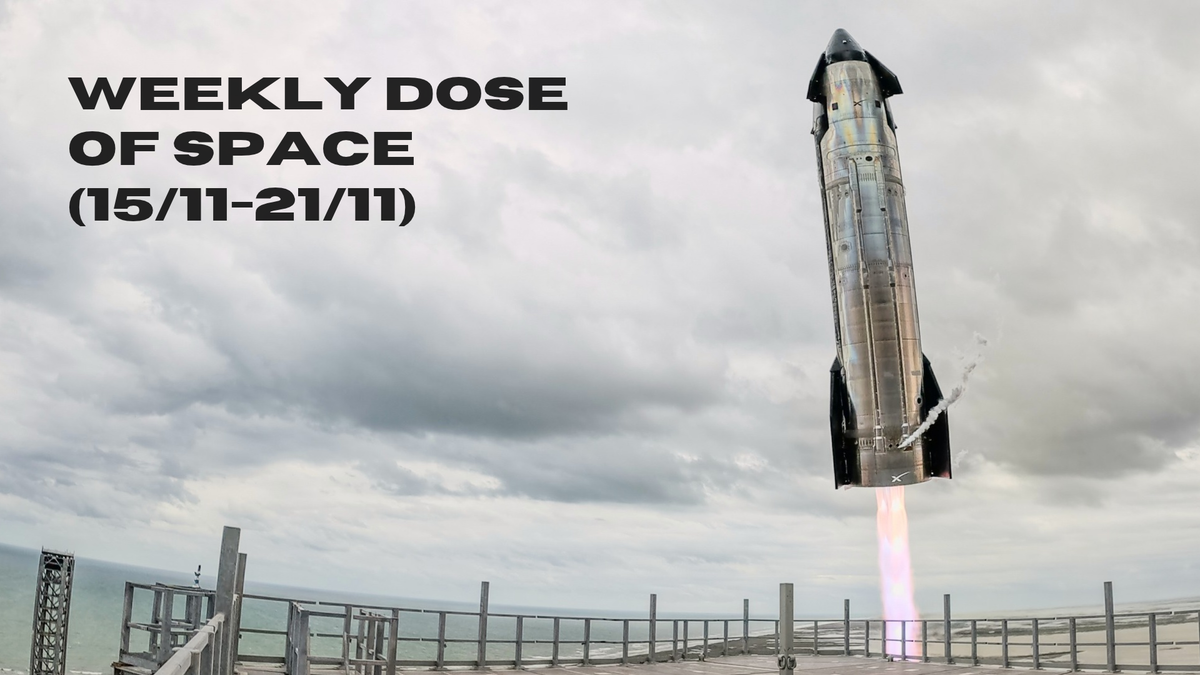
Welcome back to Weekly Dose of Space! Last week saw just four orbital launch attempts taking place, with one failure to do so. News during the week has seen Voyager-1 pass a new milestone and Google picking a rocket to fly on. As always, we'll also look ahead to what the worldwide launch schedule might look like next week.
November 15th - Vulcan with LV-01
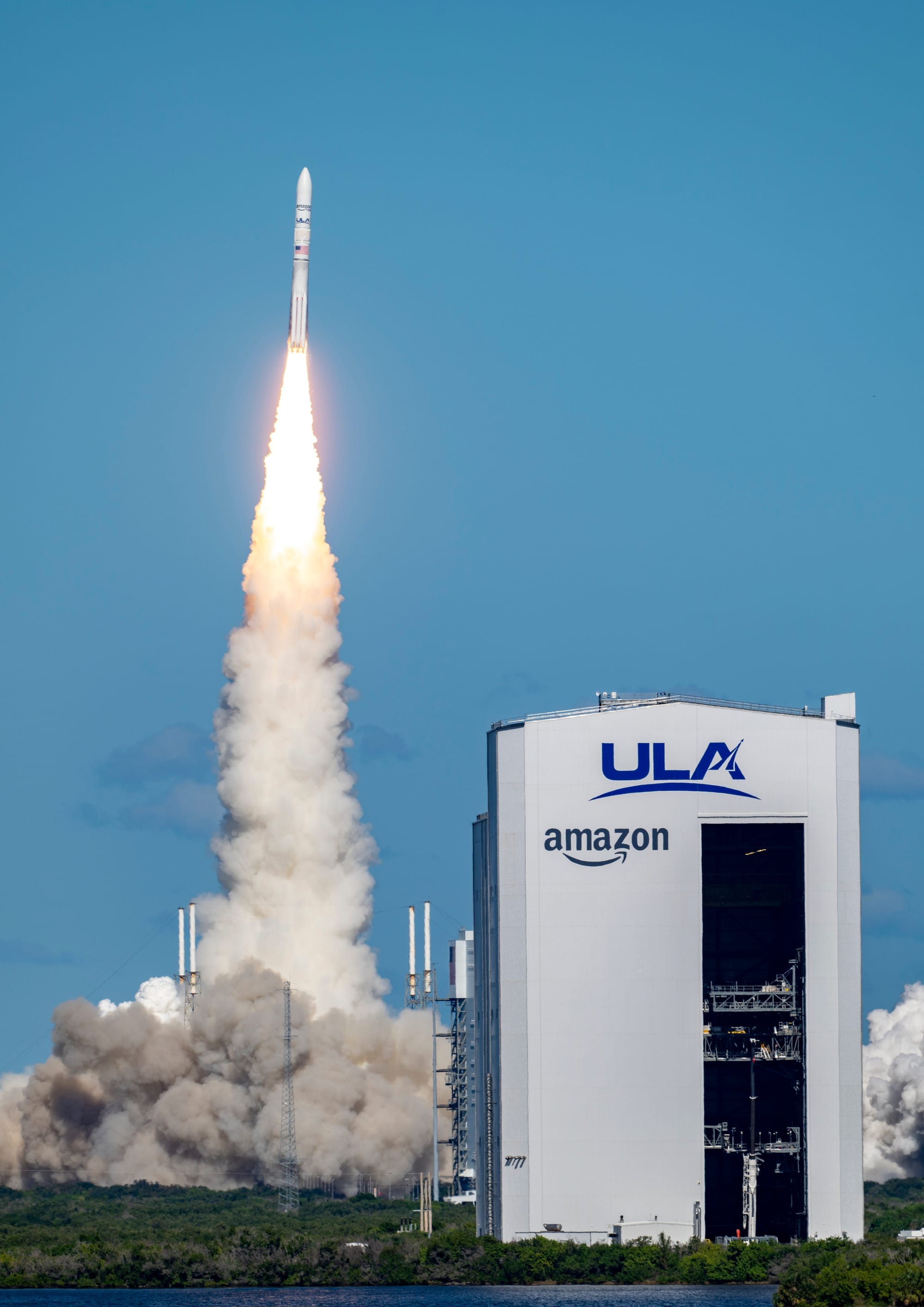
United Launch Alliance attempted to fly its Vulcan rocket into low Earth orbit for the fifth time, out of Space Launch Complex 41 in Florida, carrying a group of forty Amazon Leo satellites. However, by the ten-minute mark following liftoff it was clear that it would not reach orbit and fell into the Atlantic, something confirmed a few hours later.
November 18th - Long March 2D with Shijian-24
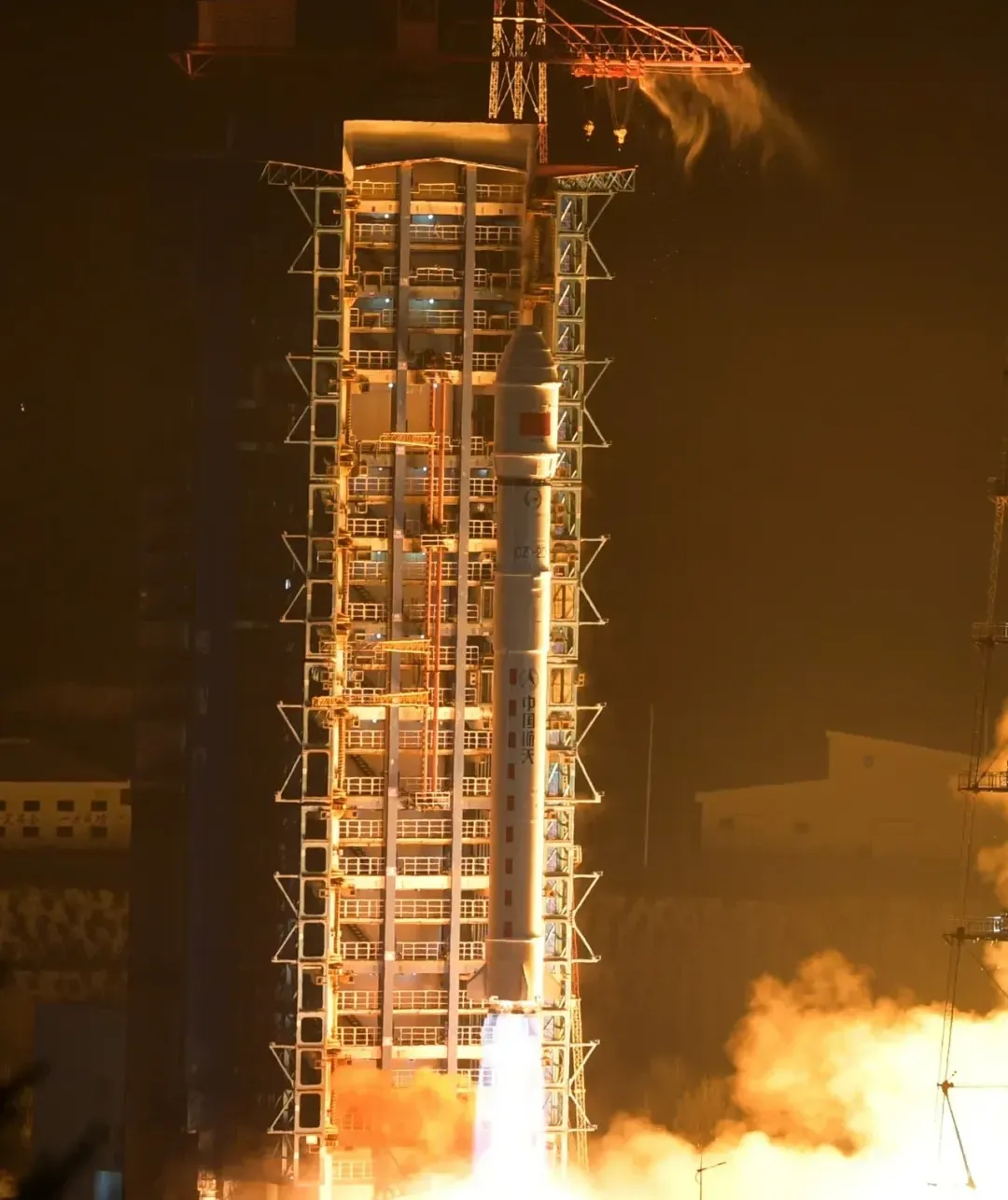
From the Taiyuan Satellite Launch Center, a Long March 2D brought the Shijian-24 spacecraft into sun-synchronous orbit. Not much is known about Shijian-24, other than it will probably be used to refine new technologies.
November 20th - Long March 8A with GuoWang Group 30
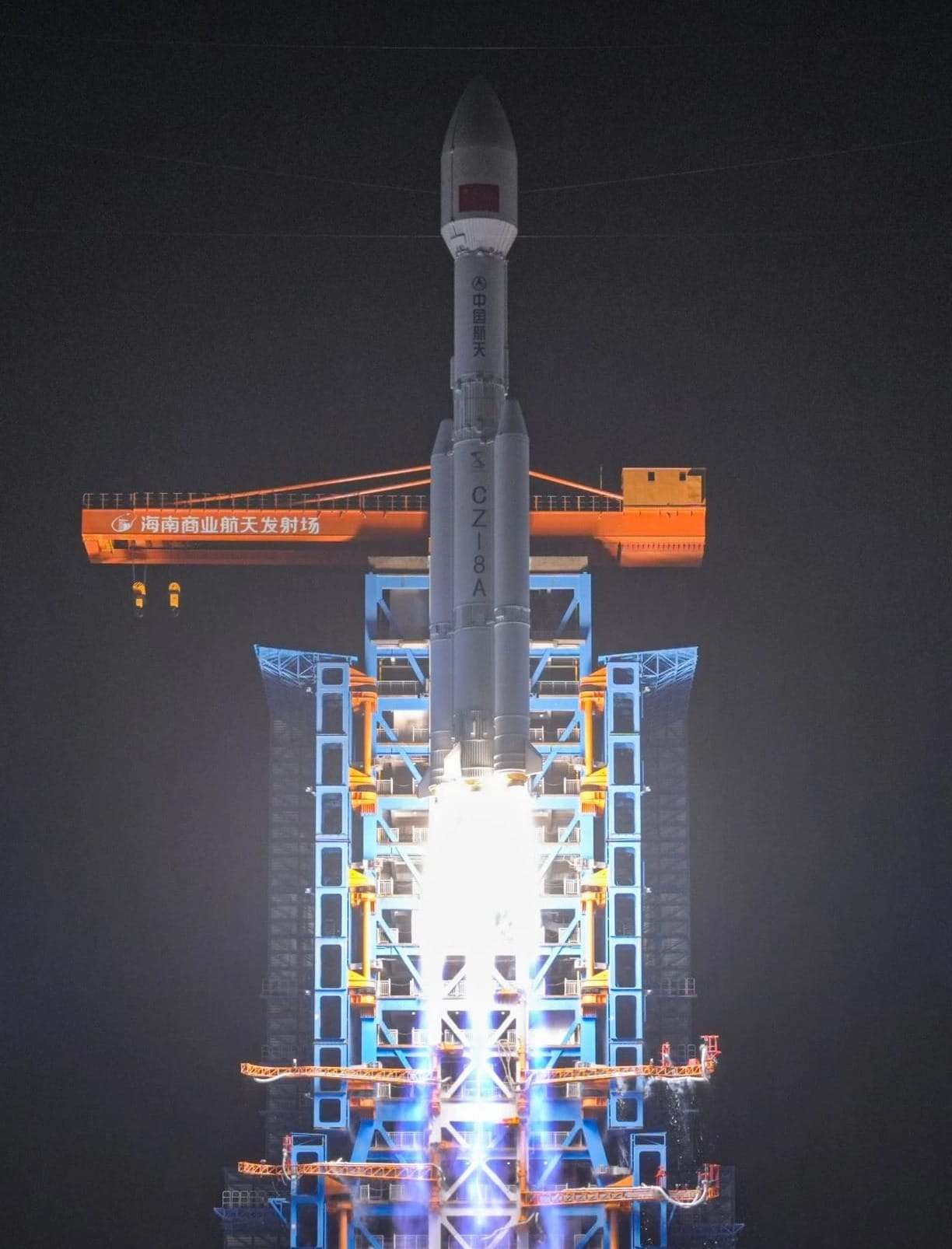
A Long March 8A lifted off from the Wenchang Commercial Space Launch Site to bring the thirtieth group of GuoWang satellites into low Earth orbit. Following launch, nine satellites were deployed into low Earth orbit, expanding the state-backed connectivity constellation up to 249.
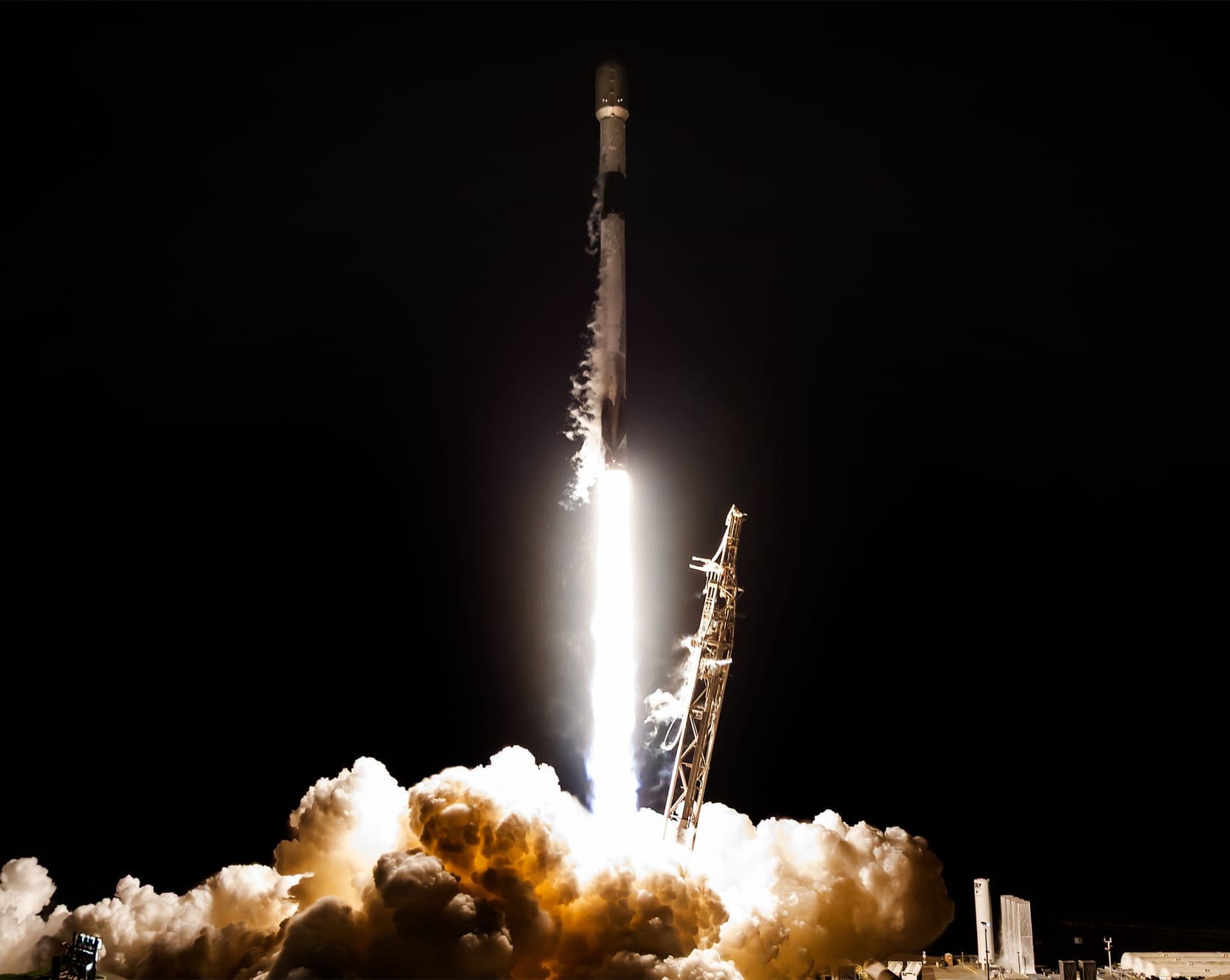
November 21st - Falcon 9 with USSF-317
SpaceX's Falcon 9 departed from Space Launch Complex 4E, in California, to bring a batch of military satellites into Earth orbit for the United States Space Force. Booster B1100 supported this mission for its eleventh flight, landing downrange on the drone ship 'Of Course I Still Love You'.
In Other Space News
Voyager-1 passes one light-day distance
Over forty-nine years on from starting to leave Earth, NASA's Voyager-1 spacecraft has not stopped gaining distance. On November 18th, it passed a world-first milestone by reaching a distance of one light-day from Earth.
A light-day is a unique unit of measurement and refers to the time it takes light traveling at the speed of light (approximately 299,792,458 meters per second) to go from one set point to another. For reference, it takes light 8.3 minutes to reach Earth once emitted from the Sun.
Voyager-1 reaching that distance has been a long process as it flies through interstellar space at around 16,987 meters per second. The spacecraft built speed through flybys of Jupiter, Saturn, their moons, and a few minor planets, eventually propelling it to enter interstellar space, leaving our solar system's heliopause, in late 2012.
Commenting on the spacecraft still actively flying nearly five decades into its mission, Dave Gallagher, Director of NASA's Jet Propulsion Laboratory, shared:
"[This] milestone stands as a testament to the exceptional teams who built, programmed, and fly these spacecraft today, and who have overcome countless challenges to keep them connected to Earth across the vastness of space."
Blue Origin to launch Google's orbital compute
Google and Blue Origin announced on November 19th that the New Glenn rocket has been selected to launch an undisclosed number of 'Project Suncatcher' space-based computing satellites as soon as the first quarter of 2029.
Few details were provided about those satellites, other than that they have an amount of compute capacity roughly equal to a standard data center rack through the use of Tensor Processing Units, powered by solar panels. Announcements about the selection did put emphasis on the payload capacity and volume of New Glenn's fairing, hinting at either their sizeable shape or large number being flown.
Speaking on the choice of New Glenn, Google's Senior Director of Project Suncatcher, Travis Beals, stated:
"Project Suncatcher is a long-term moonshot to scale artificial intelligence infrastructure in space by tapping into the abundant solar power in orbit. This dedicated launch with Blue Origin represents a crucial milestone on our roadmap as we expand the boundaries of what's possible for the future of compute."
What to Expect Next Week
November 22nd - Falcon 9 with NROL-136
A Falcon 9 is set to launch from Space Launch Complex 4E again, carrying another batch of U.S. military spacecraft into Earth orbit, this time for the National Reconnaissance Office.
November 23rd - Ariane 6 with LE-04
Europe's Ariane 6 is expected to fly into low Earth orbit from the Guiana Space Center to deploy thirty-six satellites for Amazon's Leo space-based internet constellation.
November 24th - Soyuz 2.1b with Progress MS-36
Russia is set to resupply the International Space Station's consumables and science experiments with the launch of a Progress spacecraft from the Baikonur Cosmodrome.
November 24th - Falcon 9 with USSF-266
Falcon 9 will launch more satellites for the United States Space Force into Earth orbit, once again flying out of Space Launch Complex 4E.
November 25th - Long March 2F/G for Shenzhou-24
China will launch its latest crew of taikonauts to the Tiangong Space Station from the Jiuquan Satellite Launch Center, with a Pakistani astronaut flying alongside them for a weeklong visit.
November 26th - Long March 2D with a to-be-annouced payload
A Long March 2D is expected to fly out of the Xichang Satellite Launch Center and into low Earth orbit, carrying a payload that will be named after liftoff.
November 26th - Spectrum for its third flight
Isar Aerospace's Spectrum rocket may fly for the third time out of the Andøya Spaceport in Norway, set to carry a single satellite for Germany's R-Space into low Earth orbit.
November 27th - Electron for 'Night Owls Never Sleep'
Rocket Lab's Electron is set to fly from the Māhia Peninsula in New Zealand and into low Earth orbit to deliver an Earth imaging satellite for Synspective.
November 27th - Long March 6A with Yaogan-50-04
A Long March 6A is readying to fly out of the Taiyuan Satellite Launch Center and into a retrograde Earth orbit, likely carrying the Yaogan-50-04 remote sensing satellite.
Join the discussion
Commenting is available to paid members.
View membershipSign in