Weekly Dose of Space (9/8-15/8)


Welcome back to Weekly Dose of Space! This week had another four orbital launch attempts occurring, with one sadly failing. News from the week has a lunar lander firm now making geostationary satellites and the monitoring of taikonaut health for a yearlong stay aboard China's space station. As always, we'll also look ahead to what the worldwide launch schedule might look like next week.

August 10th - Long March 7A with ChinaSat-4B
A Long March 7A was flying towards geostationary space while carrying ChinaSat-4B to provide radio, television, and communication services. However, just over a minute into flight, the vehicle failed due to a probable structural failure, subsequently exploding when its termination system activated.
Thomas (@_thomashayden) also edited a version for the mix. https://t.co/NwDJBS26oM pic.twitter.com/LkXvOxQ7Qf
— NSF - NASASpaceflight.com (@NASASpaceflight) August 10, 2026
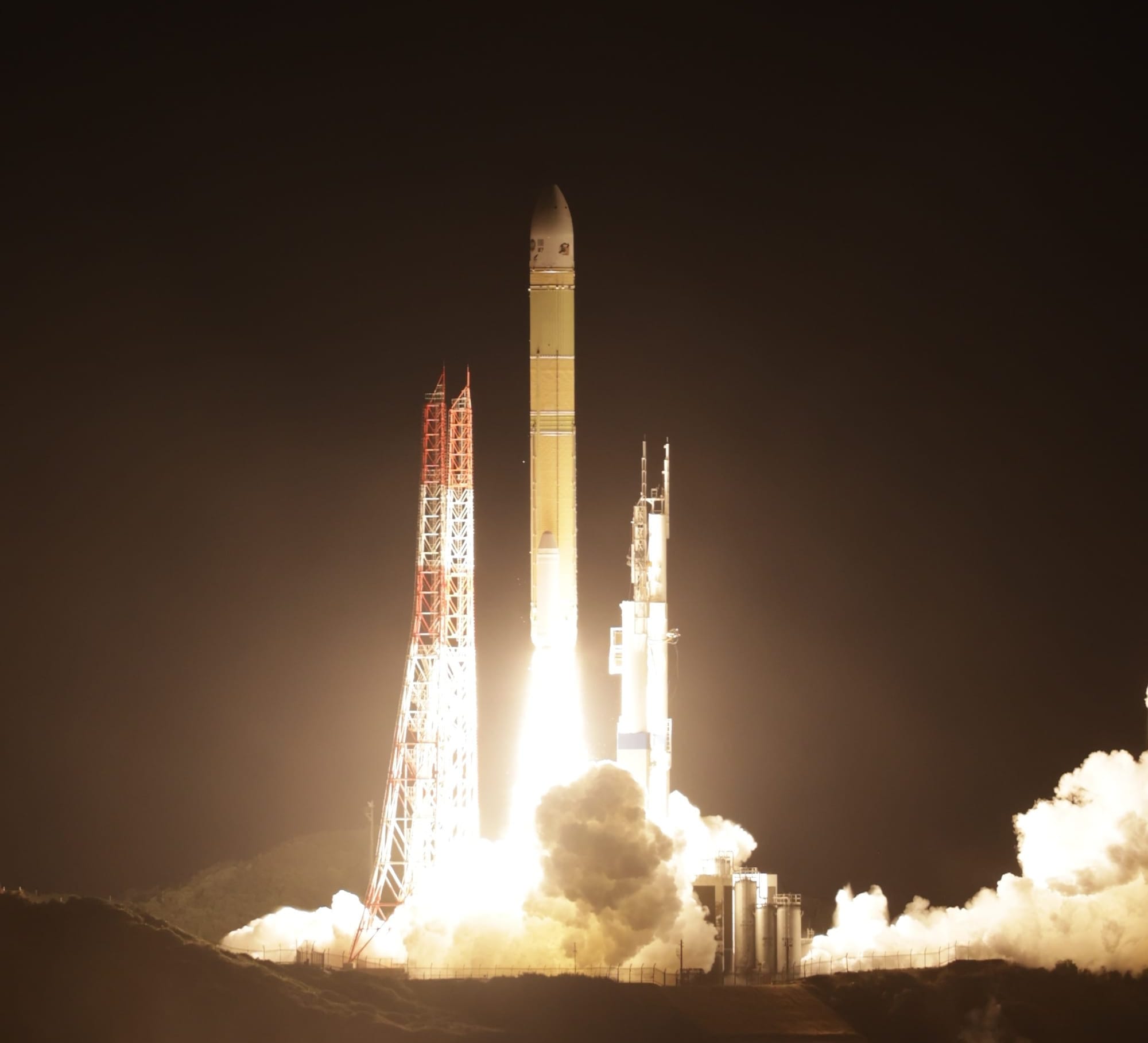
August 10th - H3 with Michibiki-7
Japan's H3 rocket lifted off from the Tanegashima Space Center and flew into a geostationary transfer orbit to deliver the Michibiki-7 satellite. That satellite is tasked with providing navigation services as well as observations of the surrounding geostationary environment for the U.S. Space Force.
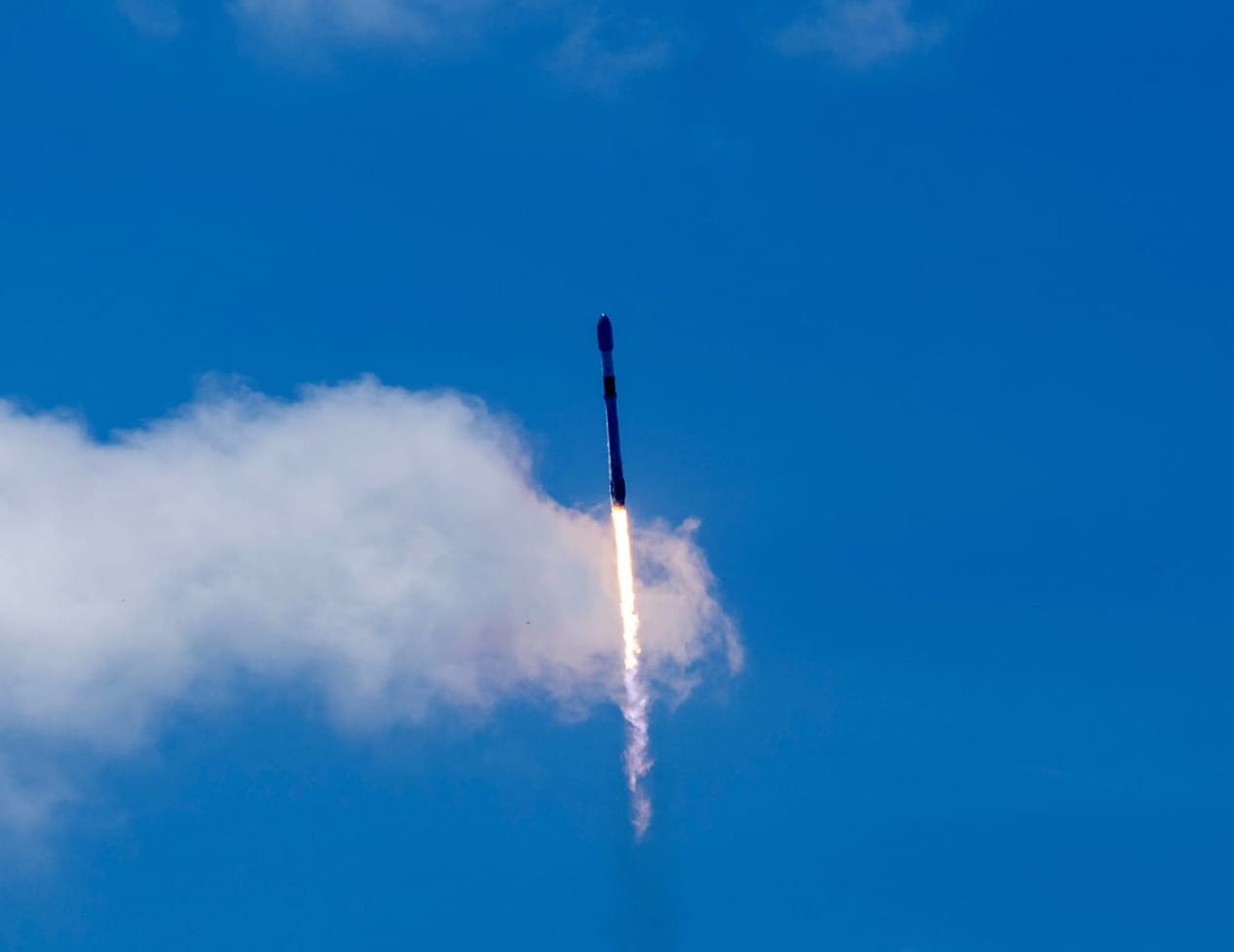
August 11th - Falcon 9 with Starlink Group 10-19
Twenty-nine Starlink satellites were brought into low Earth orbit by a Falcon 9 flying from Space Launch Complex 40, in Florida. Supporting this launch was booster B1085 for its eighteenth flight, landing downrange on the drone ship 'A Shortfall Of Gravitas'.
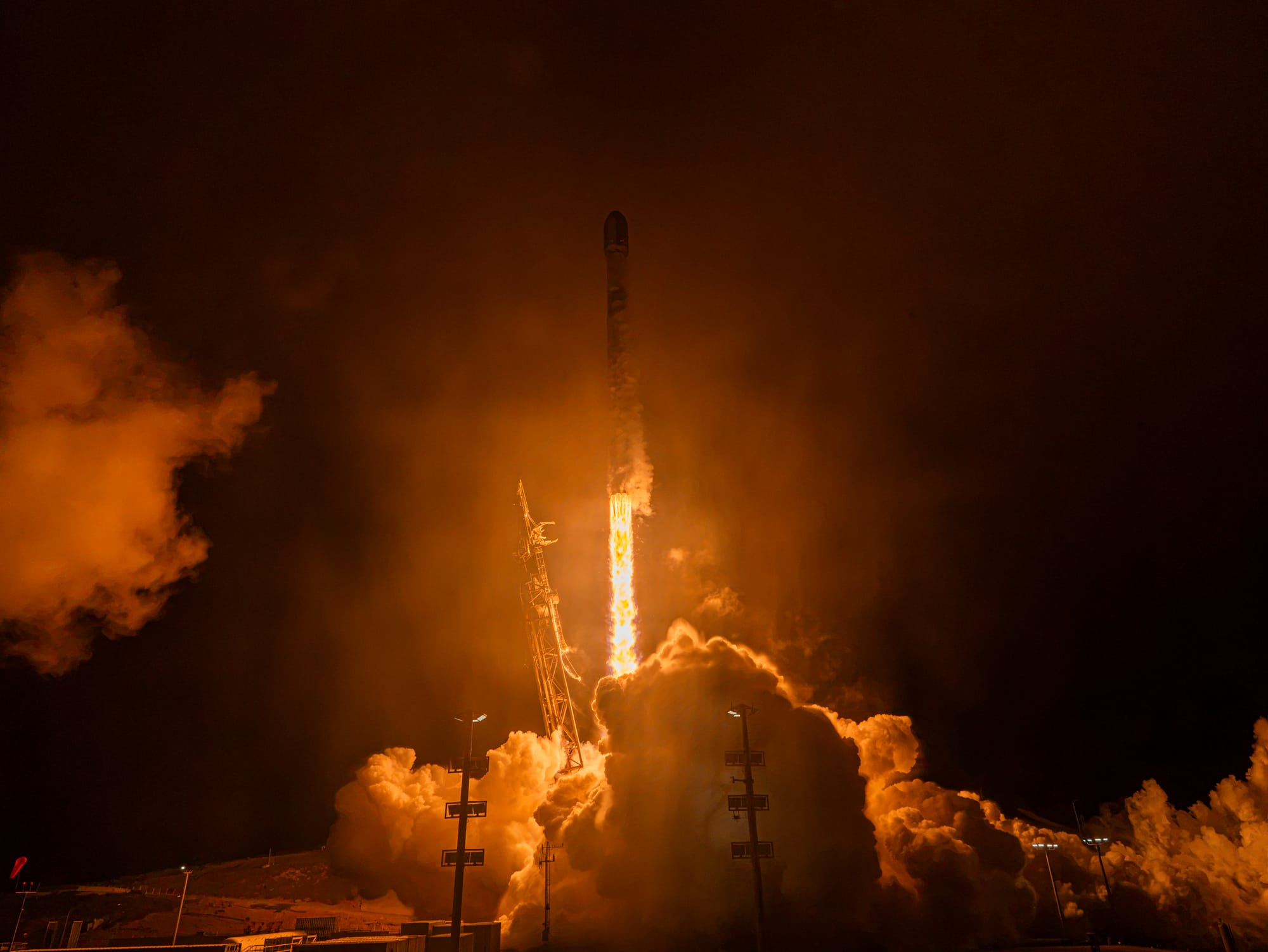
August 12th - Falcon 9 with Starlink Group 17-49
Another twenty-four Starlink satellites were added to low Earth orbit via a Falcon 9 launching from Space Launch Complex 4E, in California. For its fifth mission, booster B1103 supported this launch, touching down aboard the drone ship 'Of Course I Still Love You' downrange.

In Other Space News
Intuitive Machines to build three geostationary satellites
Intuitive Machines, a company best known for two troubled missions to the Moon, is now set to build its first three geostationary communication satellites, SpaceNews reports. The capability to build those comes after the acquisition of Lanteris Space Systems when Maxar (now Vantor) split into two distinct firms.
Those satellites have been ordered from an undisclosed customer for 600 million United States Dollars, to be paid over two and a half years. All three of them will make use of the IM-1300 design, which has been used for almost one hundred spacecraft and continuously improved since 1989.
SpaceNews suspects that communication satellite operator SES ordered the three satellites, with competitors Eutelsat and Telesat not known to be considering new additions to their fleets.
Taikonaut health monitored for yearlong stay
Since late May, taikonauts Zhu Yangzhu, Li Jiaying, and Zhang Zhiyuan have been onboard China's Tiangong Space Station for the Shenzhou-23 mission. One of the three crew members, to be selected based on physical and mental health, will stay onboard the station until May 2027.
For that, in a recent weekly update, the China Manned Space Agency shared that several experiments and research items took place to monitor the three taikonauts' health. Those included ultrasound examinations of arteries and bones around their spines, abdomens, and lower legs. Additionally, cooperative behavioral evaluations and kinematic data collection during standard exercise were performed.
Beyond health evaluations, the crew of three has been busy growing crops, performing virology research, installing new hardware inside and outside, alongside generally maintaining the orbiting laboratory.

What to Expect Next Week
August 16th - Falcon 9 with Globalstar 2-R
Globalstar will have nine satellites placed into low Earth orbit for its mobile communications network via a Falcon 9 flying from Space Launch Complex 40.
August 16th - Falcon 9 for USSF-366
From Space Launch Complex 4E a Falcon 9 will fly into Earth orbit to deliver a group of U.S. military satellites.
August 16th - Long March 12 with GuoWang Group 24
Nine more GuoWang satellites will ride a Long March 12 into low Earth orbit from the Wenchang Commercial Space Launch Site to expand the space-based connectivity constellation
August 17th - Long March 2C with a to-be-annouced payload
A Long March 2C is likely to fly into low Earth orbit from the Taiyuan Satellite Launch Center to deliver a customer satellite.
August 18th - Zhuque-3 for its second mission
LandSpace is preparing the second flight of its partially reusable Zhuque-3 launch vehicle, departing from the Jiuquan Satellite Launch Center, which will have the first-stage attempt to land downrange, while the second-stage may bring satellites into low Earth orbit.
August 19th - Falcon 9 with Starlink Group 17-50
A new batch of Starlink satellites are set to be brought into low Earth orbit by a Falcon 9 departing from Space Launch Complex 4E.
August 20th - Falcon 9 with Starlink Group 10-39
More Starlink satellites will be deployed into low Earth orbit atop of a Falcon 9 launch out of Space Launch Complex 40.
August 22nd - Falcon 9 with Starlink Group 15-20
Another Falcon 9 will deploy even more Starlink satellites into low Earth orbit by flying from Space Launch Complex 4E.