Weekly Dose of Space (20/9-26/9)

Welcome back to Weekly Dose of Space! Last week saw six launches occurring from both sides of the Pacific, with a few constellations' growth supported. News during the week had four nations sign the Artemis Accords and Arabsat contract a satellite from China. As always, we'll also look ahead to what the worldwide launch schedule might look like next week.
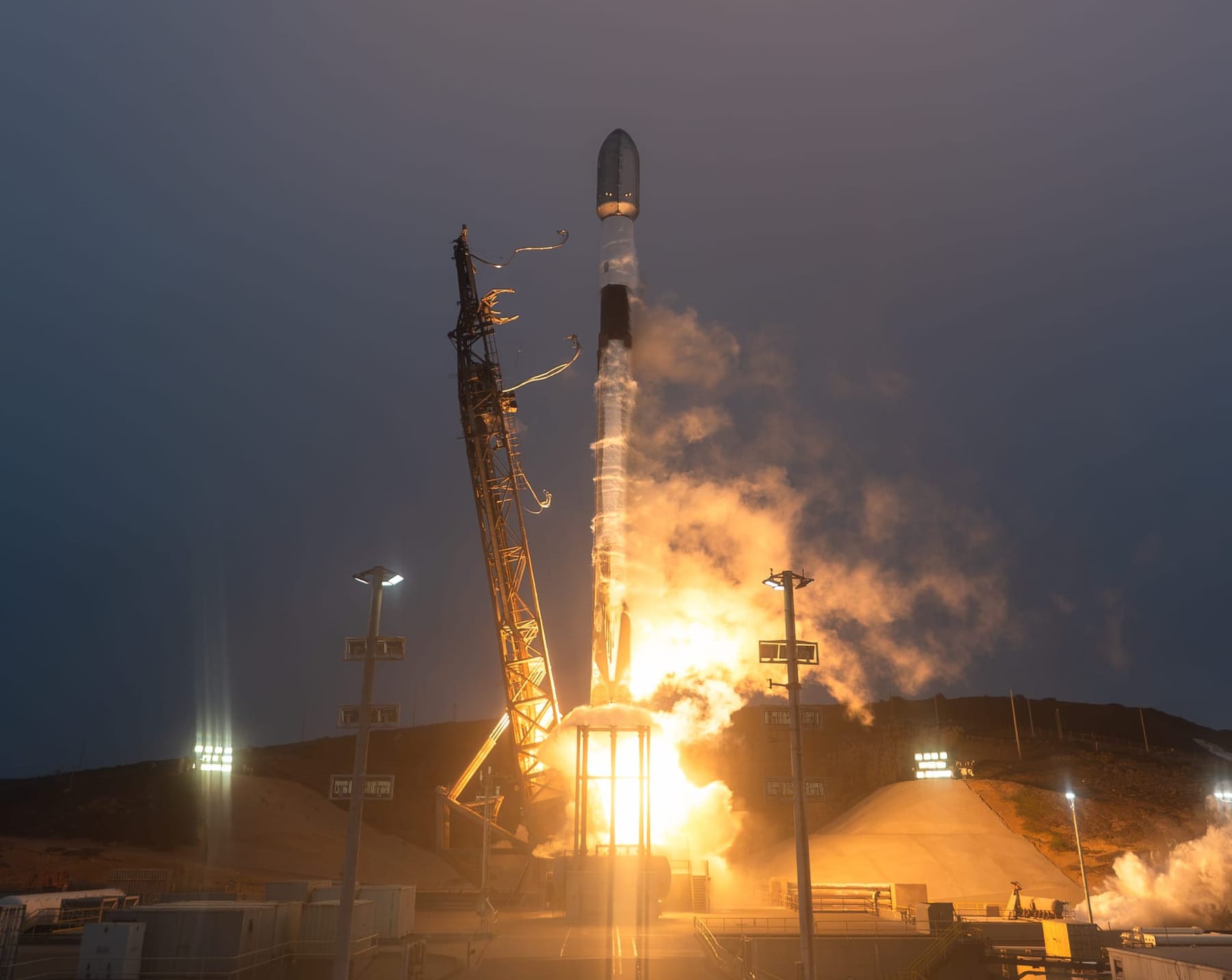
September 20th - Falcon 9 with Starlink Group 15-27
Twenty-seven Starlink satellites were placed into low Earth orbit by a Falcon 9 flying from Space Launch Complex 4E, in California. The launch was supported by booster B1093, flying for the seventeenth time with a landing downrange on the drone ship 'Of Course I Still Love You'.
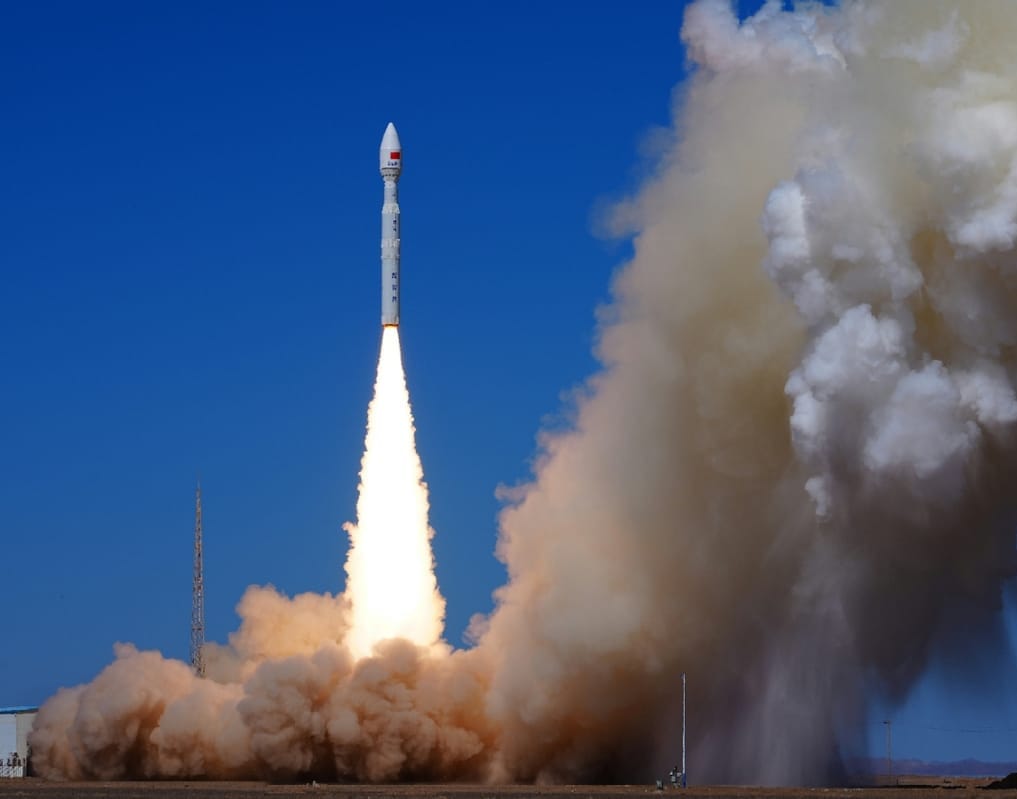
September 20th - Kinetica-1 with a rideshare launch
CAS Space's Kinetica-1 flew into sun-synchronous orbit to deliver a handful of customer satellites from the Jiuquan Satellite Launch Center. Nine satellites were deployed from the rocket's fourth-stage, and were:
- Chaozhisuan-1, an orbital compute demonstration spacecraft.
- PEGA-SUS1, a connectivity-compute technology verification satellite.
- Pujiang-4, for carbon dioxide and methane emission monitoring.
- The Qinling-01 and 02 high-resolution Earth imaging spacecraft.
- Diting-1A, 1B, and 1C for monitoring electromagnetic frequencies.
- And the remote sensing Yunxiao Pathfinder Satellite.
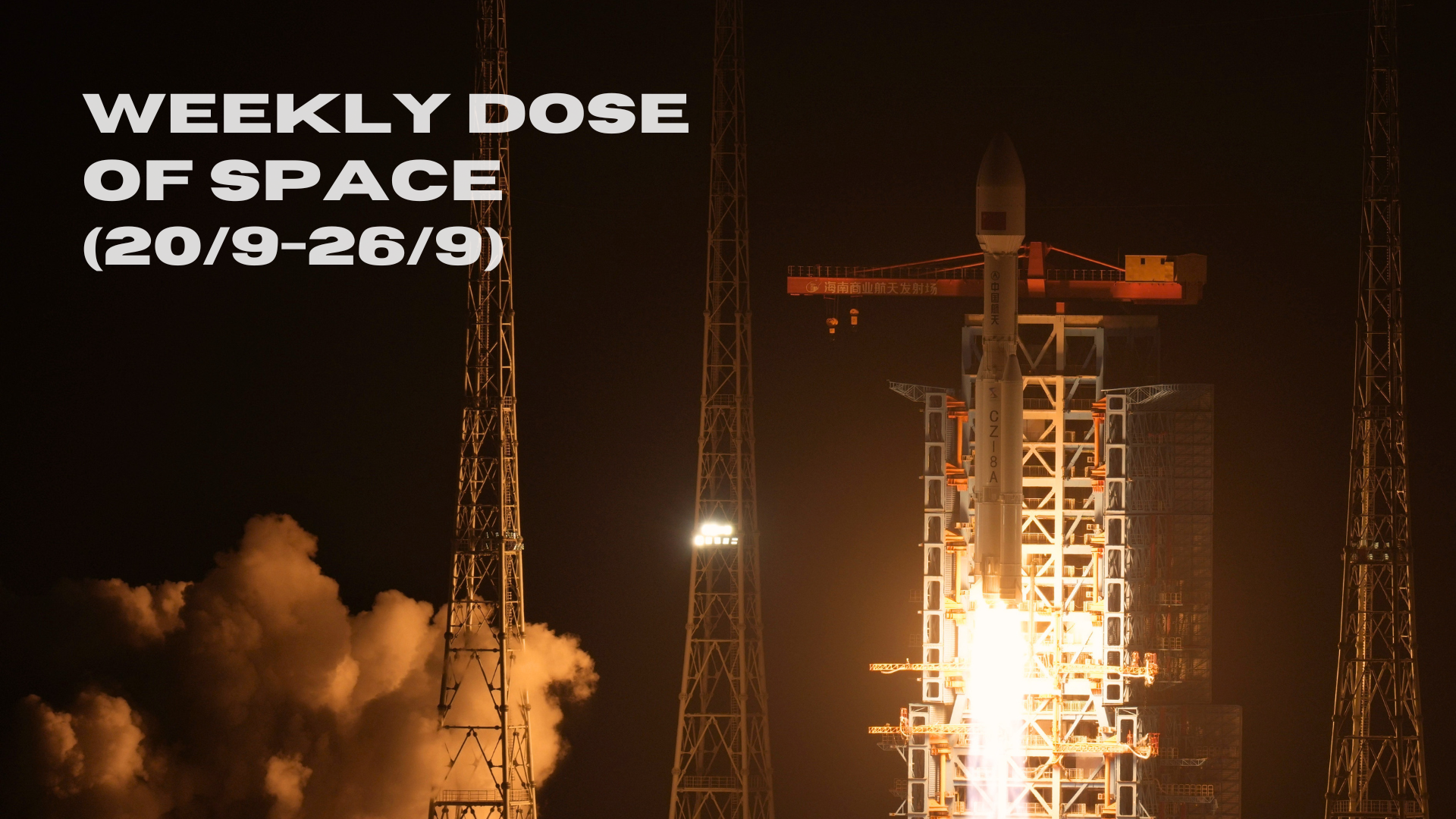
September 23rd - Long March 8A with GuoWang Group 26
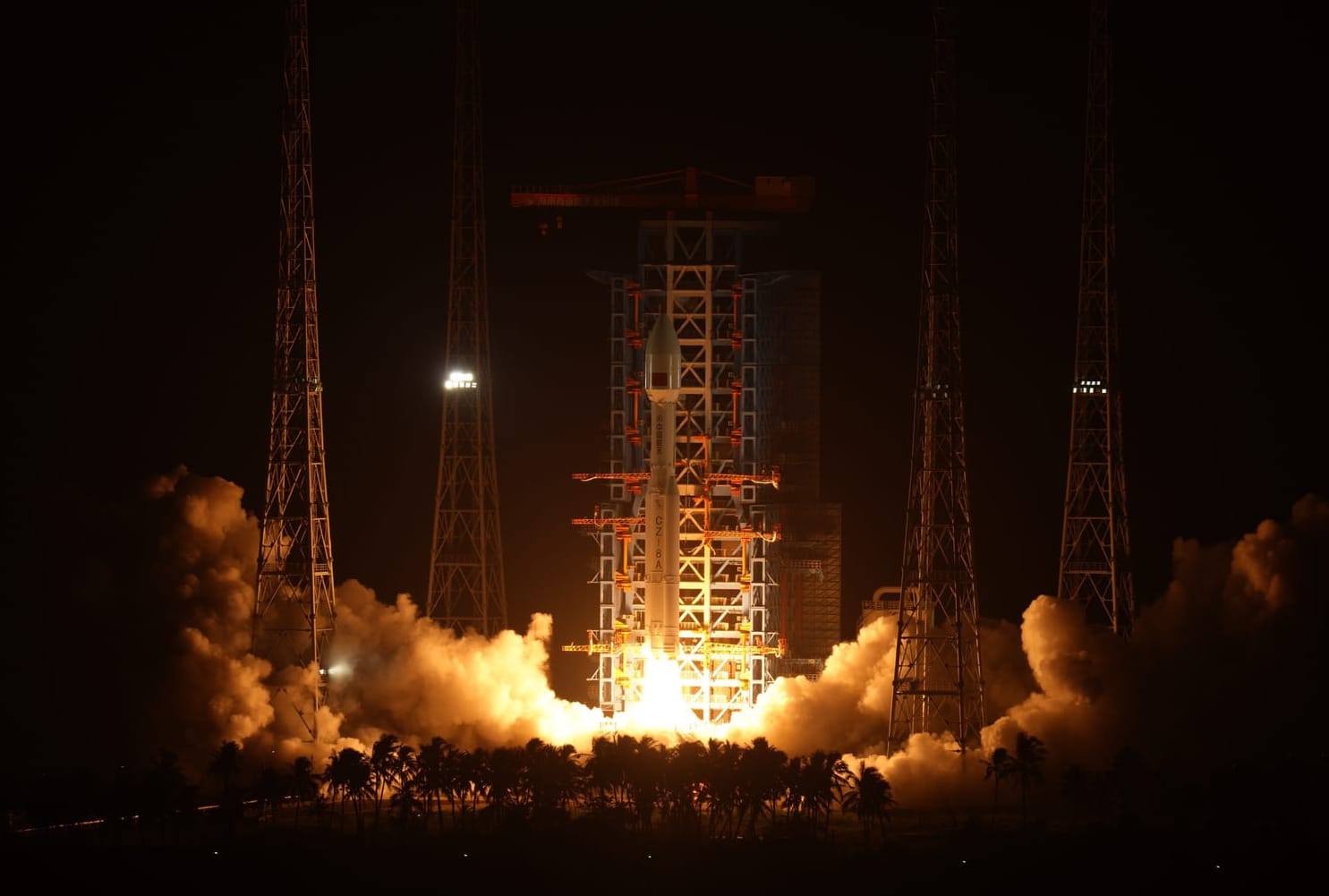
A Long March 8A flew from the Wenchang Commercial Space Launch Site and into low Earth orbit to deliver the latest group of nine satellites for the GuoWang connectivity constellation. With that launch, 213 GuoWang spacecraft are in orbit.
September 24th - Long March 6A with Yaogan-40 Group-04
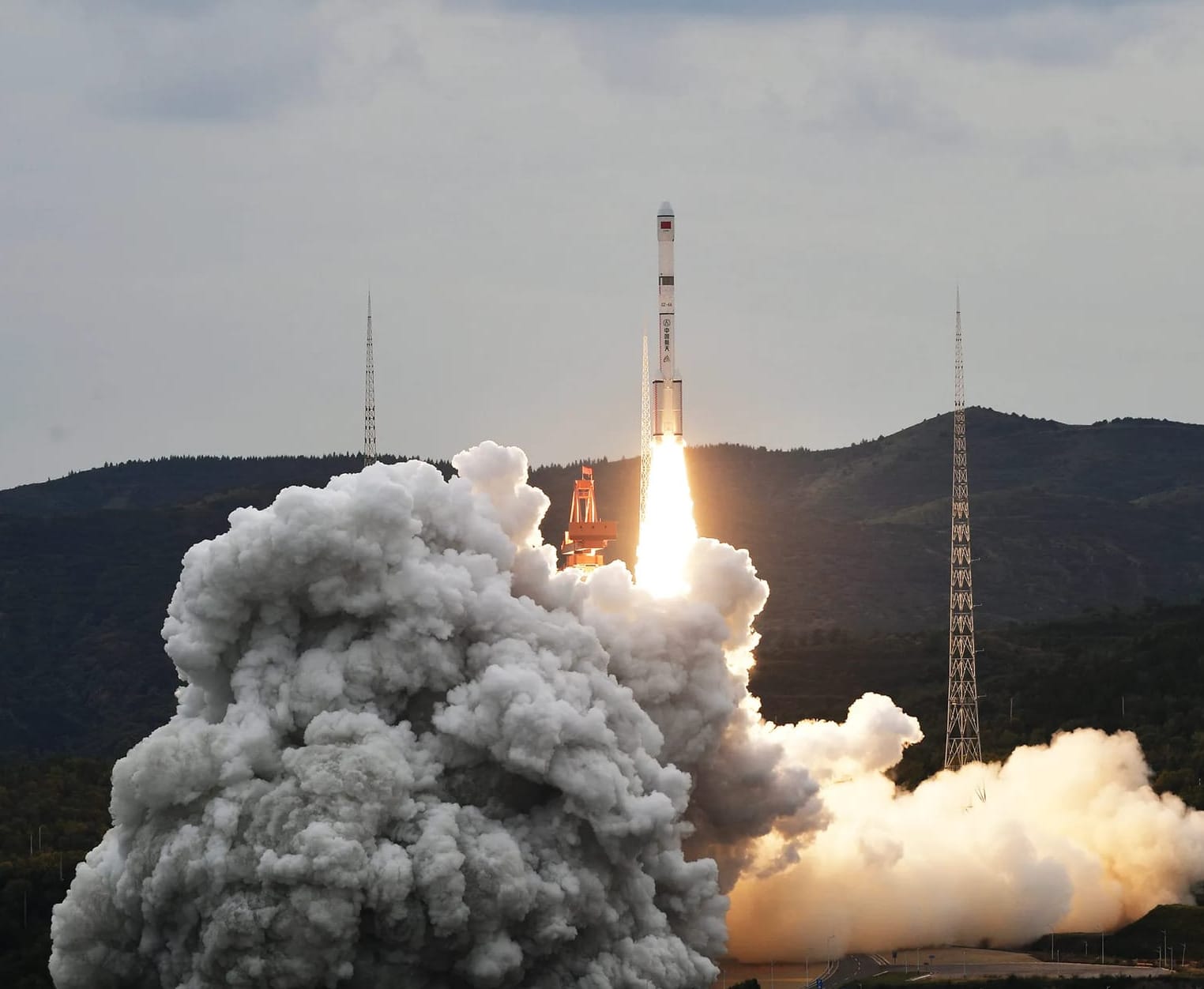
From the Taiyuan Satellite Launch Center, a Long March 6A launched to polar orbit to deploy three satellites for Yaogan-40's Group-04. Those satellites are tasked with electromagnetic environment detection, and join nine already in orbit for that purpose.
September 26th - Electron for 'Owlright, Owlright, Owlright'
Synspective had another StriX remote sensing satellite brought into low Earth orbit by Rocket Lab's Electron, flying from Launch Complex 1B on the Māhia Peninsula in New Zealand. The new satellite joins a small fleet designed to collect images of Earth at a resolution as low as 1 meter.
LIFTOFF! Electron has launched for the 97th time🚀 pic.twitter.com/cwy4aOG4wQ
— Rocket Lab (@RocketLab) September 26, 2026
September 26th - Falcon 9 with USSF-385
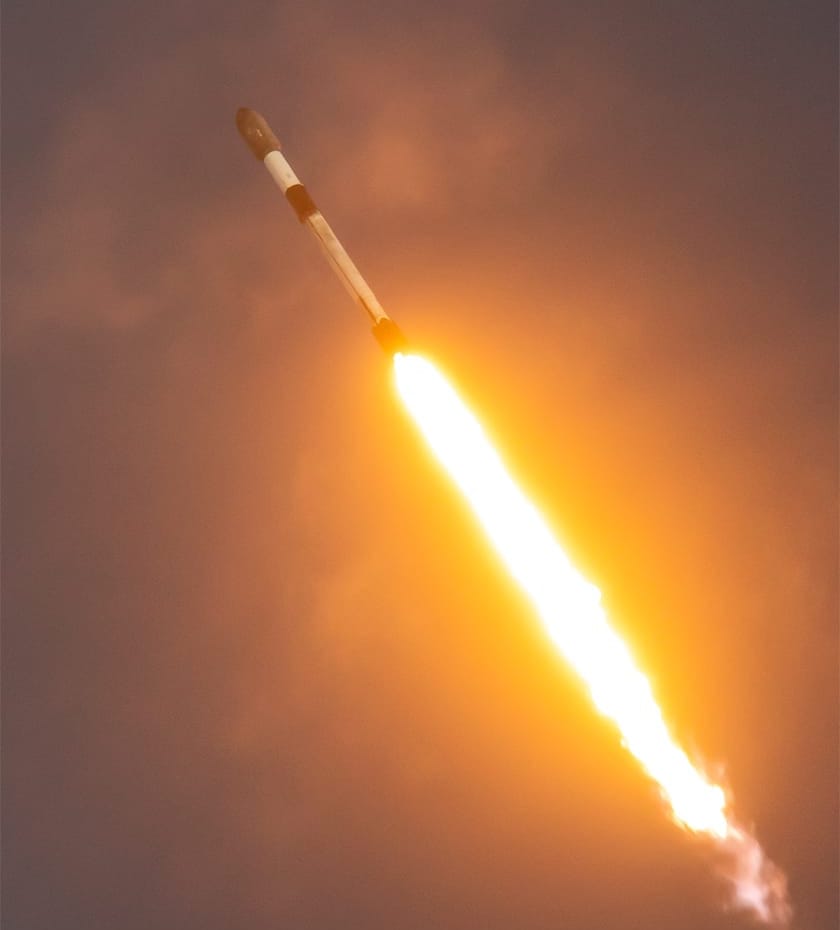
Falcon 9 launched out of Space Launch Complex 4E to deploy a set of military satellites into low Earth orbit for the United States Space Force. Booster B1100 supported the mission for its tenth flight, landing on the drone ship 'Of Course I Still Love You' downrange.
In Other Space News
New nations sign Artemis Accords
During the past week, four nations have signed onto the U.S.-spearheaded Artemis Accords, and its interpretation of outer space law. The first of those was Albania on September 21st, with Ferit Hoxha, Minister for Europe and Foreign Affairs, signing on behalf of his country. Upon doing so, at an event in Washington D.C., he shared:
"It is a great honor for Albania to join the growing community of nations that have signed these important Artemis Accords. By taking this step, Albania affirms its commitment to peaceful, transparent, sustainable, and cooperative exploration of space. We do so as a country deeply committed to international law, multilateral cooperation, and the belief that humanity’s greatest achievements are realized not in isolation, but through partnerships."
Two days later, on September 23rd, Croatia held an event in its capital, Zagreb, to join the Accords. Minister of Science, Education, and Youth Radovan Fuchs did the formal signing, and said afterwards:
"Croatian scientists and companies are demonstrating growing interest in the space industry. We have therefore decided to expand our international cooperation by joining the Artemis Accords. This international agreement has been recognized as a key opportunity for the robust development of Croatia’s scientific community, the introduction of new technologies, and the strengthening of the economy."
Then in Africa, Côte d’Ivoire held a similar event in Abidjan, its economic capital, to become a signatory on September 24th. Adama Diawara, Minister of Higher Education and Scientific Research, signed the Accords and quickly stated:
"This is a great achievement, and important for Côte d’Ivoire’s ambitions and for the rest of the African Union members."
Lastly, on September 25th, the tiny European nation of San Marino agreed to the Accords. Minister of Industry and Technological Research Rossano Fabbri signed on behalf of the small state, and subsequently commented:
"We are pleased and honored that the Republic of San Marino has been welcomed as the 76th signatory state of the Artemis Accords. We fully share the principles and values expressed in the Artemis Accords, and we are convinced that the signatory states united under the Accords will make a tangible contribution to promoting international cooperation in space and ensuring the use of space for peaceful purposes."
All signing events were done in the presence of U.S. Department of State officials, with Albania's also having NASA Deputy Administrator Matt Anderson there. Anderson did send recorded statements to the other nations.
With the four nations signing, seventy-six nations have signed the Artemis Accords, under a third of the member states of the United Nations.
Arabsat-50 contract awarded to China
Departing from its usual practice of contracting its satellite production and launch to Europe or America, Arabsat's next communications spacecraft, designated Arabsat-50, was announced to be the responsibility of Chinese firms on September 22nd.
The China Great Wall Industry Corporation will act as the lead contractor, while the China Academy of Space Technology will develop the spacecraft upon its Dongfanghong-3E platform, and the China Academy of Launch Vehicle Technology will send it towards geostationary space atop of Long March 3B/E from the Xichang Satellite Launch Center, expected in the coming years. All of those firms are state-owned.
Arabsat-50 is set to provide television broadcast and connectivity services to users across the north of Africa and the Middle East via high-power Ku-band antennas. The spacecraft will be fairly small, weighing no more than 2,100 kilograms, but flexible thanks to its use of electric propulsion for all maneuvers. It is expected to function for up to fifteen years as well.
Upon the launch of Arabsat-50, China will have added to the Arabsat fleet for the first time in the organization's fifty-year history, which is also where the spacecraft designation is derived from.
What to Expect Next Week
September 28th - Starship-Super Heavy for its fourteenth flight test
SpaceX is set to launch the fourteenth flight test of its fully reusable Starship-Super Heavy launch vehicle, which will head into orbit for the first time and deploy twenty-six Starlink V3 satellites.
October 1st - Falcon 9 with Crew-13
NASA astronauts Jessica Watkins and Luke Delaney, along with Canada's Joshua Kutryk and Russia's Sergey Teteryatnikov, will be launched to the International Space Station from Space Launch Complex 40, atop of a Falcon 9 and inside Crew Dragon.
October 1st - Falcon 9 with Transporter-18
A Falcon 9 will perform SpaceX's Transporter-18 rideshare mission from Space Launch Complex 4E, expected to deploy over one hundred small satellites into sun-synchronous orbit.
October 2nd - Falcon Heavy with NROL-97
Florida's Launch Complex 39A will have a Falcon Heavy depart for a high-energy orbit to carry a U.S. military satellite on behalf of the National Reconnaissance Office.