Weekly Dose of Space (13/9-19/9)

Welcome back to Weekly Dose of Space! This week had eleven launches taking place worldwide, with a handful adding to constellations in low Earth orbit. News of the week in Djibouti joining the Artemis Accords and NASA buying more Crew Dragon flights from SpaceX. As always, we'll also look ahead to what the worldwide launch schedule might look like next week.
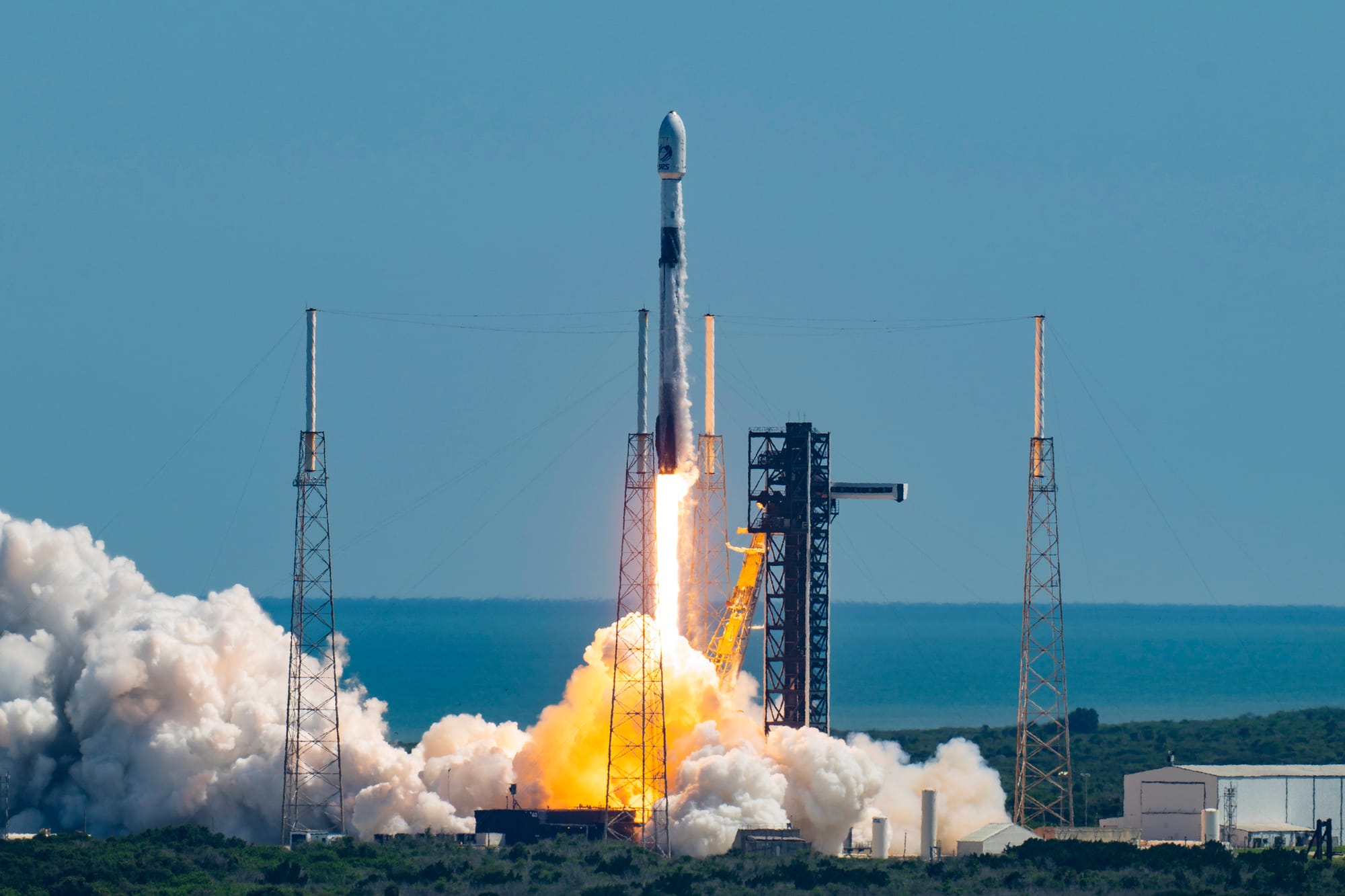
September 13th - Falcon 9 with three O3b mPOWER satellites
From Space Launch Complex 40 in Florida, Falcon 9 flew into a medium Earth orbit to deliver three Boeing-made O3b mPOWER satellites for SES, to enhance their connection services. Supporting the launch was booster B1080, flying for the twenty-ninth time and landing on the drone ship 'A Shortfall Of Gravitas' downrange.
September 15th - Vega-C with Sentinel-3C & FLEX
Europe's Vega-C departed from the Guiana Space Centre into sun-synchronous orbit to deliver the Sentinel-3C Earth observation satellite for the Copernicus Programme. The Fluorescence Explorer (FLEX) for the European Space Agency was a secondary passenger, with it being tasked to map vegetation fluorescence globally.
Liftoff! 🚀 FLEX and Sentinel-3C are on their way.
— European Space Agency (@esa) September 15, 2026
Vega-C #VV30 has departed Europe’s Spaceport carrying the two Earth observation satellites into orbit. pic.twitter.com/Jm59afOfhW
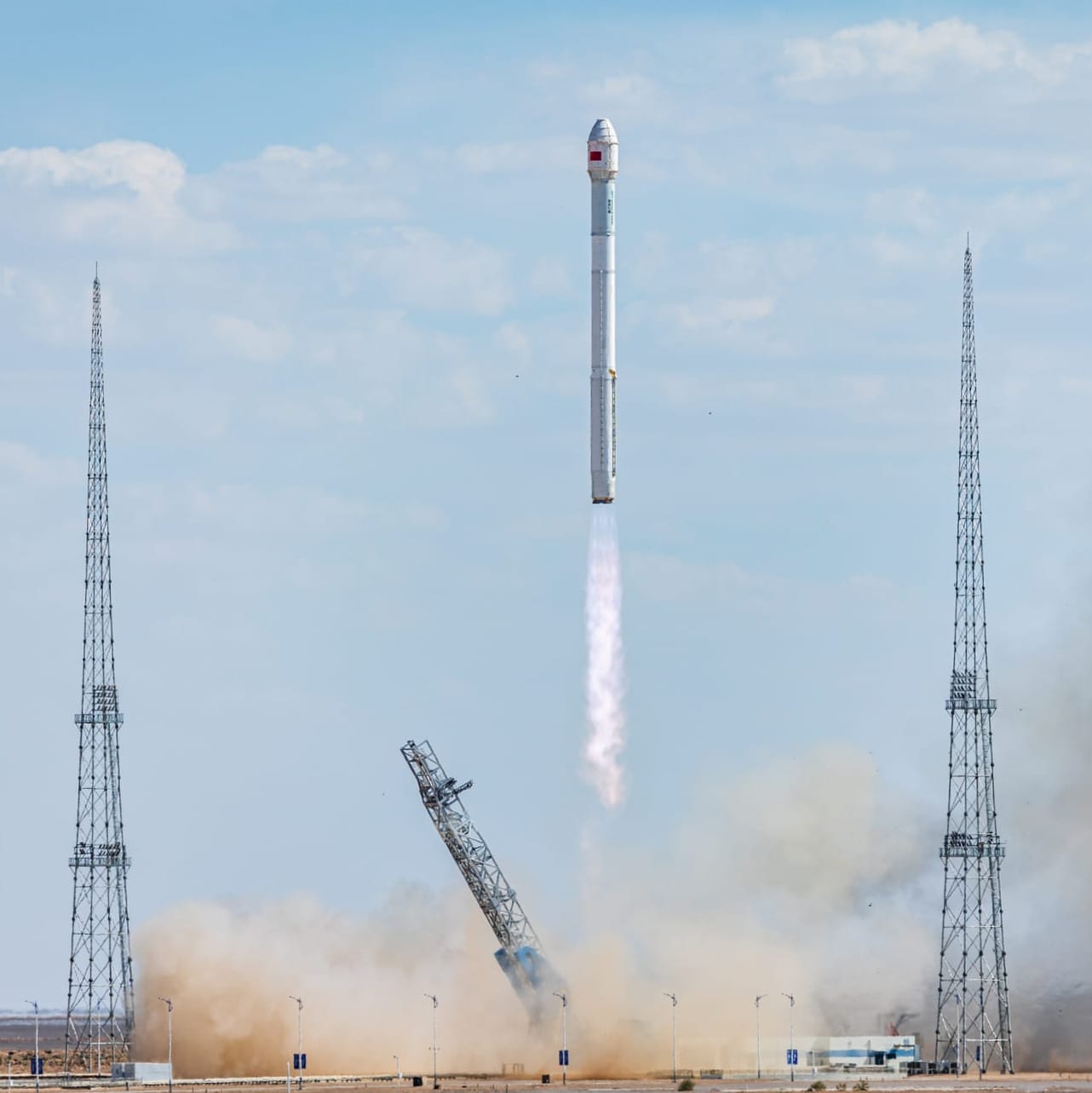
September 15th - Zhuque-2E with ten Qianfan satellites
LandSpace's Zhuque-2E headed for a polar orbit, out of the Jiuquan Satellite Launch Center, carrying ten Qianfan space-based connectivity satellites into space for the first time. That launch also grew the constellation to 248 spacecraft.
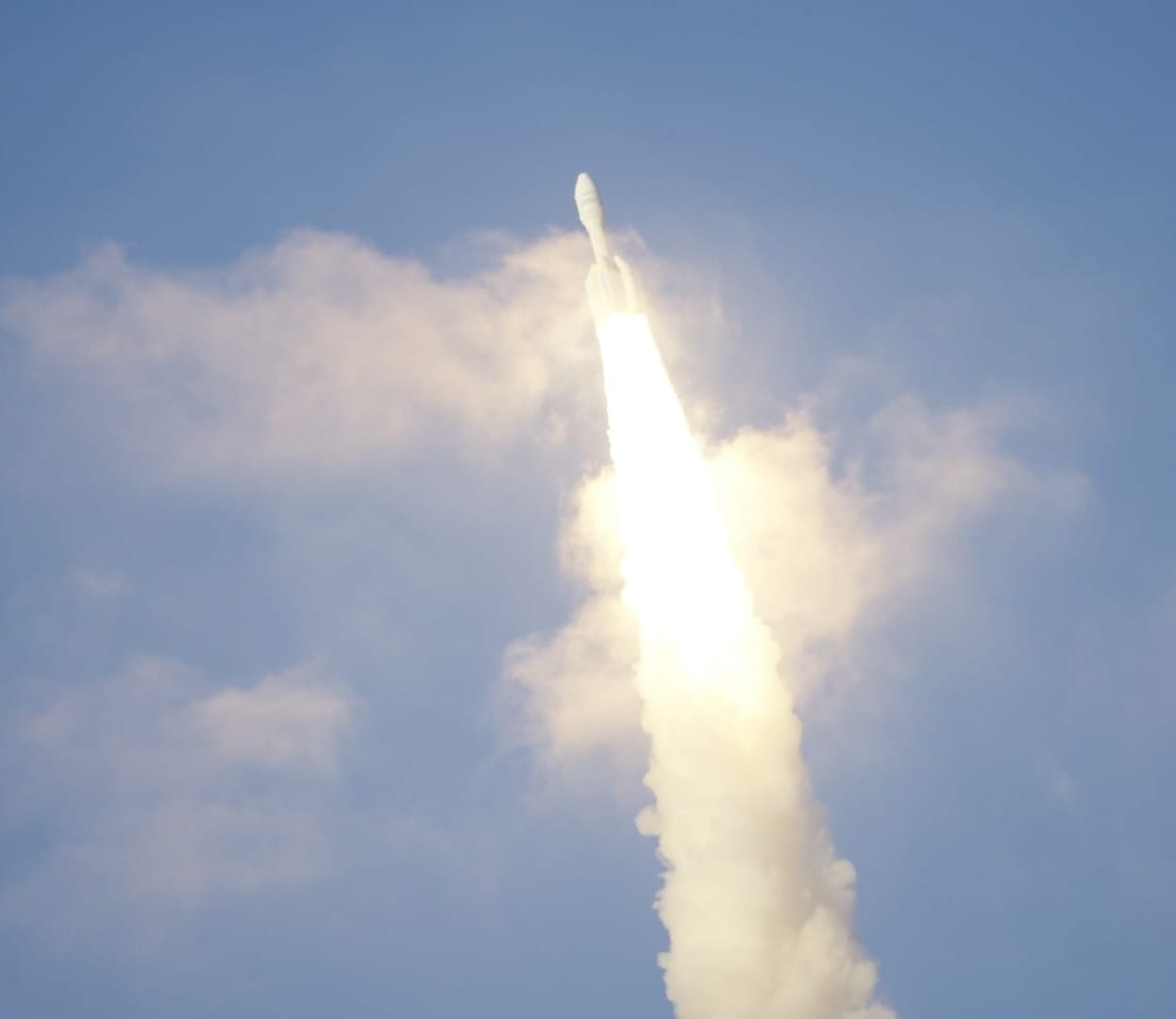
September 15th - Gravity-1 with eight Qianfan satellites, one test spacecraft
Later on the same day, the Qianfan constellation had its first sea launch performed by Gravity-1 out of the East China Sea, deploying eight operational satellites and a test spacecraft known as ‘Enhanced Ultra High Throughput'. This launch brought the constellation's operational count to 256.
September 16th - Soyuz 2.1b with Progress MS-35
Russia utilized a Soyuz 2.1b to send the Progress MS-35 spacecraft towards the International Space Station, departing from the Baikonur Cosmodrome. The spacecraft will deliver new science experiments, clothes, water, food, and other utilities.
Successful launch of Soyuz-2.1b with Progress MS-35 cargo spacecraft!
— afec7032 🇷🇺 (@afec7032) September 16, 2026
Docking to the ISS is scheduled for September 19 at 16:47 Moscow Time (13:47 UTC)
Key moments of this launch:
1. LIftoff
2. 1st stage (boosters) separation
3. Separation of Progress MS-35 from the 3rd stage pic.twitter.com/5adqckK91H
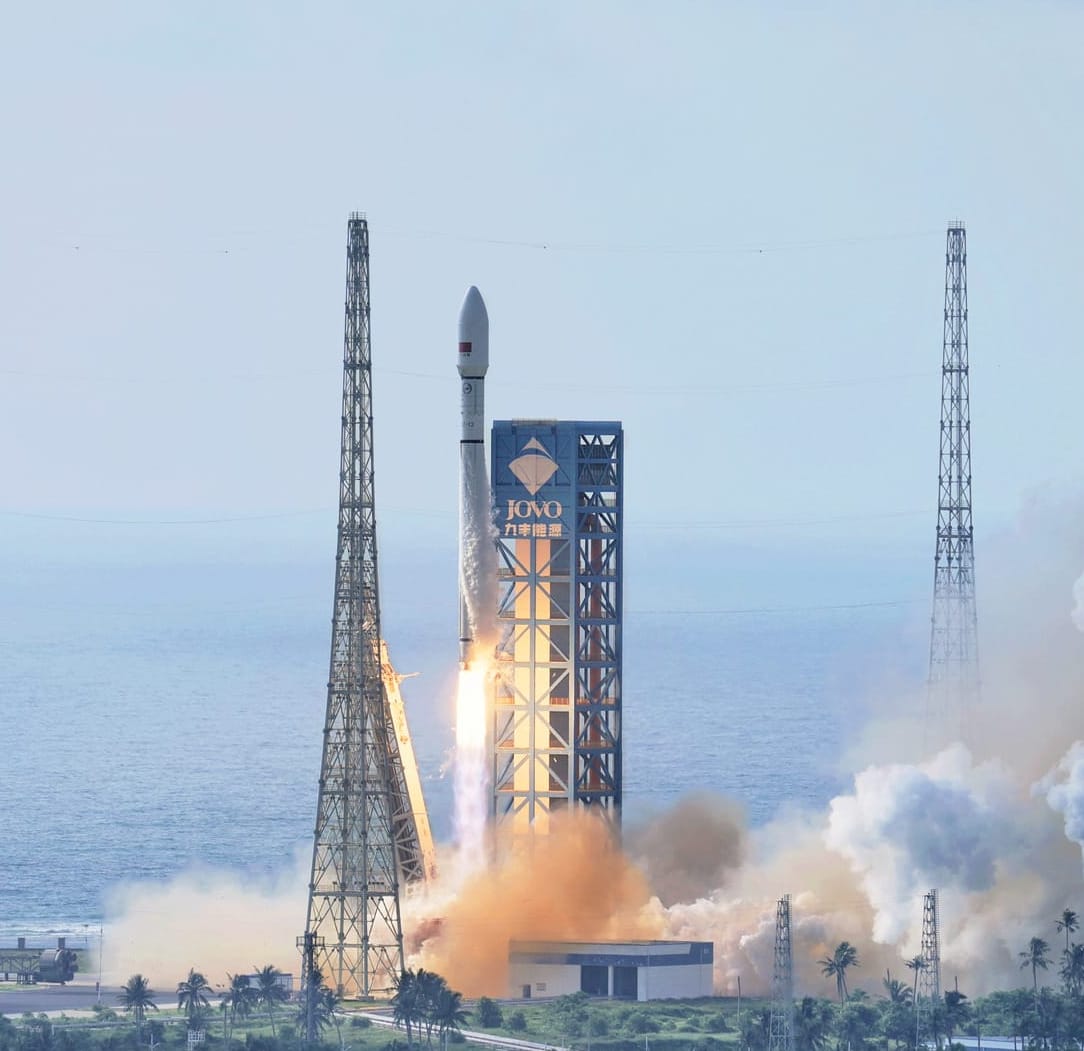
September 17th - Long March 12 with GuoWang Group 25
From the Wenchang Commercial Space Launch Site, a Long March 12 flew into low Earth orbit to place nine GuoWang satellites into space. Those satellites bring the state-back connectivity constellations total count to 204.
September 17th - Falcon 9 with USSF-259
A Falcon 9 flew from Space Launch Complex 4E, in California, to deliver a set of U.S. military satellites into low Earth orbit. The booster supporting that launch was B1097, for its thirteenth mission with a downrange landing on the drone ship 'Of Course I Still Love You'.
September 17th - Kuaizhou-11 with Tianyi-51 & Tianyi-52
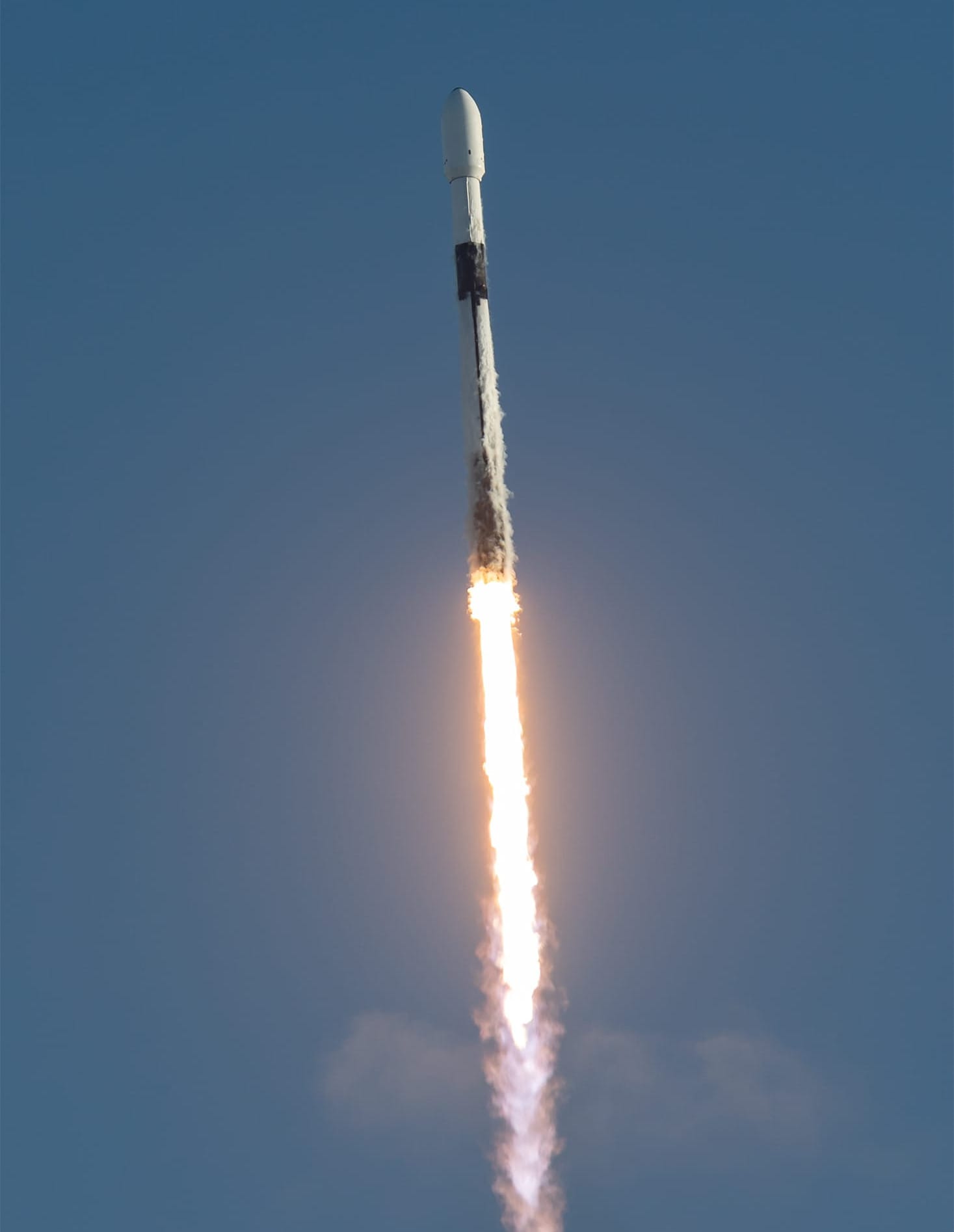
ExPace's Kuaizhou-11 blasted off from the Jiuquan Satellite Launch Center, heading for low Earth orbit, carrying SpaceTY's Tianyi-51 and Tianyi-52 C-band interferometric synthetic-aperture radar satellites. Those satellites will capture images of Earth at a resolution of up to 2 meters for Chinese clients.
September 17th - Soyuz 2.1b with Cosmos spacecraft
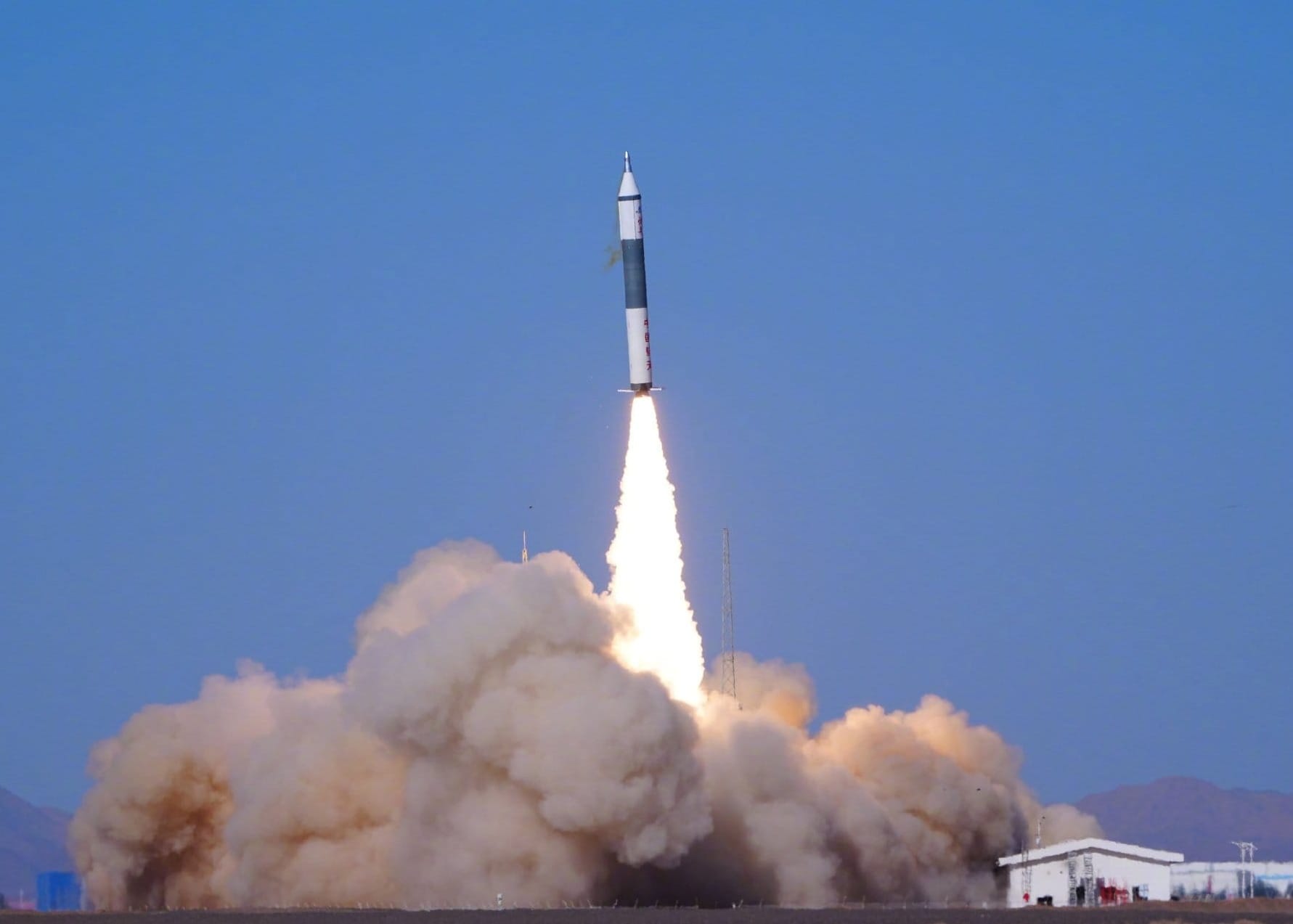
Out of the Plesetsk Cosmodrome, a Soyuz 2.1b headed into Earth orbit carrying an unknown number of classified satellites. Those satellites also have an unknown purpose.
Ministry of Defense shows video of yesterday's launch of Soyuz-2.1b from Plesetsk, carrying a satellite in the interests of MoD https://t.co/SbbdO0ZVHE pic.twitter.com/jwg8Scmefp
— afec7032 🇷🇺 (@afec7032) September 18, 2026
September 19th - Electron for 'Owl By The Dozen'
Rocket Lab's Electron rocket flew into low Earth orbit from Launch Complex 1B, on the Māhia Peninsula in New Zealand, carrying a StriX satellite on behalf of Synspective. That satellite is expected to collect images of Earth at a resolution as low as 1 meter.
LIFTOFF! Electron has launched for the 96th time🚀 pic.twitter.com/BZp4cCK84C
— Rocket Lab (@RocketLab) September 19, 2026
September 19th - Long March 2D with four PIESAT-2 satellites
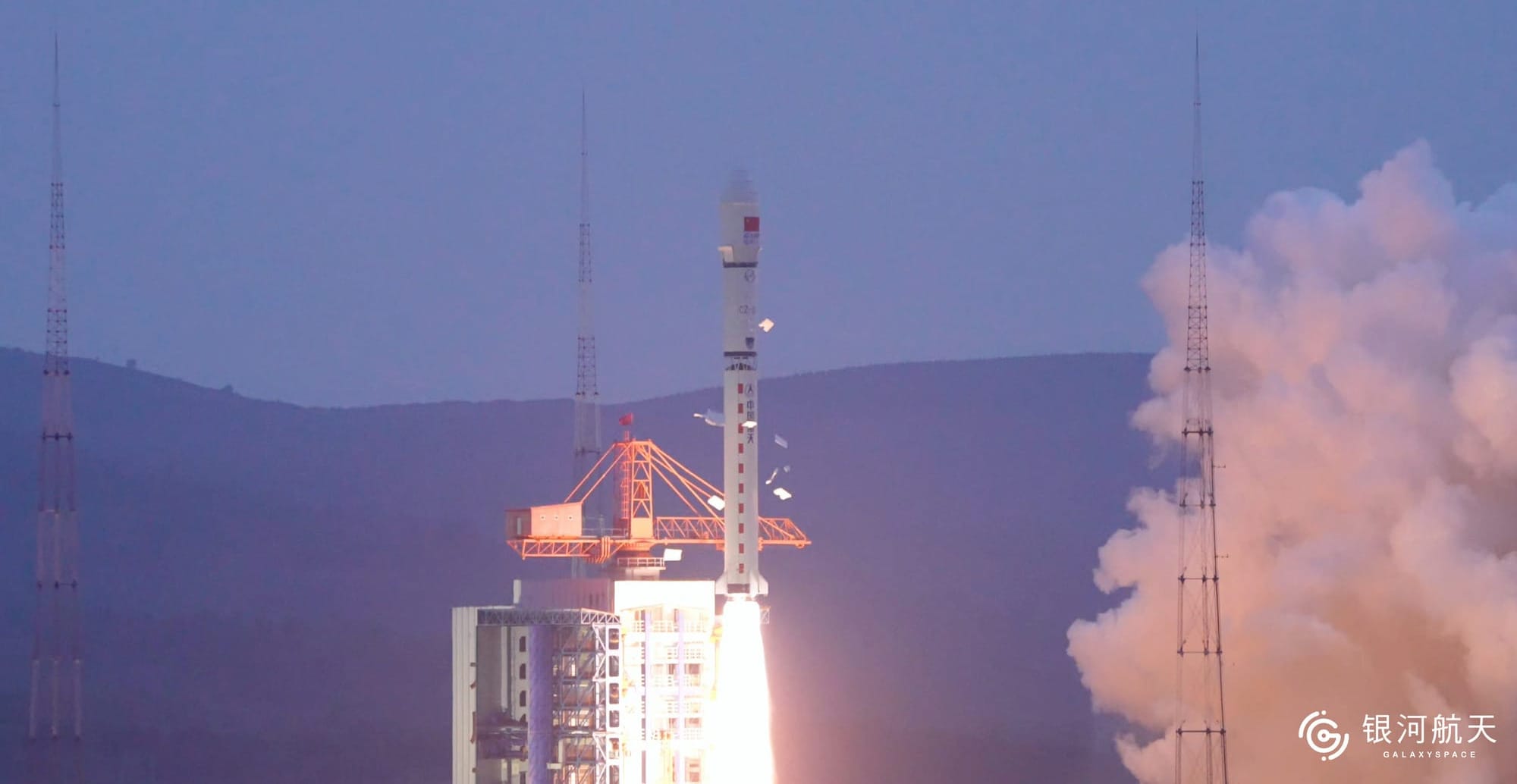
A Long March 2D lifted off from the Taiyuan Satellite Launch Center, carrying four GalaxySpace-made PIESAT-2 synthetic aperture radar satellites into sun-synchronous orbit. Those satellites will join Zhuzhou Space Interstellar Satellite Technology Co Ltd's existing fleet to collect data about Earth, which will then be sold to various customers.
In Other Space News
Djibouti signs Artemis Accords
At an event at NASA Headquarters in Washington D.C., the small African nation of Djibouti signed the Artemis Accords on September 14th. The signing was done, in the presence of NASA Deputy Administrator Matt Anderson, by Mohamed Siad Douale, Ambassador of Djibouti to the United States. After signing, the Ambassador commented:
"By joining the Artemis Accords, Djibouti seeks to deepen its partnership with the United States and with the growing community of nations committed to peaceful space cooperation. We look forward to building partnerships in scientific research, satellite applications, education, and technical training, while creating new opportunities for Djibouti students, researchers, engineers, and entrepreneurs."
Djibouti's space program is quite young, being established in 2020, with two satellites launched in 2023 and 2024, both by Falcon 9 rideshare missions.
With Djibouti now a signatory of the accords, seventy-two nations now have, just over a third of the member states of the United Nations.
NASA books three more Crew Dragon flights
NASA announced on September 18th that it has booked three more Crew Dragon flights from SpaceX to transport crews of four to the International Space Station in 2027 and 2028.
Those three missions, to be designated Crew-15, Crew-16, and Crew-17, have been acquired at a firm fixed-price cost of 946 million United States Dollars. With that cost, each mission is priced at about 315.3 million, while each astronaut's seat onboard is around 78.8 million.
Should SpaceX complete those new and two to-be-fulfilled astronaut transportation missions, the company will have earned 5.92 billion United States Dollars from NASA.
The decision to buy further astronaut launches via SpaceX had to be made this year, as NASA's previous contract with the company was due to run out in two flights with the Crew-14 mission, set to occur in the opening months of 2027. That need to buy was also caused by Boeing's Starliner crewed spacecraft not being ready yet.
To date, Crew Dragon has supported twenty human-carrying missions into low Earth orbit. Its next, Crew-13 for NASA, is expected to launch in the coming weeks, should an oxidizer leak on the spacecraft be resolved.
What to Expect Next Week
September 20th - Falcon 9 with Starlink Group 15-27
Space Launch Complex 4E is expected to support the launch of a batch of Starlink satellites into low Earth orbit via a Falcon 9.
September 20th - Kinetica-1 for a rideshare mission
CAS Space's Kinetica-1 is set to fly into sun-synchronous orbit to deploy a handful of customer satellites from various entities.
September 23rd - Long March 8A with connectivity satellites
A Long March 8A is expected to fly from the Wenchang Commercial Space Launch Site and into low Earth orbit with a batch of either Qianfan or GuoWang connectivity satellites.
September 24th - Long March 6A with connectivity satellites
From the Taiyuan Satellite Launch Center, Qianfan or GuoWang satellites will be launched into polar orbit by a Long March 6A.
September 26th - Falcon 9 with USSF-385
A set of U.S. military satellites are to be flown into Earth orbit by a Falcon 9 from Space Launch Complex 4E.