U.S. Space Force Watching Orbit From Two Japanese Civil Spacecraft

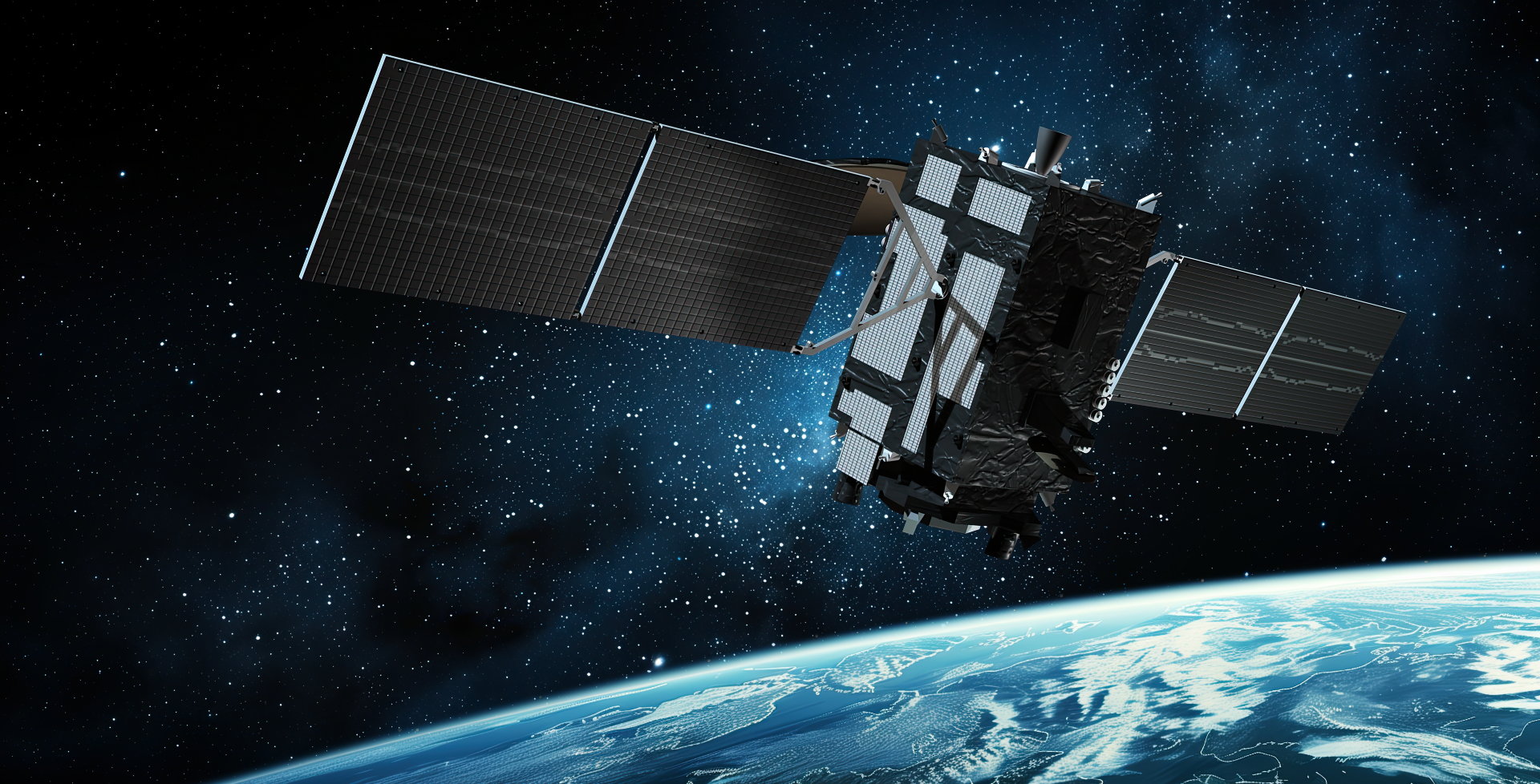
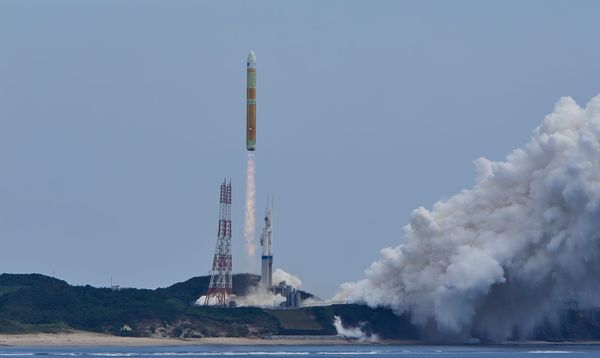
August 10th saw Japan's H3 rocket depart from the Tanegashima Space Center and reach a geostationary transfer orbit for the delivery of the Michibiki-7 spacecraft, part of the Quasi-Zenith Satellite System for civilian navigation services across the island nation and nearby regions. In addition, a small part added to the spacecraft has come from the U.S. Space Force, America's space branch of its military, for a different task.
Called 'SĀCHI' (Situational Awareness Camera Hosted Instrument), that part is, as its unabbreviated name suggests, tasked with monitoring orbits around the spacecraft it is hosted by as well as observing other satellites' activities nearby. Doing that is stated to enable the Space Force to 'detect, understand, and maintain custody' of active and retired satellites along with debris.
Managing the parts inclusion onboard is the Quasi-Zenith Satellite System-Hosted Payload program, a joint effort formalized with the signing of a Memorandum of Understanding in December 2020. At the time, the program was branded as a protective effort to continue the flow of economic benefits of being in orbit. Now it is claimed to allow the U.S. to match the 'threat' of peer adversaries in space.
Although unnamed in press releases about the U.S. hardware and its capabilities, the Space Force says its 'threats' in orbit come from China and Russia, as the former grows its space sector and the latter surges its fleet of militarily tasked assets.
Michibiki-7 is the second Japanese satellite to host 'SĀCHI', and currently the last. In February 2025, the first one was launched aboard Michibiki-6, delivered by the same rocket from Tanegashima. After its deployment into orbit, Colonel Bryon McClain, in charge of the branches Space Domain Awareness and Combat Power, thanked the Japanese side for hosting the instruments, saying:
"In an increasingly contested space domain, Japan's contribution to the U.S. [military]’s deterrence strategy has been, and will continue to be, key to [United States Indo-Pacific Command] awareness and operations."
Regarding the design of 'SĀCHI', it's only 61.7 kilograms in weight being a 114.3 by 78.74 by 48.26 centimeter protrusion on the side of Michibiki-6 and Michibiki-7. Its observing duties are performed via optical observation, with no details provided about resolution or limits on observation distance. Processing of data collected by the payload is not performed by the spacecraft it is hosted on, with an amount of compute within its mass budget for pre-processing and beaming back to Earth.
Work on the two 'SĀCHI' payloads began sometime in 2019, performed by the Massachusetts Institute of Technology's Lincoln Laboratory, with delivery to Japanese teams at the start of 2023.